What Does Cnc Stand For In Engineering
author: Lucia Liu
2025-09-03
What Does Cnc Stand For In Engineering
The Fundamental Definition and Core Principles of CNC
When explaining what CNC stands for in engineering, one must begin with its definition. Traditional machining typically relies on manual operation of machine tools, where efficiency and precision are often constrained. CNC technology, however, enables machine tools to operate according to pre-set numerical values and paths by inputting design programmes into a computer, thereby facilitating the machining of complex components.
The core principle of CNC is ‘driving mechanical actions through digital instructions’. Whether performing metal cutting, surface milling, or hole drilling, machine tools execute tasks with computer-generated precision, significantly enhancing consistency and efficiency in machining.
When explaining what CNC stands for in engineering, one must begin with its definition. Traditional machining typically relies on manual operation of machine tools, where efficiency and precision are often constrained. CNC technology, however, enables machine tools to operate according to pre-set numerical values and paths by inputting design programmes into a computer, thereby facilitating the machining of complex components.
The core principle of CNC is ‘driving mechanical actions through digital instructions’. Whether performing metal cutting, surface milling, or hole drilling, machine tools execute tasks with computer-generated precision, significantly enhancing consistency and efficiency in machining.

The Application Value of CNC in Engineering
Delving deeper into the question ‘What Does CNC Stand For In Engineering’ reveals that CNC has become fundamental to modern engineering manufacturing. Its application advantages are primarily manifested in:
High precision: CNC achieves micrometre-level machining accuracy, meeting the demands of high-end industries;
Strong consistency: In mass production, each part maintains complete uniformity;
High efficiency: One programming cycle enables multiple repetitions, significantly reducing manual operation time;
Broad applicability: CNC can process various metals such as steel, aluminium, stainless steel, and copper, as well as plastic materials.
These advantages have led to CNC technology's widespread adoption across aerospace, automotive manufacturing, medical devices, and electronic equipment sectors.
Common CNC Machining Types
Alongside understanding What Does CNC Stand For In Engineering, it is essential to recognise common CNC machining types:
CNC Turning: Suitable for processing cylindrical or conical parts, commonly used for shafts and sleeves;
CNC Milling: Cuts material using milling cutters, suitable for machining flat surfaces, grooves, and complex geometries;
CNC Drilling and Cutting: Widely employed for creating holes and precision cutting of metal sheets.
These diverse CNC processes ensure comprehensive machining capabilities, from simple components to intricate structures.
What Are CNC Metal Parts
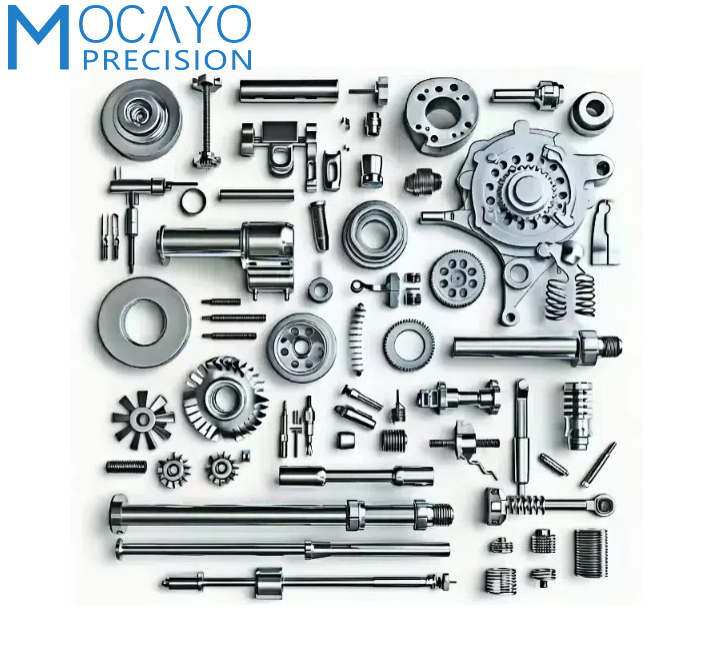
Once we understand what CNC stands for in engineering, we naturally arrive at a tangible product: CNC metal parts. These refer to metal components manufactured using CNC machining technology. Compared to traditional processes, CNC metal parts possess the following characteristics:
High precision: meeting stringent design specifications;
Superior surface finish: reducing the need for subsequent polishing and grinding;
Exceptional strength and stability: suitable for diverse high-stress operational environments.
Consequently, CNC metal parts form a vital foundation in the manufacturing of machinery, automotive components, electronic assemblies, and industrial tools.
Once we understand what CNC stands for in engineering, we naturally arrive at a tangible product: CNC metal parts. These refer to metal components manufactured using CNC machining technology. Compared to traditional processes, CNC metal parts possess the following characteristics:
High precision: meeting stringent design specifications;
Superior surface finish: reducing the need for subsequent polishing and grinding;
Exceptional strength and stability: suitable for diverse high-stress operational environments.
Consequently, CNC metal parts form a vital foundation in the manufacturing of machinery, automotive components, electronic assemblies, and industrial tools.
The Application Value of CNC Metal Parts
Within industrial production, the application scope of CNC metal parts is exceptionally broad. For instance:
Machinery Manufacturing: Providing high-precision gears, bearings, and brackets;
Electronics Industry: Used for enclosures, connectors, and structural components;
Automotive sector: Engine components and chassis parts rely on CNC metal parts;
Medical equipment: Surgical instruments and support structures demand high-precision metal machining.
Indeed, CNC metal parts constitute an indispensable element within the modern engineering supply chain.
Get clarity on what does CNC stand for in engineering and trust Mocayo cnc metal parts for unmatched durability, precision, and professional performance.
CNC Machining Parts Factory
CNC Machining Materials
Related Article
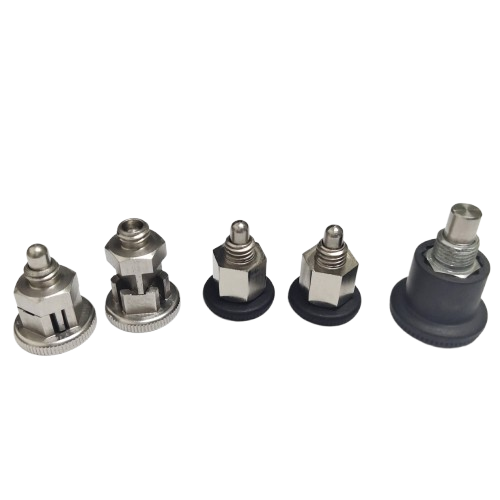
Explore the application of stainless steel materials for customizing mini indexing plungers based on specific operational environments and suitable spaces.
How To Make A Mini Indexing Plunger
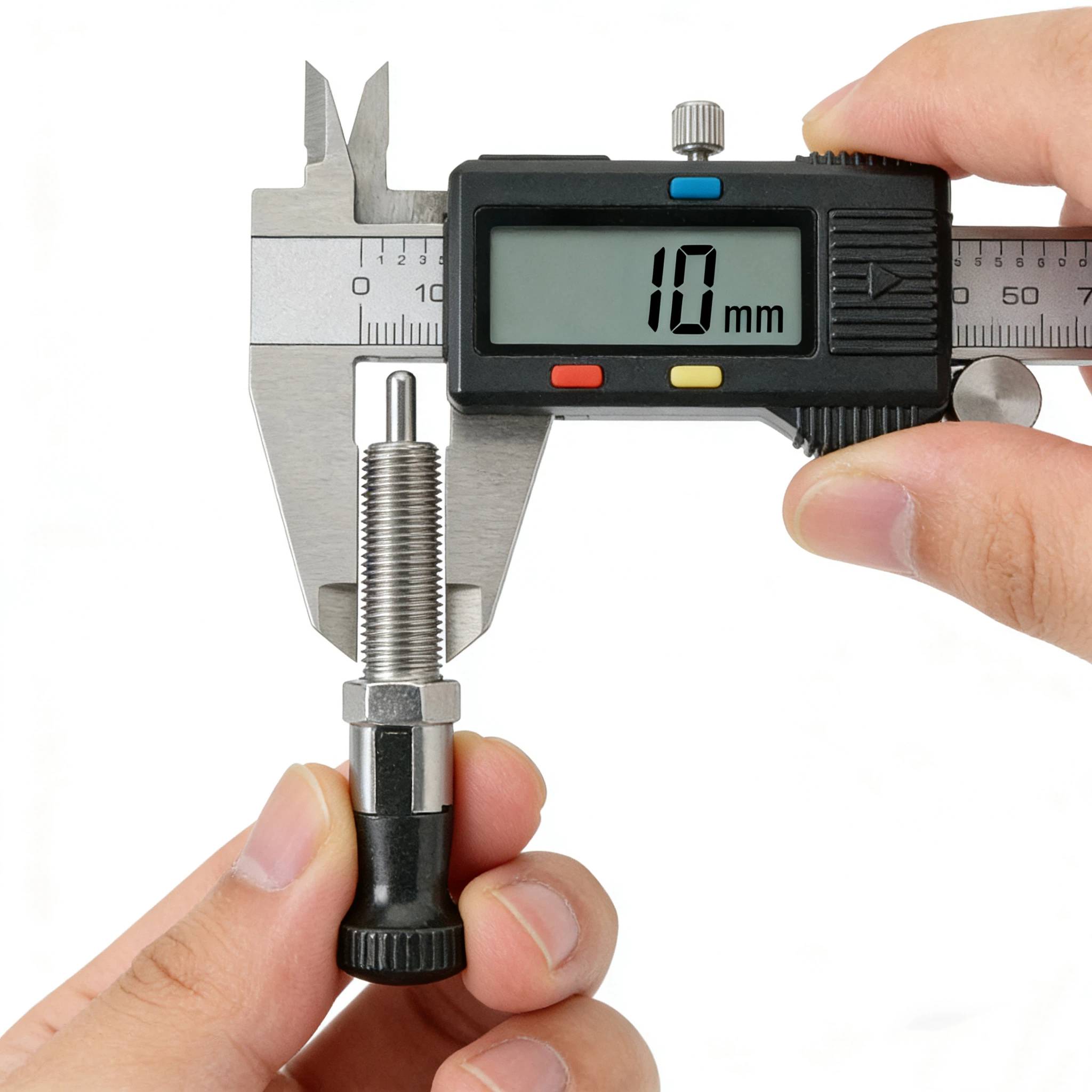
Discover how to choose correct size for indexing elements with confidence. Get precise recommendations that improve positioning accuracy, durability, and overall system performance.
How To Choose Correct Size For Indexing Elements