What Is A Spring Lock Mechanism
What Is a Spring Lock Mechanism? Unlocking the Secrets of This Essential Device
Introduction
In the world of mechanical engineering, the Spring Lock Mechanism is a small but powerful device that plays a critical role in ensuring secure fastening, precise positioning, and controlled motion. From industrial machinery to everyday household items, this mechanism is widely used for its reliability, simplicity, and versatility. But what exactly is a Spring Lock Mechanism, and how does it work? Let’s dive into the details.
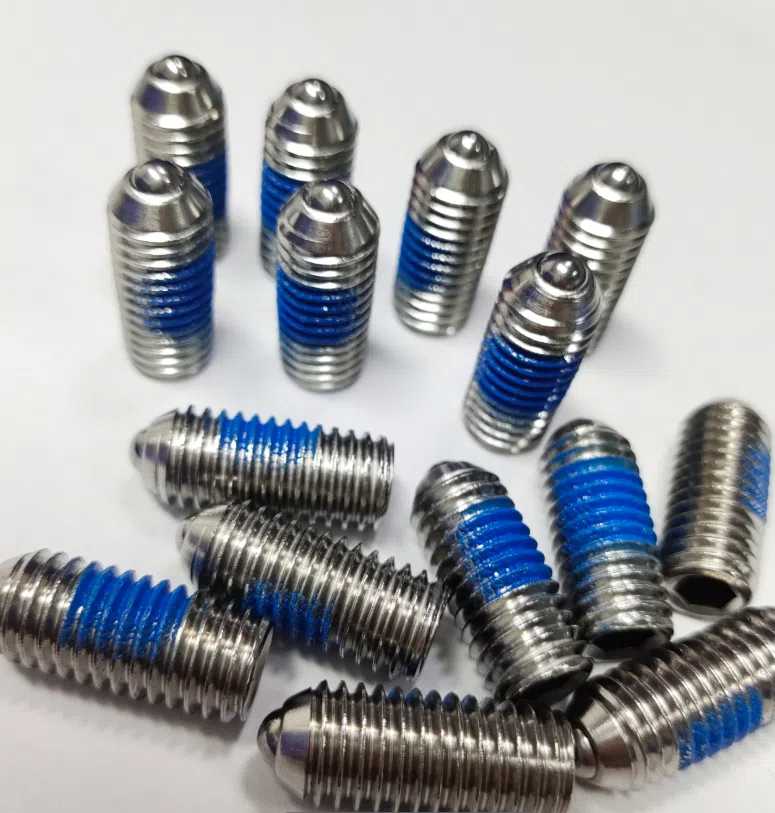
What is a Spring Lock Mechanism?
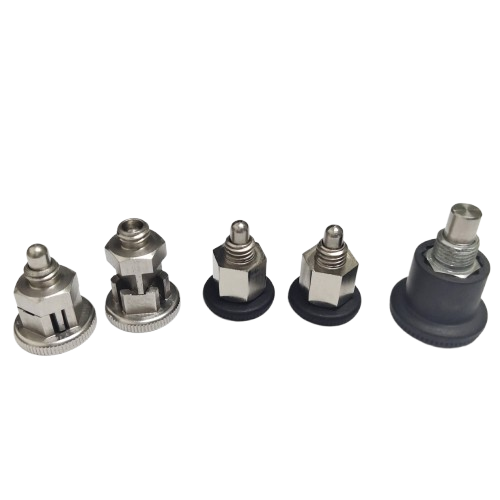
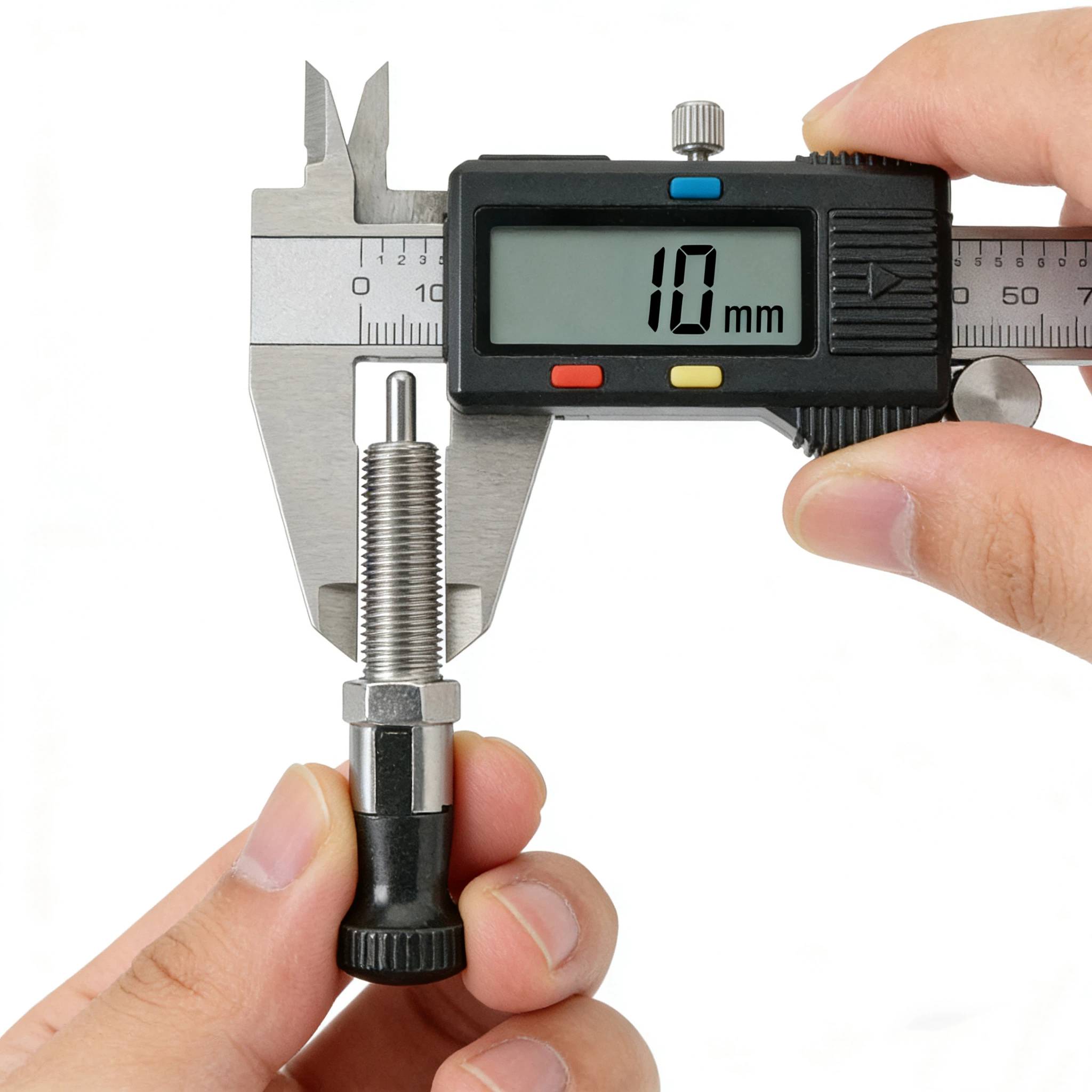
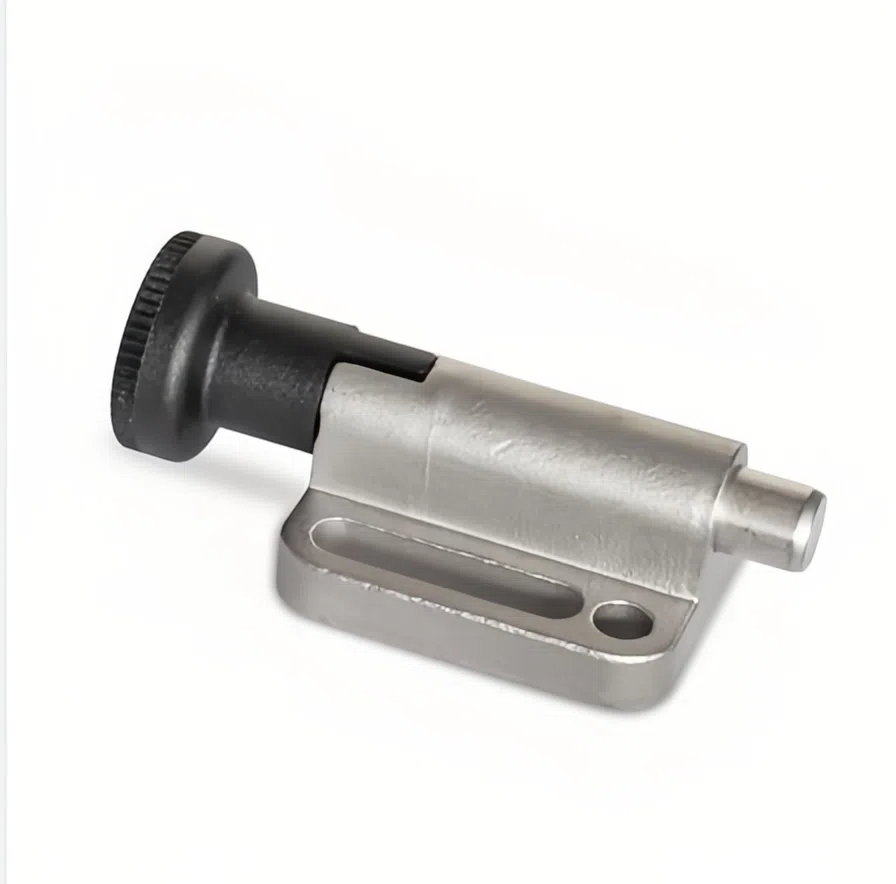
A Spring Lock Mechanism is a mechanical device that uses the force of a spring to lock or secure components in place. It typically consists of a spring-loaded component, such as a pin, ball, or latch, that engages with a corresponding recess, hole, or detent to hold parts together. The spring provides the necessary force to keep the mechanism locked, while an external force can compress the spring to release the lock. This simple yet effective design makes it ideal for applications requiring secure fastening and controlled motion.
Key Features and Benefits
-
Secure Locking: Ensures components remain firmly in place, even under vibration or movement.
-
Precision Positioning: Provides accurate alignment and repeatable positioning of components.
-
Durability: Made from high-strength materials like stainless steel or hardened alloys, it withstands wear, corrosion, and heavy use.
-
Ease of Use: Operates smoothly with minimal effort, often requiring only a simple push or pull to engage or release.
How Does It Work?
The Spring Lock Mechanism operates through a straightforward process:
-
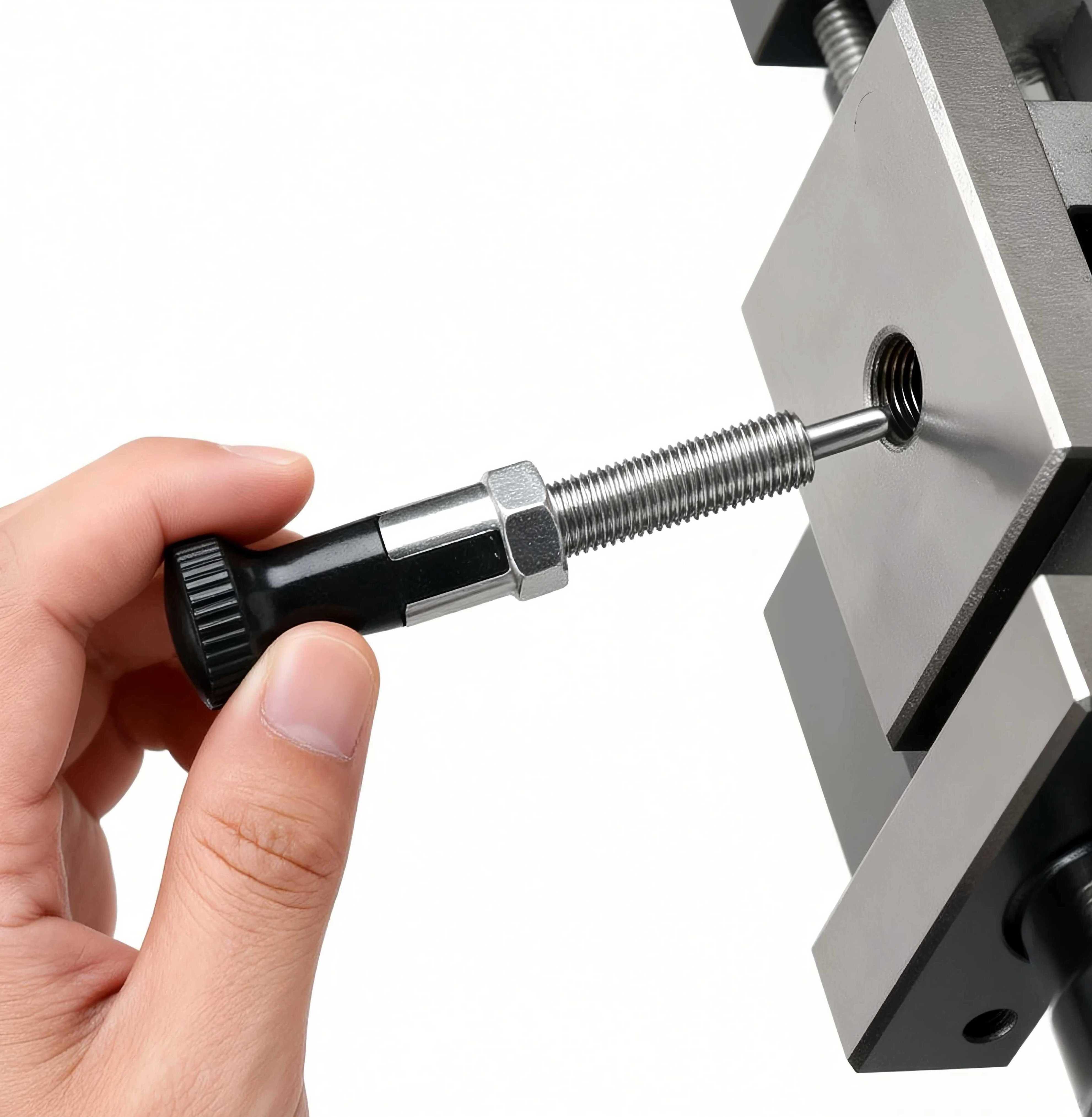
Engagement: The spring pushes the locking component (e.g., a pin, ball, or latch) into a recess or detent, securing the component in place.
-
Release: When an external force is applied, the locking component compresses the spring, allowing the mechanism to disengage and the component to move or release.
-
Re-engagement: Once the force is removed, the spring pushes the locking component back into place, ensuring secure fastening.
This cycle of engagement and release ensures controlled motion and reliable locking, making the mechanism indispensable in many applications.
Applications Across Industries
The Spring Lock Mechanism’s versatility has led to its adoption in a wide range of industries:
1. Industrial Machinery
-
Tooling and Fixtures: Used to secure components in jigs, fixtures, and assembly lines, ensuring precise alignment during machining or manufacturing processes.
-
Safety Latches: Provides secure locking for machine guards and access panels, enhancing operator safety.
2. Automotive
-
Hood and Trunk Latches: Ensures secure and reliable operation of vehicle hoods and trunks.
-
Seat Adjustments: Used in seat sliders and recliners to lock seats in place securely.
3. Aerospace
-
Cargo Doors: Provides secure locking for aircraft cargo compartments, ensuring safe transportation of goods.
-
Control Panels: Used in cockpit controls and instrument panels to ensure precise and secure operation.
4. Consumer Electronics
-
Foldable Devices: Used in foldable smartphones, laptops, and tablets to provide smooth and secure folding mechanisms.
-
Battery Compartments: Ensures secure fastening of battery covers in electronic devices.
5. Medical Devices
-
Surgical Instruments: Used in tools like clamps and forceps to provide controlled motion and secure locking.
-
Diagnostic Equipment: Ensures precise alignment and smooth operation in devices like MRI machines and X-ray systems.
6. Furniture and Cabinetry
-
Cabinet Doors: Provides secure and easy-to-use latching for cabinets and drawers.
-
Foldable Furniture: Used in foldable tables, chairs, and beds to ensure smooth and secure operation.
Expert Insights
Dr. Emily Carter, a mechanical engineering expert, explains, "The Spring Lock Mechanism is a brilliant example of how a simple design can solve complex problems. Its ability to provide secure fastening and controlled motion with minimal components makes it a favorite among engineers."
Innovations and Future Trends
As technology advances, the Spring Lock Mechanism is being enhanced with new materials and features:
-
Self-Lubricating Materials: Reducing maintenance and extending the mechanism’s lifespan.
-
Corrosion-Resistant Coatings: Improving durability in harsh environments.
-
Smart Locking Systems: Integrating sensors to monitor engagement and provide real-time feedback.
Discover what a spring lock mechanism is and how it provides secure and efficient fastening in industrial applications. Durable and reliable, they ensure smooth operation. Contact us for custom solutions today.
Conclusion
The Spring Lock Mechanism may seem like a small and simple device, but its impact on modern engineering is profound. By providing secure fastening, precise positioning, and reliable performance, it has become an essential tool across industries. As technology continues to evolve, this mechanism will remain a cornerstone of mechanical design, driving innovation and efficiency.
Disclaimer: This article is for informational purposes only. The views expressed are those of the author and do not necessarily reflect the official policy or position of any organization.
What Is Ball Screw In Cnc Machine
How Does Detent Mechanism Work
Related Article