What Is Aluminum Alloy Used For
author: Lucia Liu
2025-08-23
What Is Aluminum Alloy Used For
For many procurement professionals and engineers, a common question arises: What is aluminum alloy used for? In which fields can it truly demonstrate its value?
In this context, Mocayo, a professional supplier of industrial fasteners and positioning components, leverages its R&D strengths to extensively incorporate aluminum alloys into its product range. For instance, Mocayo's quick-release ball lock pins utilize an aluminum alloy oxide material for the handle section, effectively addressing lightweight requirements while enhancing corrosion resistance.
In this context, Mocayo, a professional supplier of industrial fasteners and positioning components, leverages its R&D strengths to extensively incorporate aluminum alloys into its product range. For instance, Mocayo's quick-release ball lock pins utilize an aluminum alloy oxide material for the handle section, effectively addressing lightweight requirements while enhancing corrosion resistance.

Aluminum alloy is a type of alloy material based on aluminum, formed by adding other metallic elements such as magnesium, copper, and zinc. It not only retains aluminum's inherent lightweight properties but also significantly enhances mechanical strength, corrosion resistance, and machinability. This makes aluminum alloy one of the most common and practical materials in the engineering field.
For procurement professionals, understanding “What Is Aluminum Alloy Used For” is a crucial step in assessing its application value. The properties of aluminum alloy determine its widespread use in machinery, aerospace, construction, and even everyday tools.
For procurement professionals, understanding “What Is Aluminum Alloy Used For” is a crucial step in assessing its application value. The properties of aluminum alloy determine its widespread use in machinery, aerospace, construction, and even everyday tools.
Key Characteristics of Aluminum Alloy
Lightweight: Aluminum alloy has a density that is only one-third that of steel, significantly reducing the weight of components.
High Strength: Through alloying and heat treatment processes, aluminum alloy can withstand heavy loads.
Corrosion Resistance: The natural oxide film on the surface effectively prevents rusting, making it suitable for long-term use.
Processing Flexibility: Aluminum alloys can be processed using various methods such as machining, stamping, and anodizing.
These properties make aluminum alloys not only a common structural material but also an ideal choice for industrial fasteners.
Lightweight: Aluminum alloy has a density that is only one-third that of steel, significantly reducing the weight of components.
High Strength: Through alloying and heat treatment processes, aluminum alloy can withstand heavy loads.
Corrosion Resistance: The natural oxide film on the surface effectively prevents rusting, making it suitable for long-term use.
Processing Flexibility: Aluminum alloys can be processed using various methods such as machining, stamping, and anodizing.
These properties make aluminum alloys not only a common structural material but also an ideal choice for industrial fasteners.
So, what is aluminum alloy used for? It is primarily used in the following areas:
Manufacturing of mechanical components: Combining light weight and strength, it is suitable for making quick-locking devices and positioning components.
Tooling fixtures: Equipment requiring frequent operation and adjustment can benefit from aluminum alloy to reduce labor intensity.
Precision assembly: Its corrosion resistance and stability make it suitable for fasteners in high-demand environments.
These applications are closely tied to industrial use, which is precisely why Mocayo chose to use aluminum alloy in the handles of its quick-release ball lock pins.
Manufacturing of mechanical components: Combining light weight and strength, it is suitable for making quick-locking devices and positioning components.
Tooling fixtures: Equipment requiring frequent operation and adjustment can benefit from aluminum alloy to reduce labor intensity.
Precision assembly: Its corrosion resistance and stability make it suitable for fasteners in high-demand environments.
These applications are closely tied to industrial use, which is precisely why Mocayo chose to use aluminum alloy in the handles of its quick-release ball lock pins.
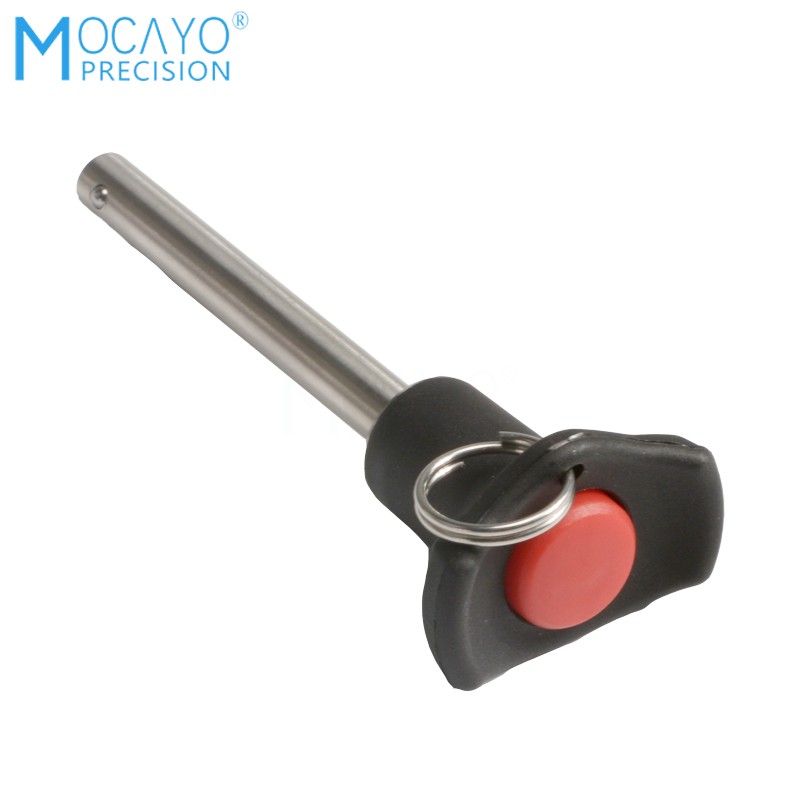
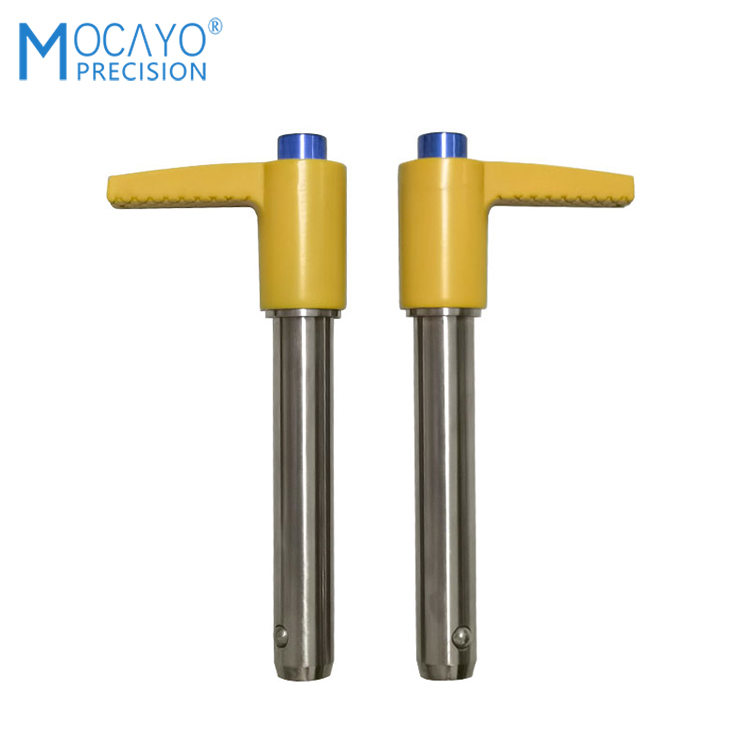
Mocayo's quick release ball lock pins are designed with aluminum alloy oxide as the handle material, which offers distinct advantages:
Lightweight: Reduces overall weight for easier operation.
Lightweight: Reduces overall weight for easier operation.
- Corrosion resistance: Oxidation treatment significantly extends service life, even in humid environments.
- Aesthetics: The oxidized surface finish gives the product a more industrial look.
- Comfort: Provides a smooth operating feel, suitable for prolonged or high-frequency use.
This also exemplifies the typical application of aluminum alloy—ensuring strength and durability while enhancing user experience through lightweight design. Learn what is aluminum alloy used for—our ball lock pin offers lightweight comfort, high strength, and dependable locking every time.
Types of Stainless Steel Grades
Leveraging Indexing Plungers For Repeatable Accuracy
Related Article
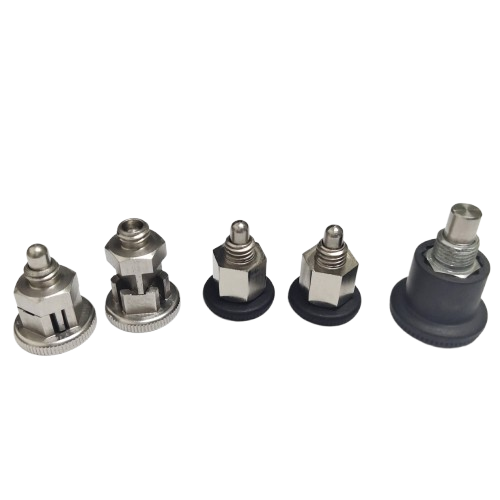
Explore the application of stainless steel materials for customizing mini indexing plungers based on specific operational environments and suitable spaces.
How To Make A Mini Indexing Plunger
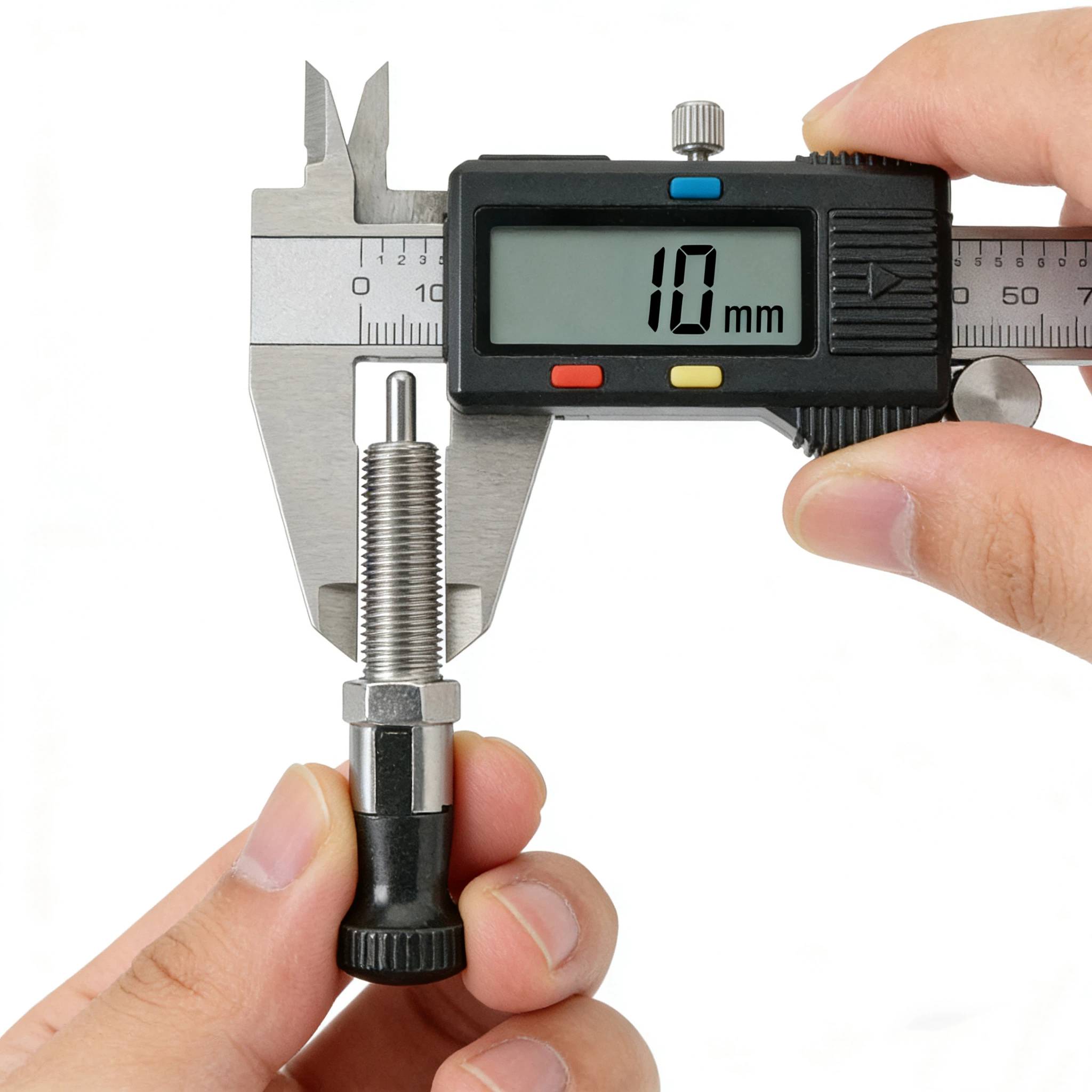
Discover how to choose correct size for indexing elements with confidence. Get precise recommendations that improve positioning accuracy, durability, and overall system performance.
How To Choose Correct Size For Indexing Elements