What is Aluminum Used For
What is Aluminum Used For: The Versatile Role of Aluminum in Modern Industry
As one of the most essential metals in modern industrial applications, aluminum stands out due to its unique combination of properties. So, what is aluminum used for? From aerospace to construction, its light weight, corrosion resistance, and high strength-to-weight ratio make it indispensable.
Aluminum has a density of just 2.7g/cm³—only about one-third that of steel—yet offers comparable structural strength. This makes it a top choice for lightweight structural designs. Another key feature is its natural formation of a dense oxide layer on the surface, which significantly enhances corrosion resistance. When treated with anodizing processes, this resistance improves even further.
These properties are why what is aluminum used for is a question that spans countless industries. At Mocayo, we harness these traits across a wide range of aluminum processing methods, including casting, extrusion, and high-precision CNC machining.
Especially relevant to high-performance components like the quick release pin, aluminum alloys such as 6061-T6 and 7075 are favored for their strength and durability. Discover what aluminum is used for in aerospace, automotive, construction, and electronics. Explore its lightweight, corrosion-resistant, and recyclable benefits.
What is Aluminum Used For in the Transportation Industry
Aluminum's role in transportation continues to grow. In the automotive industry, aluminum alloys are used for engine blocks, wheels, and structural components—helping reduce vehicle weight by 10–15%. In aerospace, high-strength alloys like 7075 are widely used; for example, aluminum accounts for over 60% of the Airbus A380’s structure.

Mocayo supplies various lightweight aluminum components to automotive manufacturers, aiding their transition to more efficient production lines. A prime example is our quick release pin products, which reduce overall part weight while maintaining outstanding mechanical performance.
Construction and Electronics: What is Aluminum Used For Here?
In the construction sector, aluminum is key in curtain walls, doors, and window frames. Its resistance to environmental degradation ensures a lifespan of over 30 years when anodized. Mocayo’s architectural profiles are made from 6063 aluminum alloy and undergo premium anodizing treatment for durability and aesthetics.
In electronics, aluminum’s excellent heat dissipation makes it ideal for use in heat sinks. Mocayo manufactures custom high-density aluminum heat sinks for telecommunications equipment with thermal conductivity exceeding 200W/m·K. These examples further illustrate what is aluminum used for—not just structurally, but functionally as well.
Industrial Equipment: Lightweight Strength with Aluminum
In industrial machinery, demand for aluminum parts is also rising. Mocayo partners with leading automation equipment manufacturers to provide aluminum guide rails, brackets, and other precision parts. Compared to traditional steel, aluminum reduces component weight by 30–50% while retaining strong mechanical rigidity.
Quick Release Pin Series: Showcasing Aluminum’s Advantages
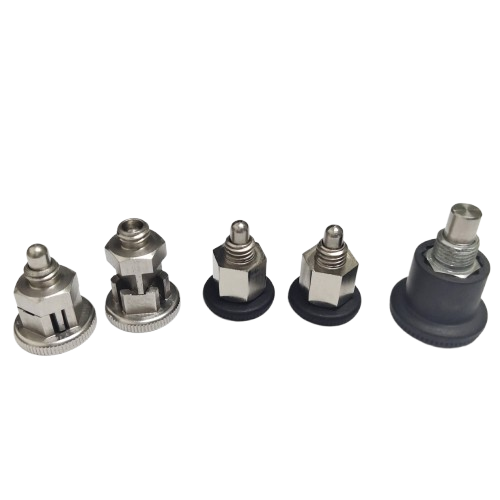
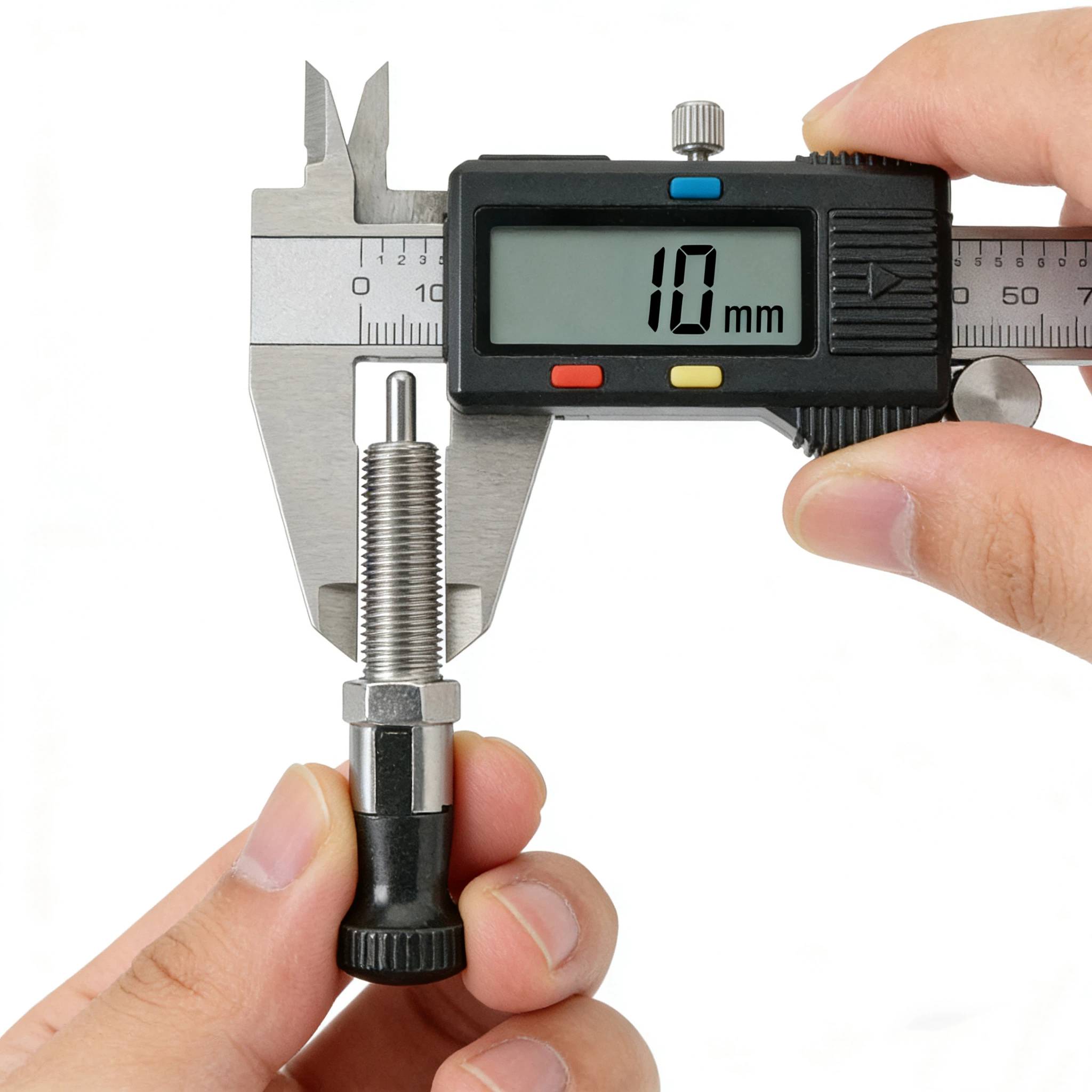
Mocayo’s quick release pin series fully demonstrates the capabilities of aluminum alloys. Made from aerospace-grade 6061-T6 and 7075 materials, these components are CNC-machined to extremely tight tolerances—±0.005mm—ensuring top-level precision.
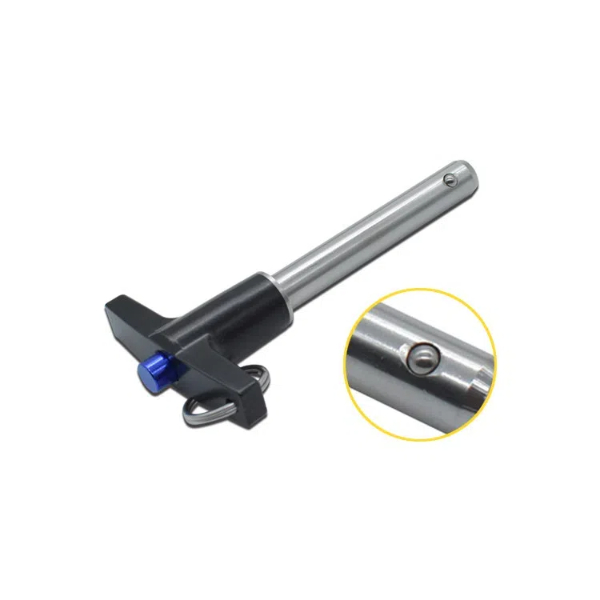
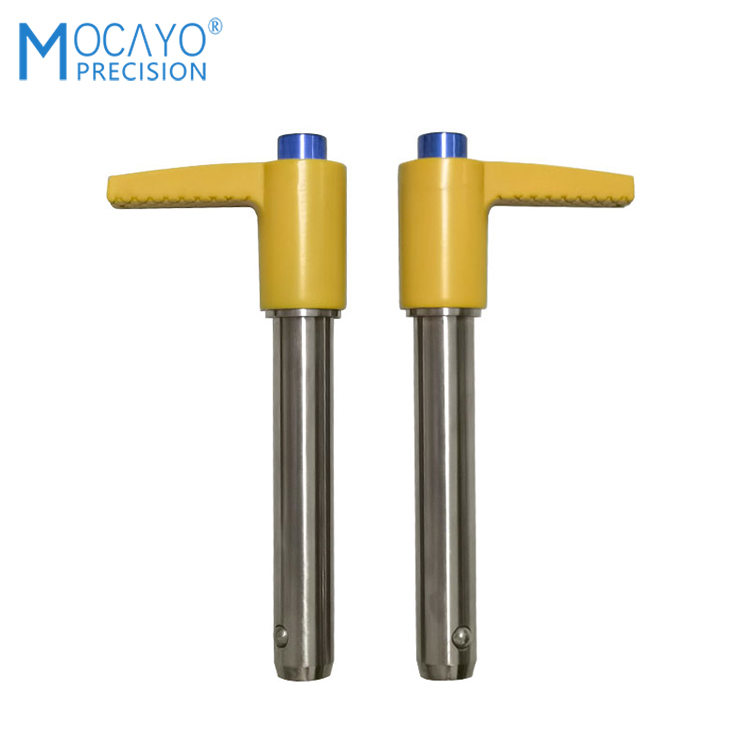
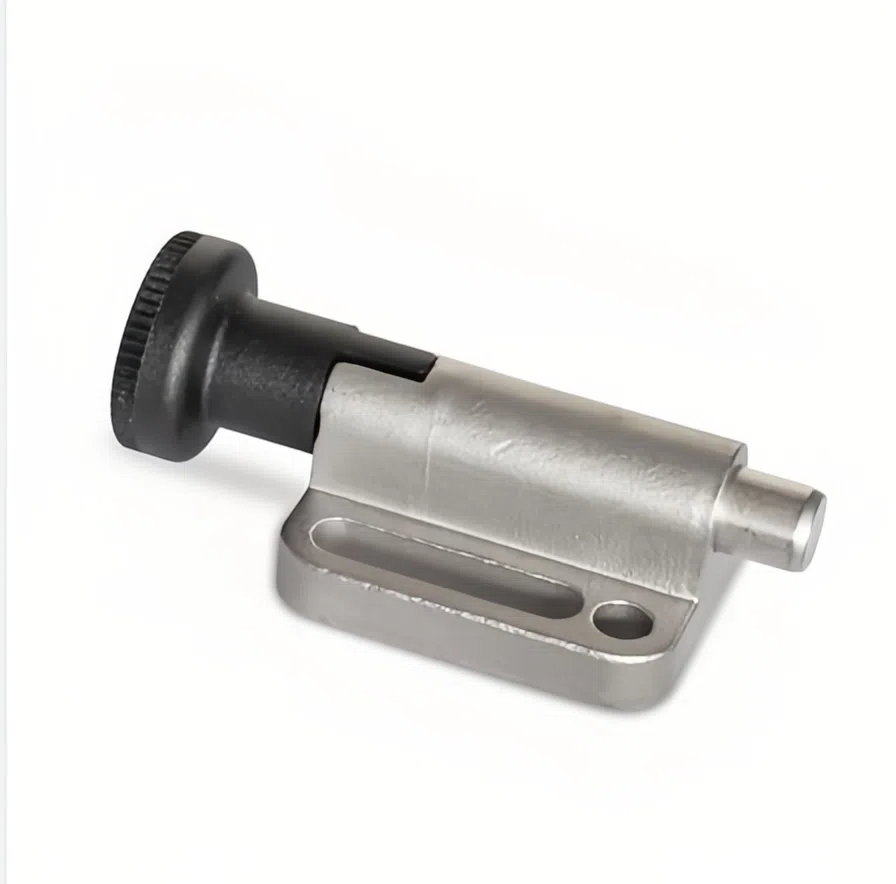
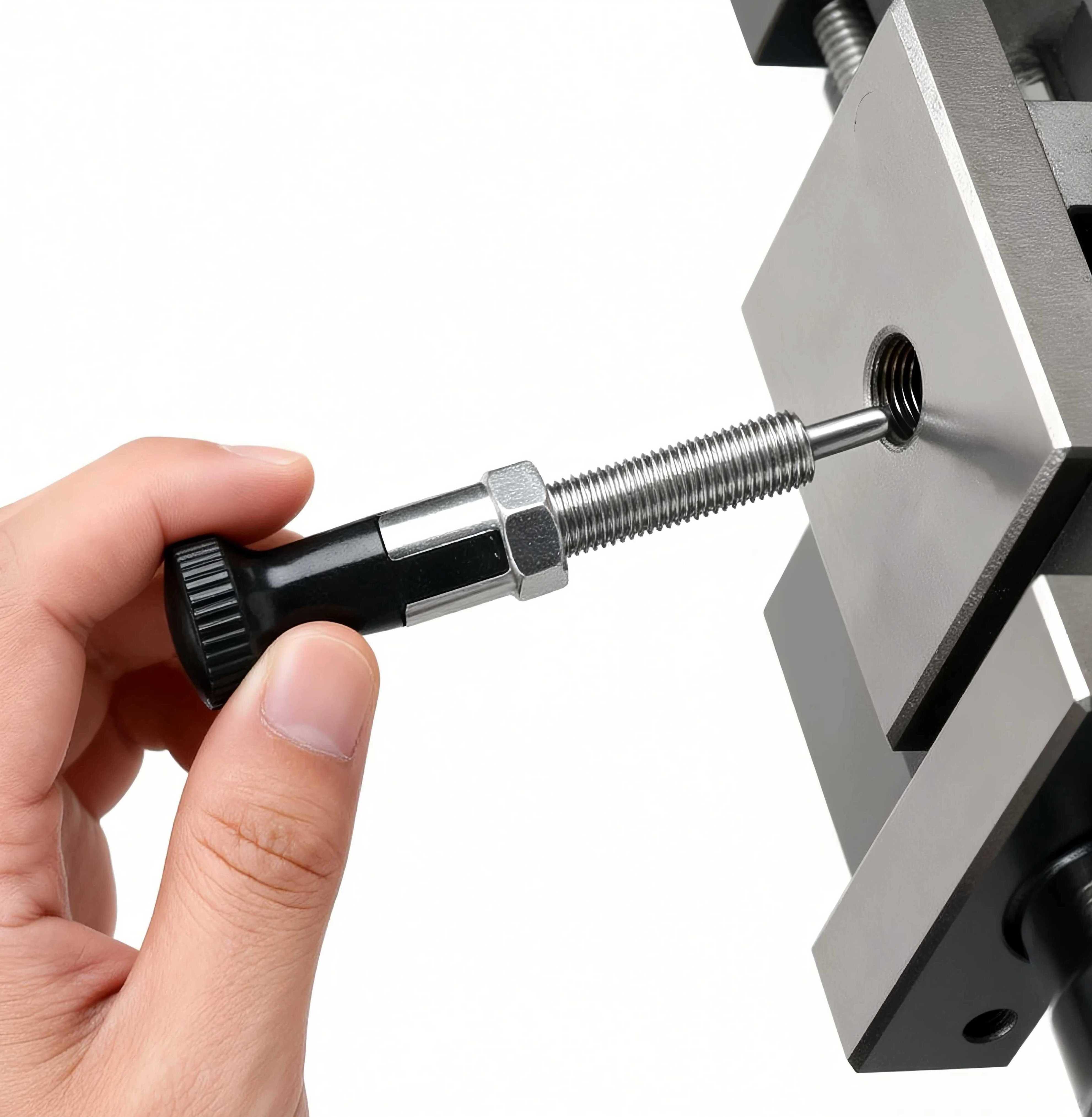
Lightweight, corrosion-resistant, and high-strength, our quick release pins are equipped with spring-lock mechanisms that enable single-handed installation and removal. We carefully match each alloy type to its ideal use case, ensuring optimal performance in every application.
So, what is aluminum used for? At Mocayo, the answer is clear: everywhere—from cars to aircraft, buildings to electronics, and precision tools like the quick release pin. Aluminum continues to shape the future of modern industry.
Cnc Lathe-Spring Plunger Mechanism
How Does a Cnc Work
Related Article