What Is Anodising
author: Lucia Liu
2025-09-22
Contents
Table of Contents
What Is Anodising
The so-called anodising is a process that uses electrochemical principles to produce a dense oxide film on the surface of aluminium and its alloys. Through this process, the corrosion resistance, hardness and decorative effect of aluminium surfaces can be significantly improved, while at the same time bringing a wide range of colour options

Understanding what is anodising starts with how it works. The process involves the aluminium product acting as an anode in a specific electrolyte, and by applying an electric current, a stable film of aluminium oxide is formed on the surface of the aluminium. This film is not only hard and dense, but also firmly bonded to the aluminium substrate and is not easy to flake off.
Aluminium parts treated with anodic oxidation have the following significant characteristics:
- Enhanced corrosion resistance: The oxide layer effectively blocks air and moisture, preventing the metal from being oxidised or corroded.
- Improved wear resistance: The surface hardness is significantly increased to withstand daily friction.
- Highly decorative: a wide range of colours can be obtained through electrolytic colouring to meet aesthetic requirements.
- Good insulation: particularly important for the protection of the housing and internal components of electronic products.
When it comes to practical applications, quick release pins are a prime example.
In machinery, aerospace and stage lighting equipment, quick release pins are often used for connections that require frequent disassembly or quick positioning. Their handles are usually made of aluminium alloy and treated with what is anodising, which is not only aesthetically pleasing, but also has excellent corrosion resistance and can be used for long periods of time, even in outdoor or humid environments.
In order to better understand the convenience of quick release pins, the following is a simple step-by-step procedure:
1. Insert the positioning holes: Insert the quick release pins into the holes where they need to be secured.
2. Press or pull the handle: the internal ball locking mechanism releases when pressed and locks automatically when released.
3. Quick Removal: When it needs to be replaced or disassembled, press repeatedly to remove it easily.
The aluminium alloy handle with what is anodising treatment not only operates smoothly but also feels comfortable to hold, and is not easy to wear out or lose luster after a long time of use.
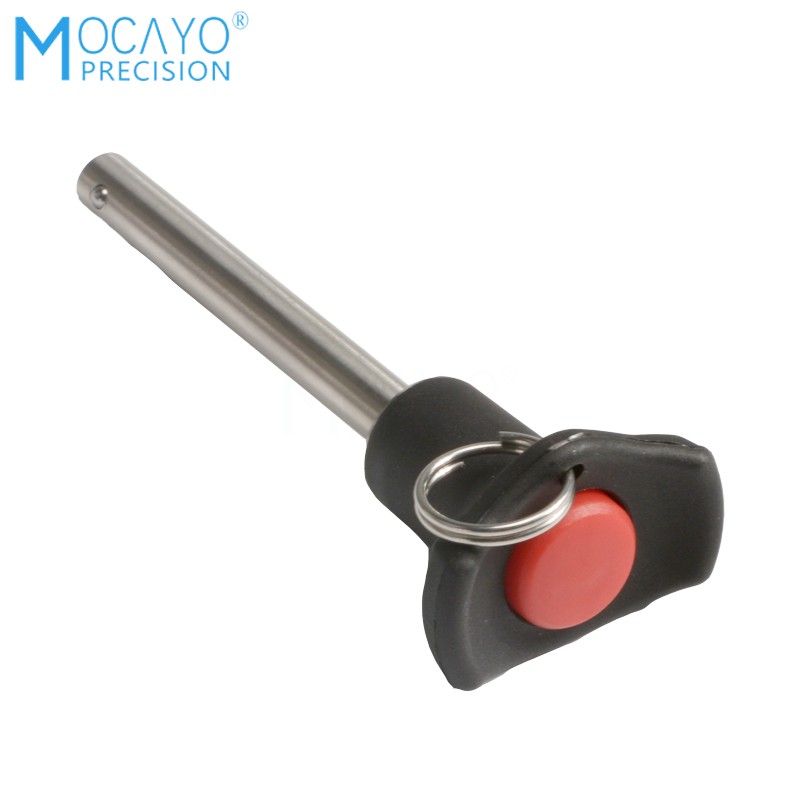
The core of quick release pins is the spring and ball structure inside. When the user presses down on the handle, the ball retracts for quick insertion or extraction; when the user releases the handle, the spring actuates the ball back into place for a secure lock. This design combines safety and efficiency, making it an indispensable fastening solution for industrial equipment, aerospace components and stage supports.
Thanks to the what is anodising treatment of the handles, quick release pins retain their abrasion and corrosion resistance even in high-frequency use.
1. Mechanical Equipment: Such as removable parts of the quick fixing, easy maintenance.
2. Aerospace: Aircraft cabin fittings require lightweight and quickly replaceable quick release pins.
3. Stage & Lighting Equipment: Supports and connectors that need to be removed and installed frequently, quick release pins with anodised aluminium handles are more reliable and durable.
Master what is anodising technology for advanced metal performance. Our anodised-handle quick release pin ensures exceptional hardness, weather resistance, and smooth operation—ideal for quick assembly or frequent adjustments in precision machinery.
What Does A True CNC Manufacturing Partnership Look Like
How Do You Start A Custom CNC Machining Project
Related Article
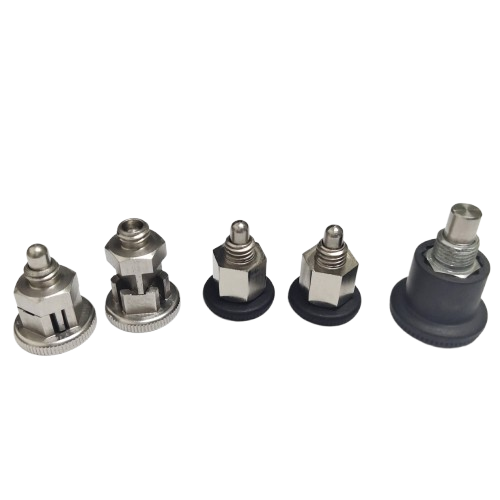
Explore the application of stainless steel materials for customizing mini indexing plungers based on specific operational environments and suitable spaces.
How To Make A Mini Indexing Plunger
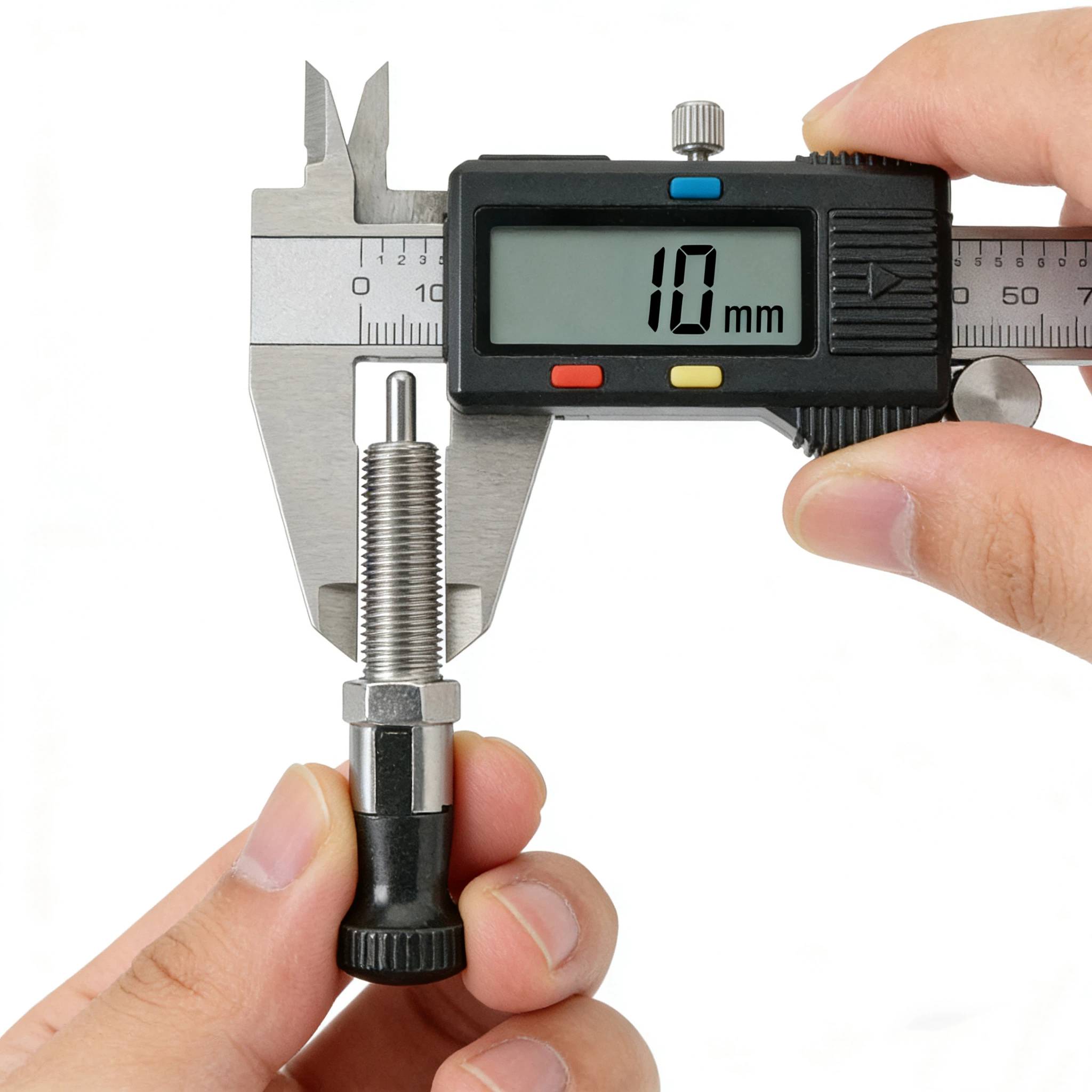
Discover how to choose correct size for indexing elements with confidence. Get precise recommendations that improve positioning accuracy, durability, and overall system performance.
How To Choose Correct Size For Indexing Elements