What Is Ball Screw In Cnc Machine
author: Lucia Liu
2025-03-13
What Is a Ball Screw in a CNC Machine? The Backbone of Precision Motion Control
Introduction
In the world of Computer Numerical Control (CNC) machining, precision and efficiency are paramount. At the heart of many CNC machines lies a critical component that ensures smooth and accurate motion: the ball screw. But what exactly is a ball screw, and why is it so essential to CNC operations? This article explores the role, functionality, and importance of ball screws in CNC machines.
In the world of Computer Numerical Control (CNC) machining, precision and efficiency are paramount. At the heart of many CNC machines lies a critical component that ensures smooth and accurate motion: the ball screw. But what exactly is a ball screw, and why is it so essential to CNC operations? This article explores the role, functionality, and importance of ball screws in CNC machines.

What is a Ball Screw?
A ball screw is a mechanical device that converts rotational motion into linear motion with minimal friction. It consists of a threaded shaft (screw) and a nut filled with ball bearings. As the screw rotates, the ball bearings roll along the threads, allowing the nut to move linearly along the screw. This design provides high efficiency, precision, and durability, making ball screws ideal for applications requiring accurate motion control, such as CNC machines.
A ball screw is a mechanical device that converts rotational motion into linear motion with minimal friction. It consists of a threaded shaft (screw) and a nut filled with ball bearings. As the screw rotates, the ball bearings roll along the threads, allowing the nut to move linearly along the screw. This design provides high efficiency, precision, and durability, making ball screws ideal for applications requiring accurate motion control, such as CNC machines.
Key Components of a Ball Screw
-
Screw Shaft: A threaded rod that rotates to drive the linear motion.
-
Nut: Contains ball bearings that roll along the screw threads, enabling smooth movement.
-
Ball Bearings: Reduce friction and wear, ensuring efficient operation.
-
Return System: Guides the ball bearings back to the starting point, creating a continuous loop.
How Does a Ball Screw Work in a CNC Machine?
In a CNC machine, the ball screw is typically connected to a motor that drives its rotation. As the screw turns, the nut moves linearly along the shaft, translating rotational motion into precise linear motion. This movement is used to control the position of the machine’s cutting tools or worktables, ensuring accurate and repeatable machining operations. The low friction and high efficiency of ball screws make them ideal for CNC applications, where precision and speed are critical.
In a CNC machine, the ball screw is typically connected to a motor that drives its rotation. As the screw turns, the nut moves linearly along the shaft, translating rotational motion into precise linear motion. This movement is used to control the position of the machine’s cutting tools or worktables, ensuring accurate and repeatable machining operations. The low friction and high efficiency of ball screws make them ideal for CNC applications, where precision and speed are critical.
Advantages of Ball Screws in CNC Machines
-
High Precision: Ball screws provide exceptional accuracy, essential for producing complex and detailed parts.
-
Low Friction: The rolling motion of the ball bearings minimizes friction, reducing wear and energy consumption.
-
Durability: Made from high-strength materials, ball screws are built to withstand heavy loads and prolonged use.
-
Efficiency: They offer high mechanical efficiency, ensuring smooth and responsive motion control.
Applications of Ball Screws in CNC Machines
Ball screws are used in various CNC machine components, including:
Ball screws are used in various CNC machine components, including:
-
Linear Axes: Controlling the movement of the cutting tool along the X, Y, and Z axes.
-
Rotary Tables: Enabling precise rotation of workpieces for multi-axis machining.
-
Automatic Tool Changers: Facilitating quick and accurate tool changes during machining operations.
Expert Insights
Dr. Michael Reynolds, a mechanical engineering expert, explains, "Ball screws are the backbone of CNC machines. Their ability to deliver precise, frictionless motion is what makes modern CNC machining so accurate and efficient."
Dr. Michael Reynolds, a mechanical engineering expert, explains, "Ball screws are the backbone of CNC machines. Their ability to deliver precise, frictionless motion is what makes modern CNC machining so accurate and efficient."
Innovations and Future Trends
As CNC technology advances, ball screws are being enhanced with new features and materials:
As CNC technology advances, ball screws are being enhanced with new features and materials:
-
Precision Coatings: Improving wear resistance and extending lifespan.
-
Smart Sensors: Integrating sensors to monitor performance and predict maintenance needs.
-
Compact Designs: Developing smaller ball screws for miniaturized CNC machines and robotics.
Conclusion
The ball screw is a vital component in CNC machines, enabling the precision and efficiency that modern manufacturing demands. Its ability to convert rotational motion into smooth, accurate linear motion makes it indispensable for producing high-quality parts. As CNC technology continues to evolve, ball screws will remain at the forefront of innovation, driving progress in precision engineering.
The ball screw is a vital component in CNC machines, enabling the precision and efficiency that modern manufacturing demands. Its ability to convert rotational motion into smooth, accurate linear motion makes it indispensable for producing high-quality parts. As CNC technology continues to evolve, ball screws will remain at the forefront of innovation, driving progress in precision engineering.
Discover what a ball screw in a CNC machine is—a precision component that ensures smooth, accurate motion control for enhanced machining performance. Upgrade your CNC today!
Disclaimer: This article is for informational purposes only. The views expressed are those of the author and do not necessarily reflect the official policy or position of any organization.
What Is A Ball Screw Used For
What Is A Spring Lock Mechanism
Related Article
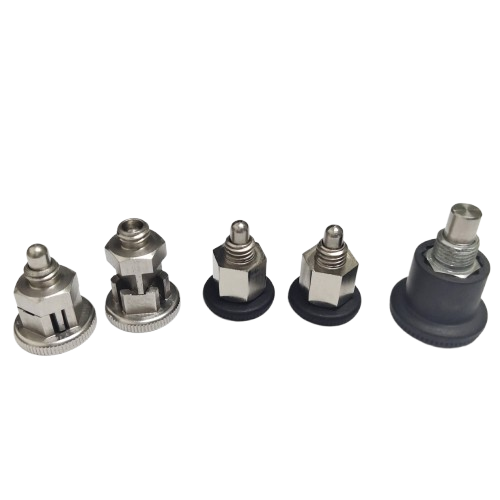
Explore the application of stainless steel materials for customizing mini indexing plungers based on specific operational environments and suitable spaces.
How To Make A Mini Indexing Plunger
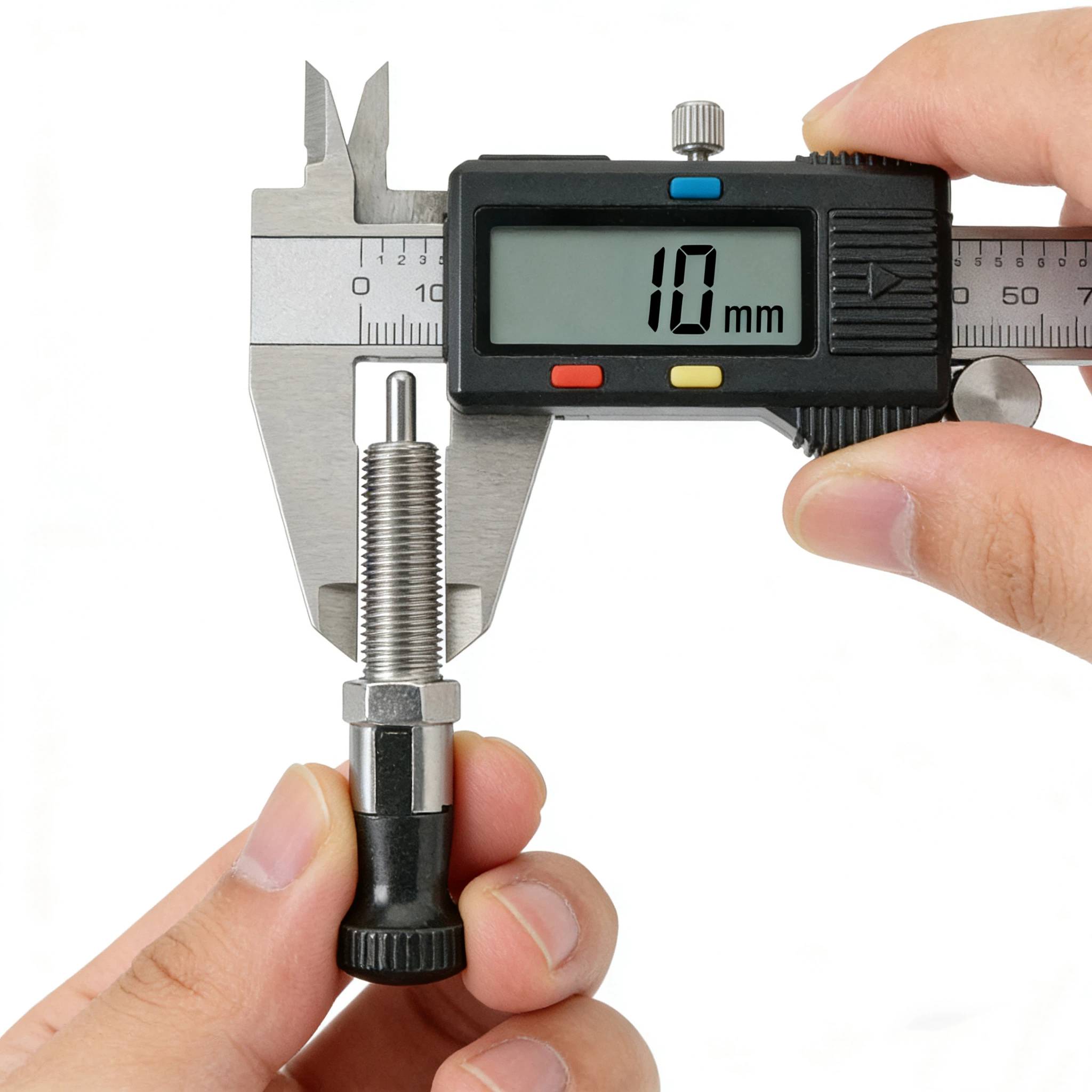
Discover how to choose correct size for indexing elements with confidence. Get precise recommendations that improve positioning accuracy, durability, and overall system performance.
How To Choose Correct Size For Indexing Elements