What Is Brass
What Is Brass – Precision Engineering with Double Sided Spring Plunger
Brass, the timeless alloy of copper and zinc, is one of humanity’s earliest metallurgical discoveries. At Mocayo, we merge this classic material with modern precision manufacturing to create high-performance industrial components. This article explores the scientific foundation of what is brass and how it is perfectly applied in our advanced double sided spring plunger solutions.

The Metallurgical Nature of Brass
To truly understand what is brass, we must look into its precise alloy structure:
-
Zinc content typically ranges from 5% to 45%
-
C26000 (cartridge brass) vs. C36000 (free-cutting brass) for varied machining needs
-
Trace elements subtly enhance mechanical strength and performance
Key Physical Advantages of Brass
-
High thermal conductivity: up to 109 W/(m·K), nearly double that of steel
-
Naturally antimicrobial properties, tested under ISO22196
-
Superior machinability with a rating of 100% for C36000
Surface Treatment Capabilities
Mocayo enhances brass components through expert finishing techniques:
-
Mirror polishing down to Ra 0.05μm
-
Optional coatings: nickel, chrome, tin
-
Oxidation prevention via advanced passivation
Mocayo Material Lab Insight: A better understanding of what is brass helps extend product life by up to 3 times.
Brass in Today’s Precision Manufacturing
Brass continues to prove its value in high-precision applications. Mocayo’s engineering team showcases how this “universal metal” drives performance across industries.
Benefits of Brass in Industrial Use:
-
Self-lubricating to reduce friction and wear
-
Effective electromagnetic shielding
-
Excellent resistance to saltwater corrosion
Brass Machining Best Practices:
-
Ideal cutting speed: 60–150 m/min
-
Feed rate: 0.05–0.2 mm/rev
-
Specialized tool geometry ensures clean cuts
Brass Selection Guidelines:
-
C37700 for bathroom and sanitary fittings
-
C26000 for electrical terminals and contacts
-
C36000 for high-precision machined parts
Access over 200 brass machining solutions in the Mocayo case library.
Mocayo’s Double Sided Spring Plunger – Brass Precision in Action
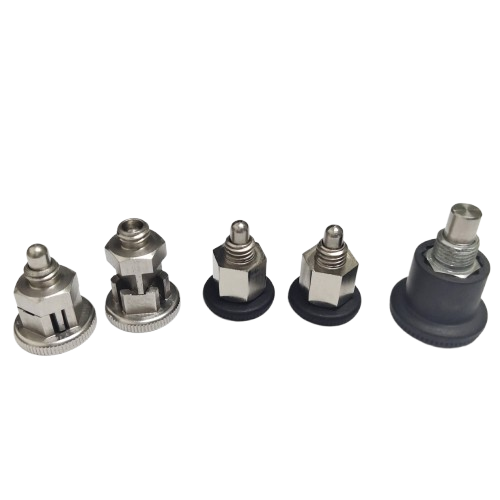
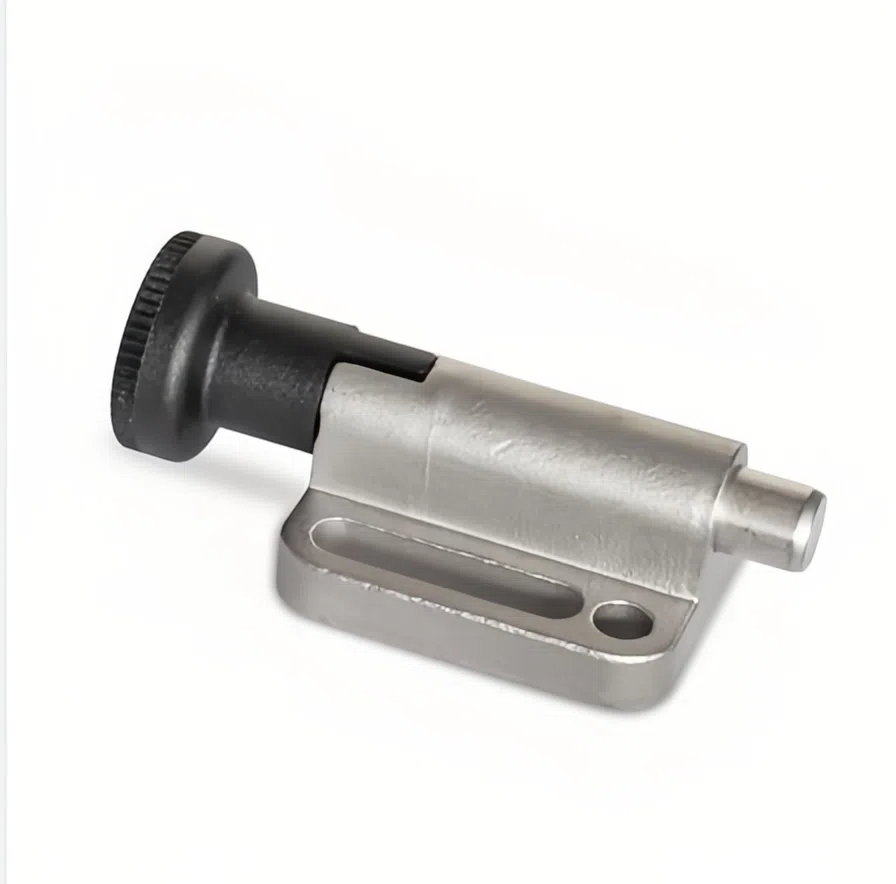
In our product lineup, the double sided spring plunger reflects our expertise in working with brass materials.

[Material Excellence]
-
Made from C3604 leaded brass
-
Zinc content strictly controlled between 35.5%–36.5%
-
Lead content maintained at 1.8%–2.0% for optimal machinability
[Precision Manufacturing Process]
-
Swiss-type CNC turning for one-pass machining
-
Tolerances controlled within ±0.01 mm
-
Deburring through vibration polishing
-
Triple-cleaning process ensures chip-free results
[Quality Control Measures]
-
48-hour salt spray resistance with no rust
-
Less than 5% spring force loss after 100,000 cycles
-
Material certification provided for every production batch
Application Recommendations by Engineers
-
General Industrial Use – Nickel-plated standard version (MO-200 Series)
-
Food Machinery – Natural polished version (MO-200F Series)
-
Heavy Load Environments – Reinforced type (MO-200P Series)
Why Choose Mocayo Brass Components?
-
Traceable raw material supply chain
-
72-hour rapid prototyping
-
Free technical support on material selection
-
Professional engineer assistance throughout the project
Brass is not just a traditional metal. Understanding what is brass is key to unlocking its potential in modern precision parts. At Mocayo, our double sided spring plunger represents the perfect union of heritage materials and future-ready performance. Find out what is brass and why this alloy is favored in industries worldwide. Brass offers a perfect balance of durability, corrosion resistance, and aesthetic appeal
What Does Cnc Stand For In Machining-Machine Cnc Parts
Does Brass Tarnish-Double Sided Spring Plunger
Related Article