What Is Cam Plunger
What Is Cam Plunger?
Understanding Its Role in Modern Engineering
In modern mechanical design and automation systems, cam plungers play an essential role. As efficient and reliable devices for positioning and locking, they are widely used in automation equipment, CNC machines, and indexing systems. This article answers the question "What Is Cam Plunger" in detail by exploring its core functions, design features, and highlighting Mocayo’s Cam Action Indexing Plunger products—helping engineers and buyers make informed decisions for selection and application.
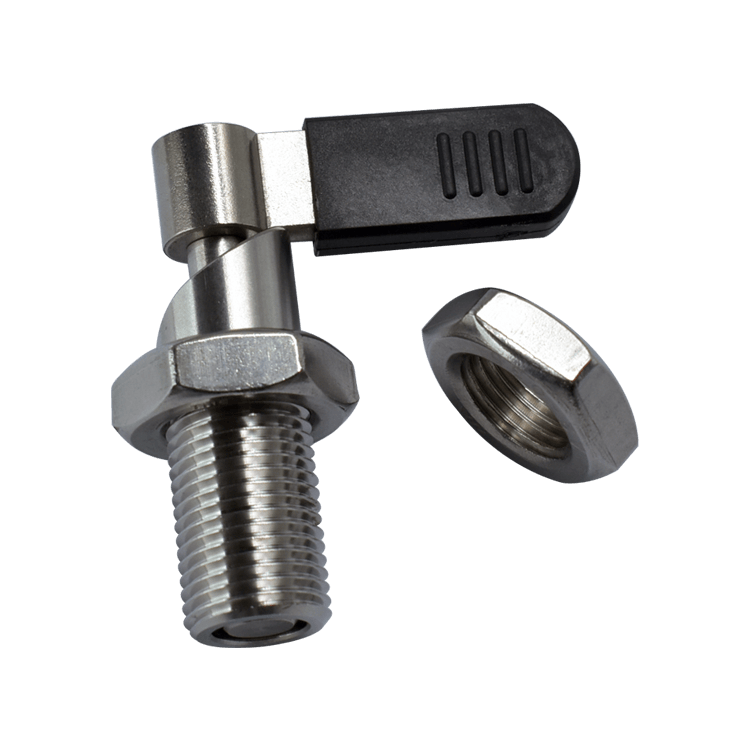
What Is Cam Plunger – The Core of Precision Positioning
A cam plunger is a mechanical component that uses a cam-driven mechanism to achieve precise positioning or secure locking. Its core functionalities include indexing, motion locking, and load support. The operating principle of a cam plunger relies on the interaction between a specially contoured cam and a contact surface, enabling it to maintain high positioning accuracy under high-speed or heavy-load conditions.
Definition and Key Functions
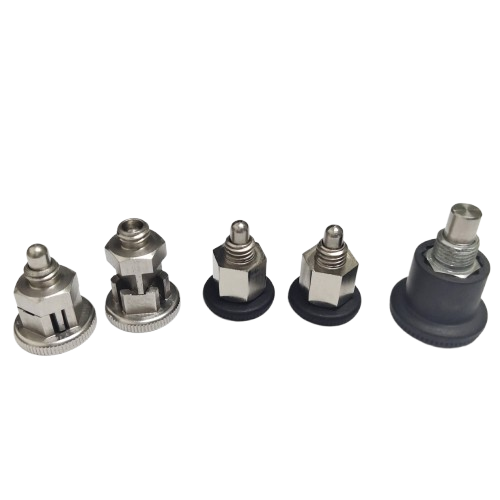
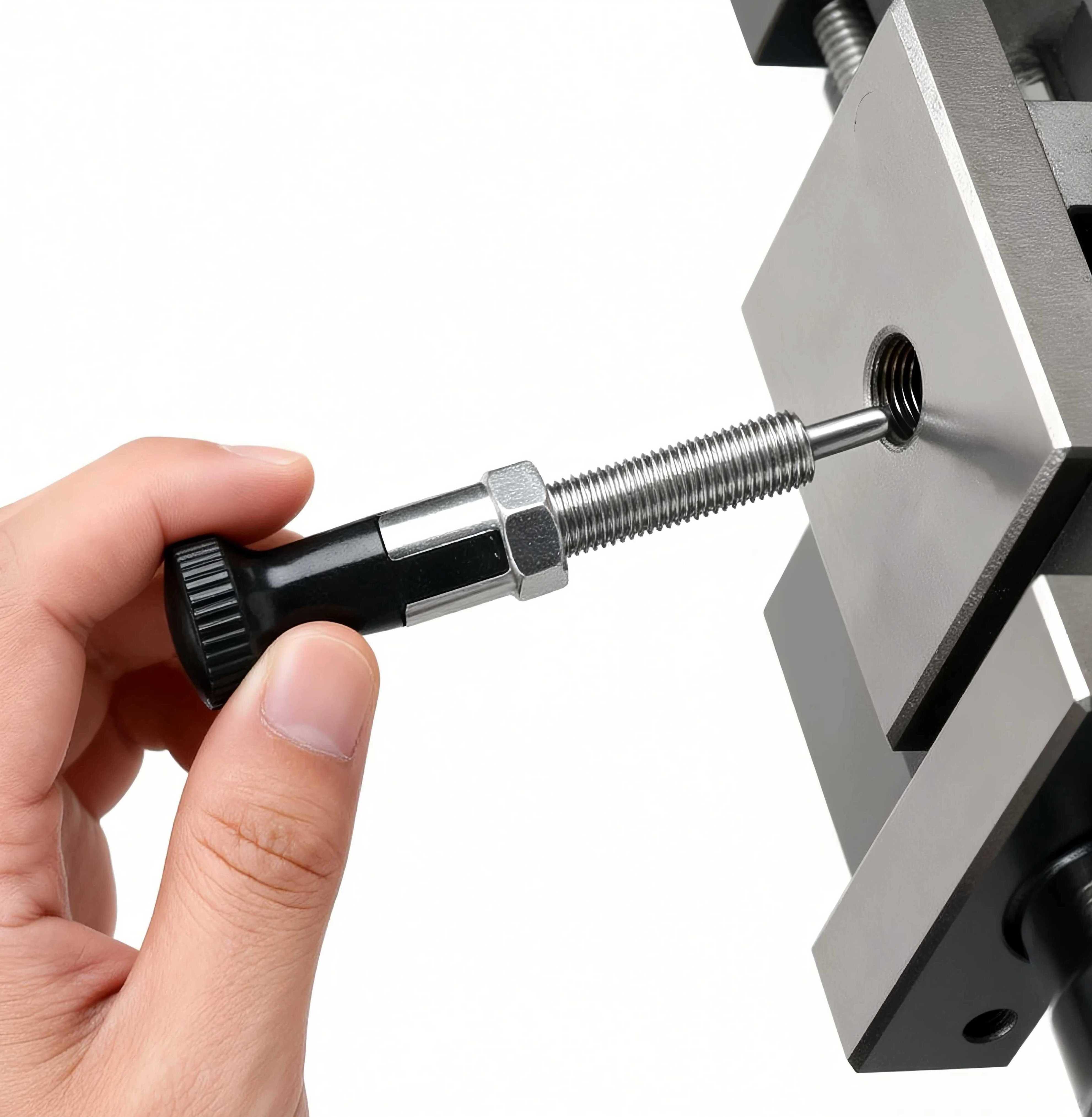
So, what is cam plunger from a functional perspective? Typically, a cam plunger consists of a cam shaft, a plunger head, and a return spring. When the cam rotates or moves, it drives the plunger to extend or retract, thereby achieving precise mechanical positioning or locking. For example, in automated assembly lines, cam plungers enable rapid station switching, while in CNC machines, they ensure repeatable tool positioning with high accuracy.
Common Types and Categories
Cam plungers can be classified by drive method:
-
Spring-return: The most common type due to its simple structure and low cost
-
Hydraulic or pneumatic-driven types for advanced applications
They are also divided by motion type into:
-
Linear cam plungers for straight-line motion
-
Rotary cam plungers for indexing tables or rotary platforms
Mocayo offers a wide variety of cam plunger models, covering diverse industrial needs and ensuring long service life and dependable operation.
Key Design Elements of Cam Plungers – Ensuring High Performance
The performance of a cam plunger directly impacts the stability and accuracy of mechanical systems. Therefore, understanding its material composition, structural design, and key parameters is critical during product selection.
Core Design Considerations
-
Optimized cam profiles: Involute or logarithmic spiral designs reduce contact stress and enhance wear resistance.
-
Material choices: Plunger heads are made from hardened steel or tungsten carbide to withstand impact; bodies often use aluminum or stainless steel for lightweight and corrosion resistance.
Key Performance Metrics
-
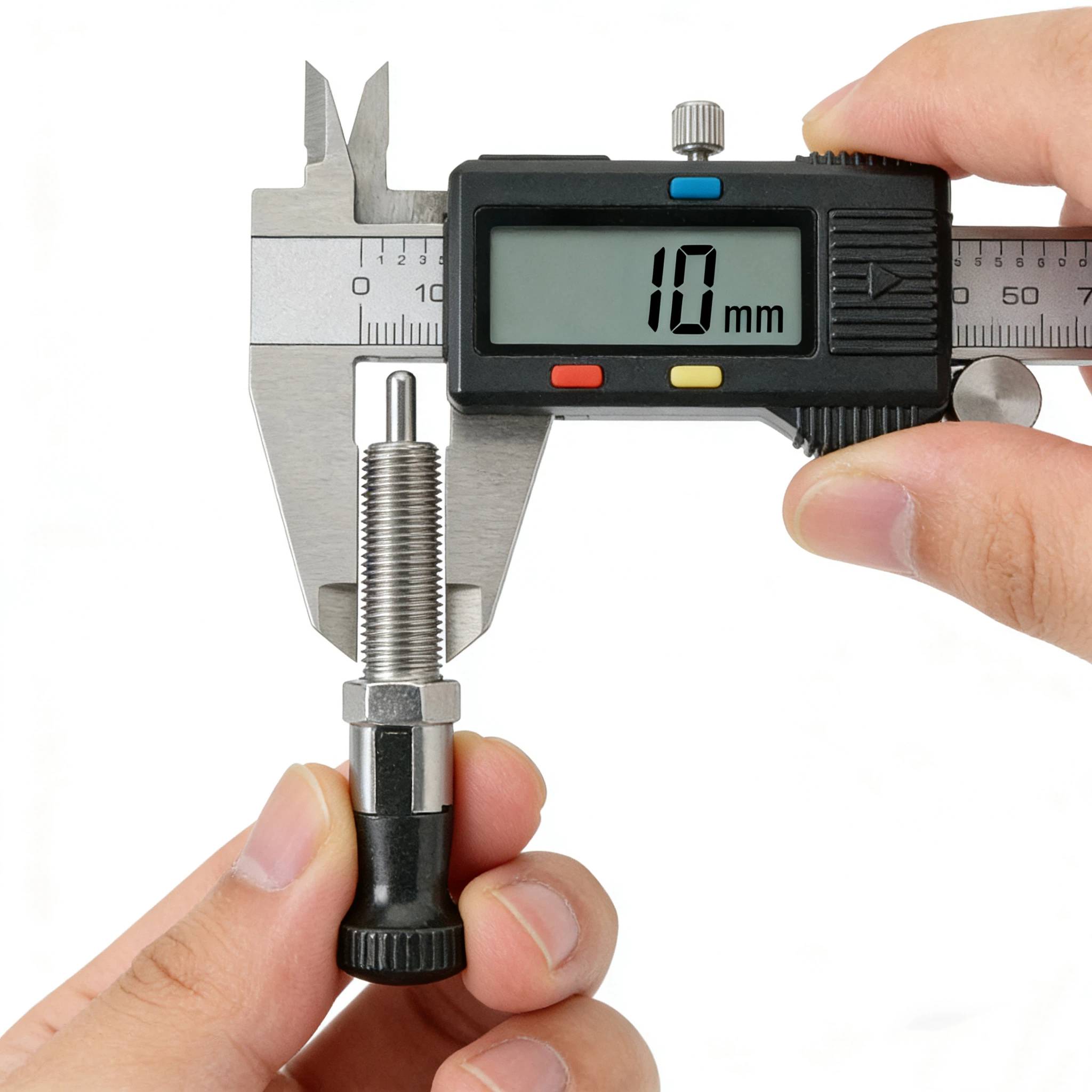
Load capacity: Determines whether the cam plunger can handle the operational forces. Mocayo cam plungers support axial loads from 500N to 5000N.
-
Repeatable accuracy: High-end models offer precision up to ±0.01mm—ideal for precision manufacturing.
-
Environmental adaptability: Some models meet IP67 standards, suitable for oily, dusty, or humid environments.
Mocayo’s cam plunger products are fatigue-tested and validated for long-term use under heavy-duty conditions.
Mocayo Cam Action Indexing Plunger – High-Precision Indexing Redefined
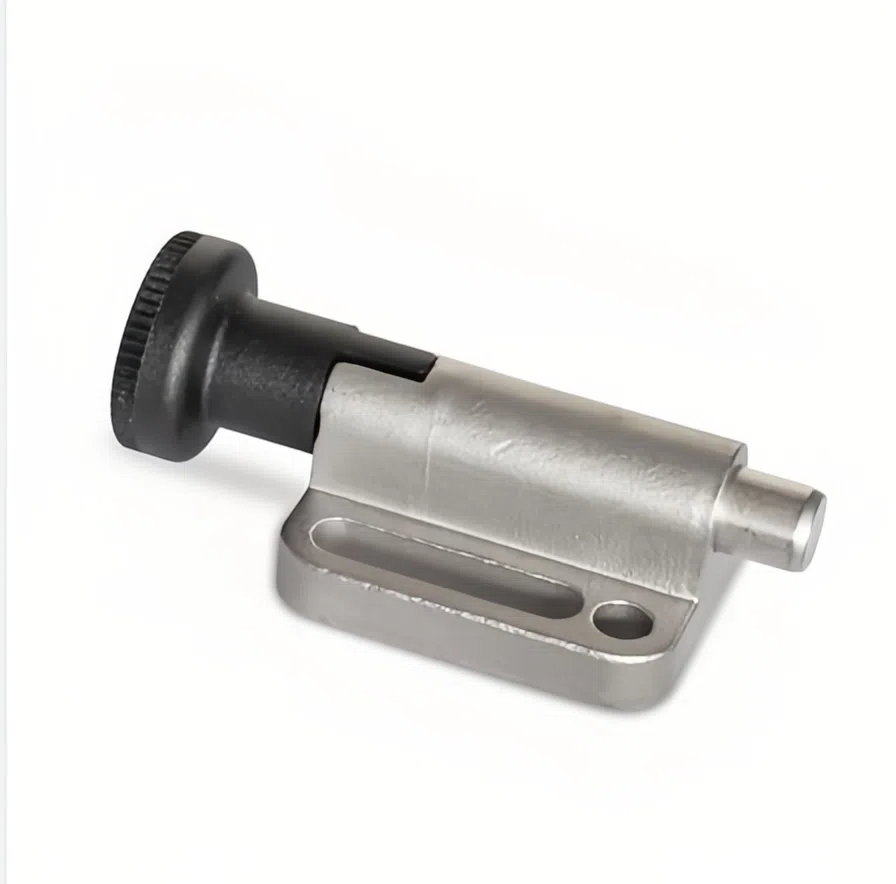
Among all cam plunger products, Mocayo’s Cam Action Indexing Plunger stands out for its precision, rapid response, and low wear. It’s the ideal solution for modern automation systems.


Product Highlights and Innovations
-
Indexing technology: Precision cam-driven action ensures consistent indexing with minimal cumulative error.
-
Low-friction design: Special surface treatments reduce wear and extend service life.
-
High-speed response: Ideal for fast indexing tables—can complete positioning in milliseconds, improving productivity.
Application Scenarios
-
Automation indexing tables: Used in CNC rotary tables and laser cutting machines for accurate station switching.
-
Robotic joint locking: Provides stable position-holding in collaborative robots.
Mocayo’s Cam Action Indexing Plunger has been successfully applied in automotive manufacturing, electronics assembly, and precision machining—helping customers enhance performance while reducing maintenance costs.
Selection and Maintenance – Maximizing the Value of Cam Plungers
Proper selection and maintenance of a cam plunger significantly increase its service life and ensure stable system performance.
How to Select the Right Cam Plunger?
-
Load matching: Choose a model that fits the maximum axial/radial forces of your equipment.
-
Movement frequency: For high-cycle use, select low-wear and highly durable plungers, like Mocayo’s chrome-plated or ceramic-coated versions.
-
Mounting compatibility: Confirm thread sizes and mounting dimensions match your setup.
Maintenance and Troubleshooting Tips
-
Regular lubrication: Use high-temp grease to minimize friction; inspect every 500 hours.
-
Wear monitoring: If you notice positioning errors or jamming, check or replace the plunger head and adjust the cam gap.
Mocayo provides technical support to assist customers in choosing the right cam plunger and maintaining it properly—ensuring long-term, reliable equipment operation.
What is cam plunger? It’s more than just a mechanical part—it’s the key to precision, reliability, and performance in automated machinery. Whether you’re optimizing a CNC machine, designing a robotic arm, or building indexing tables, choosing the right cam plunger is essential. With advanced engineering, robust materials, and innovative designs, Mocayo offers industry-leading solutions to meet your needs. Looking for a cam plunger? Explore Mocayo’s range designed for precision, durability, and smooth operation in automated machinery.
For industrial engineers, technicians, and procurement professionals, understanding what is cam plunger empowers smarter choices—and better machines.
Do Magnets Stick to Aluminum
Quick Release Locking Mechanism
Related Article