What Is Cnc Engineering
author: Lucia Liu
2025-09-01
What Is Cnc Engineering
In today's technology-driven industrial era, a revolutionary technology is quietly transforming the landscape of manufacturing. From aerospace to consumer electronics, from medical devices to automotive production, countless precision components rely on this technology for their creation. So, what is CNC engineering? How has it become the cornerstone of modern manufacturing? This article will delve into this critical technology, focusing on the vital applications of CNC aluminum parts across various industries. Understand what is CNC engineering and choose CNC aluminum parts for superior performance.

The Core Essence of CNC Engineering
To truly grasp what CNC engineering entails, one must first understand its fundamental concepts. CNC (Computer Numerical Control) is a technological system that employs pre-programmed computer software to control machining equipment. Compared to traditional manual operations, CNC engineering achieves complete automation and digitization of the production process, ensuring high consistency and precision in products.
To truly grasp what CNC engineering entails, one must first understand its fundamental concepts. CNC (Computer Numerical Control) is a technological system that employs pre-programmed computer software to control machining equipment. Compared to traditional manual operations, CNC engineering achieves complete automation and digitization of the production process, ensuring high consistency and precision in products.
The CNC engineering workflow comprises three critical stages. First is the design phase, where engineers use CAD software to create three-dimensional digital models of the product. Next comes the programming phase, where CAM software translates the design into executable instruction codes for the machine tool. Finally, the machining phase occurs, during which CNC equipment automatically performs cutting, drilling, milling, and other machining operations according to the instructions. This automated process not only enhances production efficiency but also guarantees consistent product quality.
What is the value of CNC engineering in practical applications? Let's explore this through several industry case studies.
In aerospace, CNC aluminum parts play an irreplaceable role. Critical components like aircraft structural elements, engine parts, and avionics housing require exceptional precision and reliability. CNC-engineered aluminum alloy parts not only meet stringent performance standards but also deliver significant weight reduction, contributing substantially to improved fuel efficiency.
In aerospace, CNC aluminum parts play an irreplaceable role. Critical components like aircraft structural elements, engine parts, and avionics housing require exceptional precision and reliability. CNC-engineered aluminum alloy parts not only meet stringent performance standards but also deliver significant weight reduction, contributing substantially to improved fuel efficiency.
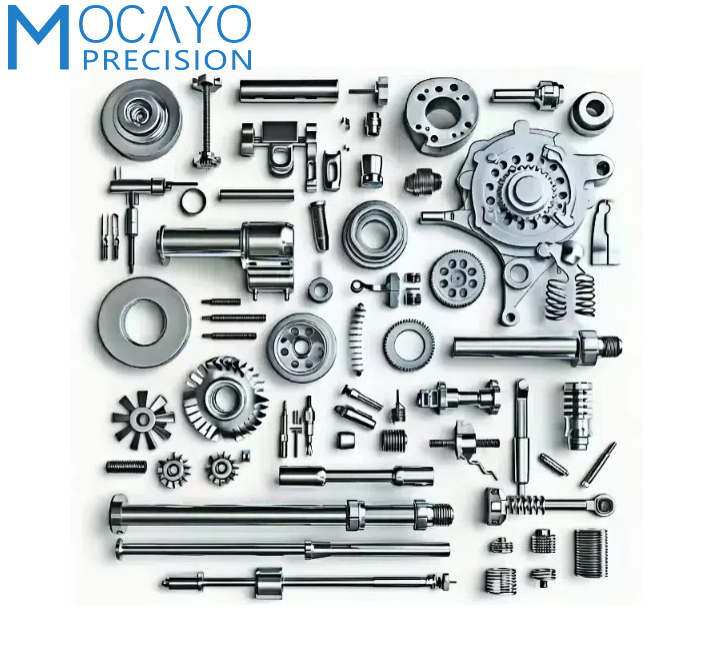
The automotive industry also extensively utilizes CNC aluminum parts. With the rapid development of new energy vehicles, demands for lightweight construction and superior thermal management continue to rise. CNC-machined aluminum alloy battery trays, motor housings, and thermal system components effectively meet these needs. Additionally, in traditional automotive manufacturing, CNC machining is widely adopted for engine components, transmission system parts, and suspension system components.
The electronics industry represents another vital application domain for CNC aluminum parts. High-performance computing equipment, communication base stations, and consumer electronics all require precise thermal management solutions. Aluminum alloy heat sinks engineered through CNC machining not only exhibit excellent thermal conductivity but also enable complex three-dimensional structural designs, substantially enhancing heat dissipation efficiency.
When we delve into what CNC engineering entails, it becomes evident that this technology is undergoing continuous evolution and advancement. The emergence of new materials and processes presents both opportunities and challenges for CNC machining. Particularly in the field of CNC aluminum parts processing, ongoing innovations in aluminum alloy materials and continuous progress in machining techniques will inevitably lead to more high-performance, high-precision application solutions in the future.
Hardware Material List
Metal CNC Machining
Related Article
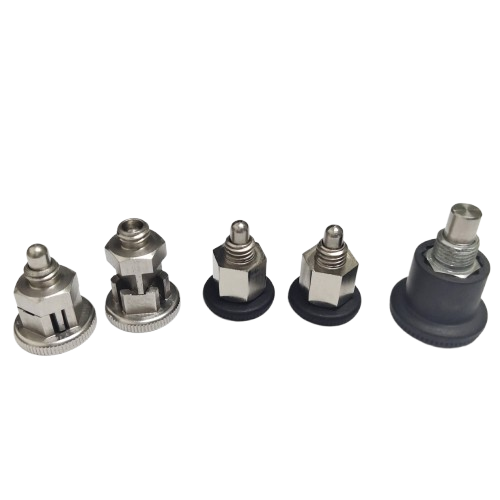
Explore the application of stainless steel materials for customizing mini indexing plungers based on specific operational environments and suitable spaces.
How To Make A Mini Indexing Plunger
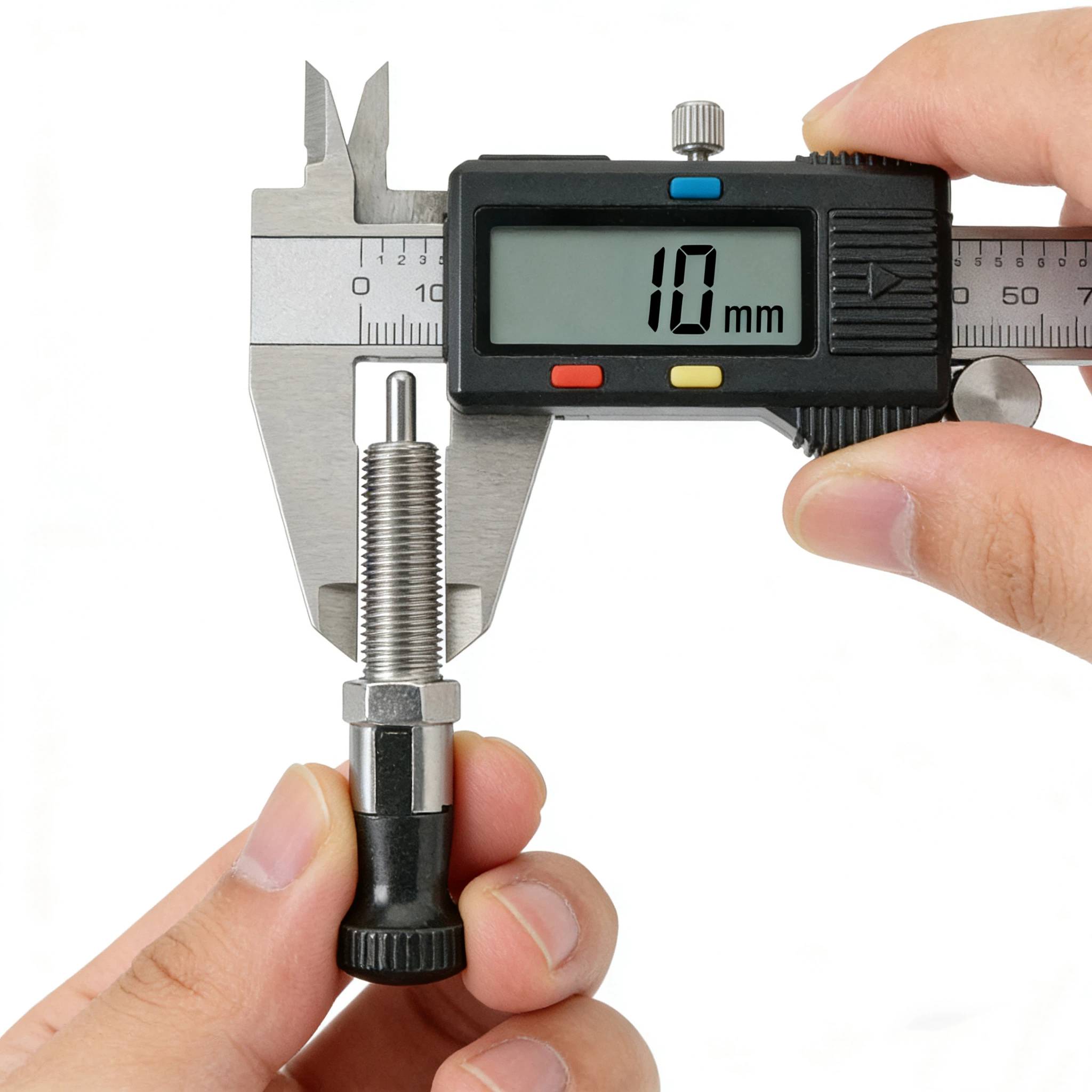
Discover how to choose correct size for indexing elements with confidence. Get precise recommendations that improve positioning accuracy, durability, and overall system performance.
How To Choose Correct Size For Indexing Elements