What Is Cnc In Engineering
author: Lucia Liu
2025-09-20
Contents
Table of Contents
What Is Cnc In Engineering
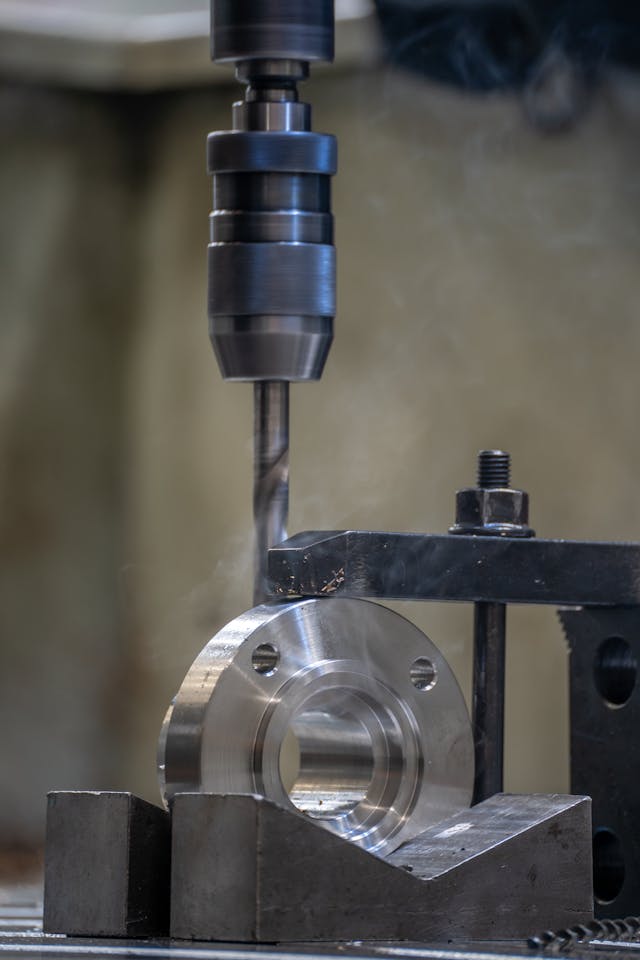
Literally interpreted, CNC stands for “Computer Numerical Control.” Engineers input designed 3D drawings or machining requirements into CNC equipment by writing numerical control programs. The machine tools then perform processes like cutting, drilling, and milling according to pre-set paths and parameters. Understanding what CNC is in engineering hinges on recognizing it as not merely automated machinery, but a “digital production model.” Through the deep integration of computers and machinery, it achieves seamless transition from design to finished product.
Compared to traditional manual machining, CNC excels in stability and repeatability. Even for complex components, CNC equipment achieves batch production through precise numerical control, enabling micron-level machining accuracy. This makes CNC the ideal solution for enhancing efficiency and quality in engineering manufacturing.
To gain a comprehensive understanding of what CNC entails in engineering, we must familiarize ourselves with common CNC equipment.
- CNC Milling Machines: Used for cutting and shaping, enabling high-precision machining of flat, curved, and irregularly shaped parts.
- CNC Lathe: Excels at efficient machining of cylindrical or conical parts.
- CNC Laser Cutter: Utilizes high-energy laser beams for rapid cutting, suitable for both metal and plastic materials.
High Precision: Numerical control ensures extremely tight dimensional tolerances.
High Efficiency: A single programming cycle enables repeatable production of large quantities of parts.
Multi-Material Compatibility: Easily processes metals, plastics, and composite materials.
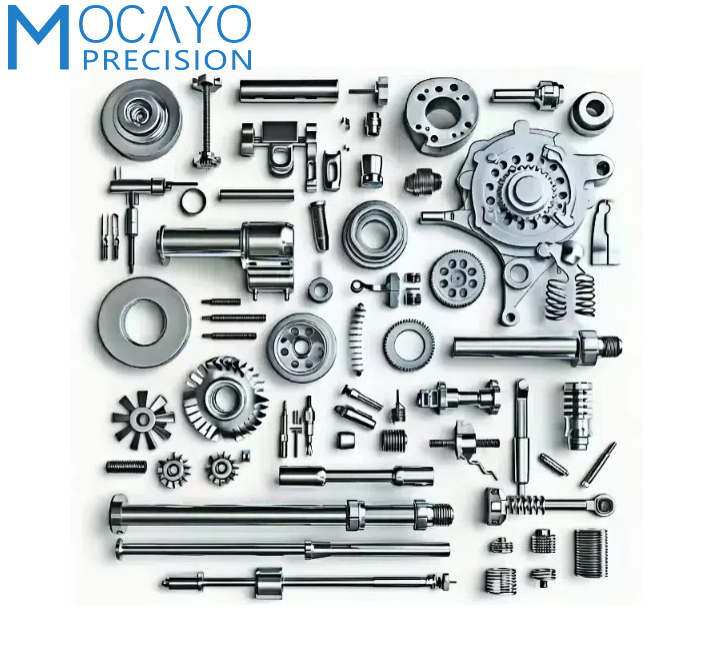
The first step in producing CNC machined parts is preparing the CNC program. Engineers generate machine-readable G-code using specialized software based on design drawings. These programs are then loaded into the CNC equipment. After the operator sets the material, cutting tools, and parameters, the machine automatically performs cutting, drilling, or milling operations. Human intervention is minimal throughout the process, significantly boosting production efficiency while minimizing human error.
This automated workflow perfectly demonstrates the advantages of CNC in engineering: Programmed operations ensure high consistency in part machining while shortening production cycles.
Globally, CNC machined parts find extensive applications across diverse sectors.
- Aerospace: Used to manufacture high-precision components such as engine turbine blades and airframe structural parts.
- Automotive Manufacturing: From engine components to precision gears, CNC machining is indispensable.
- Medical Devices: Surgical instruments and implantable medical devices demand extreme accuracy, making CNC the only viable solution.
- Electronics: Smartphone casings and computer chassis, along with internal structural components, are frequently produced through CNC precision machining.
The demand for CNC machined parts across these industries stands as the most compelling testament to the significance of CNC in engineering. Master what is CNC in engineering and gain access to advanced CNC machined parts that offer consistent quality, competitive pricing, and scalable manufacturing for any sector.
How Do You Start A Custom CNC Machining Project
Why Is There Such A Huge Price Gap In Online CNC Machining Services
Related Article
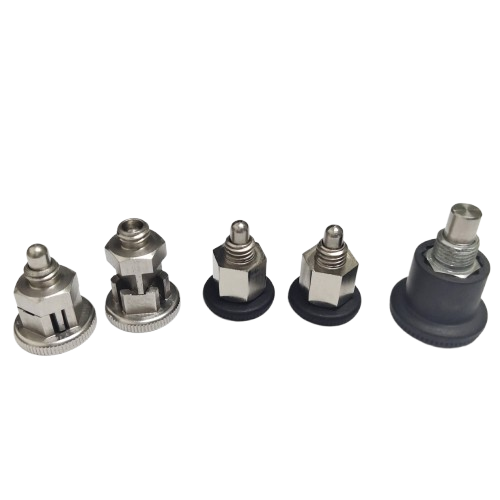
Explore the application of stainless steel materials for customizing mini indexing plungers based on specific operational environments and suitable spaces.
How To Make A Mini Indexing Plunger
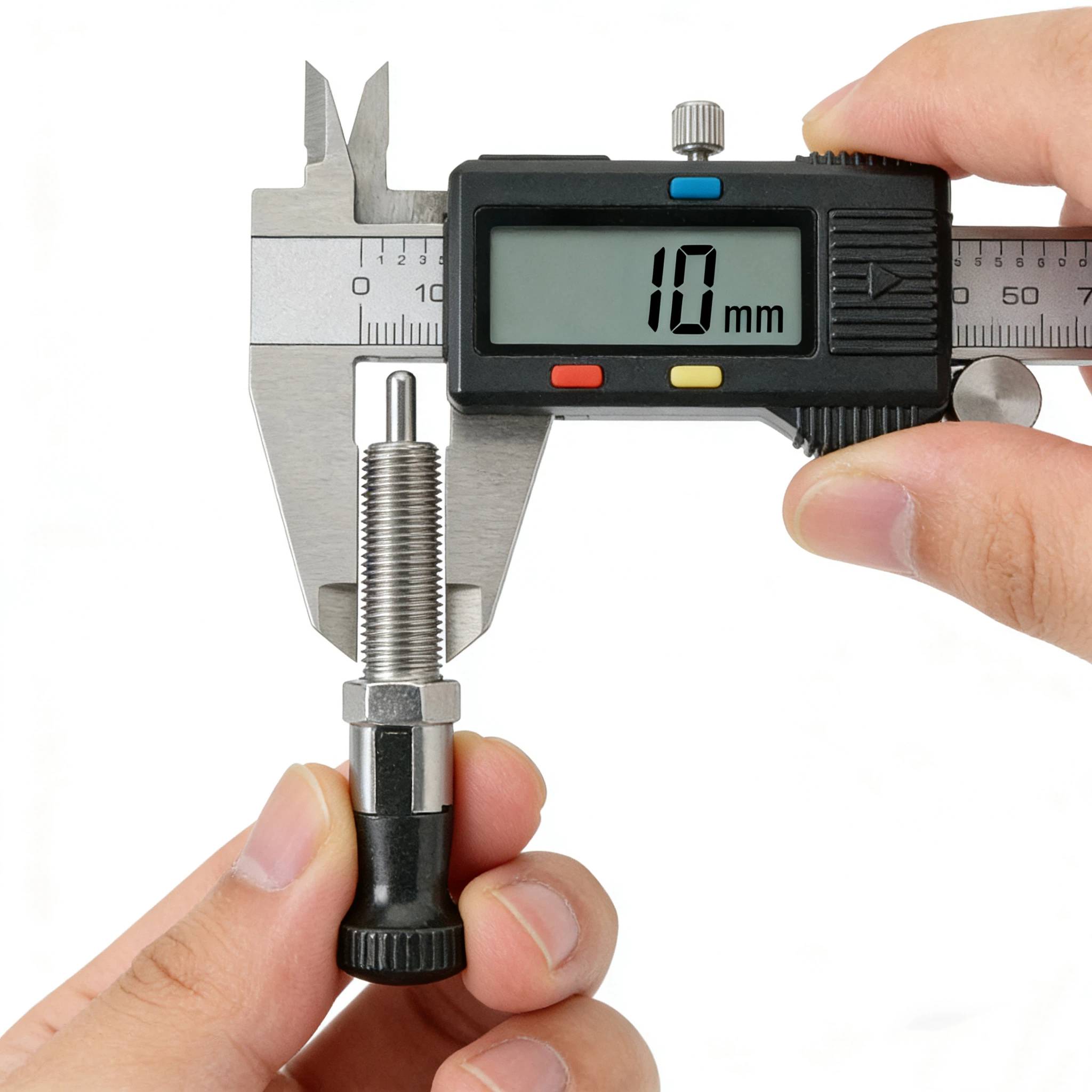
Discover how to choose correct size for indexing elements with confidence. Get precise recommendations that improve positioning accuracy, durability, and overall system performance.
How To Choose Correct Size For Indexing Elements