What Is Hardware - Understanding Metal Hardware
Understanding Metal Hardware
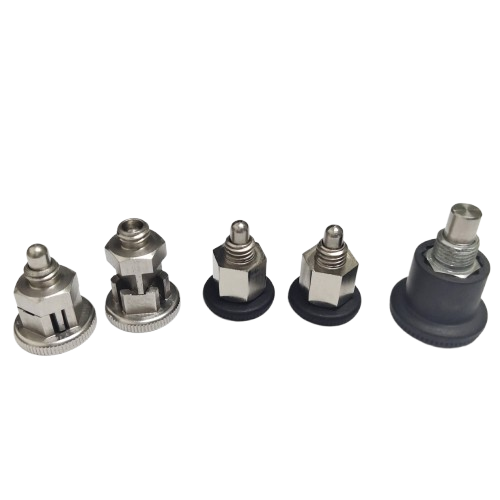
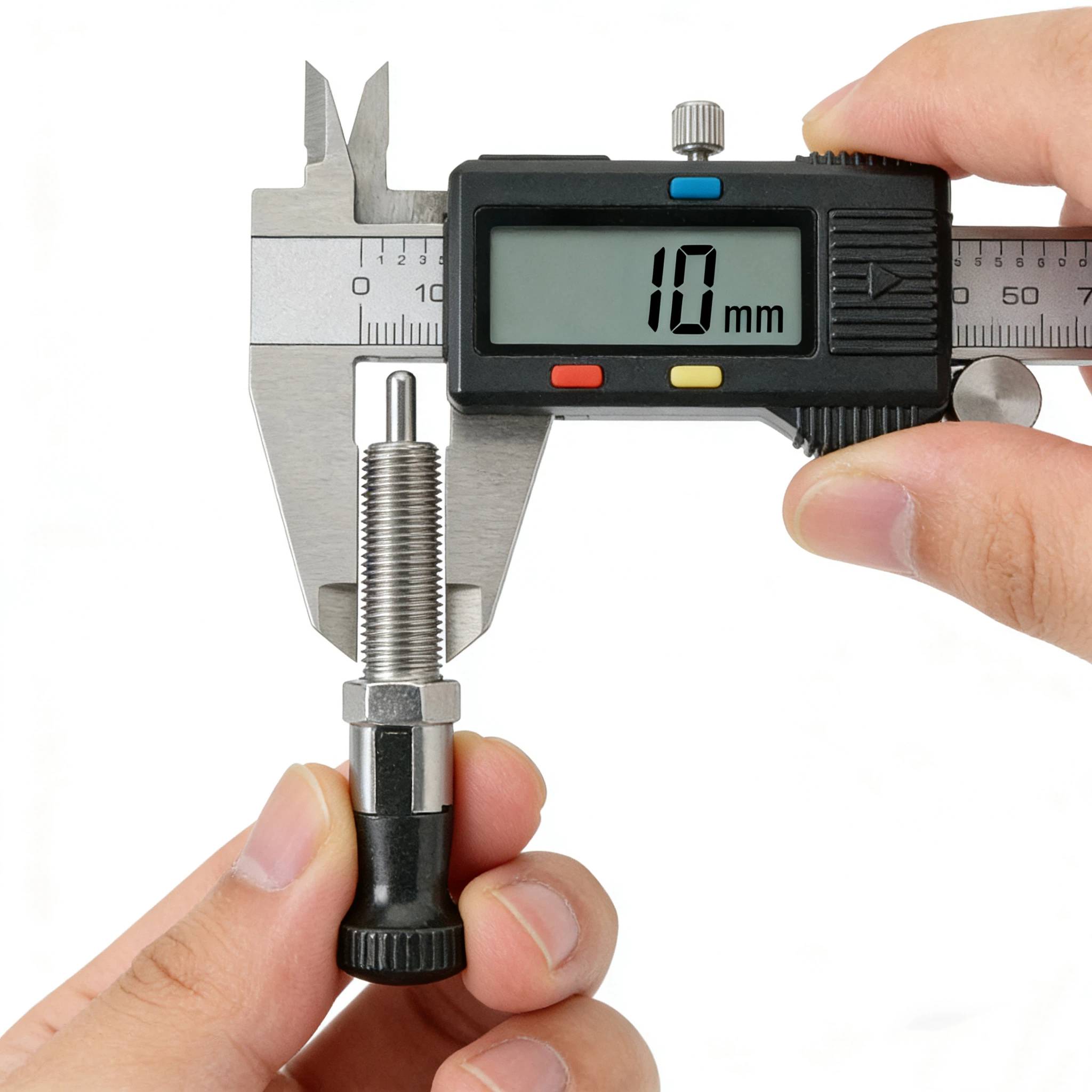
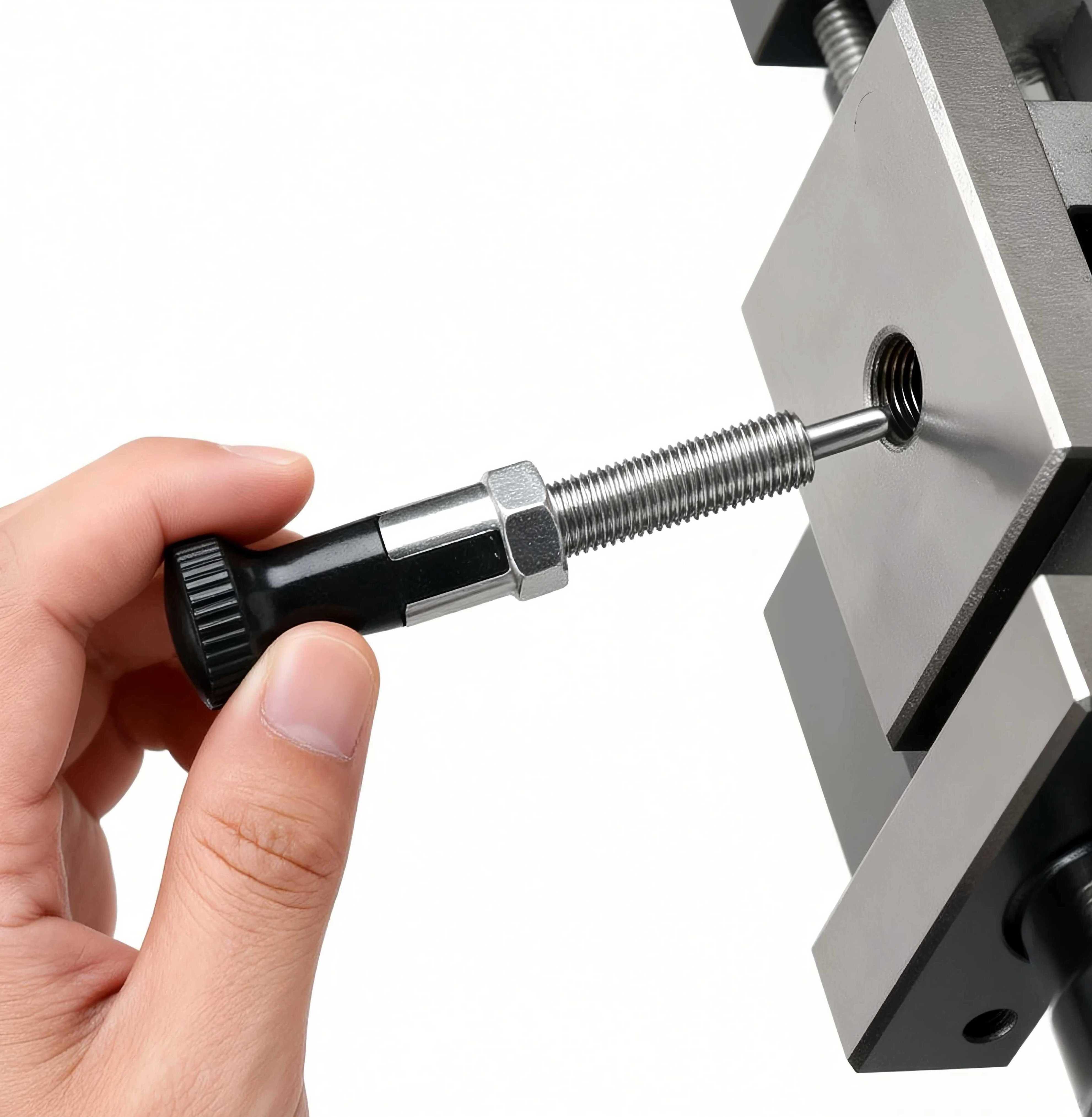
In the context of construction and manufacturing, "hardware" refers to the various metal tools, fasteners, and fittings essential for building, repairing, and maintaining structures and machinery. These components are integral to ensuring the functionality, safety, and longevity of various projects.

Categories of Metal Hardware
Metal hardware encompasses a wide range of items, primarily classified into the following categories:
-
Fasteners: Devices that mechanically join or affix two or more objects together. Common examples include:
- Nails: Sharp, slender pieces of metal driven into materials to hold them together.
- Screws: Threaded fasteners designed to be inserted into materials by turning, providing a secure hold.
- Bolts and Nuts: Paired fasteners where bolts, typically threaded rods, are secured in place using nuts.
- Washers: Thin plates with a hole, used to distribute the load of a threaded fastener.
-
Fittings and Fixtures: Metal components used to securely attach or support various elements within a structure. Examples include:
- Hinges: Allow doors, gates, or lids to pivot open and closed.
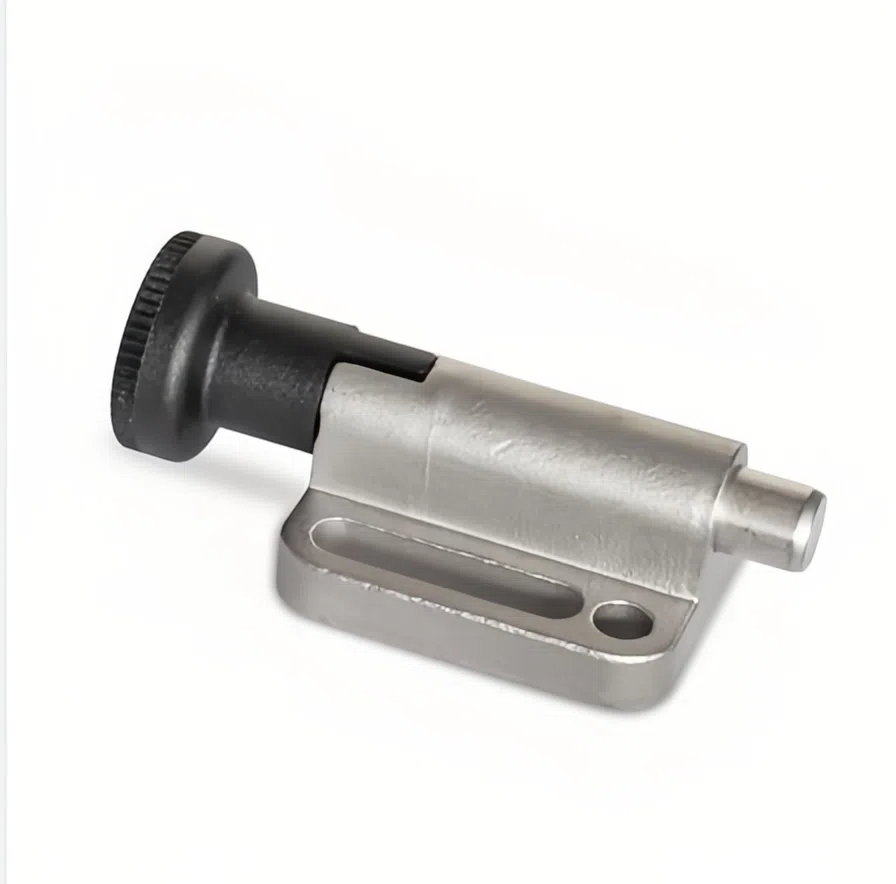
- Latches: Mechanisms used to fasten doors or gates, ensuring they remain closed until intentionally opened.
- Locks: Security devices preventing unauthorized access.
- Handles and Knobs: Provide a grip for opening or closing doors, drawers, and cabinets.
-
Tools: Instruments designed to perform specific tasks, especially in construction and repair. These include:
- Hammers: Used for driving nails or breaking objects.
- Wrenches: Provide grip and mechanical advantage in applying torque to turn objects.
- Screwdrivers: Designed to insert or remove screws.
- Pliers: Used for gripping, bending, or cutting materials.
Applications of Metal Hardware
Metal hardware plays a pivotal role in various sectors:
- Construction: Ensures the structural integrity of buildings through components like bolts, nails, and structural brackets.
- Furniture Making: Utilizes hinges, screws, and handles to assemble and enhance the functionality of furniture pieces.
- Automotive Industry: Employs specialized fasteners and fittings to assemble vehicles and secure components.
- Home Improvement: Involves the use of various tools and fixtures for repairs, installations, and upgrades.
Materials Used in Metal Hardware
The choice of material for metal hardware depends on factors like strength, corrosion resistance, and aesthetic appeal. Common materials include:
- Steel: Known for its strength and durability; often used in structural applications.
- Stainless Steel: Offers corrosion resistance, making it ideal for environments exposed to moisture.
- Brass: Valued for its corrosion resistance and aesthetic appeal; commonly used in decorative fittings.
- Aluminum: Lightweight and resistant to corrosion; used where weight is a concern.
Explore durable metal hardware and learn what hardware is—essential tools and components for construction, manufacturing, and DIY projects. Upgrade your toolkit today!
How To Level Up Metalworking Project
What Are Fasteners
Related Article