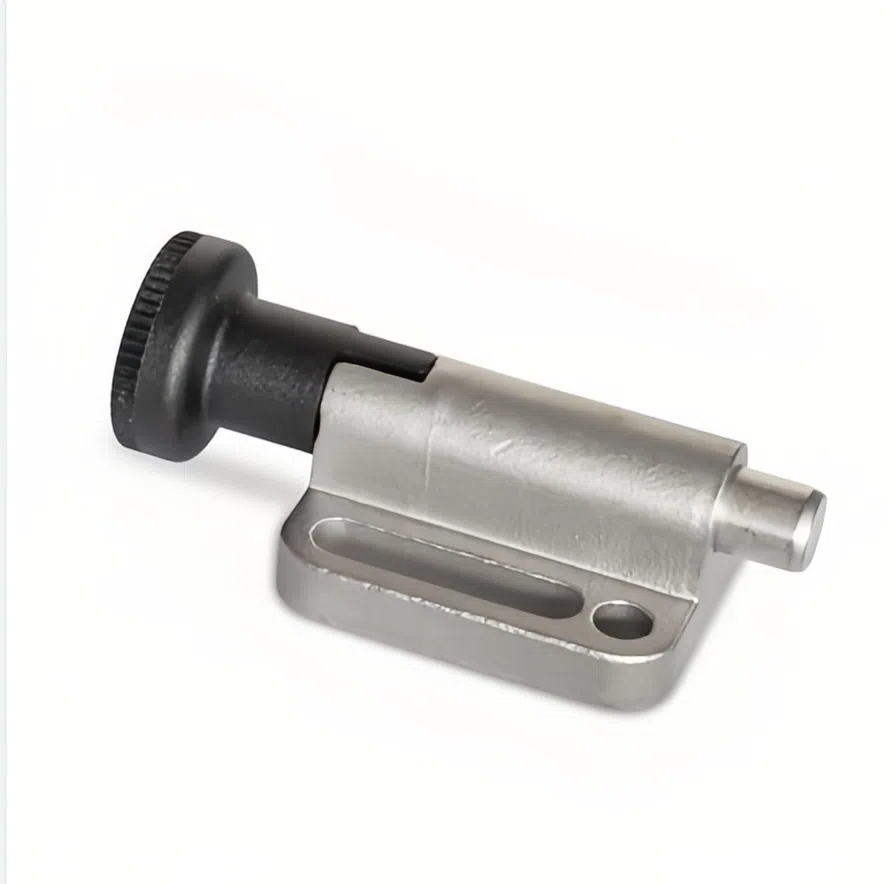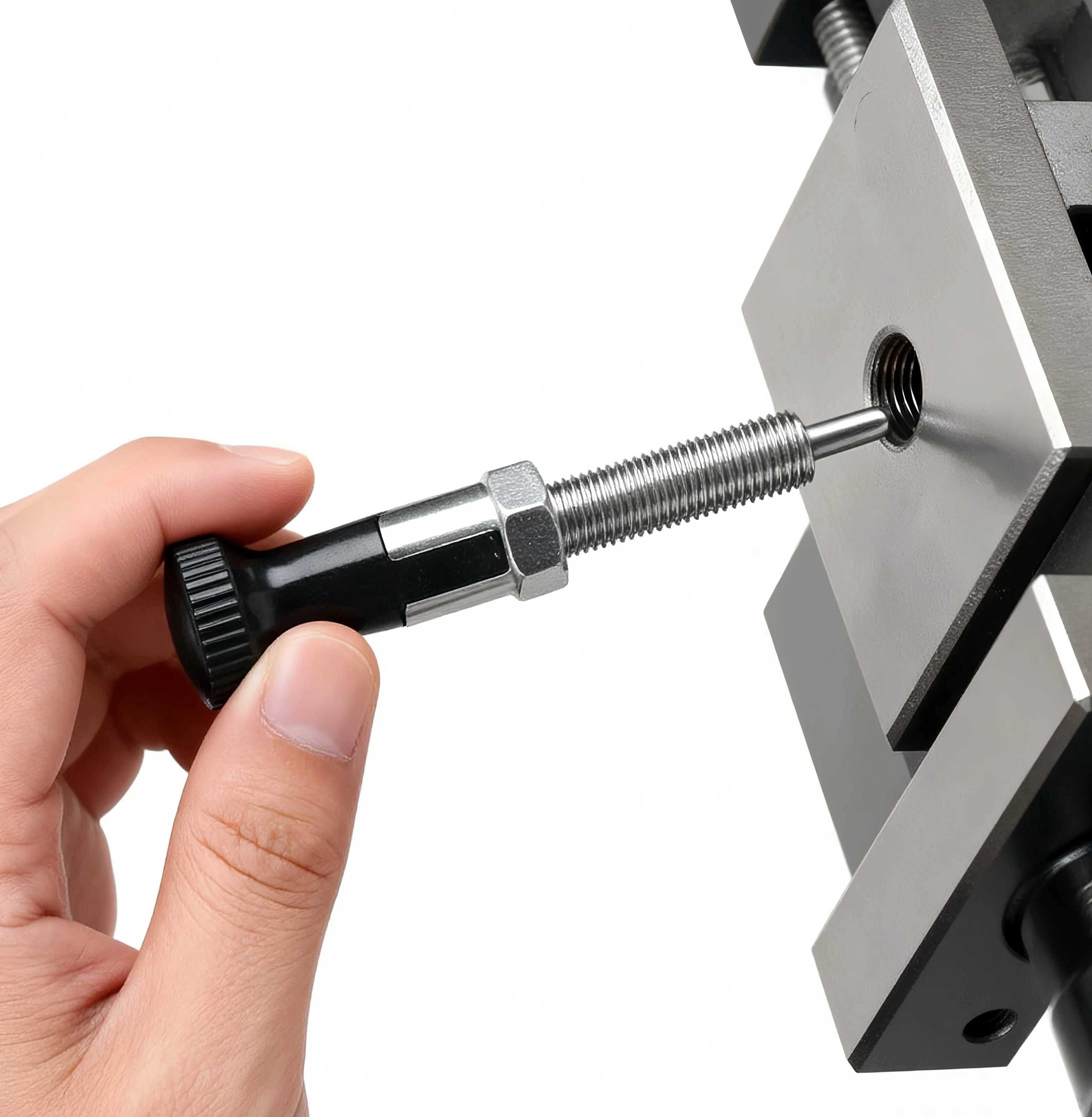
What Is Indexing Plunger With Horizontal Mounting Flange
author: Lucia Liu
2025-10-29
What Is Indexing Plunger With Horizontal Mounting Flange
The Indexing Plunger with Horizontal Mounting Flange has become the preferred choice for many equipment manufacturers due to its convenient installation method and reliable structural performance.
What Is an Indexing Plunger with Horizontal Mounting Flange? Simply put, this is a positioning pin design featuring a horizontal mounting flange. Compared to traditional straight-mount positioning pins, this type incorporates an additional flat flange structure, enabling more secure installation on horizontal surfaces or side structures of mechanical equipment.

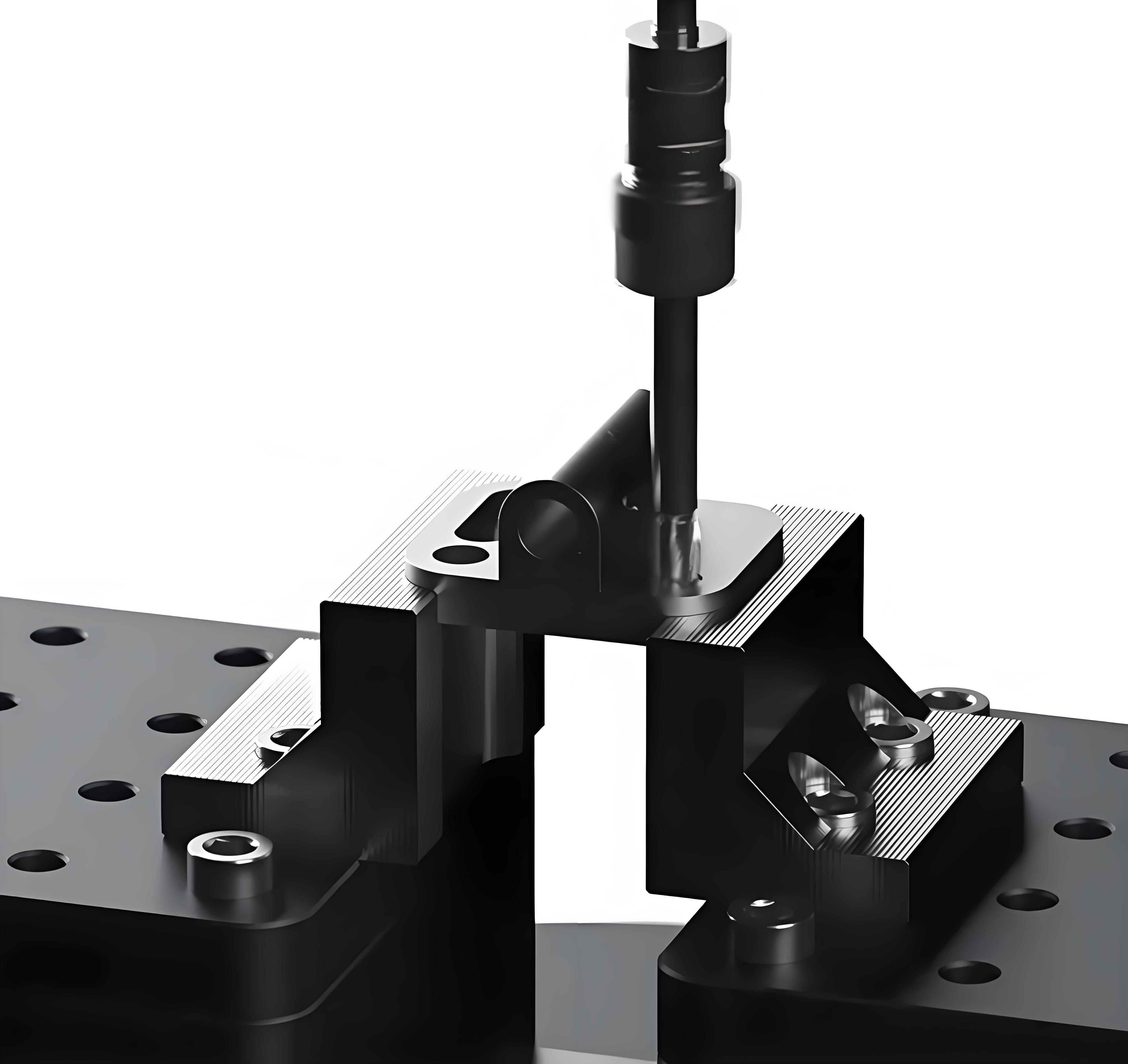
The advantages of this structure include:
- Enhanced overall stability through flange mounting;
- Adjustable mounting hole positions for easier alignment;
- Simplified maintenance and replacement.
- Adjustable mounting hole positions for easier alignment;
- Simplified maintenance and replacement.
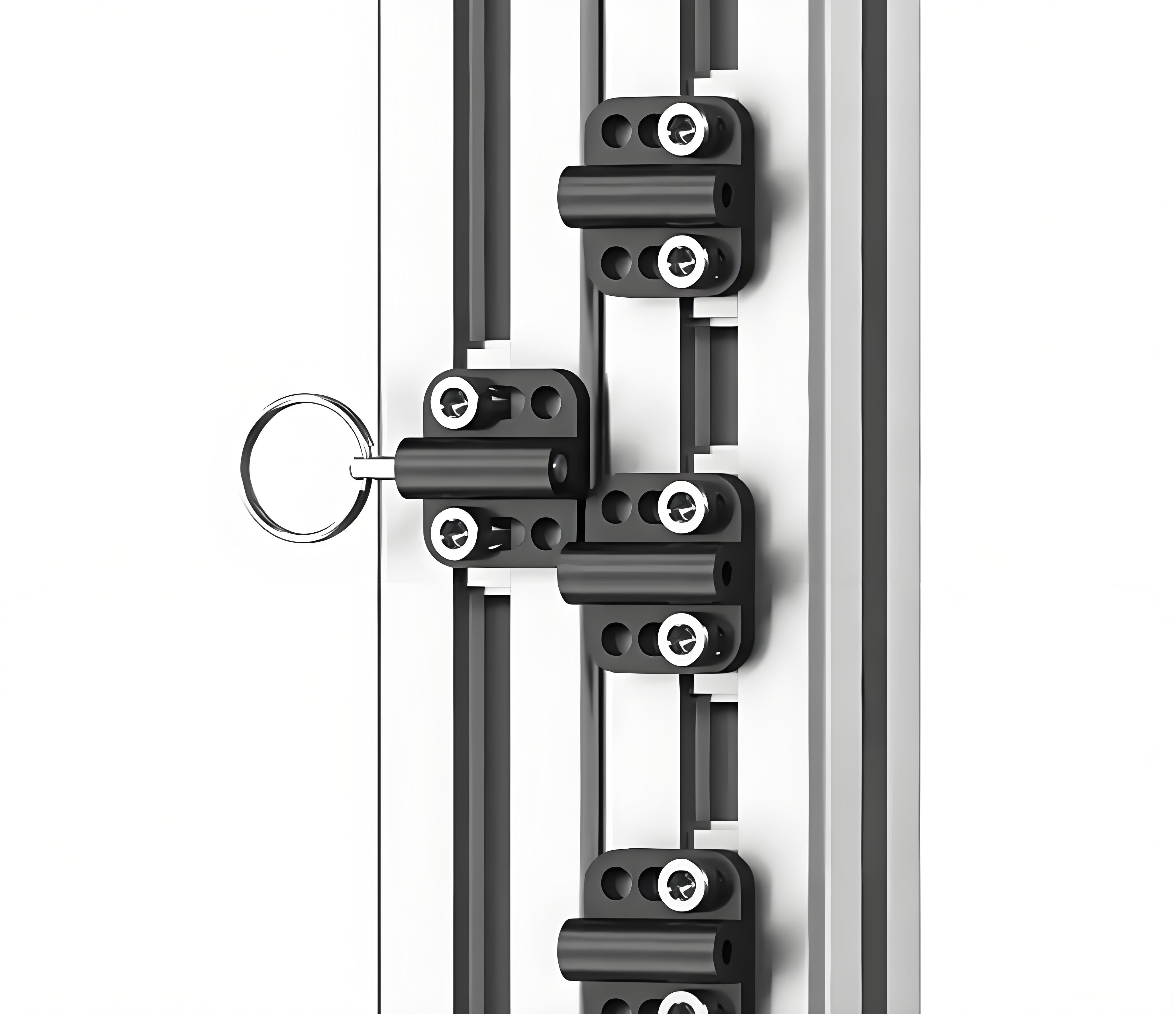
This design is particularly suitable for equipment structures with limited space or requiring side-mounted fixation. Examples include automated conveyor lines, sliding rails, and adjustable mechanical platforms, where such horizontal flange-equipped positioning elements are commonly used to achieve repeatable, precise positioning.
Regarding materials, precision component manufacturers like Mocayo typically select stainless steel for primary structural parts—such as the locating pin body and pin head—to ensure wear resistance and corrosion protection. Handle sections, however, are often crafted from plastic. This choice offers comfortable grip, excellent insulation properties, and lighter weight for easier operation.
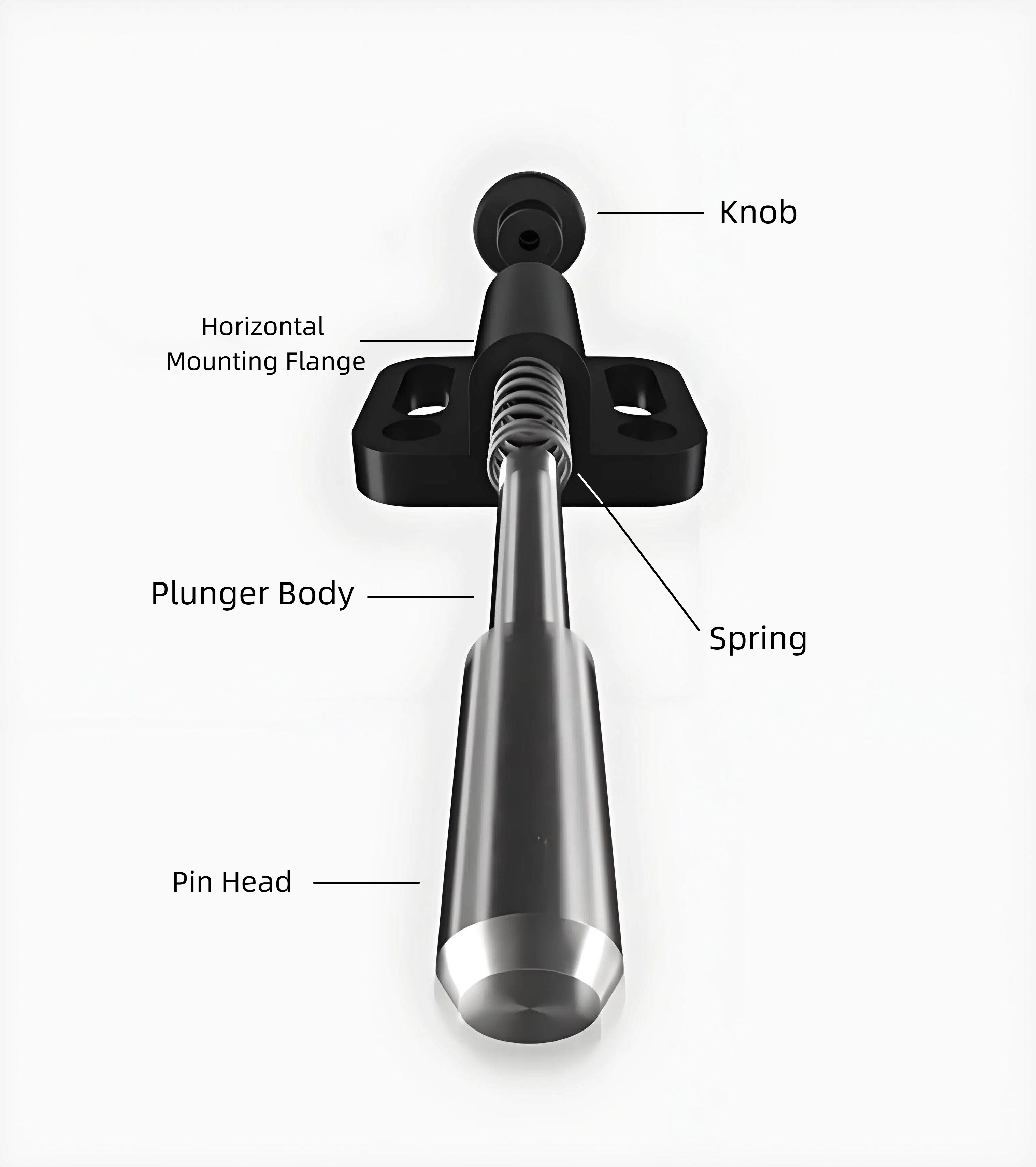
The Indexing Plunger with Horizontal Mounting Flange features a compact and scientifically designed structure, primarily composed of the following key components:
1.Plunger Body:
This serves as the main structural element, typically manufactured from high-strength stainless steel or carbon steel. Its function is to anchor the entire assembly and withstand radial and axial loads during operation.
This serves as the main structural element, typically manufactured from high-strength stainless steel or carbon steel. Its function is to anchor the entire assembly and withstand radial and axial loads during operation.
2.Pin Head:
The pin head directly engages the locating hole to achieve precise positioning. The stainless steel construction effectively prevents corrosion and wear, ensuring long-term stable operation.
The pin head directly engages the locating hole to achieve precise positioning. The stainless steel construction effectively prevents corrosion and wear, ensuring long-term stable operation.
3.Spring:
An internal high-strength spring provides automatic reset functionality, enabling the pin head to rapidly return to the locked position upon release.
An internal high-strength spring provides automatic reset functionality, enabling the pin head to rapidly return to the locked position upon release.
4.Knob:
The handle is crafted from durable plastic with an anti-slip design for effortless operation. Users can easily unlock or reposition the mechanism by simply pulling up or rotating the knob.
The handle is crafted from durable plastic with an anti-slip design for effortless operation. Users can easily unlock or reposition the mechanism by simply pulling up or rotating the knob.
5.Horizontal Mounting Flange:
The flange features mounting holes or elongated slots, allowing users to fine-tune and install the mechanism as needed. This design enhances the product's versatility and assembly flexibility.
The flange features mounting holes or elongated slots, allowing users to fine-tune and install the mechanism as needed. This design enhances the product's versatility and assembly flexibility.
Working Principle: Precision & Convenience
After learning about the What Is Indexing Plunger With Horizontal Mounting Flange, understanding the working principle is the key to mastering the product's performance.
When the operator pulls the plastic handle, the pin is driven out of the locating hole, and the mechanism is now in an "unlocked" state, allowing the positioned part to move or rotate freely.
When the handle is released, the internal spring immediately pushes the pin back into position and reinserts it into the positioning hole, realizing automatic locking.
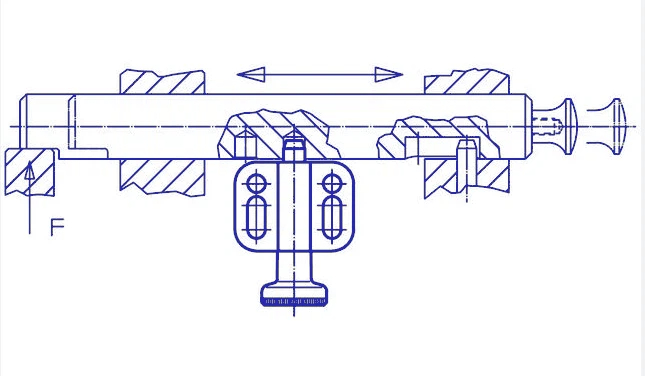
Indexing Plungers with Horizontal Mounting Flanges have a wide range of applications. Their advantages lie not only in high positioning accuracy but also in flexible installation methods and simple operation. Common applications include:
Automation Equipment
Used for precise positioning and limiting in robotic arms, slides, or adjustment frames.
Used for precise positioning and limiting in robotic arms, slides, or adjustment frames.
Fixtures and Tooling
Employed in machining or inspection fixtures to enable rapid part changeovers and repeatable positioning.
Employed in machining or inspection fixtures to enable rapid part changeovers and repeatable positioning.
Machine Tools
Employed in adjustable components or tool holders to maintain consistent positional accuracy during repetitive operations.
Employed in adjustable components or tool holders to maintain consistent positional accuracy during repetitive operations.
Conveying Systems
Serving as stop positioning devices within transport systems to control material retention or release points.
Serving as stop positioning devices within transport systems to control material retention or release points.
Electronics & Instrumentation
Frequently utilized in adjustable mechanisms of high-precision testing instruments to ensure equipment stability across varying angles.
Frequently utilized in adjustable mechanisms of high-precision testing instruments to ensure equipment stability across varying angles.
FAQ
Q: What materials do you usually use for the Indexing Plunger with Horizontal Mounting Flange?
A: Stainless steel with Zinc die casting/Powder coated/Black, textured finish
Q: What is the MOQ for this product?
A: 100-200
Q: What components I use for securing it?
A: Horizontally mounted flanges typically feature through holes or slotted holes, which can be secured using hex socket bolts, countersunk bolts, or cylindrical head bolts. Common thread sizes include: M4, M5, M6, M8, etc.
They can be used with nuts, washers, and spring washers to enhance stability.
Get perfect positioning and smooth engagement with this premium indexing plunger with horizontal mounting flange.
Quick Release Pins Revolutionize Sunshade Installation: Effortless Sun Protection for Your Vehicle
Quick Release Pins Revolutionize Scaffolding Assembly: Improving Construction Site Safety and Efficiency
Related Article
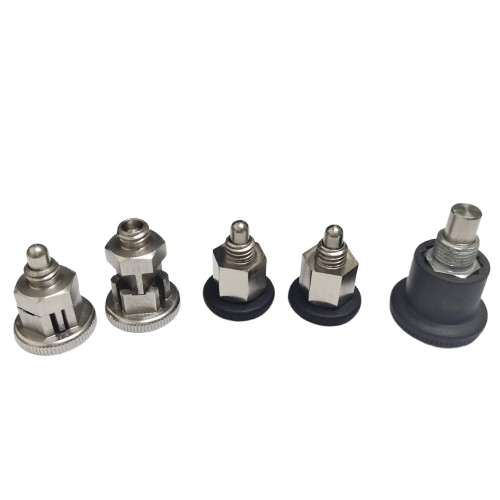
Explore the application of stainless steel materials for customizing mini indexing plungers based on specific operational environments and suitable spaces.
How To Make A Mini Indexing Plunger
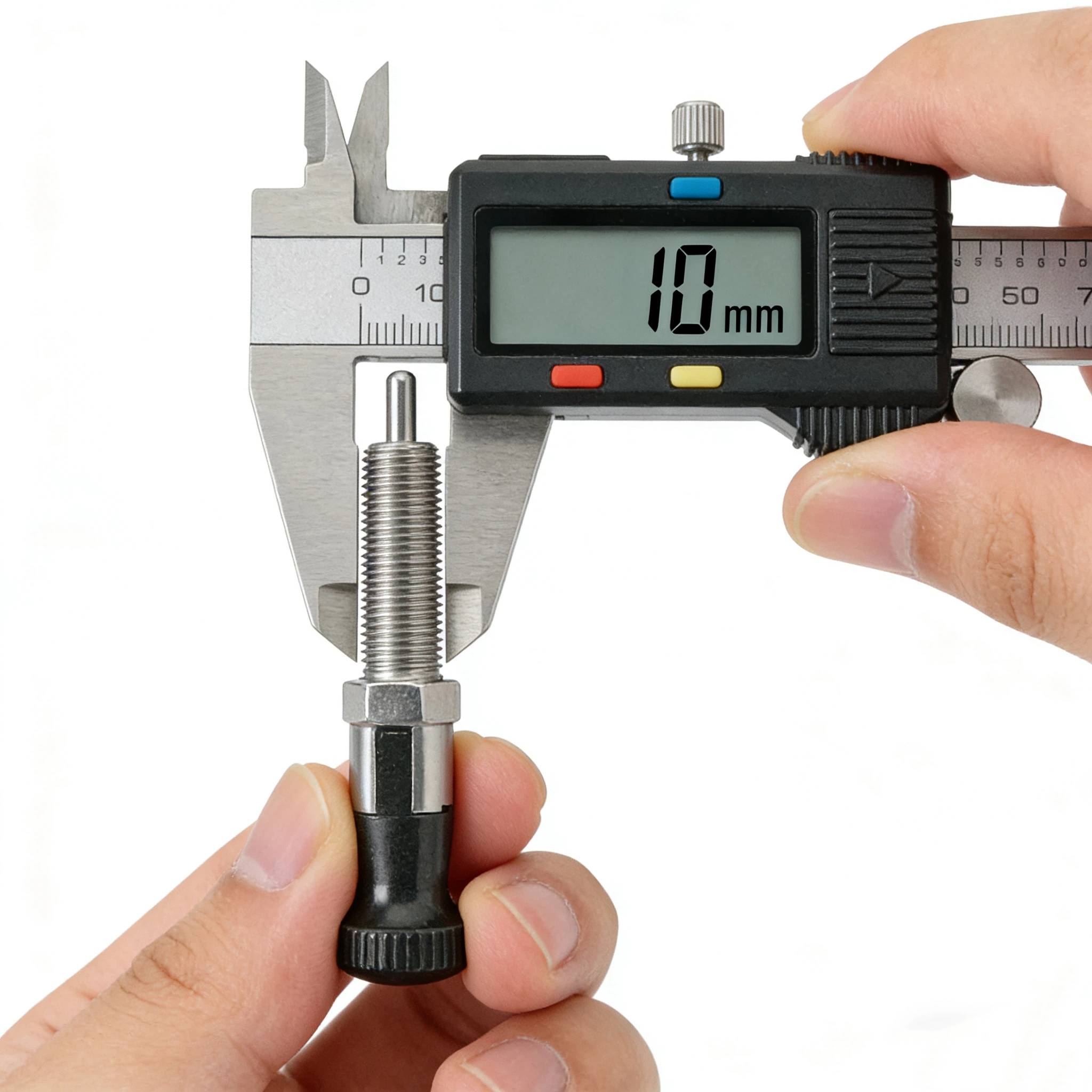
Discover how to choose correct size for indexing elements with confidence. Get precise recommendations that improve positioning accuracy, durability, and overall system performance.
How To Choose Correct Size For Indexing Elements