What Is Rust Corrosion
author: Lucia Liu
2025-09-06
What Is Rust Corrosion
In modern industry and daily life, metal materials are virtually ubiquitous. However, when metals come into contact with the environment, they often corrode, lose their luster, or develop reddish-brown spots on their surfaces—a phenomenon commonly referred to as rust corrosion. Rust not only compromises aesthetics but also severely weakens the strength and performance of metals, leading to economic losses. This article will provide a detailed overview of the definition, formation conditions, and protective methods for rust corrosion, while analyzing the advantages of stainless steel in rust resistance.

Basic Concepts of Corrosion
Corrosion refers to the process where metals or alloys undergo chemical or electrochemical reactions with surrounding media in specific environments, leading to gradual material degradation. Corrosion manifests in various forms, with rusting being the most common occurrence in iron-based materials.
What is Rust Corrosion
Rust corrosion describes the process where iron or steel reacts with air, moisture, and oxygen to form iron oxide. Rust corrosion products typically appear as reddish-brown powdery substances that continuously flake off, exposing fresh metal surfaces and perpetuating the corrosion process.
Formation Conditions: Rust corrosion occurs more readily under conditions of high air humidity, presence of oxygen, and electrolytes (such as salts).
How to Prevent Rust Corrosion
Given the characteristics of rust corrosion, the following protective methods are commonly employed:
1. Surface Protection
Coating Protection: Isolate air and moisture through methods such as painting, powder coating, or anodizing.
Electroplating: Processes like zinc or nickel plating add a protective layer to the metal surface.
2. Material Selection
Choose alloys or stainless steel with superior corrosion resistance. Stainless steel contains a certain percentage of chromium, which forms a dense chromium oxide protective film on the surface, effectively preventing further penetration of oxygen and moisture.
3. Maintenance Measures
Regularly clean surface contaminants to prevent accumulation of salts or acidic/alkaline substances.
For long-term storage of metal components, apply protective grease or use sealed storage methods.
These approaches effectively delay the onset of rust corrosion and extend the service life of metals.
Given the characteristics of rust corrosion, the following protective methods are commonly employed:
1. Surface Protection
Coating Protection: Isolate air and moisture through methods such as painting, powder coating, or anodizing.
Electroplating: Processes like zinc or nickel plating add a protective layer to the metal surface.
2. Material Selection
Choose alloys or stainless steel with superior corrosion resistance. Stainless steel contains a certain percentage of chromium, which forms a dense chromium oxide protective film on the surface, effectively preventing further penetration of oxygen and moisture.
3. Maintenance Measures
Regularly clean surface contaminants to prevent accumulation of salts or acidic/alkaline substances.
For long-term storage of metal components, apply protective grease or use sealed storage methods.
These approaches effectively delay the onset of rust corrosion and extend the service life of metals.
Which Stainless Steel Resist Rusting
Stainless steel owes its corrosion resistance primarily to its alloy composition. Higher chromium content correlates with stronger corrosion resistance. Common stainless steel types include:
1.304 stainless steel
Contains approximately 18% chromium and 8% nickel, widely used in kitchen appliances, medical devices, etc.
Advantages: Good corrosion resistance, moderate cost.
Disadvantages: May still corrode in high-salt environments.
2.316 stainless steel
Enhances corrosion resistance by adding molybdenum to the 304 base composition.
Advantages: Strong resistance to chloride corrosion, suitable for marine and chemical environments.
Disadvantages: Higher cost than 304.
3.430 stainless steel
Primarily an iron-chromium alloy, commonly used for decorative purposes and in environments with low corrosion demands.
Advantages: Low cost.
Disadvantages: Limited corrosion resistance, susceptible to rust corrosion.
As evident, selecting the appropriate stainless steel type can significantly reduce the risk of corrosion. Enhance project quality with stainless steel, the best defense against rust corrosion while maintaining strength, beauty, and long-term savings.
Quality CNC Machining Parts: Built To Exact Specifications
How To Choose The Right CNC Machining Service Provider
Related Article
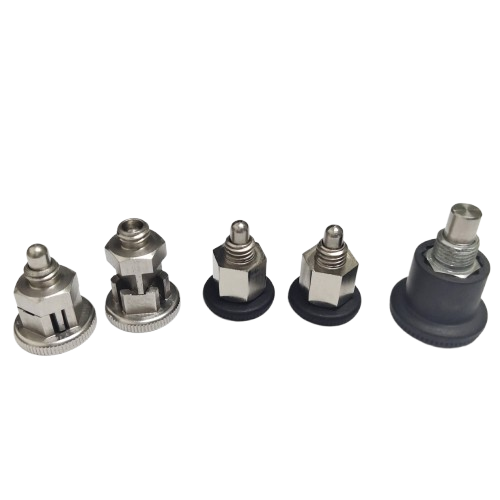
Explore the application of stainless steel materials for customizing mini indexing plungers based on specific operational environments and suitable spaces.
How To Make A Mini Indexing Plunger
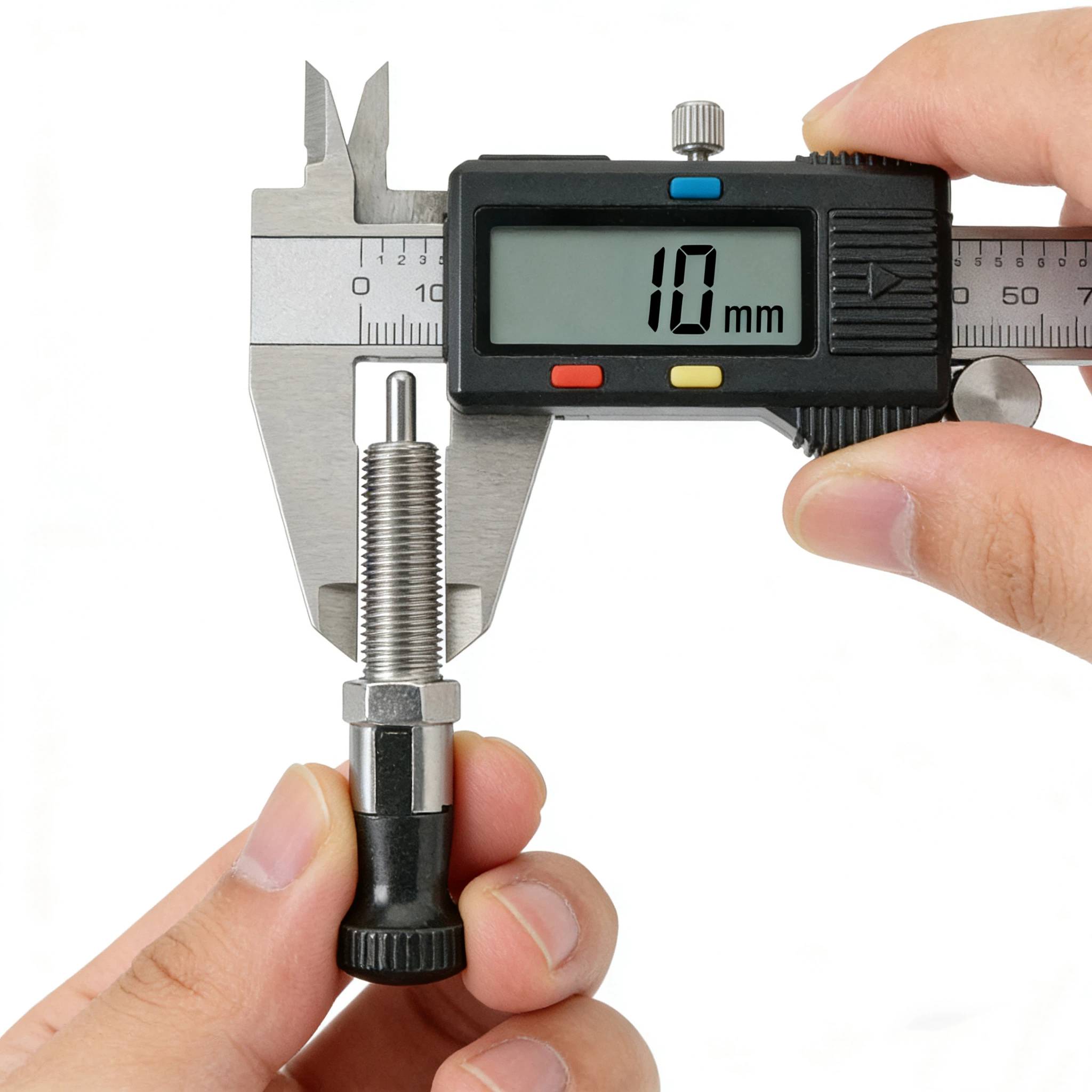
Discover how to choose correct size for indexing elements with confidence. Get precise recommendations that improve positioning accuracy, durability, and overall system performance.
How To Choose Correct Size For Indexing Elements