What Is The Differences Between Spring Loaded Plunger And Ball Spring Plunger
author: Lucia Liu
2025-11-17
What Is The Differences Between Spring Loaded Plunger And Ball Spring Plunger
Table of Contents
What Is Spring Loaded Plunger Spring Loaded Plunger Construction Ball Spring Plunger Structure How the Spring Loaded Plunger Works Working Principle of the Ball Spring Plunger Selection Factors FAQ
What Is Spring Loaded Plunger Spring Loaded Plunger Construction Ball Spring Plunger Structure How the Spring Loaded Plunger Works Working Principle of the Ball Spring Plunger Selection Factors FAQ
Spring loaded plunger and ball spring plunger are the important components to a wide range of industries, such as jigs & fixture, medical equipment, cnc machining and food supply chain. However, there are some difference between them considering structure, materials, mechanism, installation method and applications.
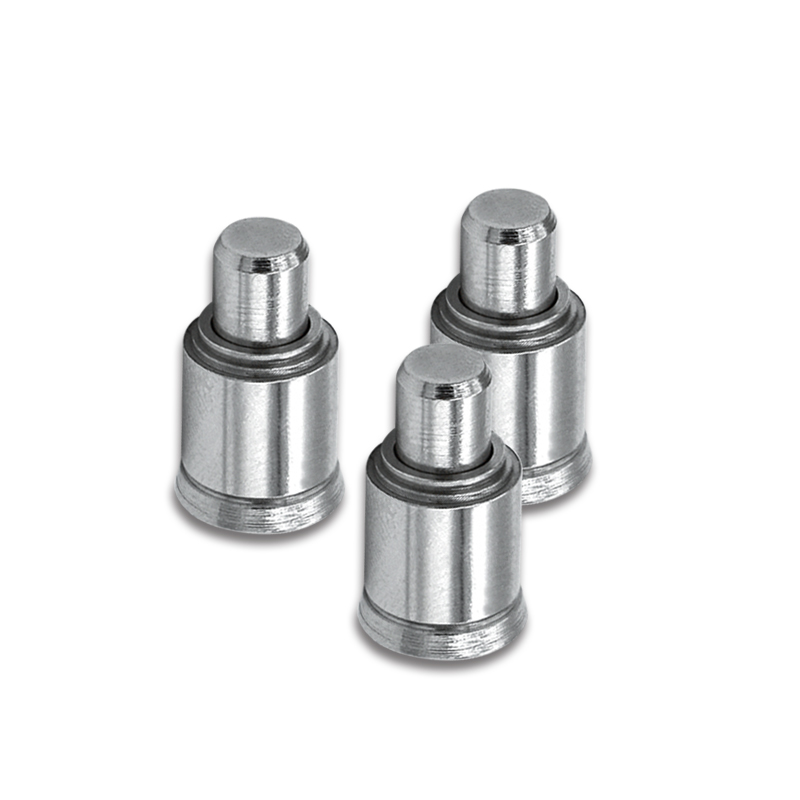
What Is Spring Loaded Plunger?
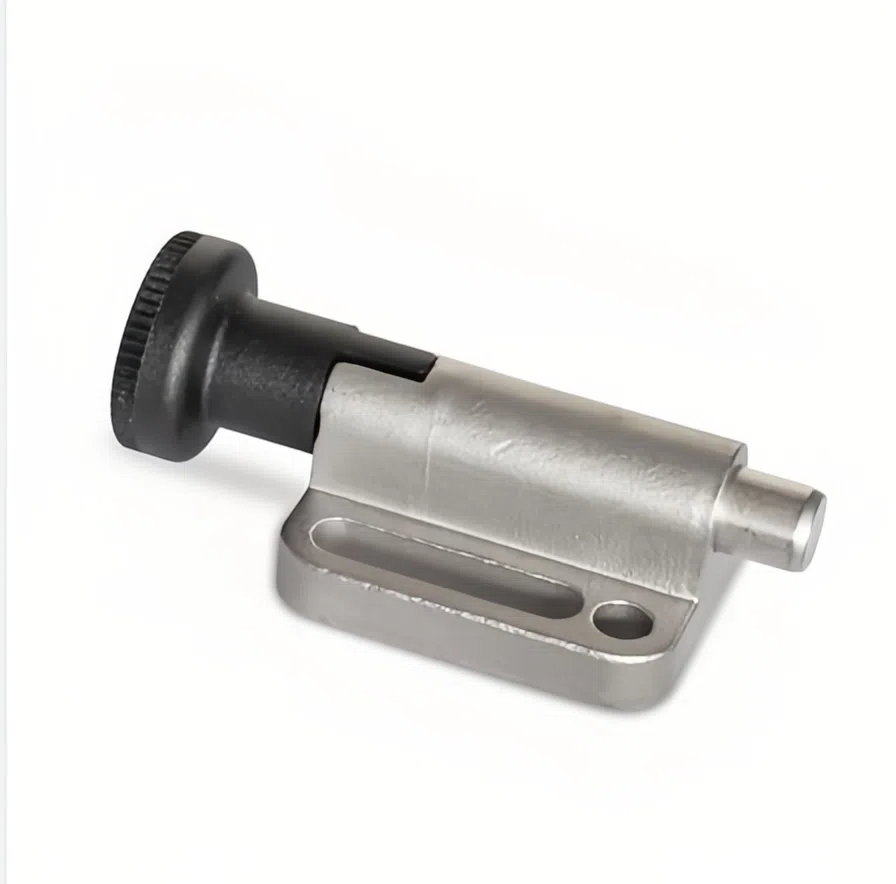
A spring loaded plunger is a small precision mechanical component that uses a spring to drive the plunger back and forth, enabling positioning and securing.
Spring Loaded Plunger Construction
The Spring-Loaded Plunger primarily consists of the following components:
• Plunger Pin: Extends into the locating hole to provide a defined engagement point for the equipment.
• Spring: Provides consistent thrust force, enabling automatic extension and retraction of the plunger.
• Housing: Typically threaded or smooth-rod configurations for easy installation and adjustment.
Housings are generally made of stainless steel or carbon steel, while plunger pins often utilize higher-hardness metals.
The Spring-Loaded Plunger primarily consists of the following components:
• Plunger Pin: Extends into the locating hole to provide a defined engagement point for the equipment.
• Spring: Provides consistent thrust force, enabling automatic extension and retraction of the plunger.
• Housing: Typically threaded or smooth-rod configurations for easy installation and adjustment.
Housings are generally made of stainless steel or carbon steel, while plunger pins often utilize higher-hardness metals.
Ball Spring Plunger Structure
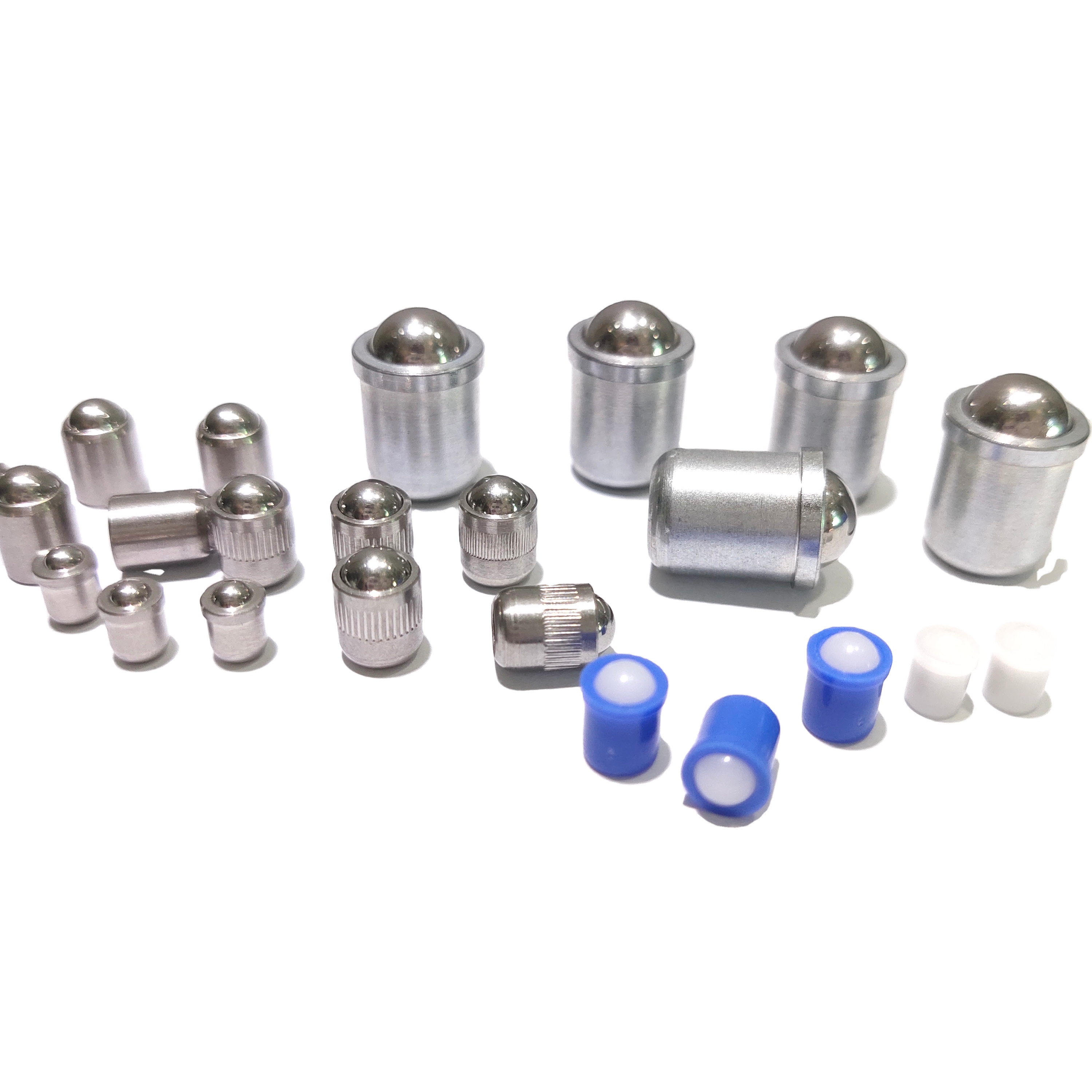
The Ball Spring Plunger shares a similar appearance but focuses structurally on the steel ball at the top:
• Steel Ball: Provides a smooth contact surface suitable for sliding tracks or positioning recesses.
• Spring: Drives the steel ball outward.
• Metal Housing: Typically made of stainless steel or surface-treated alloy steel.
Due to the characteristics of the steel ball, the Ball Spring Plunger delivers smoother performance in lightweight positioning, slide rail assistance, and precision adjustment.
The Ball Spring Plunger shares a similar appearance but focuses structurally on the steel ball at the top:
• Steel Ball: Provides a smooth contact surface suitable for sliding tracks or positioning recesses.
• Spring: Drives the steel ball outward.
• Metal Housing: Typically made of stainless steel or surface-treated alloy steel.
Due to the characteristics of the steel ball, the Ball Spring Plunger delivers smoother performance in lightweight positioning, slide rail assistance, and precision adjustment.
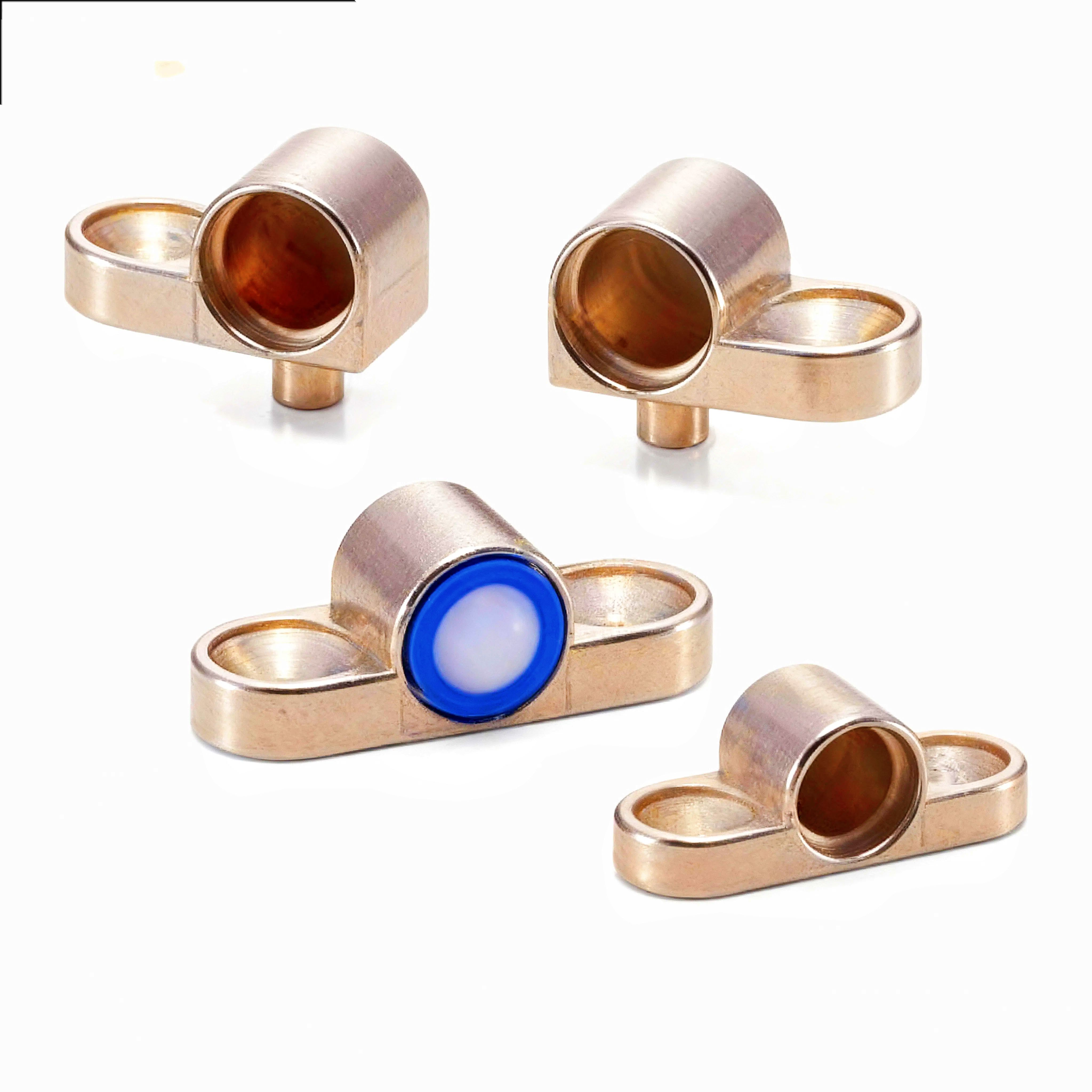
How the Spring Loaded Plunger Works
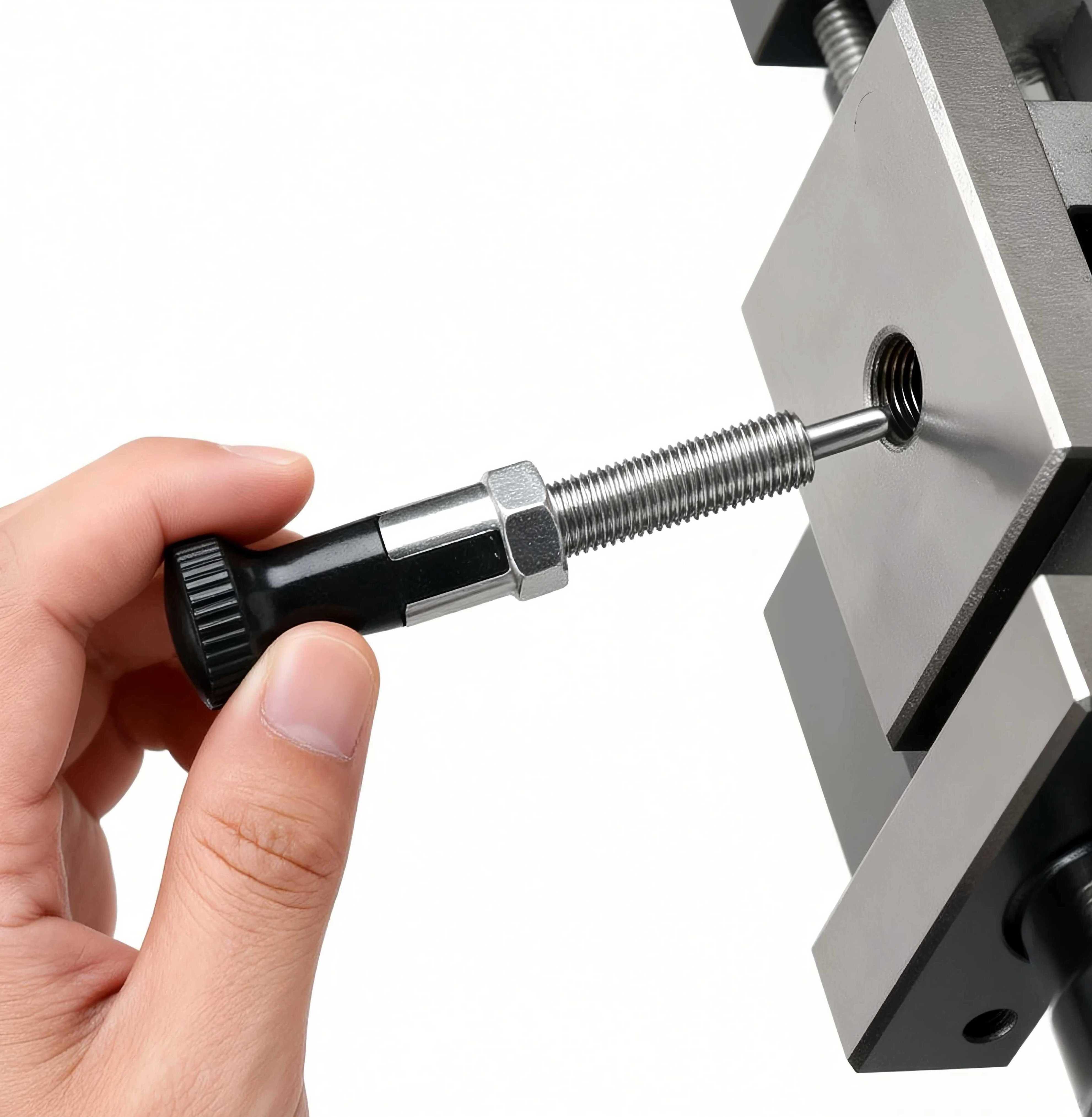
The spring loaded plunger uses a spring to push the plunger pin into the hole.
When the user pulls, rotates, or presses the plunger, the plunger pin retracts into the housing.
Once the external force is released, the spring regains its thrust, enabling repositioning.
The spring loaded plunger uses a spring to push the plunger pin into the hole.
When the user pulls, rotates, or presses the plunger, the plunger pin retracts into the housing.
Once the external force is released, the spring regains its thrust, enabling repositioning.
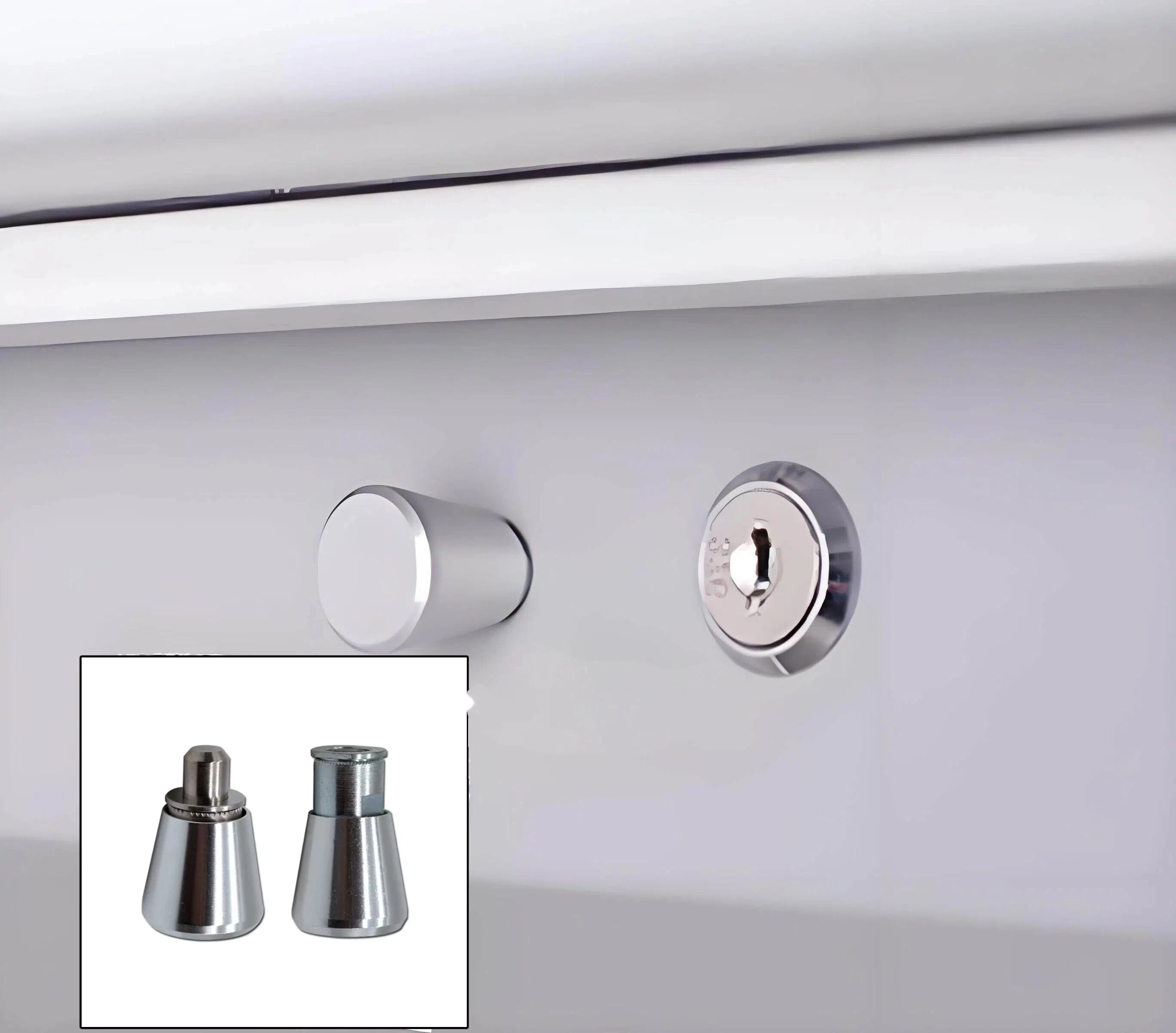
Working Principle of the Ball Spring Plunger
The Ball Spring Plunger employs a spring to push the steel ball, causing it to protrude.
When the assembly slides or moves, the steel ball rolls or presses into indentations on the contact surface, thereby achieving a locating effect.
The Ball Spring Plunger employs a spring to push the steel ball, causing it to protrude.
When the assembly slides or moves, the steel ball rolls or presses into indentations on the contact surface, thereby achieving a locating effect.
Engineers should consider the following factors when selecting between Spring Loaded Plungers and Ball Spring Plungers:
1. Positioning Strength Requirements
• Strong positioning: Select Spring Loaded Plunger
• Light positioning or sliding positioning: Select Ball Spring Plunger
2. Environmental Requirements
For applications involving corrosion resistance, food-grade equipment, or liquid contact, stainless steel material is more suitable.
3. Structural Design Requirements for Friction Reduction or Light Touch
If a more refined operating feel is needed, the elastic contact of steel balls is more suitable.
1. Positioning Strength Requirements
• Strong positioning: Select Spring Loaded Plunger
• Light positioning or sliding positioning: Select Ball Spring Plunger
2. Environmental Requirements
For applications involving corrosion resistance, food-grade equipment, or liquid contact, stainless steel material is more suitable.
3. Structural Design Requirements for Friction Reduction or Light Touch
If a more refined operating feel is needed, the elastic contact of steel balls is more suitable.
FAQ
Q: What Is The Maximum Stroke of the Plunger?
A: Spring-Loaded Plunger Maximum stroke typically ranges from 1mm to 6mm, Ball Spring Plunger has smaller stroke, typically ranging from 0.3mm to 2mm.
Q:Can we order a version with a non-standard spring rate or a different ball material (e.g., ceramic or Delrin) for our specific application?
A: Yes, Mocayo offers free custom design for global customers.
Q: Do you provide 2D drawings and 3D CAD models (e.g., STEP or SolidWorks files) for design integration?
A: You could ask our team for sending you the drawings. They'll prepare the documents for you.
Spring Loaded Plunger delivers smooth engagement, while Ball Spring Plunger ensures firm detent locking. Perfect for adjustable systems where reliability and longevity matter.
Ball Spring Plunger Redefines Shower Door Experience: Delivering Silent, Seamless Closure
Push Button Quick Release Pin Revolutionizes Coleman 6250 Generator Maintenance: Enabling Instant Access for Critical Service
Related Article
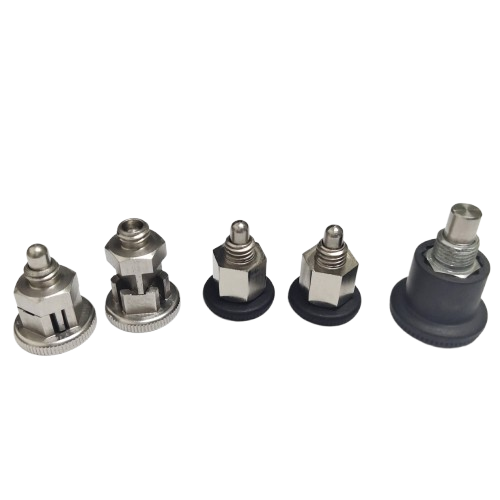
Explore the application of stainless steel materials for customizing mini indexing plungers based on specific operational environments and suitable spaces.
How To Make A Mini Indexing Plunger
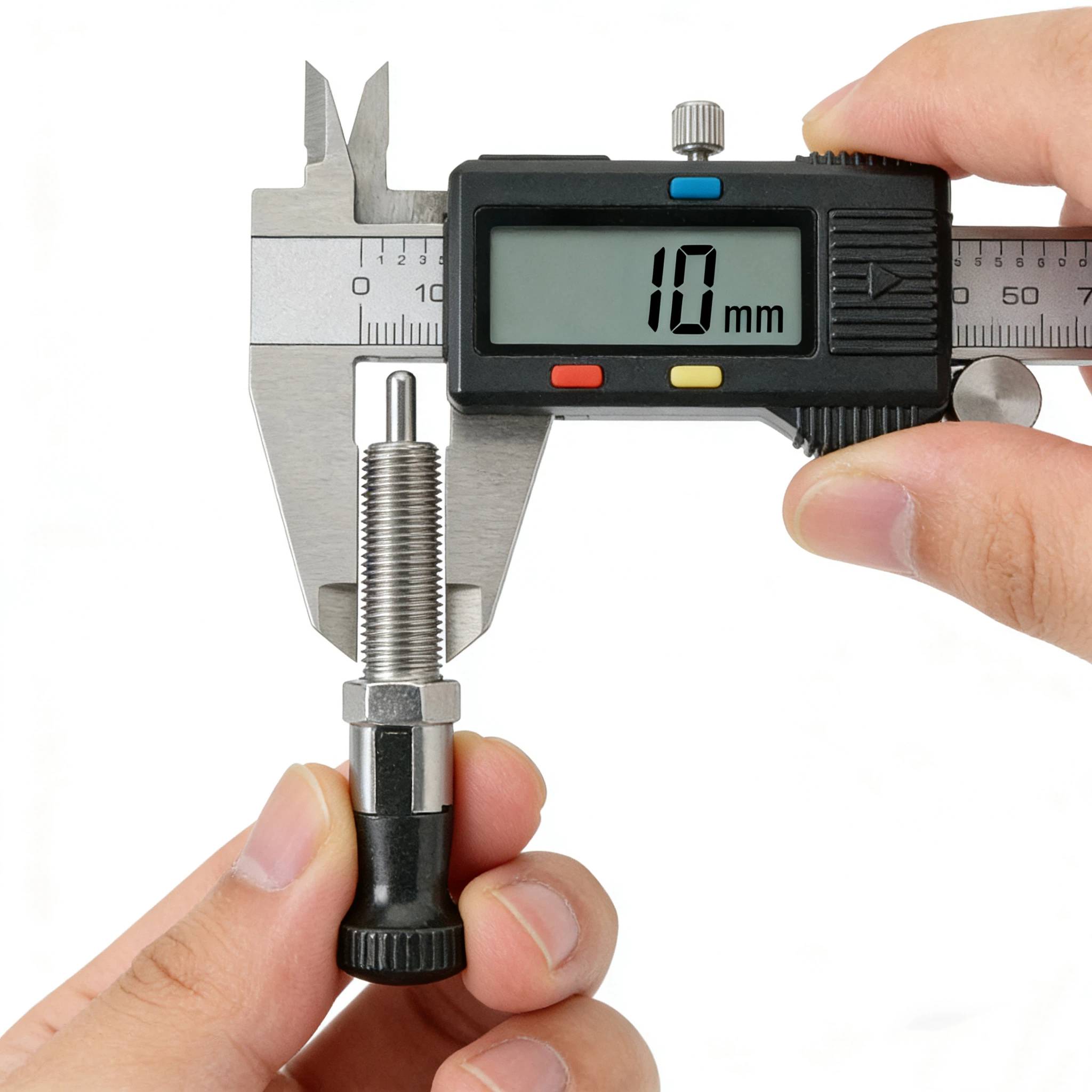
Discover how to choose correct size for indexing elements with confidence. Get precise recommendations that improve positioning accuracy, durability, and overall system performance.
How To Choose Correct Size For Indexing Elements