Choosing the Right Line Array Lock Pin
Choosing the Right Line Array Lock Pin: A Guide to Selecting the Perfect Pin for Your Needs
When it comes to securing components in mechanical systems, selecting the right lock pin is crucial for ensuring reliability, safety, and efficiency. Among the various types of fasteners available, line array lock pins are widely used due to their precision and locking capability. However, with many options on the market, choosing the right line array lock pin can be a challenging task. In this article, we will guide you through the key factors to consider when selecting the ideal lock pin for your application.
What Are Line Array Lock Pins?
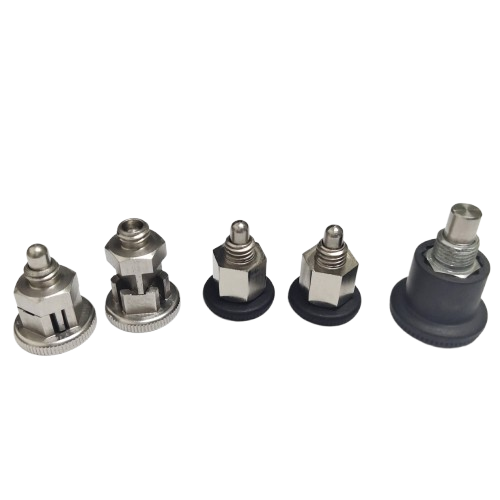
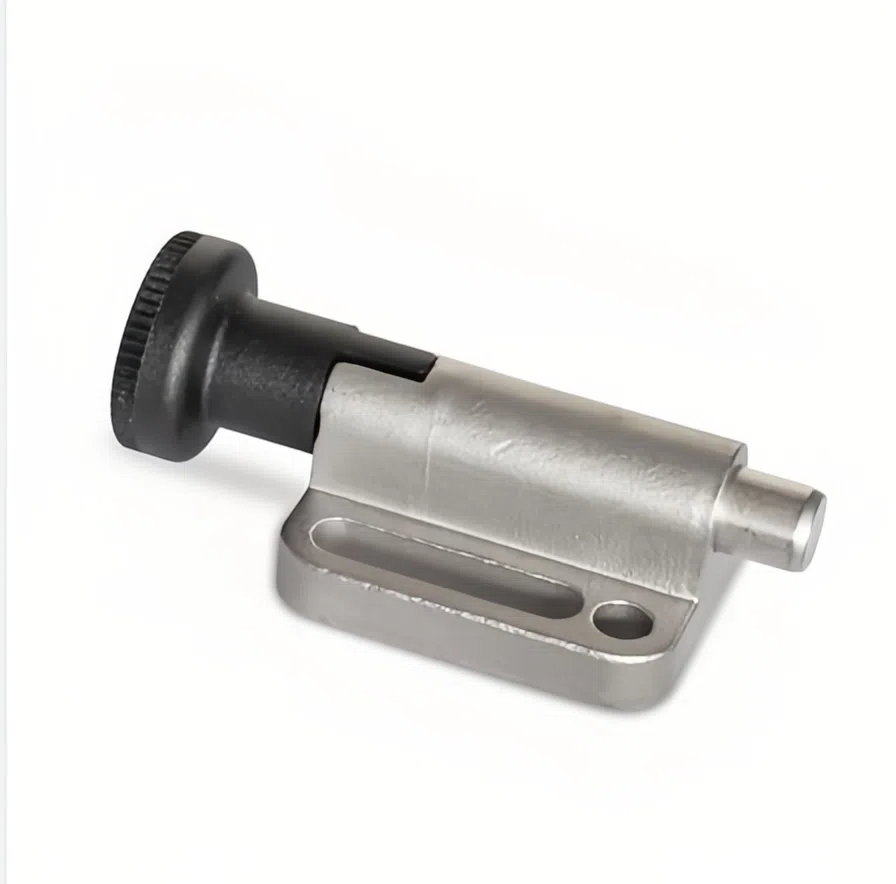
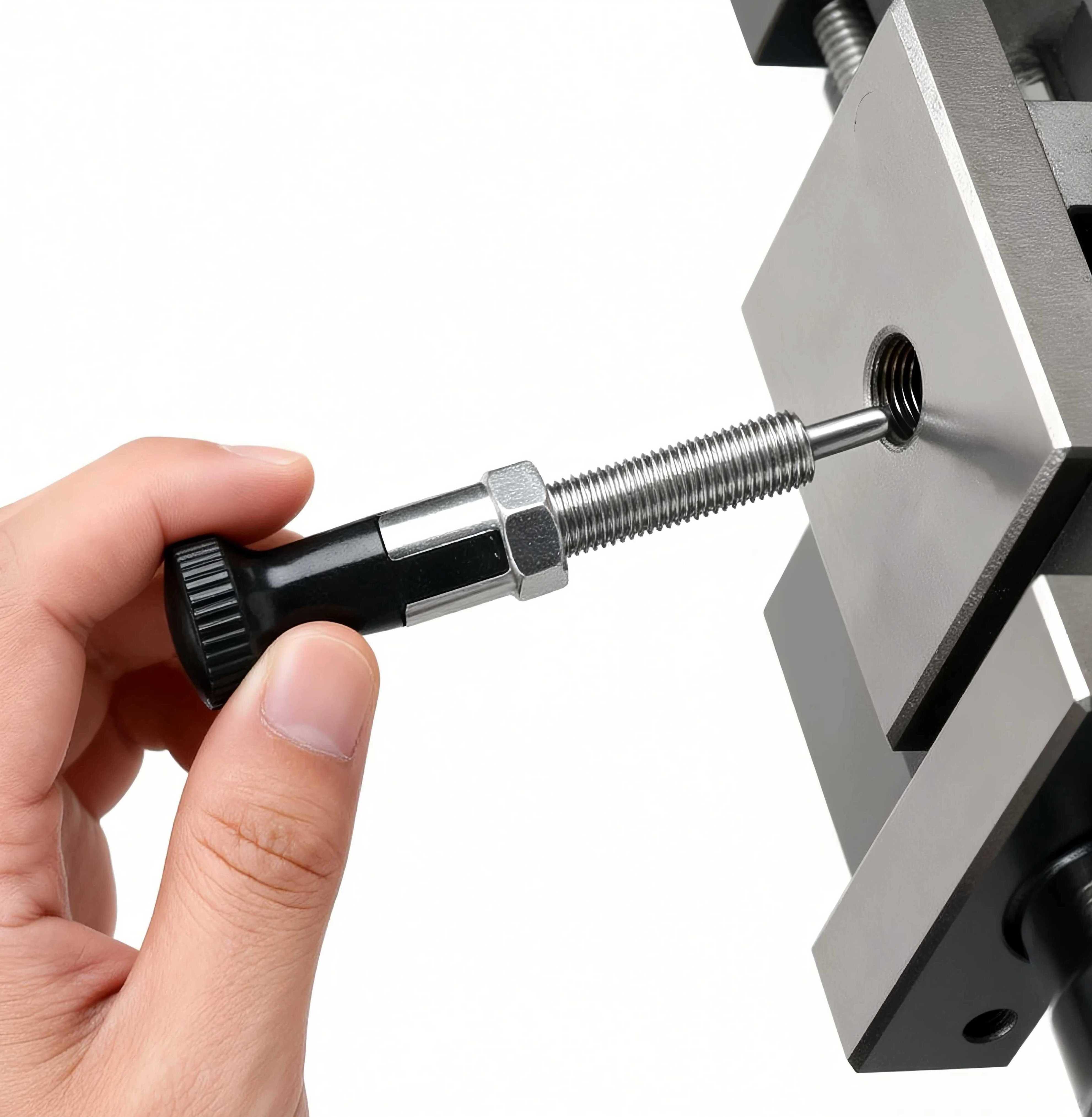
Line array lock pins are mechanical fasteners designed to lock components securely in place along a linear array. They are commonly used in various industries, including aerospace, automotive, industrial machinery, and construction. These pins typically feature a spring-loaded locking mechanism, which automatically engages when the pin is inserted into a hole or recess in an assembly. The pin remains locked in place until a release mechanism, such as a push-button or twist feature, is activated.
The primary advantage of line array lock pins is their ability to hold components securely while allowing for easy removal and adjustment when necessary. Their precise design ensures that components stay in place, even in environments subject to vibration or mechanical stress.
Key Factors to Consider When Choosing the Right Line Array Lock Pin
1. Material and Durability
The material of the lock pin plays a significant role in its performance and longevity. For applications that involve exposure to harsh environments, such as moisture, chemicals, or high temperatures, choosing a corrosion-resistant material like stainless steel or alloy steel is essential. These materials offer superior strength, resistance to corrosion, and durability, ensuring the pin performs well in challenging conditions.
For lighter-duty applications, such as indoor machinery or systems not exposed to extreme conditions, standard steel or aluminum pins may be sufficient. Always ensure that the material is compatible with the environment where the pin will be used.
2. Size and Compatibility
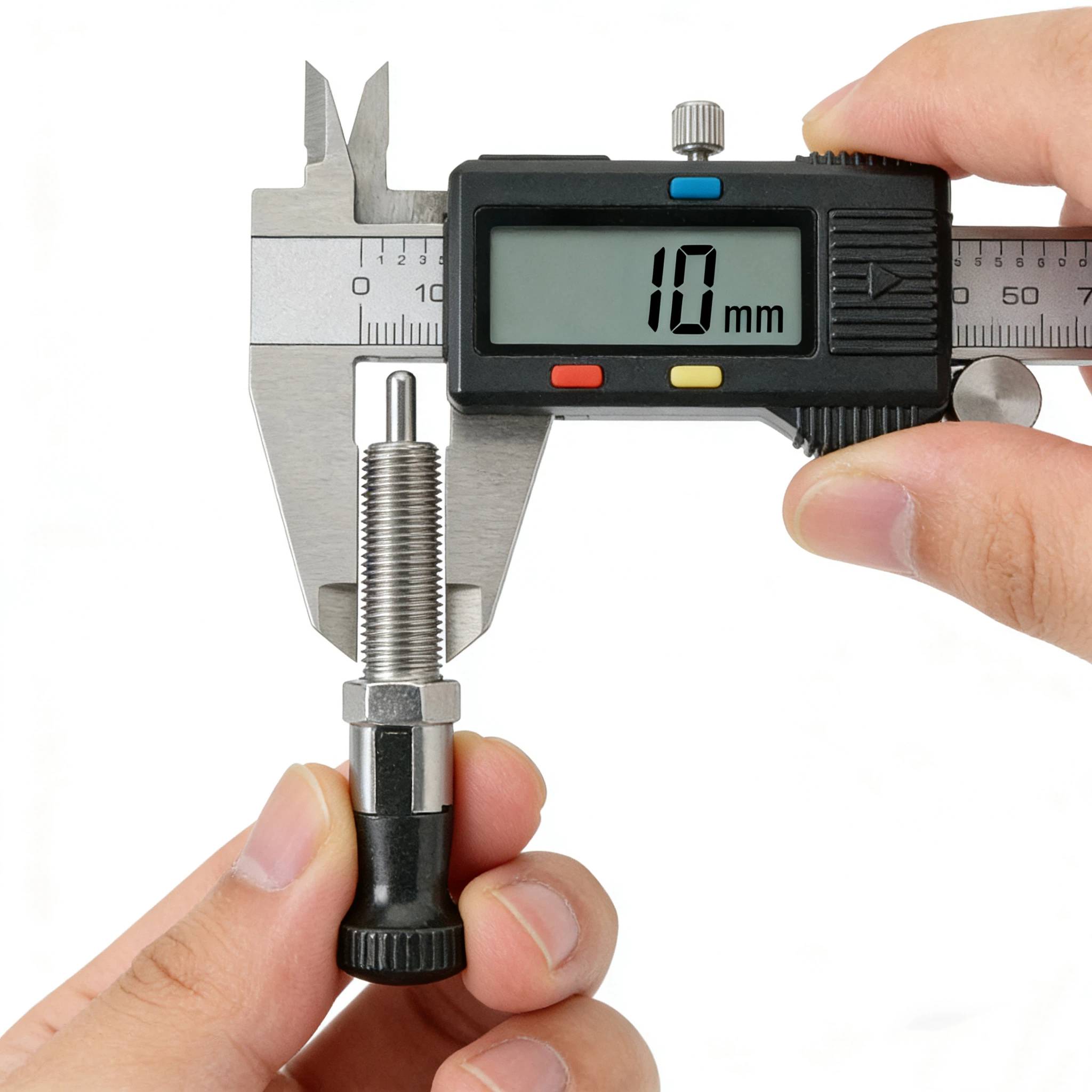
When selecting a line array lock pin, size matters. The diameter and length of the pin must match the hole or slot it will fit into within the assembly. An incorrect size may result in a loose fit or difficulty in installation, compromising the security of the components.
To ensure compatibility, measure the hole size in the assembly carefully. Manufacturers typically provide detailed specifications for the pin, including dimensions and tolerance levels, so refer to these measurements when choosing a lock pin. It's important to remember that pins with too much clearance may allow for movement, while those that are too tight could cause damage to both the pin and the assembly.
3. Load Capacity
The load capacity of the lock pin is another crucial factor to consider. The pin must be able to withstand the mechanical stress and forces it will be exposed to during operation. For high-load applications, such as in aerospace or automotive assemblies, it's important to select a lock pin designed to handle the specific forces, including shear, tensile, and compressive loads.
Manufacturers often provide load ratings for their lock pins, and these ratings can guide you in selecting a pin with an adequate load-bearing capacity. If you're unsure about the specific load requirements for your application, it's always best to consult an expert or the manufacturer's recommendations.
4. Release Mechanism
Line array lock pins come with different types of release mechanisms, such as push-button, twist-lock, or spring-loaded releases. The choice of release mechanism depends on how the pin will be used and the level of convenience needed for installation or removal.
- Push-button release: Allows for quick and easy removal of the pin with a simple press of a button.
- Twist-lock release: Requires the user to twist the pin to disengage the locking mechanism, offering added security against accidental release.
- Spring-loaded release: A spring mechanism automatically releases the pin when a specific pressure is applied.
Choose a release mechanism that fits your operational needs, considering factors like ease of use, frequency of adjustments, and safety requirements.

5. Environmental Considerations
Environmental factors, such as temperature, humidity, and exposure to chemicals, can impact the performance of line array lock pins. For instance, applications in high-temperature environments may require pins made from heat-resistant materials, such as titanium or special alloys, to prevent material degradation. Similarly, applications exposed to corrosive chemicals will require lock pins with excellent corrosion resistance.
When selecting a pin, always assess the environmental conditions in which it will operate and choose materials and coatings that can withstand these factors. It’s also essential to check the manufacturer's specifications to ensure that the lock pin is rated for your specific environmental conditions.
6. Ease of Maintenance
In some applications, it may be necessary to frequently remove and replace line array lock pins. If this is the case, it's important to choose a pin that allows for easy removal and installation. Consider pins with features that simplify maintenance, such as a user-friendly release mechanism and smooth surface finishes that prevent wear and tear.
Additionally, some lock pins come with a coating or surface treatment that helps reduce friction and increase the ease of insertion and removal.
Explore our pin lock line array solutions for secure and efficient speaker assembly. Designed for stability and quick setup, they ensure optimal performance in audio systems. Contact us today.
How Much Weight Can A Quick Release Pin Handle
What Is Line Array Lock Pins-Understanding Their Purpose and Benefits
Related Article