What Is Pin Locking Mechanism
What Is Pin Locking Mechanism?
The pin locking mechanism is a widely used security feature in various types of locks, including padlocks, door locks, and cylinder locks. It is a mechanical system designed to prevent unauthorized access by requiring the correct key or combination to align internal components, allowing the lock to open. This mechanism is known for its reliability, simplicity, and effectiveness in providing security.
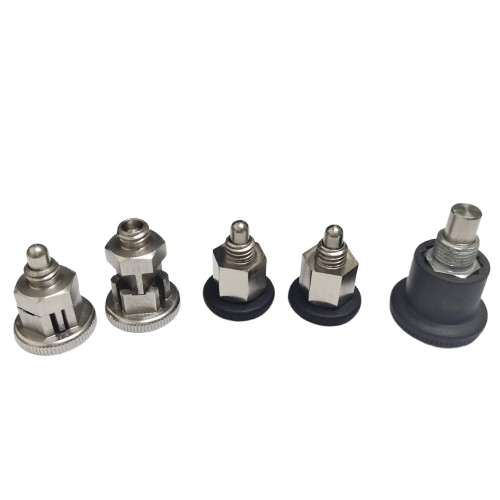
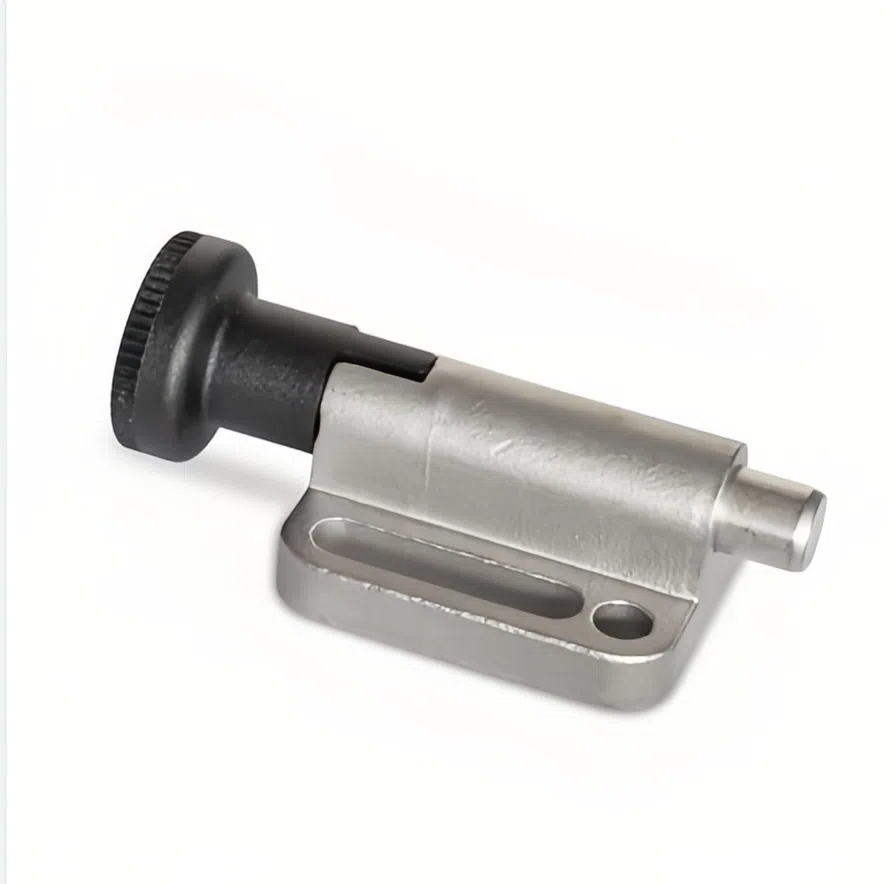
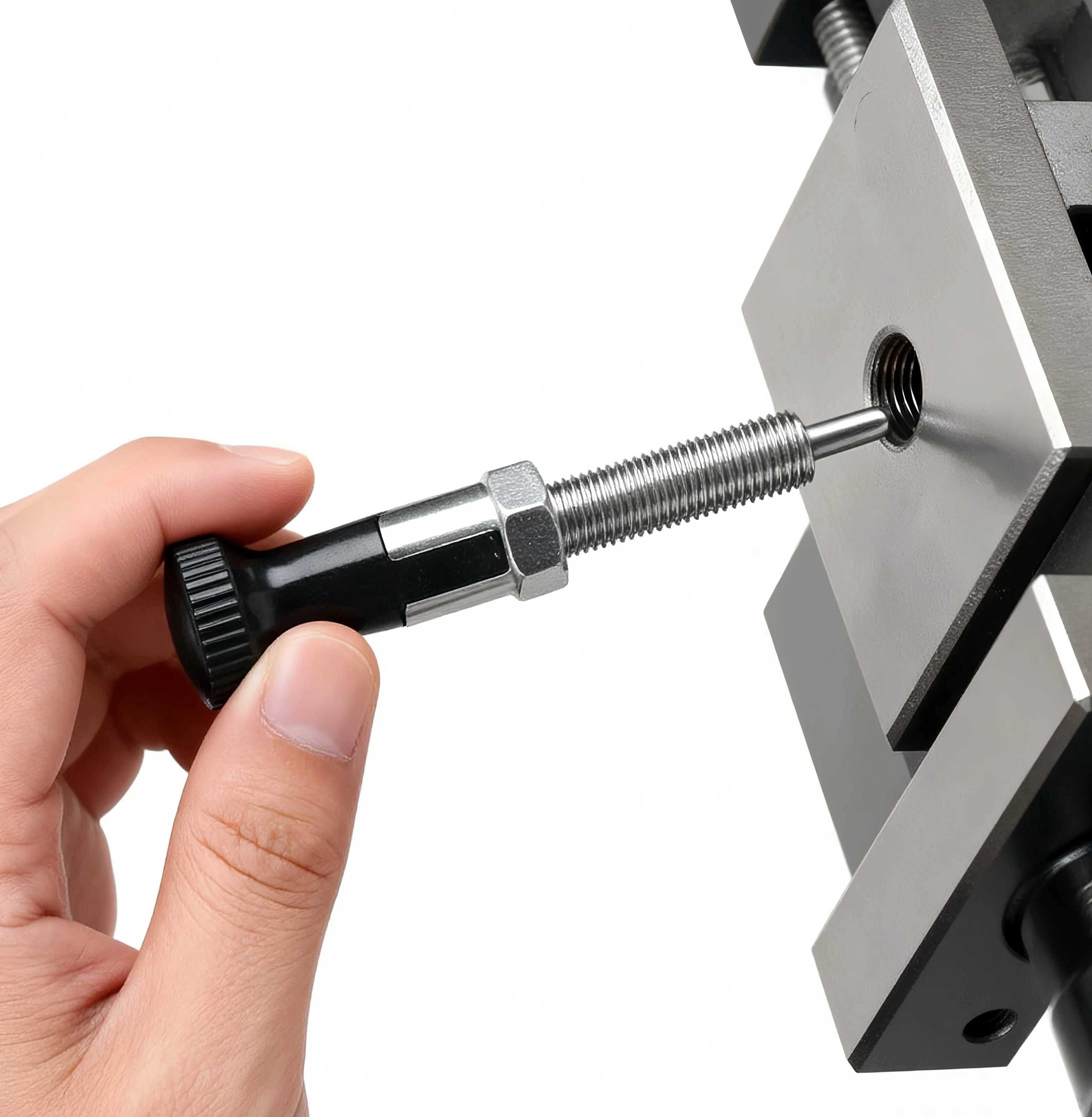
Explore our spring loaded locking pins and pin locking mechanisms for secure and reliable fastening in industrial applications. Durable and efficient, they ensure smooth operation. Contact us for custom solutions today.
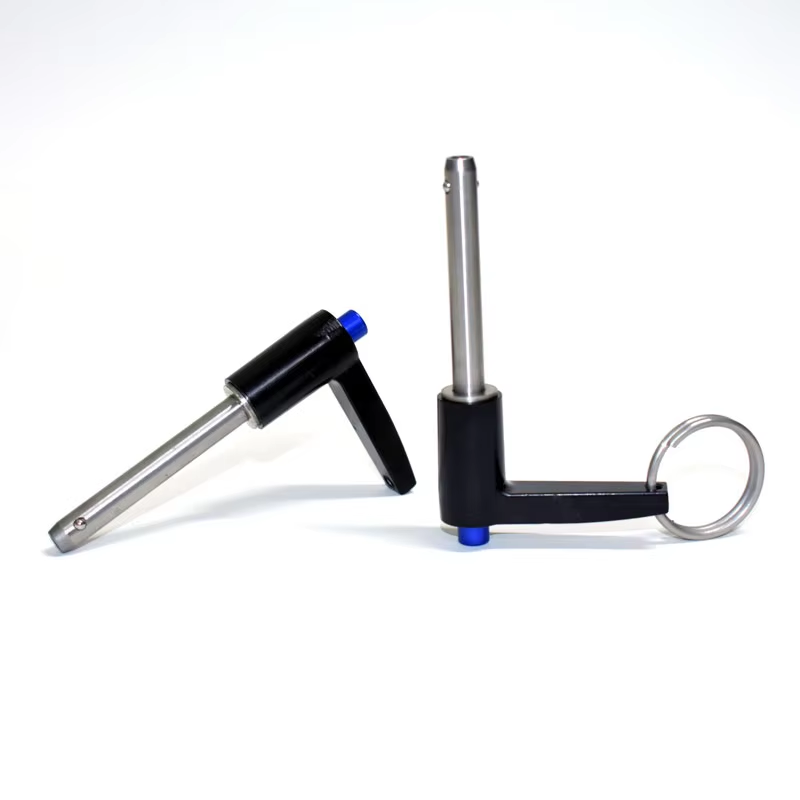
1. Basic Structure of a Pin Locking Mechanism
The pin locking mechanism typically consists of the following components:
-
Cylinder Housing: The outer shell that houses the internal components of the lock.
-
Plug: The rotating part of the lock that turns when the correct key is inserted.
-
Driver Pins: Small pins located above the key pins, often spring-loaded, that block the plug from rotating.
-
Key Pins: Pins of varying lengths that interact directly with the key. When the correct key is inserted, the key pins align with the shear line.
-
Springs: These push the driver pins downward, ensuring they return to their default position when the key is removed.
-
Shear Line: The gap between the plug and the cylinder housing. When the pins align at this line, the plug can rotate, unlocking the mechanism.
2. How the Pin Locking Mechanism Works
The operation of a pin locking mechanism relies on the precise alignment of the pins. Here’s how it works:
-
Insertion of the Key: When a key is inserted into the lock, its unique cuts push the key pins upward.
-
Alignment of Pins: If the key is correct, the key pins and driver pins align perfectly at the shear line. This alignment allows the plug to rotate freely.
-
Rotation of the Plug: Once the pins are aligned, the plug can be turned, either manually or with the help of a knob or handle, to unlock the mechanism.
-
Incorrect Key: If an incorrect key is used, the pins will not align at the shear line, preventing the plug from rotating and keeping the lock secure.
3. Types of Pin Locking Mechanisms
There are several variations of pin locking mechanisms, each designed for specific applications:
-
Standard Pin Tumbler Lock: The most common type, used in residential and commercial doors.
-
Dimple Key Lock: Uses a key with dimples rather than cuts, offering enhanced security.
-
Tubular Pin Tumbler Lock: Features a circular key and is often used in vending machines and bicycle locks.
-
Master Key System: Allows multiple locks to be opened by a single master key while retaining individual keys for each lock.
4. Advantages of Pin Locking Mechanisms
-
High Security: The complexity of pin alignment makes it difficult for unauthorized individuals to pick or bypass the lock.
-
Durability: Pin locks are robust and can withstand significant wear and tear.
-
Versatility: They can be adapted for various applications, from small padlocks to high-security door locks.
-
Customizability: The length and arrangement of pins can be customized to create unique key patterns.
5. Limitations of Pin Locking Mechanisms
-
Vulnerability to Lock Picking: Skilled individuals can manipulate the pins using specialized tools to open the lock without a key.
-
Wear and Tear: Over time, the pins and springs may wear out, reducing the lock’s effectiveness.
-
Limited to Mechanical Systems: Unlike electronic locks, pin locking mechanisms do not offer advanced features such as remote access or digital logging.
6. Applications of Pin Locking Mechanisms
Pin locking mechanisms are used in a wide range of applications, including:
-
Residential and Commercial Doors: Providing security for homes, offices, and other buildings.
-
Padlocks: Used for securing gates, lockers, and storage units.
-
Automotive Locks: Found in car doors and ignition systems.
-
Safes and Vaults: Offering high-level security for valuable items.
What Is An Indexing Plunger
How Do Pin Fasteners Work
Related Article