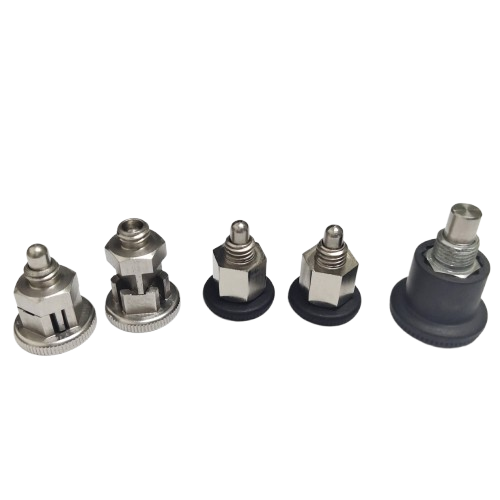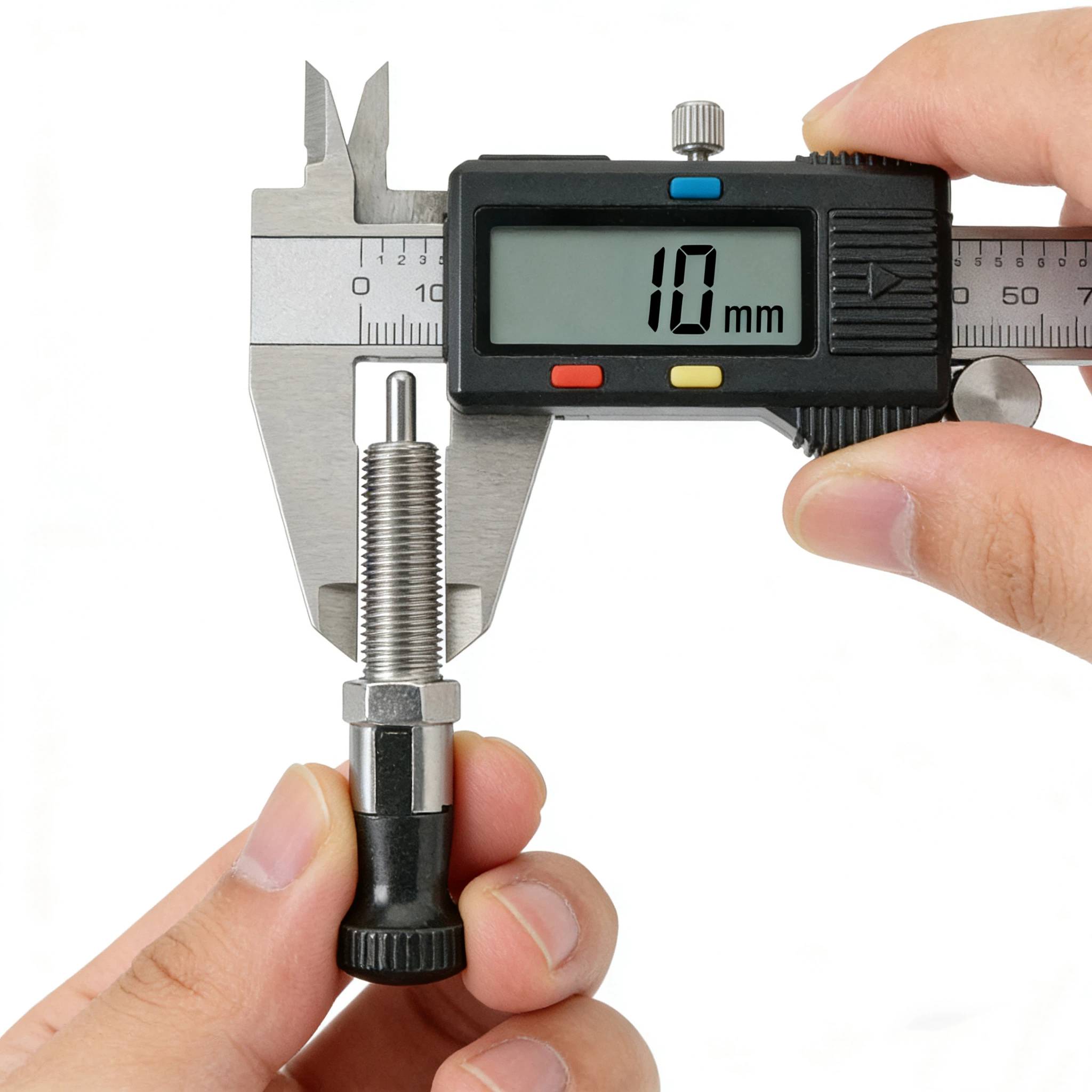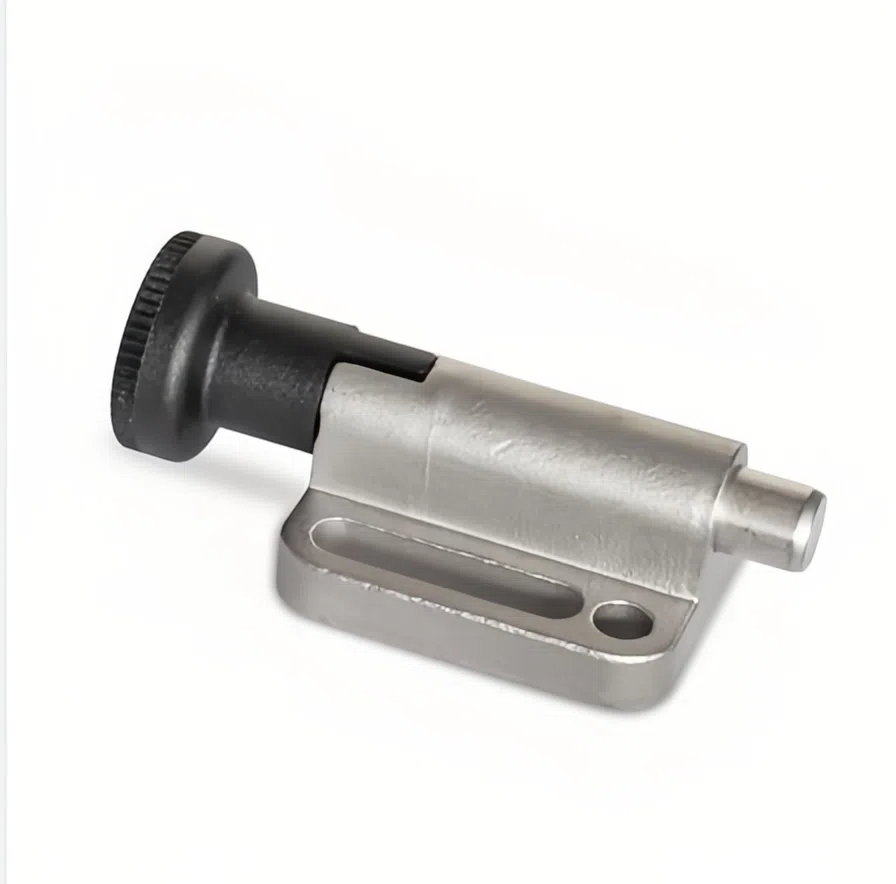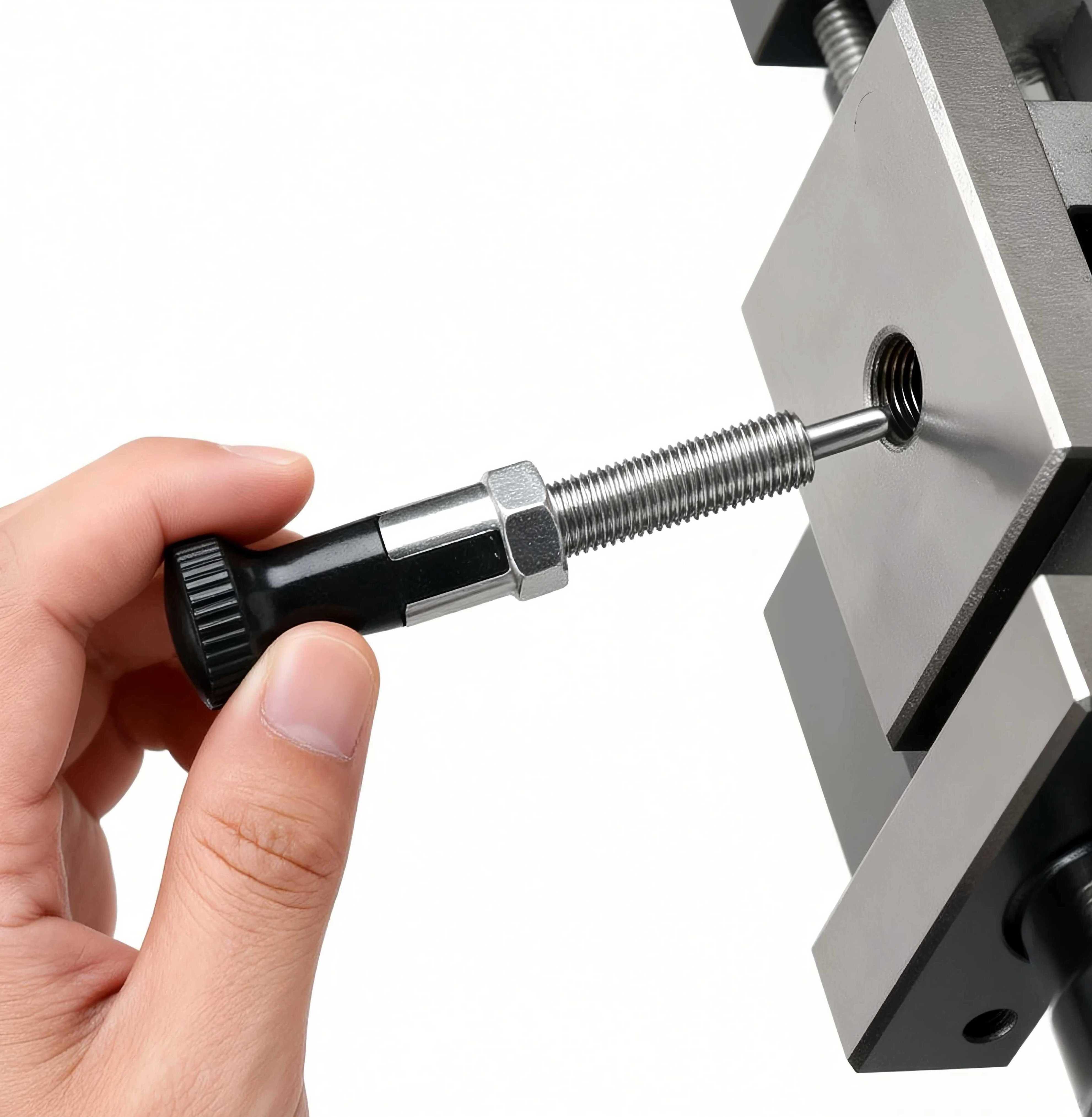
How Does A Cam Action Indexing Plunger Differ From A Standard Indexing Plunger
How Does A Cam Action Indexing Plunger Differ From A Standard Indexing Plunger? A Comparative Analysis
Indexing plungers are essential components in various mechanical systems, providing precise positioning and secure locking. Among the different types of indexing plungers, cam action indexing plungers and standard indexing plungers are commonly used. While both serve similar purposes, they differ significantly in their mechanisms, applications, and benefits. This article explores the key differences between cam action indexing plungers and standard indexing plungers, helping engineers and designers choose the right component for their specific needs.


1. Understanding Standard Indexing Plungers
Components:
A standard indexing plunger typically consists of a plunger, a spring, and a threaded body. The plunger, often a ball or pin, is spring-loaded and moves linearly within the body. The threaded body allows for easy installation into a pre-tapped hole.
Mechanism:
In a standard indexing plunger, the spring-loaded plunger engages with detent holes or grooves to provide secure positioning. When an external force is applied, the plunger retracts into the body, allowing for adjustment or disengagement. Once the force is removed, the spring pushes the plunger back out, securing the part in place.
Applications:
Standard indexing plungers are widely used in applications requiring precise positioning and frequent adjustments, such as fixtures, jigs, and machinery. They are also found in consumer products like folding tools and furniture.
2. Understanding Cam Action Indexing Plungers
Components:
A cam action indexing plunger includes a plunger, a spring, a threaded body, and a cam mechanism. The cam mechanism is the key differentiating feature, providing a unique locking action.
Mechanism:
In a cam action indexing plunger, the cam mechanism converts rotational motion into linear motion. When the plunger is rotated, the cam mechanism engages or disengages the plunger from the detent hole or groove. This action provides a more secure and positive lock compared to standard indexing plungers.
Applications:
Cam action indexing plungers are used in applications requiring a more secure and reliable locking mechanism, such as in heavy machinery, automotive components, and safety-critical systems. They are also suitable for applications where vibration or movement could cause a standard plunger to disengage.
3. Key Differences Between Cam Action and Standard Indexing Plungers
Locking Mechanism:
-
Standard Indexing Plunger: Uses a spring-loaded plunger that engages linearly with detent holes or grooves.
-
Cam Action Indexing Plunger: Uses a cam mechanism that converts rotational motion into linear motion, providing a more secure and positive lock.
Ease of Use:
-
Standard Indexing Plunger: Easier to operate, with simple linear engagement and disengagement.
-
Cam Action Indexing Plunger: Requires rotational motion to engage or disengage, which can be more complex but offers a more secure lock.
Security and Reliability:
-
Standard Indexing Plunger: Provides reliable positioning but may be less secure in high-vibration environments.
-
Cam Action Indexing Plunger: Offers a more secure and reliable lock, making it suitable for high-vibration and safety-critical applications.
Applications:
-
Standard Indexing Plunger: Ideal for applications requiring frequent adjustments and precise positioning, such as fixtures and consumer products.
-
Cam Action Indexing Plunger: Suitable for heavy-duty applications requiring a secure and reliable locking mechanism, such as machinery and automotive components.
4. Advantages and Disadvantages
Standard Indexing Plunger:
-
Advantages:
-
Easy to use and install.
-
Suitable for frequent adjustments.
-
Cost-effective.
-
-
Disadvantages:
-
Less secure in high-vibration environments.
-
May require more frequent maintenance.
-
Cam Action Indexing Plunger:
-
Advantages:
-
Provides a more secure and reliable lock.
-
Suitable for high-vibration and safety-critical applications.
-
Durable and long-lasting.
-
-
Disadvantages:
-
More complex to operate.
-
Higher cost compared to standard plungers.
-
5. Selecting the Right Indexing Plunger
Application Requirements:
Consider the specific requirements of your application, such as the need for frequent adjustments, security, and environmental conditions. Standard indexing plungers are ideal for light-duty applications, while cam action indexing plungers are better suited for heavy-duty and safety-critical applications.
Ease of Use:
Evaluate the ease of use and operational complexity. Standard indexing plungers are simpler to operate, making them suitable for applications requiring frequent adjustments. Cam action indexing plungers, while more complex, offer enhanced security and reliability.
Cost Considerations:
Factor in the cost and budget constraints. Standard indexing plungers are generally more cost-effective, while cam action indexing plungers may have a higher initial cost but offer greater durability and security.
Explore our plunger cams, cam action indexing plungers, and index plunger pins for precise positioning and reliable performance in industrial applications. Durable and efficient, they ensure smooth operation. Contact us today.
How Are Cam Action Indexing Plungers Manufactured
How To Use Ball Nose Spring Plunger
Related Article