Can Quick Release Pins Be Used in High-Temperature Environments
Can Quick Release Pins Be Used in High-Temperature Environments?
Quick release pins are essential components in many industries, providing a fast and efficient way to secure and release mechanical parts without the need for tools. However, when it comes to extreme environments, especially high temperatures, many users wonder whether these pins can maintain their functionality and durability. This article explores whether quick release pins can be used in high-temperature environments, the factors affecting their performance, and how to choose the right pins for such conditions.
Understanding Quick Release Pins
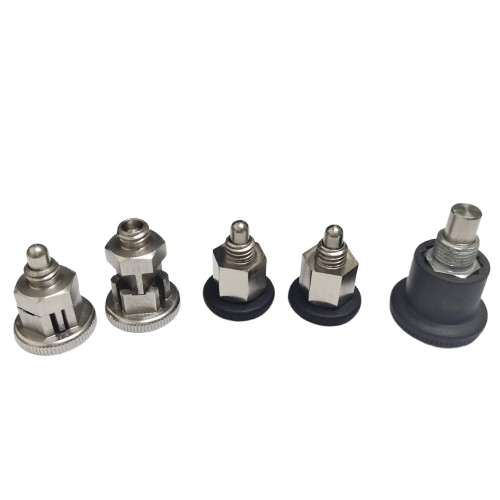
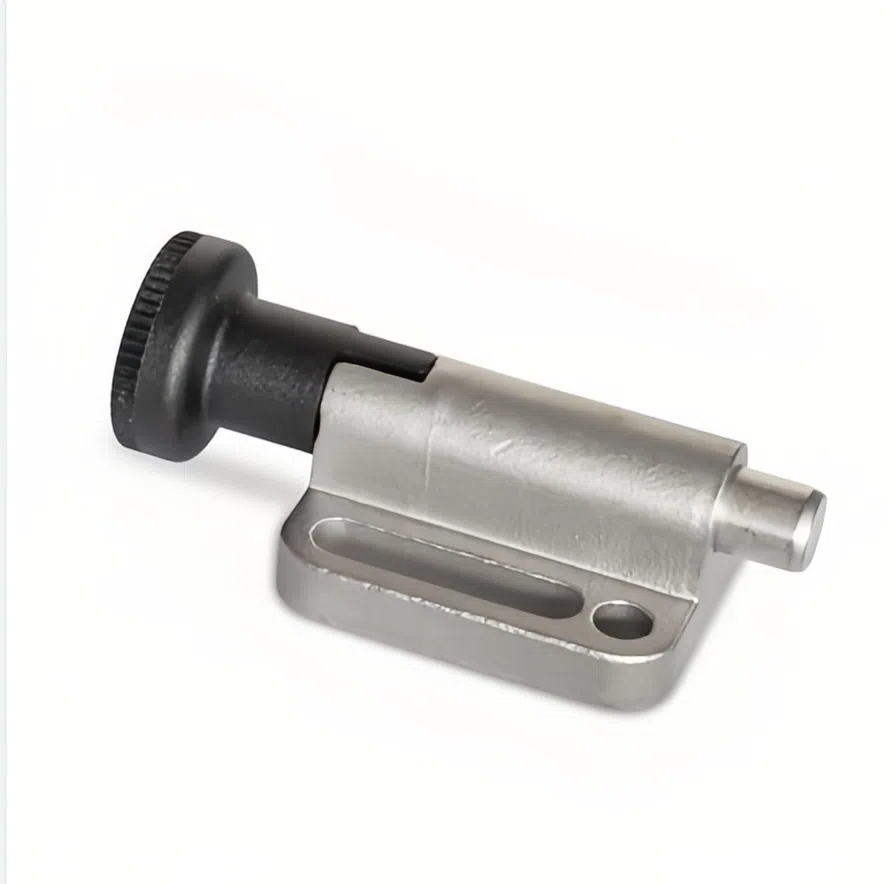
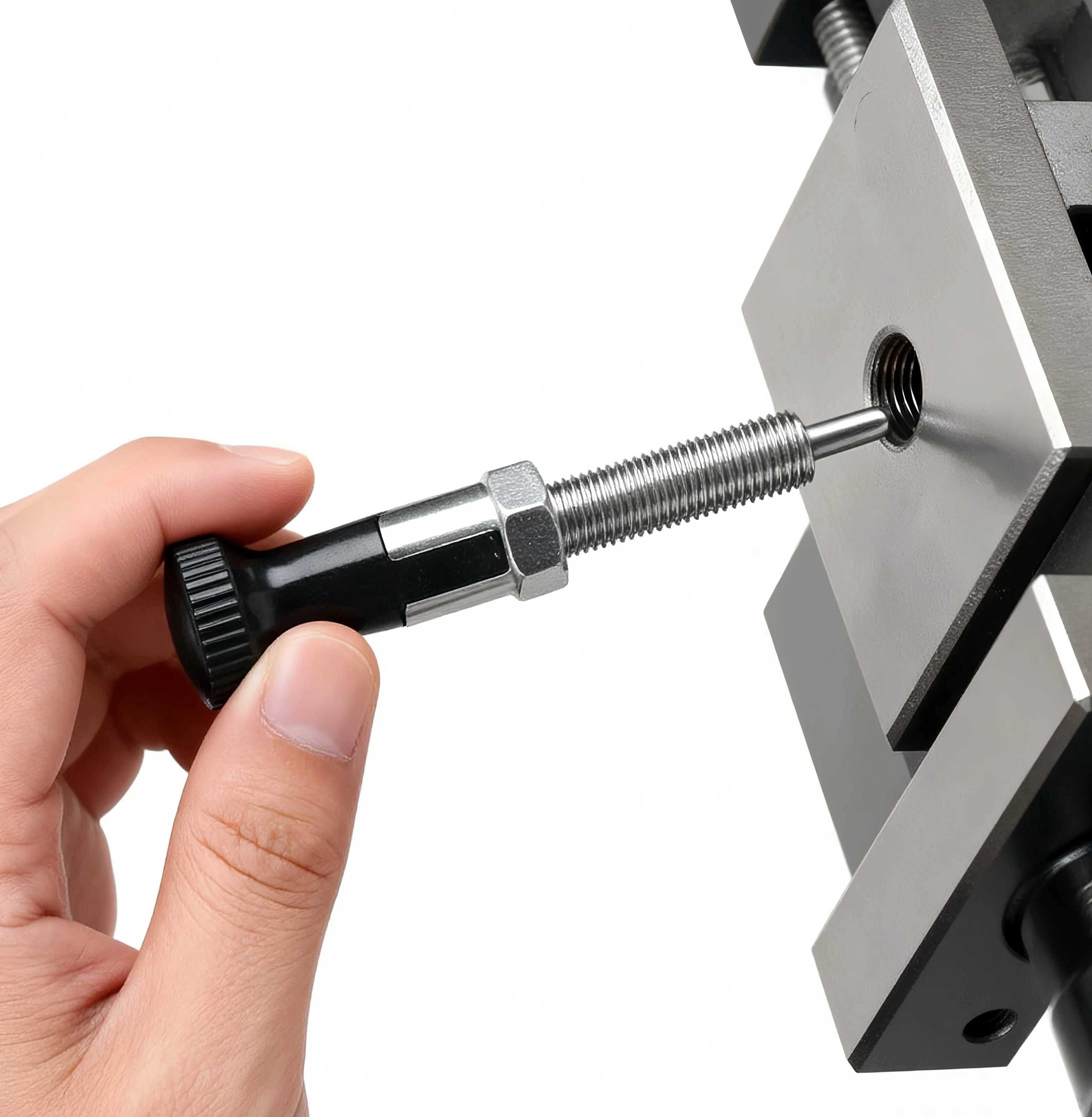
Quick release pins are mechanical fasteners that allow for rapid assembly and disassembly of components. They typically feature a locking mechanism, such as a spring-loaded ball or a push-button system, to hold them securely in place. These pins are widely used in industries such as aerospace, manufacturing, marine, and automotive applications, where frequent adjustments or removals are required.
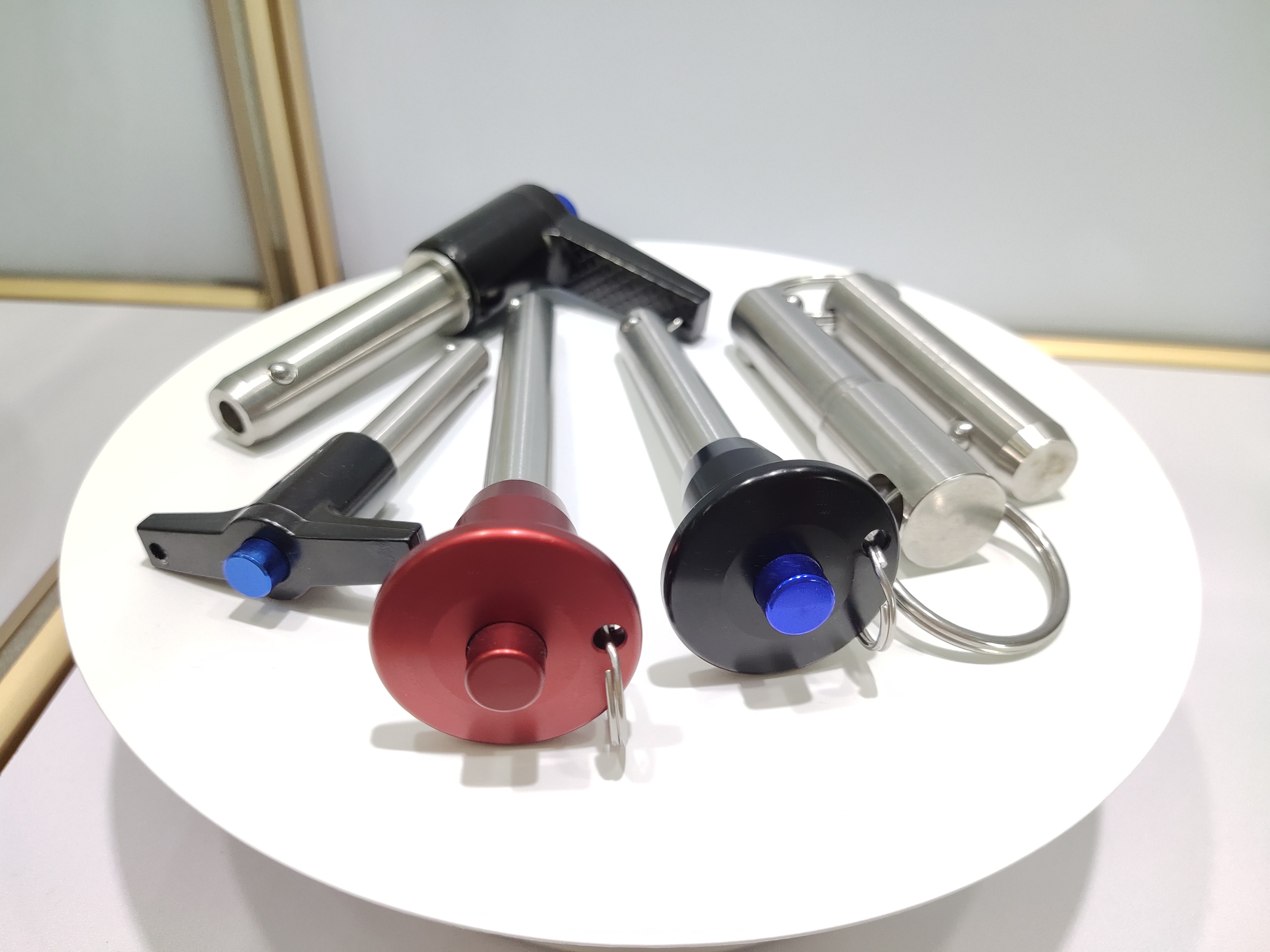
Factors Affecting Quick Release Pins in High-Temperature Environments
Using quick release pins in high-temperature environments presents several challenges. The performance of these pins depends on the following factors:
1. Material Composition
The most critical factor in determining whether a quick release pin can withstand high temperatures is the material it is made from. Common materials used for quick release pins include:
- Stainless Steel: Grades such as 316 and 17-4 PH stainless steel offer excellent heat resistance and corrosion protection, making them ideal for high-temperature applications.
- Titanium: Known for its high strength-to-weight ratio and exceptional heat resistance, titanium is often used in aerospace and industrial applications where extreme temperatures are present.
- High-Temperature Alloys (e.g., Inconel, Hastelloy): These specialized alloys are designed to withstand extreme heat, often exceeding 1000°F (537°C), making them suitable for the most demanding environments.
2. Locking Mechanism Performance
Most quick release pins use a ball-lock or push-button mechanism, which relies on internal springs. At high temperatures, standard springs may lose their elasticity or weaken, leading to failure of the locking mechanism. For high-temperature applications, heat-resistant or Inconel springs are recommended to maintain the locking function.
3. Expansion and Contraction
Metals expand when exposed to high heat and contract when they cool. If a quick release pin expands too much, it may become difficult to remove or install. Selecting a material with a lower thermal expansion coefficient, such as titanium or specific stainless steel grades, can minimize these effects.
4. Surface Coatings and Treatments
Some quick release pins feature coatings like zinc plating, black oxide, or anodizing to enhance durability. However, not all coatings can withstand extreme temperatures. Ceramic or high-temperature-resistant coatings are recommended to prevent oxidation or degradation in high-heat environments.
Applications of Quick Release Pins in High-Temperature Environments
Quick release pins are used in several high-temperature applications, including:
- Aerospace and Aviation: In aircraft engines, turbine systems, and exhaust components, where temperatures can reach extremely high levels.
- Automotive and Racing: In high-performance engines, exhaust systems, and heat-intensive areas such as turbochargers.
- Industrial Furnaces and Ovens: In high-heat manufacturing processes where quick access and fastening are required.
- Power Plants and Refineries: In boiler systems, steam turbines, and other equipment exposed to extreme heat.
Choosing the Right Quick Release Pin for High-Temperature Use
To ensure optimal performance in high-temperature environments, consider the following when selecting a quick release pin:
- Material Selection: Choose heat-resistant materials like stainless steel (17-4 PH, 316), titanium, or Inconel for extreme temperatures.
- Spring Durability: Opt for heat-resistant springs to prevent failure in the locking mechanism.
- Size and Tolerance: Ensure that thermal expansion won’t affect the pin’s ability to function correctly.
- Surface Treatment: Avoid coatings that degrade at high temperatures and consider ceramic coatings if extra protection is needed.
- Application Requirements: Assess the specific temperature range your pin will be exposed to and ensure it meets the necessary specifications.
Explore our self-locking pins for secure and reliable fastening in industrial applications. Durable and efficient, they ensure precise positioning and stability. Contact us for custom solutions tailored to your needs.
How Do You Install A Quick Release Pin
What Are Industrial Fasteners
Related Article