Quick Release Pins Vs Spring Pins
Quick Release Pins vs Spring Pins: Key Differences and Applications
When it comes to fastening components in mechanical systems, selecting the right type of pin is crucial for ensuring secure and efficient connections. Quick release pins and spring pins are two commonly used fastening solutions in various industries, but they serve different purposes and have unique characteristics. Understanding the differences between these two types of pins can help you make an informed choice based on your application needs.
In this article, we will compare quick release pins and spring pins, highlighting their key features, advantages, and typical applications.


What Are Quick Release Pins?
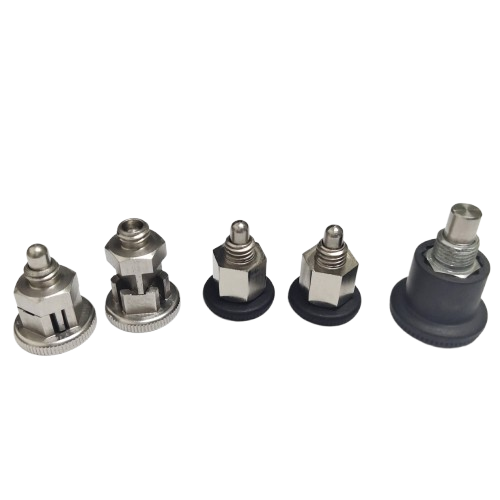
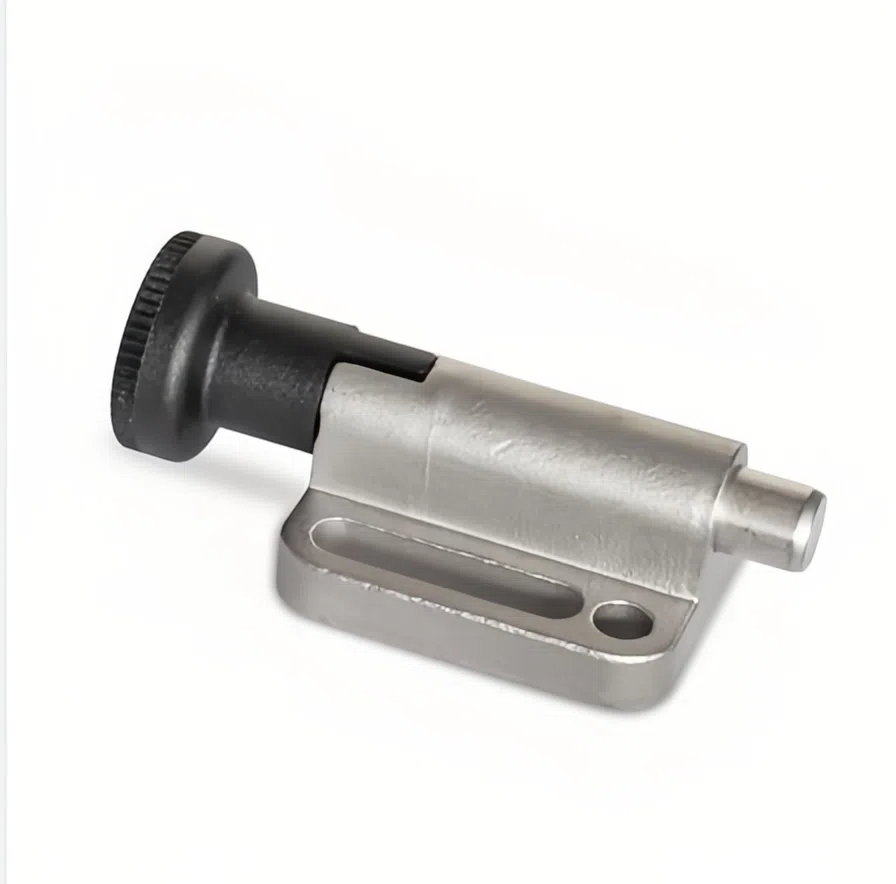
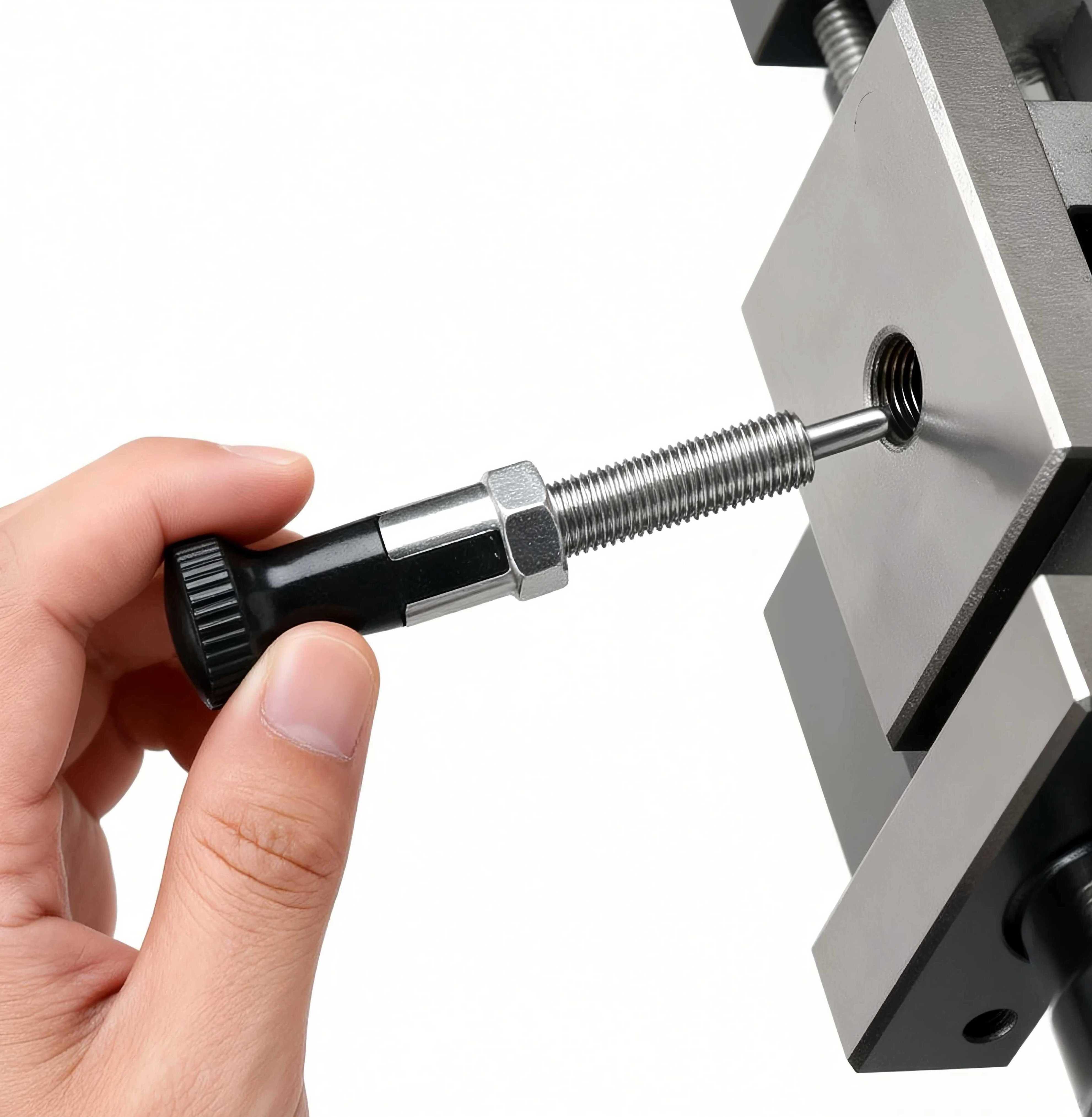
A quick release pin is a type of pin designed to securely fasten two components together while allowing for easy removal when needed. The primary feature of quick release pins is their locking mechanism, which ensures that the pin remains in place until intentionally released. These pins are typically spring-loaded and can be released via a button, pull ring, or twist-lock mechanism.
Key Characteristics:
- Locking Mechanism: Quick release pins are equipped with a locking mechanism (e.g., ball bearings, detents, or spring-loaded locks) that holds the pin in place.
- Easy Removal: The release mechanism allows the pin to be removed quickly without the need for tools or complex processes.
- Secure Fit: Quick release pins provide a secure and reliable fastening solution for components that need to be periodically separated.
What Are Spring Pins?
A spring pin (also known as a roll pin or tension pin) is a type of cylindrical pin made from a coiled or spring-like material. It is designed to be inserted into a hole or slot to fasten components together by exerting radial force against the walls of the hole. Spring pins are typically used for static applications where the pin is not intended to be removed frequently.
Key Characteristics:
- Spring Action: Spring pins work by compressing during insertion and then expanding to exert tension against the surrounding material, creating a secure fit.
- Permanent or Semi-Permanent Fixation: Unlike quick release pins, spring pins are not designed for easy removal; they are intended for a more permanent or semi-permanent installation.
- No Locking Mechanism: Spring pins rely on the friction between the pin and the hole for holding power, rather than a locking mechanism.
Key Differences Between Quick Release Pins and Spring Pins
1. Mechanism of Release
-
Quick Release Pins: These pins are specifically designed for fast, tool-free removal. They feature a locking mechanism (such as a spring-loaded ball or detent) that keeps the pin securely in place until the user activates the release mechanism. The release can be as simple as pressing a button or pulling a ring.
-
Spring Pins: Spring pins, on the other hand, do not have a release mechanism. They rely on friction and compression to stay in place and are not intended to be removed easily. To remove a spring pin, typically, a tool or force is required, as the pin is designed to tightly fit the hole.
2. Ease of Installation and Removal
-
Quick Release Pins: These pins excel in applications that require frequent disassembly or adjustment. Their easy-to-use release mechanisms make installation and removal quick and hassle-free. This feature is especially useful in machinery or equipment that requires regular maintenance or part swaps.
-
Spring Pins: Spring pins are easier to install than quick release pins but are much more difficult to remove. The tension created by the pin’s expansion can make removal challenging without proper tools, such as a punch or hammer, which can be time-consuming and labor-intensive.
3. Load Handling and Strength
-
Quick Release Pins: The locking mechanism of quick release pins generally provides a higher degree of security, especially when the pin needs to resist external forces. These pins are often used in applications where the pin needs to handle moderate to heavy loads but still be easily removed for adjustments.
-
Spring Pins: Spring pins typically handle lower loads compared to quick release pins. Their strength comes from the radial force they exert on the hole, making them suitable for applications where the pin needs to stay in place during normal operation but doesn’t need to resist high forces or heavy loads.
4. Applications
-
Quick Release Pins: These are commonly used in industries where quick assembly and disassembly are necessary. They are widely used in the aerospace, automotive, and military industries, as well as in heavy machinery and construction equipment. Quick release pins are ideal for applications where parts need to be swapped or removed frequently, such as securing panels, doors, or frames.
-
Spring Pins: Spring pins are ideal for static applications where parts are not intended to be removed often. They are commonly used in automotive and mechanical applications, such as securing gears, shafts, or pulleys. Spring pins are also used in furniture assembly, electrical enclosures, and in manufacturing processes where permanent or semi-permanent fastening is required.
5. Cost and Complexity
-
Quick Release Pins: Due to their complexity and additional locking mechanisms, quick release pins are generally more expensive than spring pins. The ease of use and versatility they offer make them a valuable investment for specific applications that require quick changes or adjustments.
-
Spring Pins: Spring pins are simpler in design and manufacturing, making them a more cost-effective solution for applications that do not require quick removal. Their straightforward design and lower cost make them a popular choice for general-purpose fastening in less demanding environments.
Advantages and Disadvantages
Quick Release Pins
Advantages:
- Fast and easy to install and remove.
- Ideal for frequent disassembly or adjustments.
- Secure locking mechanism ensures reliable retention.
Disadvantages:
- More expensive than spring pins.
- May not be suitable for all load-bearing applications.
Spring Pins
Advantages:
- Cost-effective and simple design.
- Ideal for static, permanent, or semi-permanent fastening.
- Strong radial force ensures a secure fit.
Disadvantages:
- Not easily removable, requiring tools or force.
- Limited load capacity compared to quick release pins.
Explore our spring loaded detent pins and spring ball pins for secure and efficient fastening in industrial applications. Reliable and durable solutions for your needs.
How to Choose The Right Indexing Plunger
How Is A Quick Release Pin Measured
Related Article