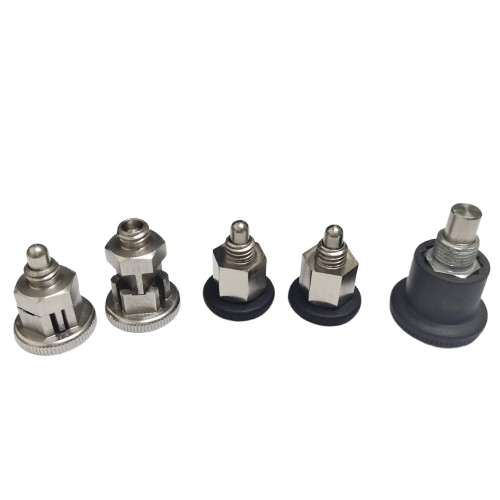
Are Stainless Steel Indexing Plungers Better Than Carbon Steel Ones
Are Stainless Steel Indexing Plungers Better Than Carbon Steel Ones?
Indexing plungers are widely used in industrial applications where precise positioning and secure locking are required. They are available in various materials, with stainless steel and carbon steel being the most common choices. Choosing between the two depends on several factors, including durability, corrosion resistance, strength, and cost. This article compares stainless steel and carbon steel indexing plungers to help determine which is the better option for your application.
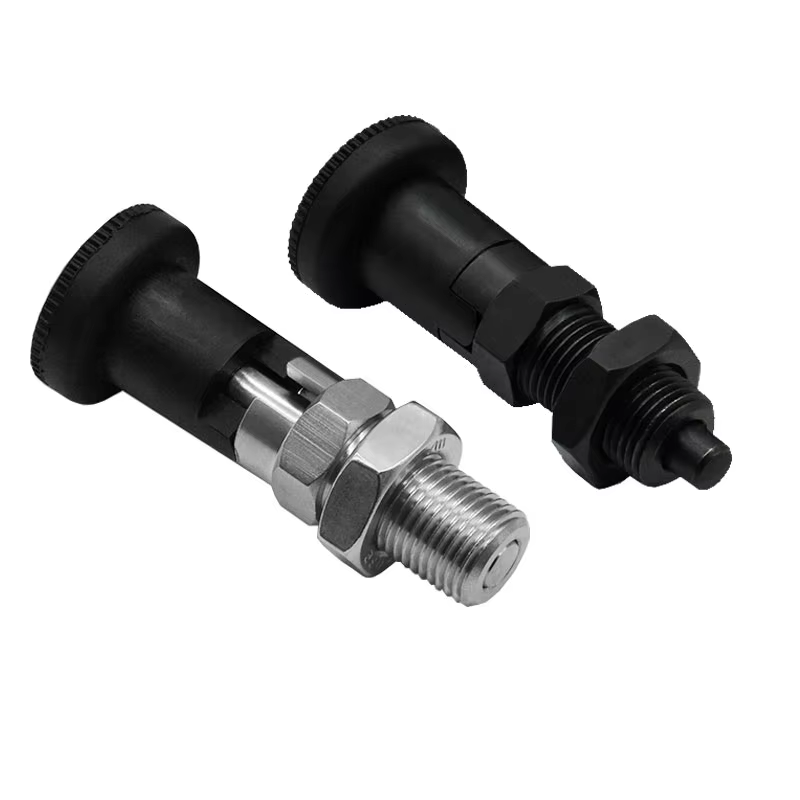
1. Understanding Indexing Plungers
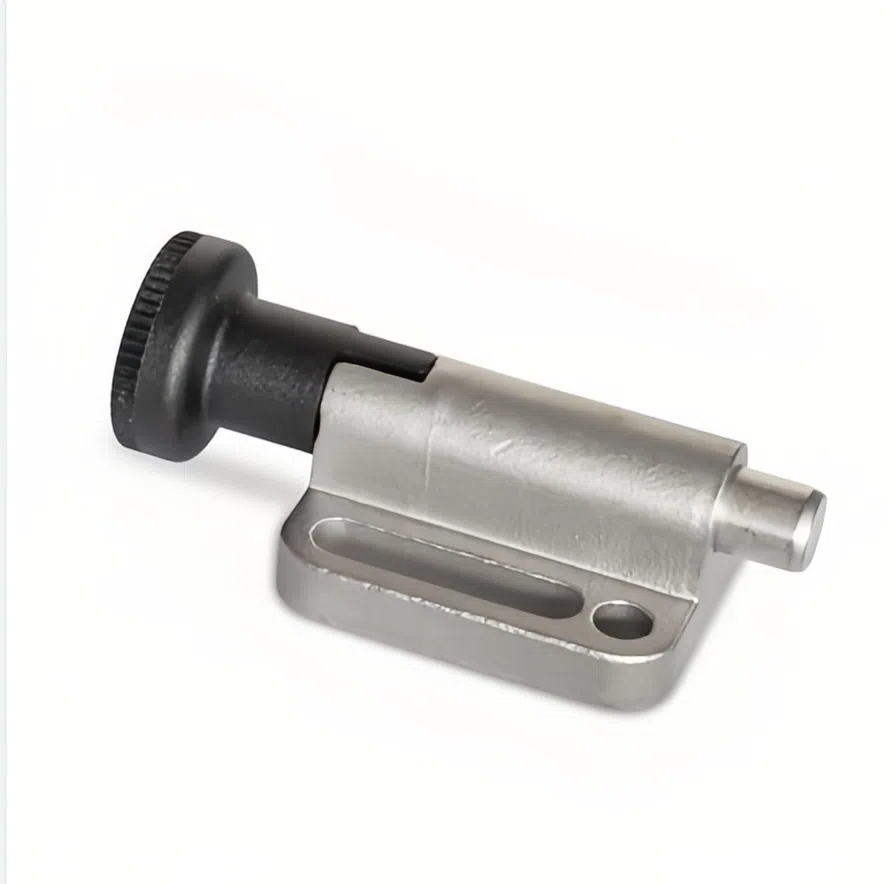
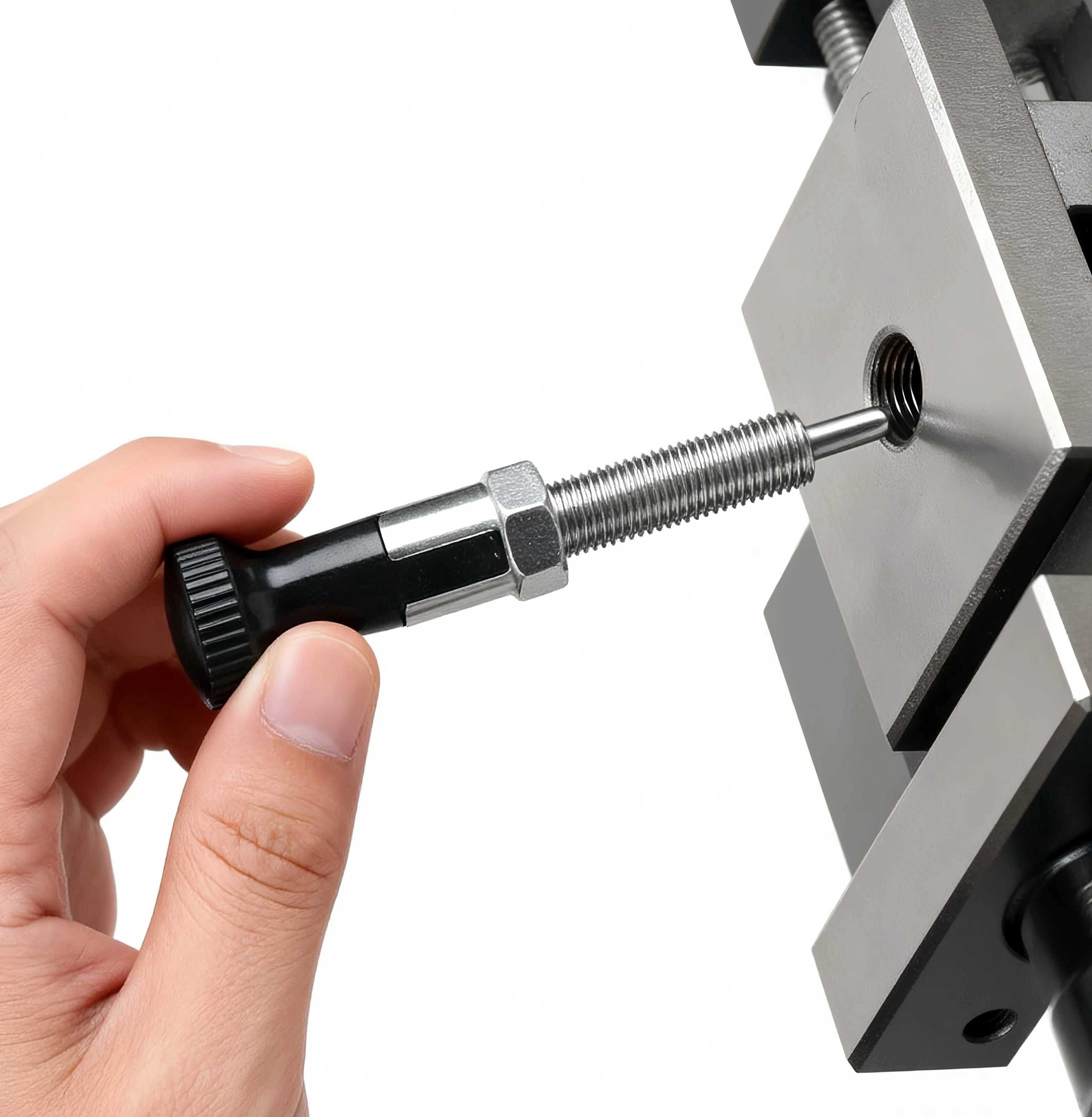
An indexing plunger is a mechanical component designed to temporarily lock or position moving parts. It consists of a spring-loaded pin that can be manually or automatically engaged and disengaged. These plungers are commonly used in machinery, automation systems, fixtures, and transportation equipment.
The material composition of an indexing plunger significantly impacts its performance, longevity, and suitability for different environments.
2. Key Differences Between Stainless Steel and Carbon Steel Indexing Plungers
1) Corrosion Resistance
Stainless Steel: Offers excellent resistance to rust and corrosion, making it ideal for humid, marine, or chemically exposed environments.
Carbon Steel: Prone to rust and corrosion if not coated or treated, limiting its use in harsh conditions.
Winner: Stainless steel is the better choice for applications requiring high corrosion resistance.
2) Strength & Durability
Carbon Steel: Generally has higher tensile strength and hardness compared to standard stainless steel grades, making it more suitable for heavy-duty applications.
Stainless Steel: While strong, it is slightly softer than carbon steel, meaning it may wear down faster in high-friction environments.
Winner: Carbon steel is better for applications that require extreme load-bearing strength.
3) Temperature Resistance
Stainless Steel: Performs well in high-temperature environments and retains strength even under extreme heat.
Carbon Steel: May weaken under prolonged exposure to high temperatures unless specially treated.
Winner: Stainless steel is more reliable for high-temperature applications.
4) Maintenance & Longevity
Stainless Steel: Requires minimal maintenance due to its corrosion resistance and durability.
Carbon Steel: Needs regular maintenance, including lubrication and protective coatings, to prevent rust and wear.
Winner: Stainless steel offers a longer lifespan with less maintenance.
5) Cost & Affordability
Stainless Steel: More expensive due to the higher cost of raw materials and manufacturing.
Carbon Steel: More affordable, making it a cost-effective solution for budget-conscious projects.
Winner: Carbon steel is the better choice for cost-sensitive applications.
3. When to Choose Stainless Steel Indexing Plungers
Outdoor & Marine Environments – Prevents rust and withstands exposure to moisture.
Food Processing & Medical Equipment – Meets hygiene and safety standards.
High-Temperature Applications – Retains strength under heat.
Minimal Maintenance Requirements – Ideal for long-term use without regular servicing.
4. When to Choose Carbon Steel Indexing Plungers
Heavy-Duty Industrial Equipment – Provides higher strength for demanding loads.
Cost-Sensitive Applications – More economical for large-scale use.
Indoor & Controlled Environments – Where corrosion resistance is less critical.
Machinery with High Mechanical Stress – Offers better hardness for repeated engagement.
5. Conclusion: Which One Is Better?
There is no universal answer—the best choice depends on the specific application.
- If you need corrosion resistance, longevity, and low maintenance, stainless steel is the superior option.
- If you prioritize strength, affordability, and heavy-load capability, carbon steel is the better choice.
Understanding your application’s environment, load requirements, and budget will help you select the most suitable indexing plunger material.
Discover our spring loaded pin lock solutions for secure and efficient fastening in industrial applications. Durable and reliable, they ensure precise positioning and stability. Contact us for custom options today.
What Are Fasteners
The Difference Between A Spring Plunger And A Ball Plunger
Related Article