How Many Types Of Stainless Steel Are There
How Many Types of Stainless Steel Are There?
Which Are Best for Indexing Plungers, Quick Release Pins, and Spring Plungers?
Stainless steel is a widely used material known for its corrosion resistance, strength, and durability. It is classified into several types based on its chemical composition and properties, making it suitable for different industrial applications. When it comes to precision components like indexing plungers, quick release pins, and spring plungers, choosing the right type of stainless steel is crucial for performance and longevity.

-
Types of Stainless Steel
Stainless steel is generally categorized into five main types:
- Austenitic Stainless Steel – The most common type, known for excellent corrosion resistance and good mechanical properties. Examples include 304 and 316 stainless steel.
- Martensitic Stainless Steel – Offers high strength and hardness but lower corrosion resistance. Examples include 410 and 420 stainless steel.
- Ferritic Stainless Steel – Known for good corrosion resistance and magnetic properties but lower strength. Examples include 430 stainless steel.
- Duplex Stainless Steel – A mix of austenitic and ferritic structures, offering high strength and superior corrosion resistance.
- Precipitation-Hardening (PH) Stainless Steel – Provides a combination of strength, corrosion resistance, and hardness. 17-4 PH stainless steel is a common example.
-
Best Stainless Steel Types for Indexing Plungers, Quick Release Pins, and Spring Plungers
These precision components require materials that provide both strength and corrosion resistance, especially in industrial and outdoor applications. The following stainless steel types are the best choices:
1. 304 Stainless Steel
- Best for: General-purpose applications
- Advantages: Excellent corrosion resistance, good strength, non-magnetic
- Usage: Suitable for indexing plungers and quick release pins in standard environments
2. 316 Stainless Steel
- Best for: Marine and harsh environments
- Advantages: Higher corrosion resistance than 304, especially against saltwater and chemicals
- Usage: Ideal for indexing plungers and spring plungers used in outdoor or chemical exposure applications
3. 410 Stainless Steel
- Best for: High-strength applications
- Advantages: High hardness and wear resistance, moderate corrosion resistance
- Usage: Commonly used in quick release pins where mechanical strength is a priority
4. 17-4 PH Stainless Steel
- Best for: Heavy-duty and high-strength applications
- Advantages: Excellent strength, good corrosion resistance, can be heat-treated for added hardness
- Usage: Used in high-performance quick release pins and indexing plungers requiring durability
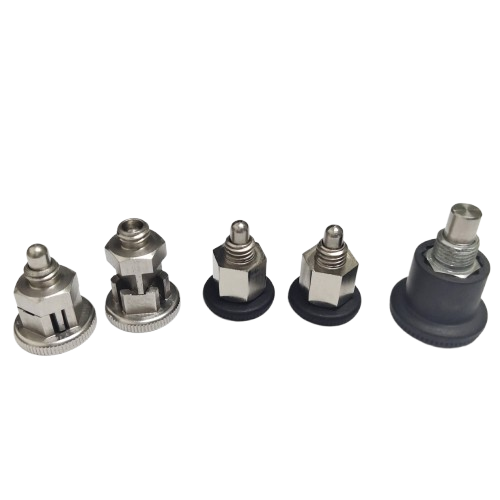
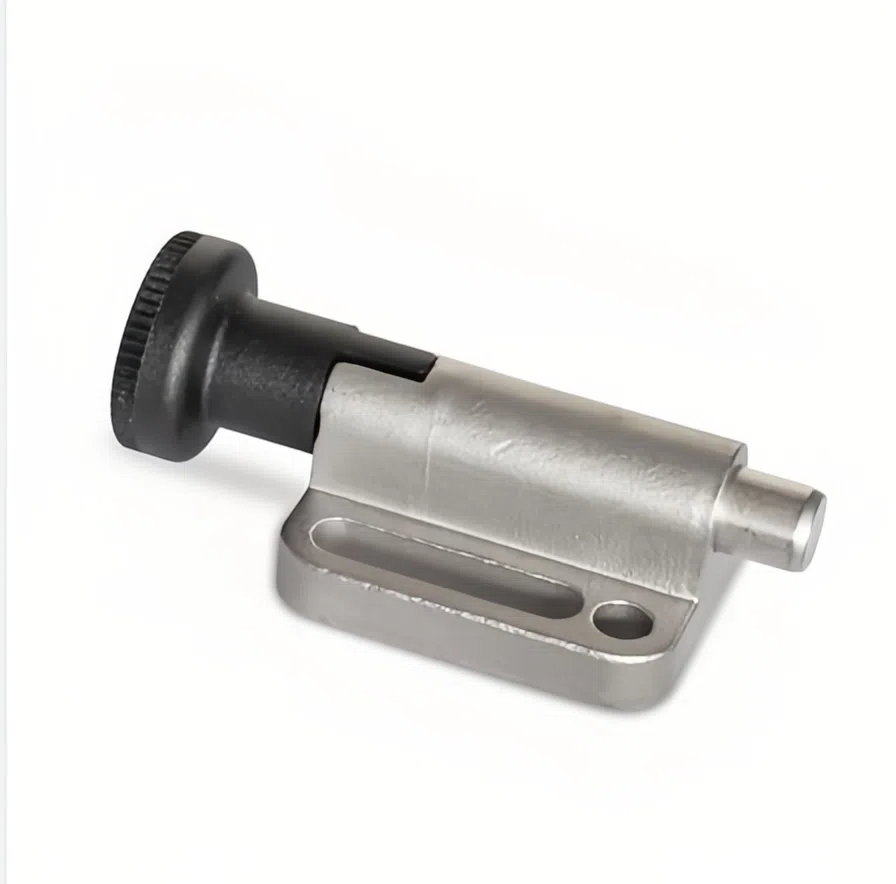
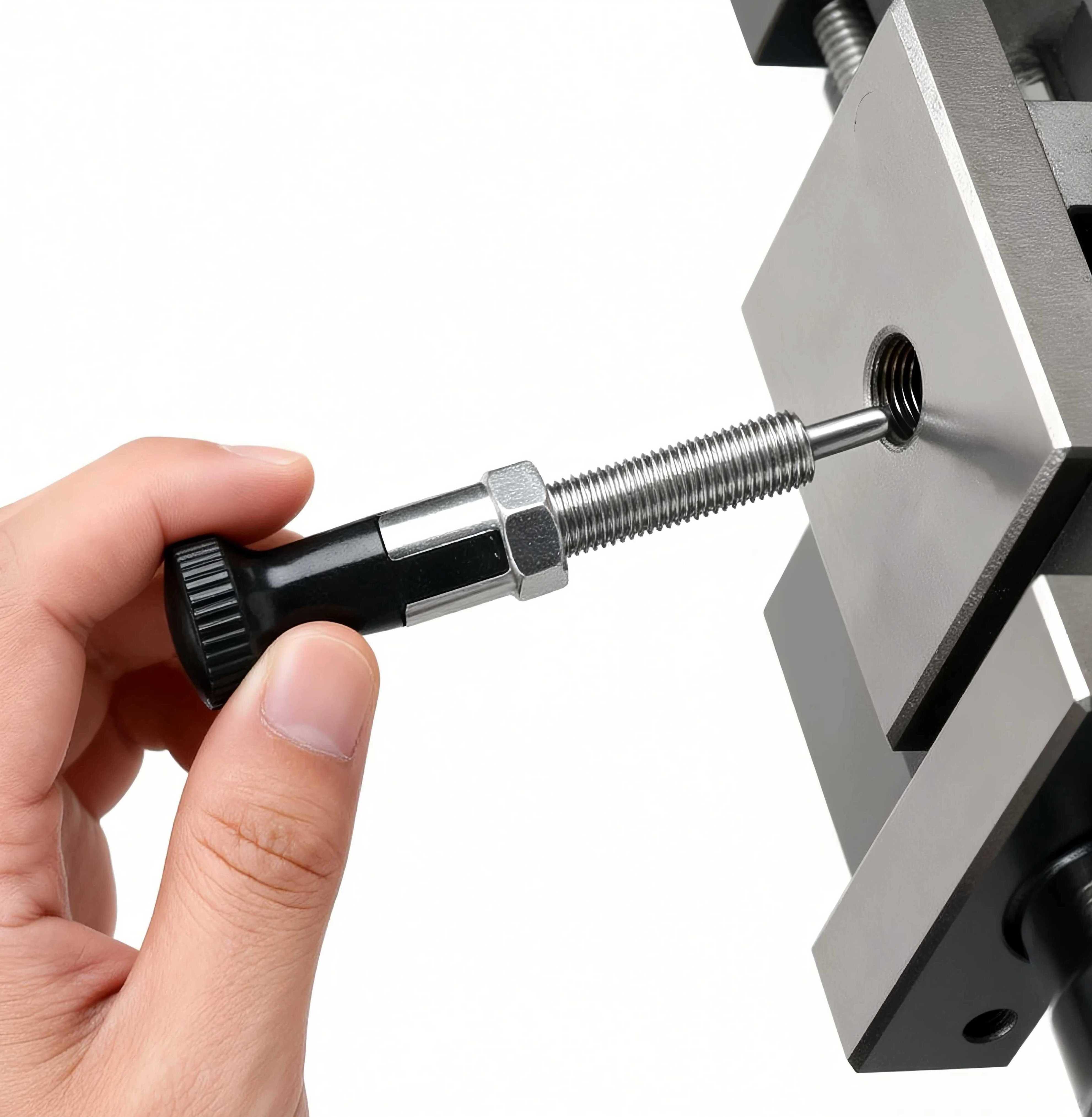
Explore our stainless steel plungers and steel plungers for durable and reliable performance in industrial applications. Precision-engineered for smooth operation and long-lasting use. Contact us today.
What Are The Parts Of Cnc Machine
How to Remove A Spring Pin
Related Article