How Is A Quick Release Pin Measured
How Is A Quick Release Pin Measured? Understanding the Key Dimensions
Quick release pins are essential fasteners used in various applications, from machinery to aerospace. Their primary function is to provide a secure connection between two components that can be quickly and easily disengaged when needed. To ensure that a quick release pin fits correctly and functions as intended, accurate measurement is crucial. In this article, we will explore the key dimensions and methods for measuring quick release pins, helping you choose the right pin for your application.

What Is a Quick Release Pin?
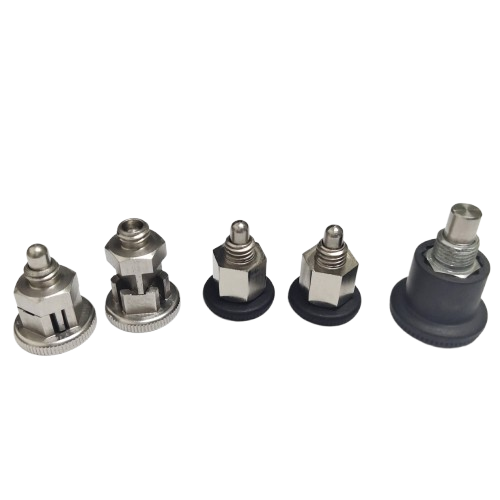
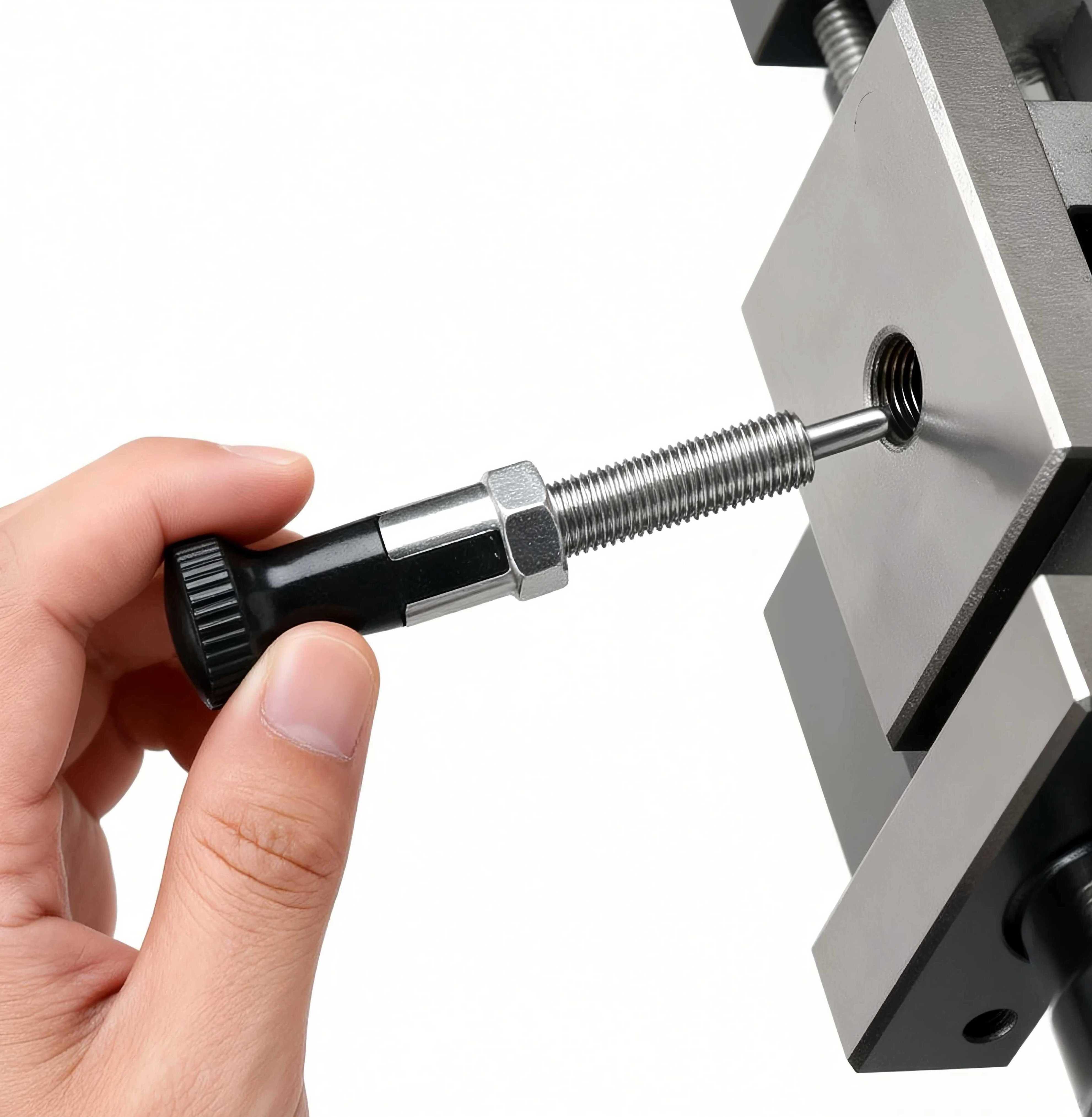
A quick release pin is a type of fastener that is designed to lock components securely in place but can be easily removed by pulling a ring, pressing a button, or using another release mechanism. The pin usually consists of a shaft with a locking mechanism at one or both ends. When inserted into a hole or slot in an assembly, the pin locks into place and prevents movement, offering a simple solution for quick assembly and disassembly.
These pins are commonly used in industries such as manufacturing, construction, and aerospace, where efficiency and ease of use are critical. To ensure the pin fits properly and performs reliably, it must be measured correctly according to specific parameters.
Key Dimensions of a Quick Release Pin
When measuring a quick release pin, there are several key dimensions to consider. Each of these dimensions plays a critical role in determining how well the pin will fit into the application. Here are the main measurements:
1. Pin Diameter
The diameter of the pin is one of the most critical measurements. It refers to the thickness of the pin’s shaft, which must match the diameter of the hole or slot in the assembly where the pin will be inserted. The pin diameter ensures that the pin fits snugly, preventing slippage or looseness.
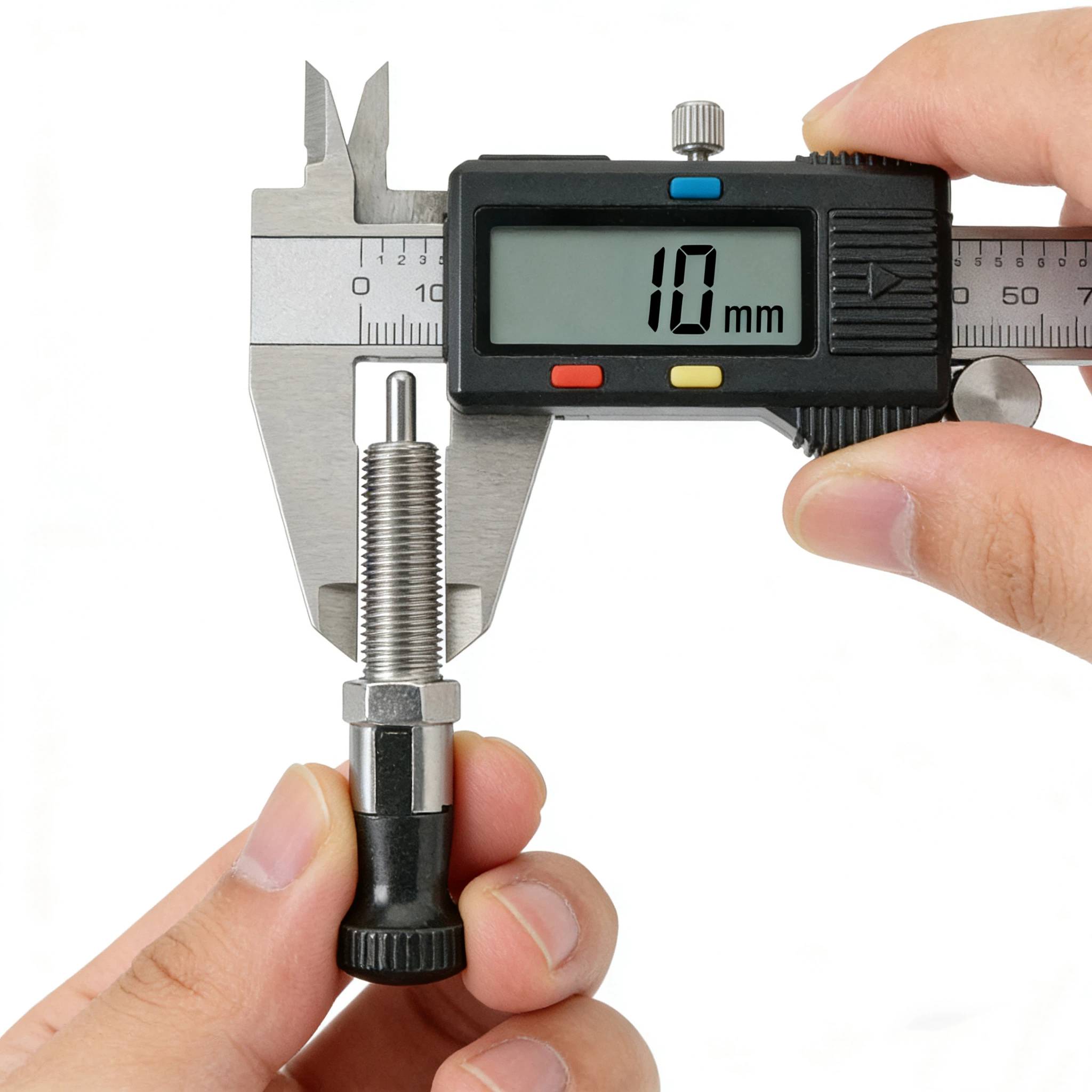
- How to measure: The diameter can be measured using a caliper or micrometer. Measure the widest part of the pin's shaft (typically near the center) to obtain the accurate diameter.
2. Pin Length
Pin length refers to the overall length of the pin from one end to the other. The correct length ensures that the pin can pass fully through the hole or slot, allowing the locking mechanism to engage properly. It’s important that the pin is long enough to provide a secure fit but not so long that it interferes with the surrounding components.
- How to measure: To measure the length, place the pin on a flat surface and use a ruler or caliper to measure from one end of the pin to the other, ensuring the measurement is straight and not skewed.
3. Grip Length (Engagement Length)
The grip length (or engagement length) is the portion of the pin that actually engages with the hole or slot in the components being fastened. It determines how deeply the pin fits into the assembly and how much of the pin is locked in place. The grip length is especially important for ensuring the pin’s locking mechanism works effectively.
- How to measure: Measure the length of the pin from the point where the pin enters the hole or slot to the point where the locking mechanism (such as a ball or notch) engages. This is often different from the overall length, especially in the case of pins with protruding locking mechanisms.
4. Locking Mechanism Size and Position
Quick release pins typically have a ball or other locking mechanism that secures the pin inside the hole. The size and position of this mechanism are crucial for determining how securely the pin will stay in place. If the locking mechanism is too large, it may not fit into the hole properly; if it’s too small, it may not provide enough retention force.
- How to measure: Measure the diameter of the locking mechanism (e.g., the ball or detent) to ensure it will fit into the corresponding hole or slot. Also, check the distance between the mechanism and the pin’s end to confirm it will engage correctly with the assembly.
5. Shear Strength or Load Rating
While not a physical dimension, the shear strength or load rating of a quick release pin is an essential factor in determining how much weight the pin can handle before failure. Load ratings are typically provided by manufacturers and depend on the material, size, and design of the pin.
- How to measure: Shear strength is usually tested in controlled environments to determine how much weight the pin can withstand before bending, breaking, or failing. This information is often specified by the manufacturer and is crucial for ensuring the pin’s suitability for your specific application.
Measuring Tools Used for Quick Release Pins
To ensure accuracy, specific measuring tools are used when measuring quick release pins. The most common tools include:
- Calipers (Vernier or Digital): For measuring the pin diameter, length, and locking mechanism size. Calipers provide precise measurements down to fractions of a millimeter or inch.
- Micrometers: Used for more precise measurements, especially when checking the diameter of smaller pins.
- Ruler or Tape Measure: For quick and simple length measurements.
- Gage Pins: To check the fit of the pin in a hole or slot.
- Tensile Testing Machine: To measure the load-bearing capacity of the pin.
Why Accurate Measurement Is Important
Accurate measurement is critical when selecting and using quick release pins because an incorrect size can result in several issues:
- Loose Fit: If the pin is too small or the hole is too large, the pin will not stay securely in place, which can lead to failure during operation.
- Difficult Installation: If the pin is too large or the hole is too small, the pin may be difficult or impossible to insert, causing delays or damage.
- Inadequate Load Capacity: Incorrect sizing, especially when it comes to the locking mechanism or shear strength, can result in the pin failing under load, leading to potential safety hazards.
Discover our T-handle locking quick release pins and quick release push pins for secure and efficient fastening in industrial applications. Durable and reliable solutions tailored to your needs. Contact us today.
Quick Release Pins Vs Spring Pins
How Much Weight Can A Quick Release Pin Handle
Related Article