How Do Ball Plungers Compare To Detent Pins
Ball Plungers vs. Detent Pins: A Comparative Analysis of Two Essential Fastening Solutions
In the world of mechanical fastening, ball plungers and detent pins are two widely used components that serve similar yet distinct purposes. Both are designed to secure and position parts, but they differ in their mechanisms, applications, and advantages. This article provides a comprehensive comparison of ball plungers and detent pins, helping engineers and designers choose the right solution for their specific needs.
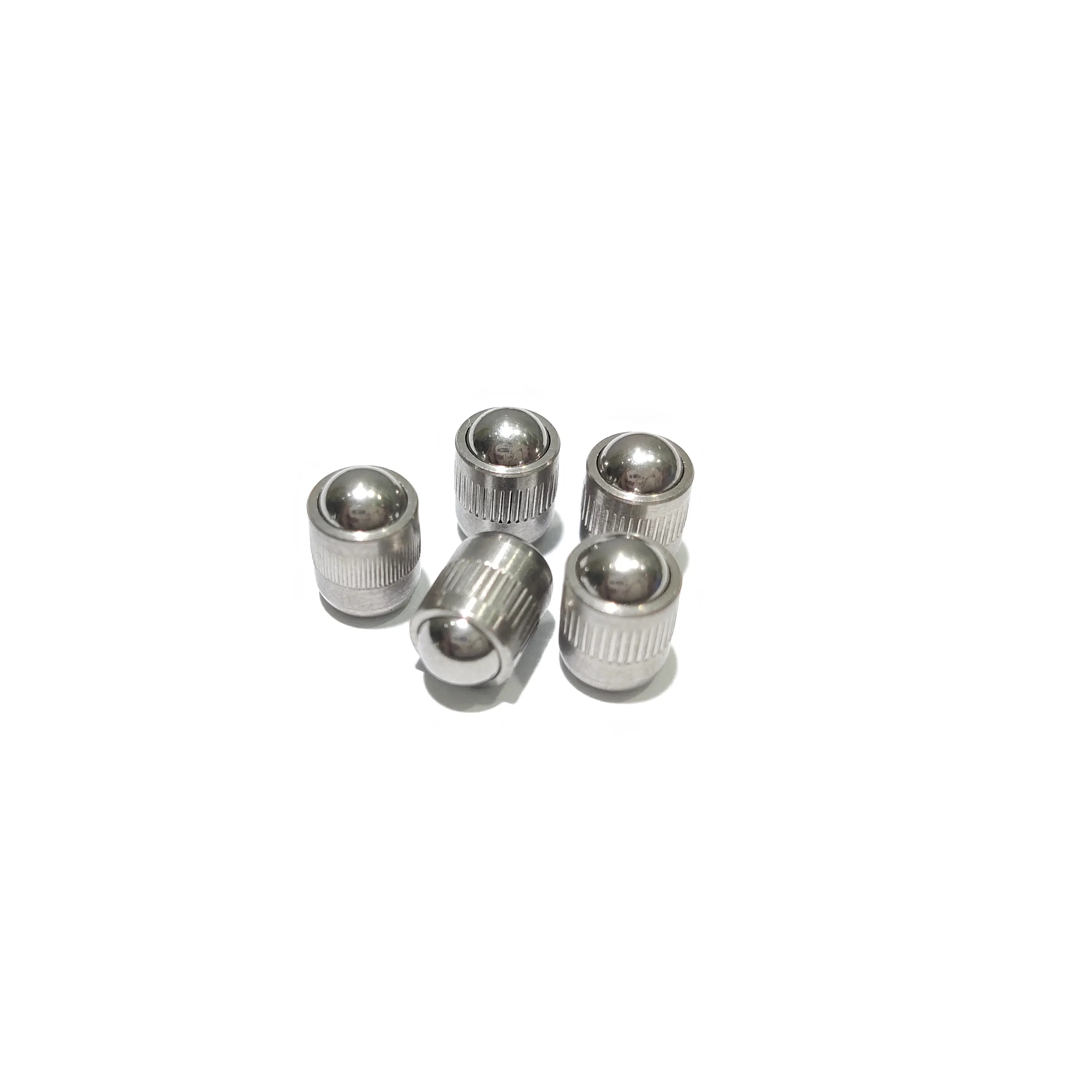
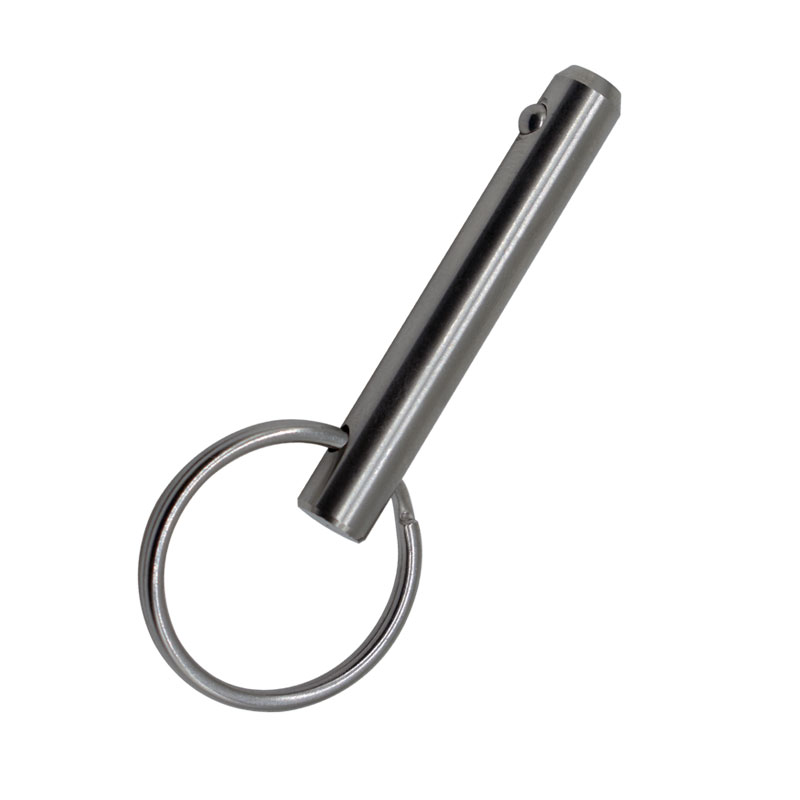
1. Mechanism and Design
Ball Plungers:
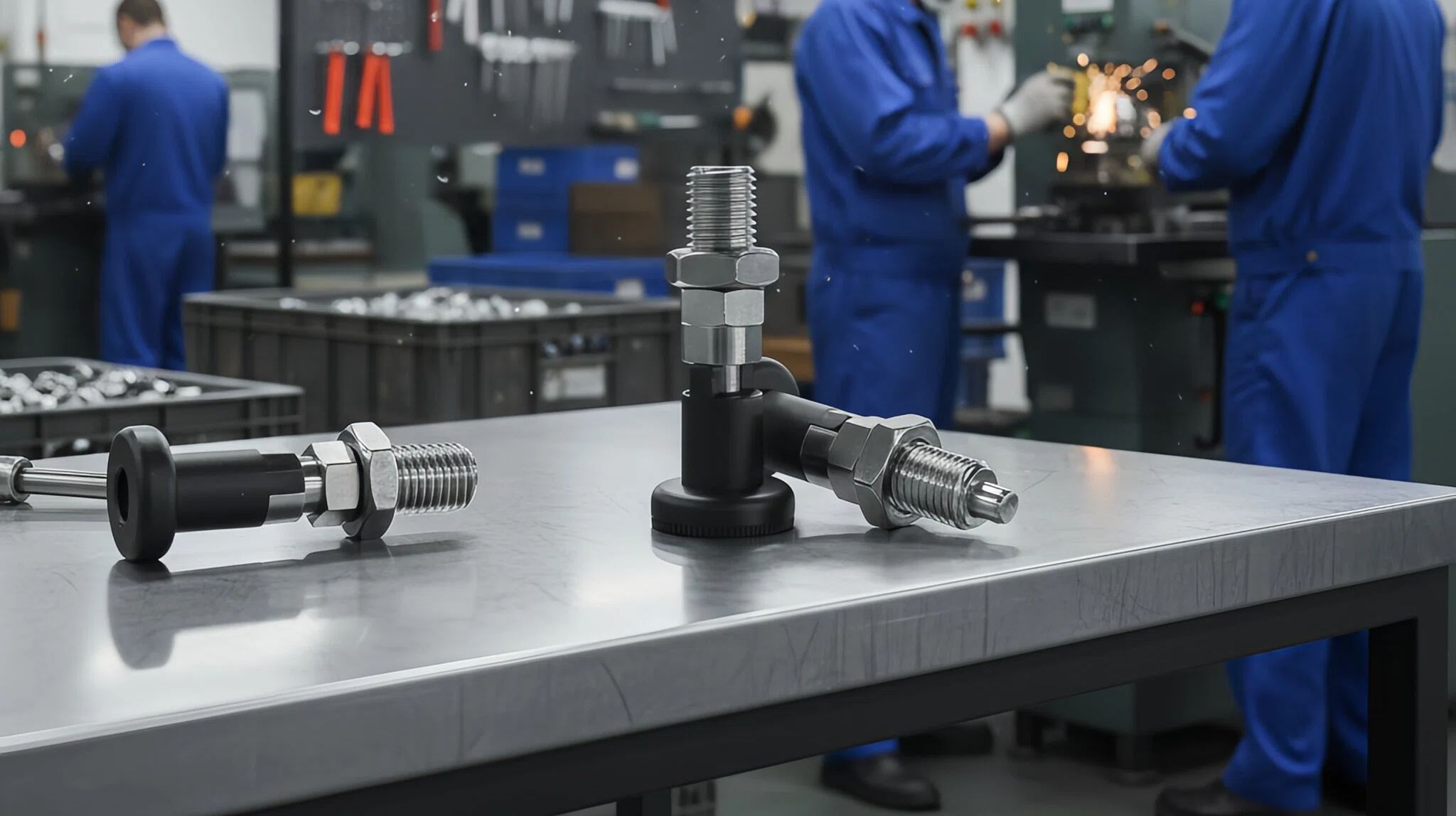
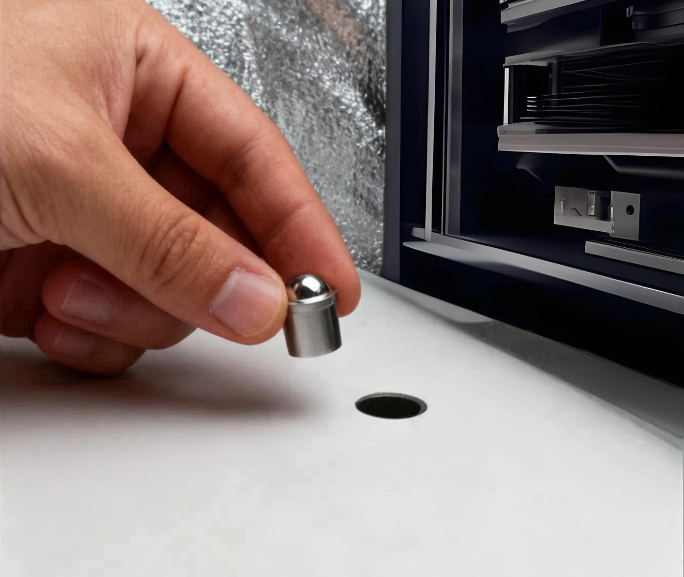
Ball plungers consist of a spring-loaded ball housed within a threaded body. When the ball is pressed against a surface, it retracts into the body, compressing the spring. Once the ball aligns with a detent hole or groove, it snaps into place, providing a secure and adjustable locking mechanism. The ball's movement allows for smooth engagement and disengagement, making ball plungers ideal for applications requiring frequent adjustments.
Detent Pins:
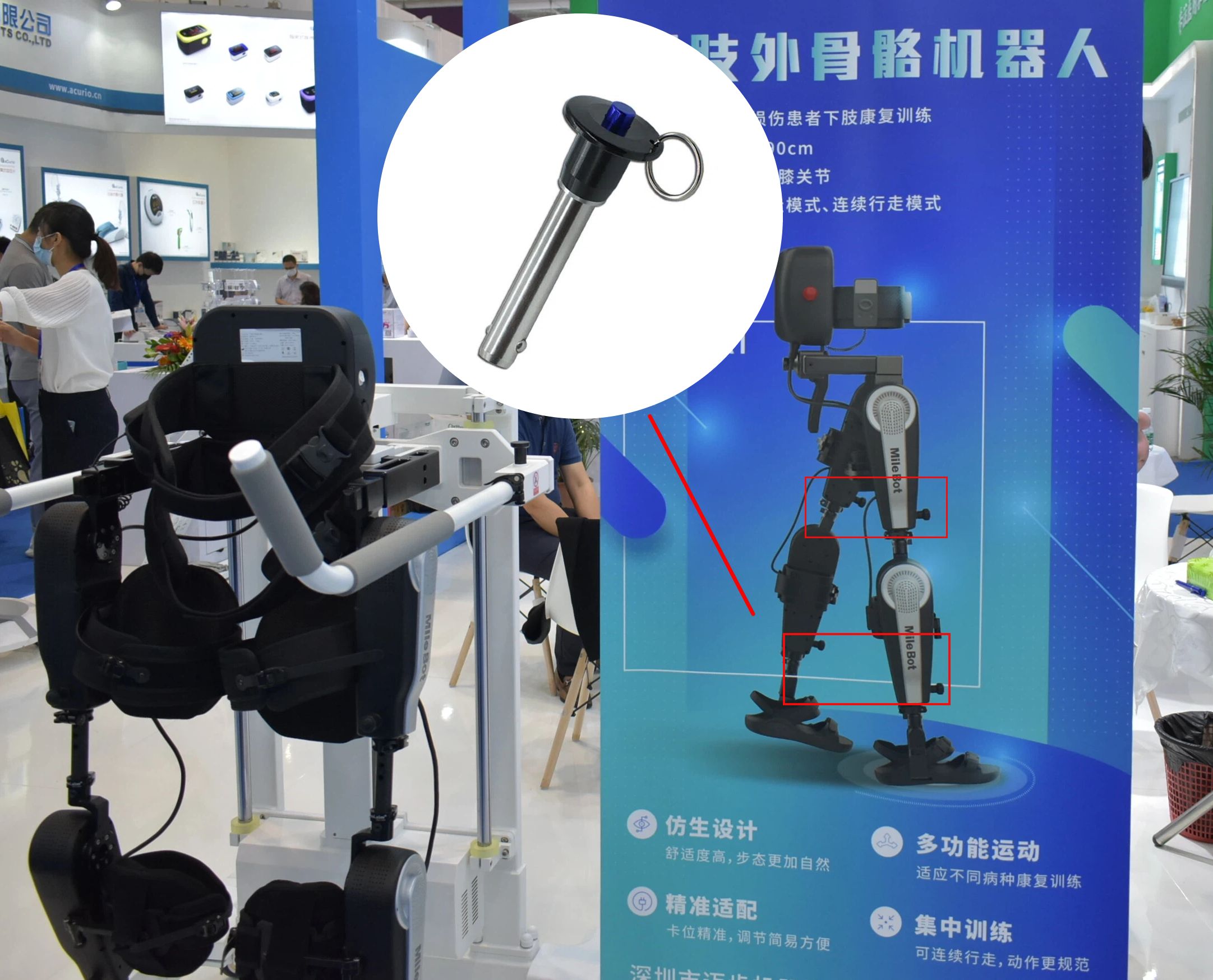
Detent pins, on the other hand, are typically solid pins with a spring-loaded mechanism that engages with a detent hole or groove. Unlike ball plungers, detent pins often feature a button or lever to release the locking mechanism, allowing for quick and easy removal. Detent pins provide a more rigid and secure connection, making them suitable for applications where stability and precision are paramount.
2. Applications
Ball Plungers:
Ball plungers are commonly used in applications where adjustable positioning and smooth operation are required. They are often found in fixtures, jigs, and machinery where parts need to be frequently repositioned or secured temporarily. Ball plungers are also used in consumer products, such as folding tools and adjustable furniture, where ease of use and flexibility are important.
Detent Pins:
Detent pins are typically used in applications requiring a more secure and stable connection. They are commonly found in automotive, aerospace, and industrial equipment, where precise alignment and reliable fastening are critical. Detent pins are also used in safety-critical applications, such as locking mechanisms for doors, hatches, and access panels, where a secure and tamper-resistant connection is essential.
3. Advantages and Disadvantages
-
Advantages:
-
Smooth and adjustable engagement.
-
Easy to install and use.
-
Suitable for applications requiring frequent adjustments.
-
-
Disadvantages:
-
Less secure compared to detent pins.
-
May not provide sufficient holding force for heavy-duty applications.
-
-
Advantages:
-
Provides a secure and rigid connection.
-
Suitable for high-stress and safety-critical applications.
-
Often features a quick-release mechanism for easy removal.
-
-
Disadvantages:
-
Less adjustable compared to ball plungers.
-
May require more force to engage and disengage.
-
4. Material and Durability
Both ball plungers and detent pins are available in a variety of materials, including stainless steel, brass, and plastic, to suit different environmental conditions and load requirements. Stainless steel versions offer excellent corrosion resistance and durability, making them suitable for harsh environments. Plastic versions are lightweight and resistant to chemicals, making them ideal for applications where weight and corrosion are concerns.
5. Cost Considerations
Ball plungers are generally more cost-effective than detent pins, making them a popular choice for applications where budget constraints are a consideration. However, the choice between ball plungers and detent pins should ultimately be based on the specific requirements of the application, including the need for adjustability, security, and durability.
Conclusion
Ball plungers and detent pins each offer unique advantages and are suited to different types of applications. Ball plungers provide smooth, adjustable positioning and are ideal for applications requiring frequent adjustments and ease of use. Detent pins, on the other hand, offer a more secure and rigid connection, making them suitable for high-stress and safety-critical applications. By understanding the differences between these two fastening solutions, engineers and designers can make informed decisions to ensure optimal performance and reliability in their mechanical assemblies. As technology continues to advance, new designs and materials are likely to further enhance the capabilities of both ball plungers and detent pins, offering even greater versatility and performance in the world of mechanical fastening.
Explore our ball plungers, locking detent pins, and spring loaded detent pins for precise positioning and reliable performance in industrial applications. Durable and efficient, they ensure smooth operation. Contact us today.
How Do Index Plungers Work
Can Lock Pins Be Locked With A Key