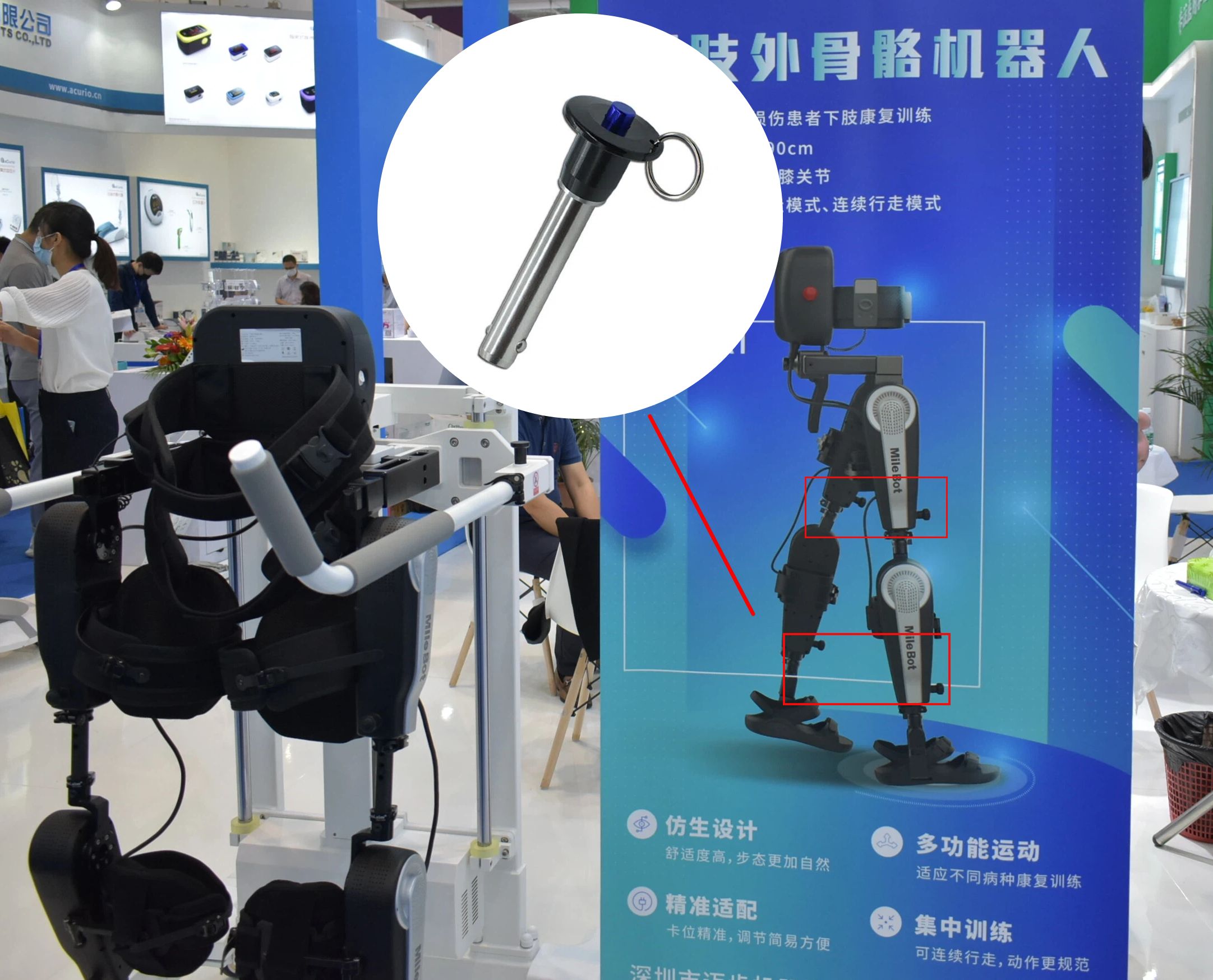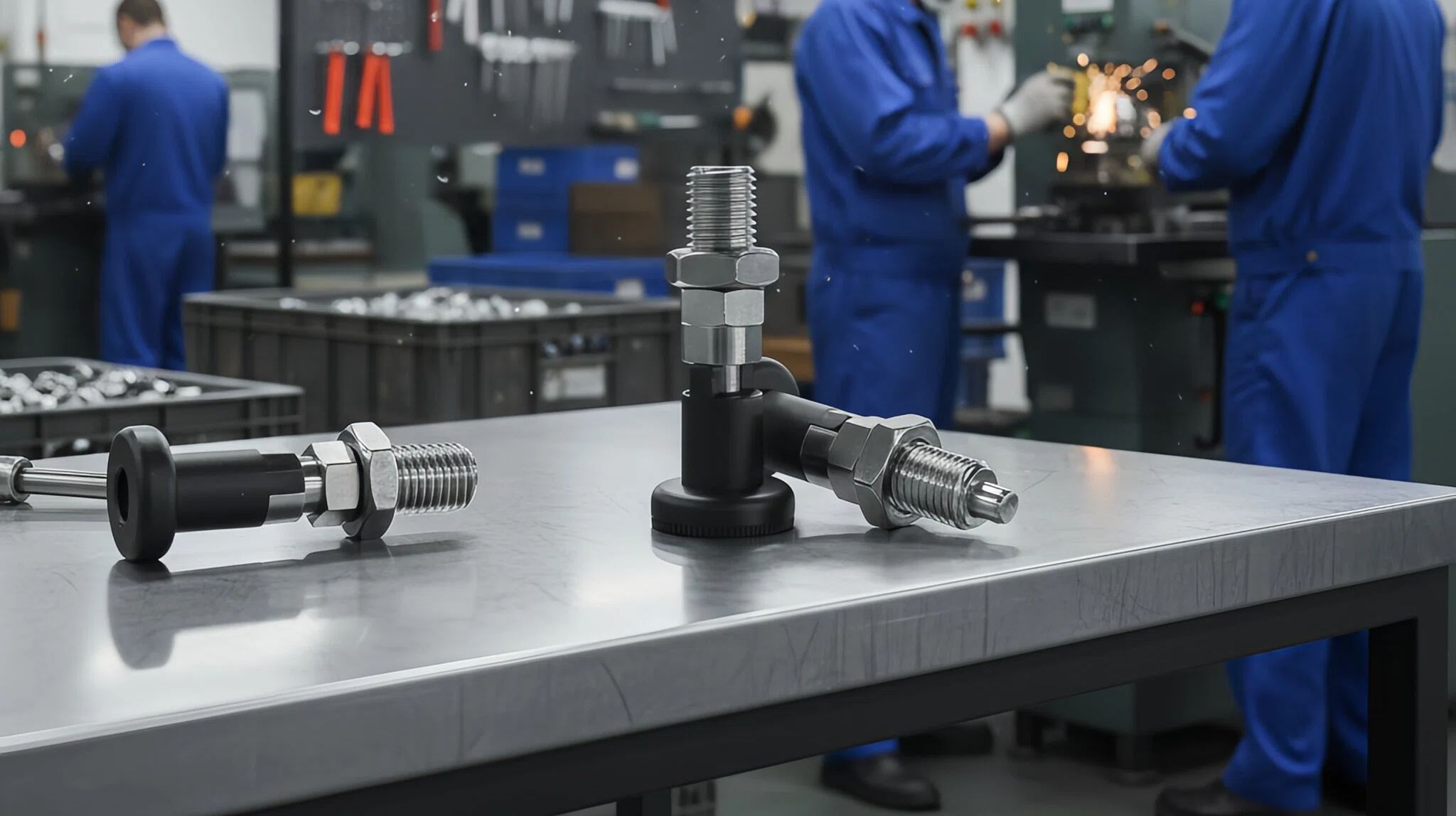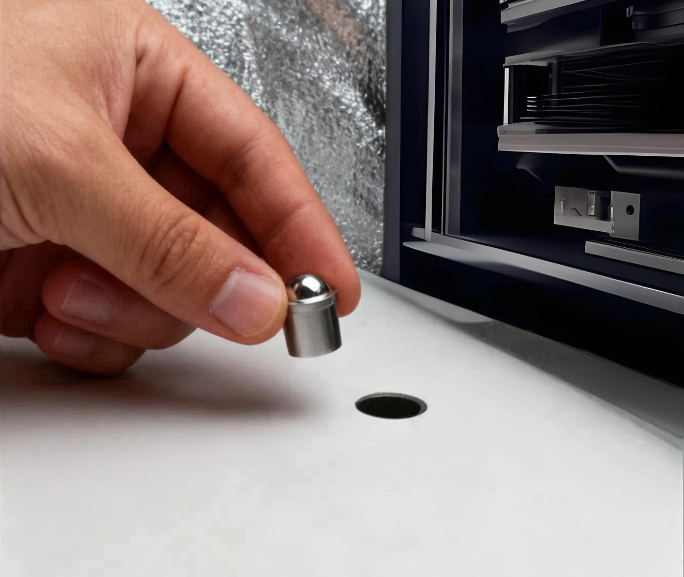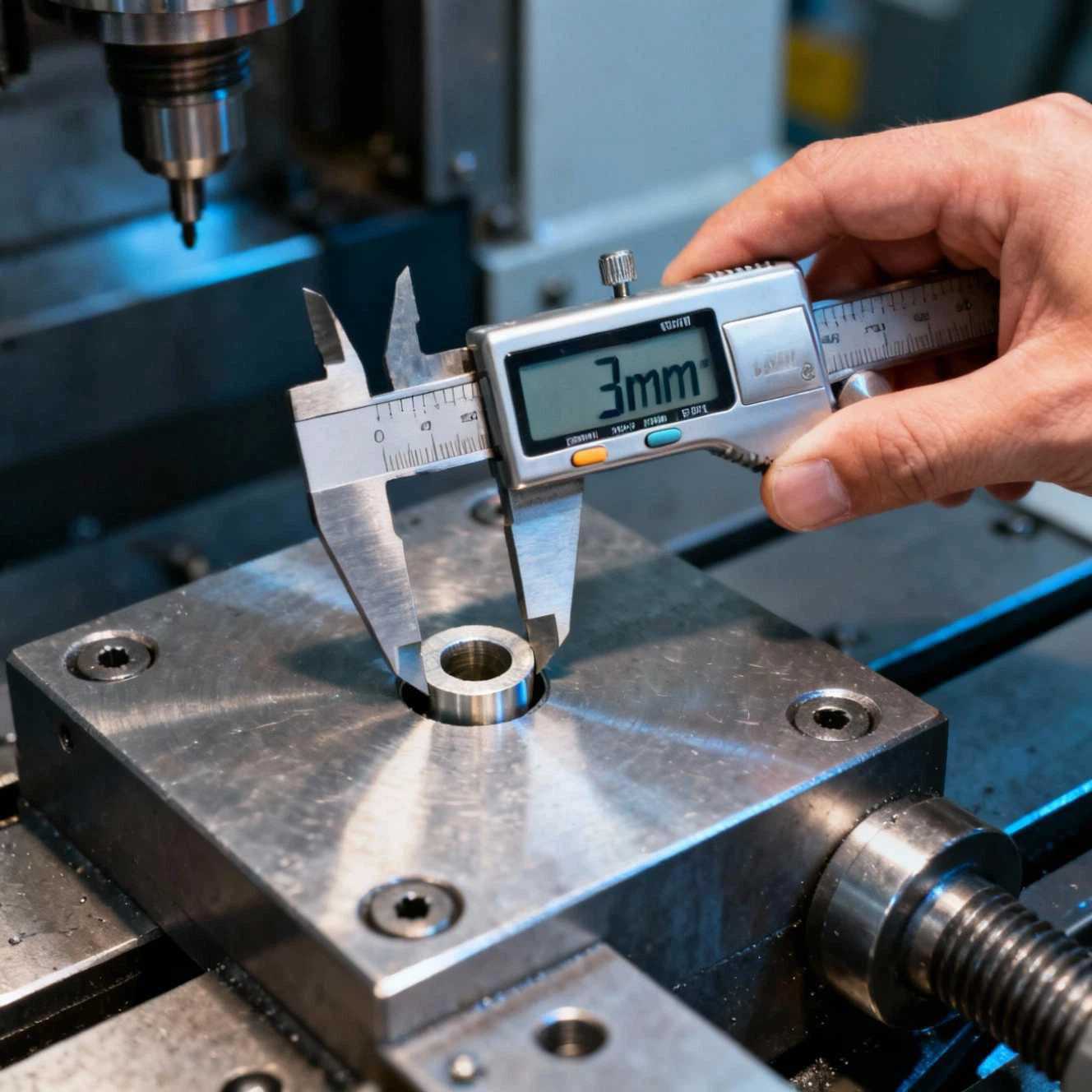
Ball Retaining Pin
Ball Retaining Pins: The Precision Fastening Solution for Demanding Industrial Applications
Introduction
In the world of precision engineering and mechanical design, Ball Retaining Pins have become an indispensable component for secure fastening and positioning applications. These innovative fasteners combine the reliability of traditional pins with the convenience of a ball-lock mechanism, offering unparalleled performance in industries ranging from aerospace and automotive manufacturing to medical equipment and robotics.
This comprehensive article explores the design features, technical specifications, material options, and industrial applications of Ball Retaining Pins, providing engineers and procurement specialists with valuable insights into this critical fastening solution.
What Are Ball Retaining Pins?
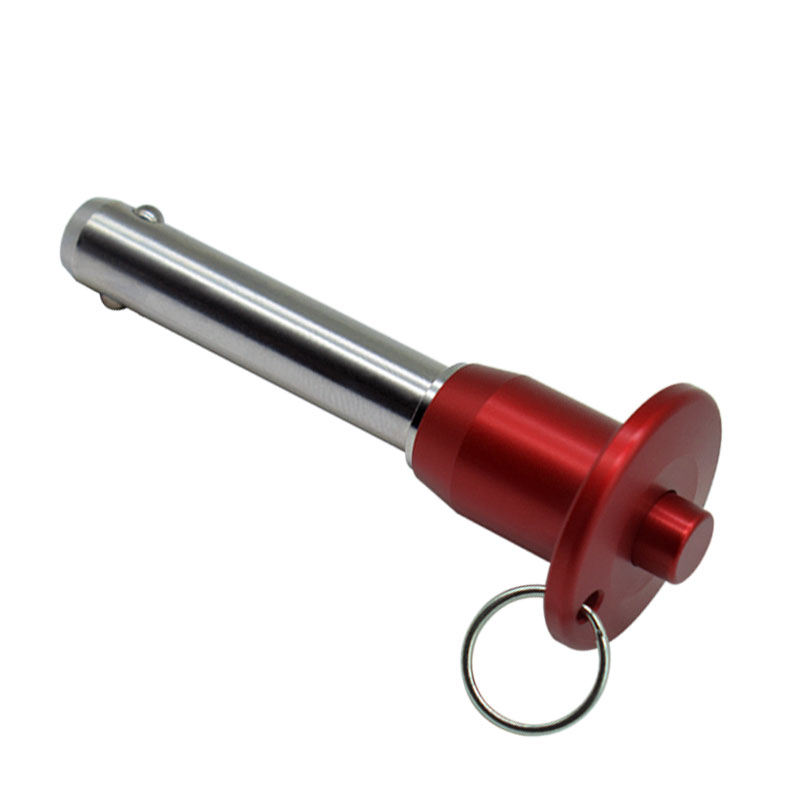
Ball Retaining Pins are specialized fasteners that utilize a spring-loaded ball mechanism to create secure, semi-permanent connections. Key components include:
-
Precision-machined body (typically hardened steel or stainless steel)
-
Spring-loaded ball bearings (usually 3-6) for positive locking
-
Internal spring mechanism for consistent retention force
-
Chamfered ends for easy insertion
These pins provide quick engagement and release while maintaining vibration-resistant security, making them ideal for applications requiring frequent assembly and disassembly.
Key Features & Benefits
1. Secure Fastening
-
Positive ball-lock mechanism prevents accidental disengagement
-
Vibration-resistant design for dynamic environments
2. Quick Operation
-
Tool-free installation and removal
-
Instant engagement with audible click confirmation
3. Precision Engineering
-
Ground surfaces ensure ±0.005mm repeatability
-
Multiple ball configurations for varying load requirements
4. Durability & Strength
-
Materials: Alloy steel, stainless steel, titanium
-
Load Capacity: Up to 8,000N shear strength
-
Cycle Life: 50,000+ operations
5. Safety Features
-
Visual indicators for lock status confirmation
-
Shear protection to prevent mechanism damage
Technical Specifications
| Parameter | Standard Series | Heavy-Duty Series |
|---|---|---|
| Diameter Range | 2mm - 25mm | 10mm - 40mm |
| Length Options | 5mm - 150mm | 30mm - 300mm |
| Materials | Case-hardened steel | 316 Stainless Steel |
| Ball Count | 3-6 | 6-12 |
| Operating Temperature | -40°C to +120°C | -60°C to +350°C |
| Standards Compliance | DIN 6325, ISO 8734 | ASME B18.8.2 |
How Ball Retaining Pins Work
Three-Step Operation:
-
Insertion
-
Pin is guided into mating hole
-
Balls compress against spring force
-
-
Locking
-
Balls align with detent groove and spring outward
-
Positive engagement with audible confirmation
-
-
Release
-
Actuation mechanism retracts balls
-
Smooth removal without tools
-
Safety Mechanisms:
-
Overload protection - balls retract before damage occurs
-
Secondary retention - prevents accidental release
Material Options & Coatings
1. Standard Materials
-
Alloy Steel (4140): General industrial use
-
Stainless Steel (304/316): Corrosion resistance
-
Titanium: High strength-to-weight ratio
2. Advanced Treatments
-
Black Oxide: Enhanced durability
-
PTFE Coating: Self-lubricating
-
Electroless Nickel: Uniform wear protection
Industry Applications
1. Aerospace Engineering
-
Use: Aircraft panel fastening
-
Benefit: 60% faster maintenance access
-
Special Requirement: Conductive variants
2. Automotive Manufacturing
-
Application: Robotic welding fixtures
-
Challenge: Vibration resistance
-
Solution: Dual-row ball configurations
3. Medical Equipment
-
Implementation: Surgical device assembly
-
Critical Need: Sterilizable materials
4. Industrial Automation
-
Function: Robotic tool changers
-
Advantage: <0.01mm repeatability
Selection Guide
Step 1: Load Requirements
-
Light (<500N): 2-6mm diameter
-
Medium (500-2,000N): 8-12mm
-
Heavy (2,000N+): 15mm+
Step 2: Environmental Factors
-
Standard: Hardened steel
-
Corrosive: Stainless steel
-
High Temp: Titanium
Step 3: Precision Needs
-
Commercial: ±0.02mm
-
Precision: ±0.005mm
Installation & Maintenance
Best Practices:
-
Prepare holes to H7 tolerance
-
Clean mating surfaces
-
Verify positive engagement
Maintenance Schedule:
-
Monthly: Inspect ball movement
-
Quarterly: Clean and lubricate
-
Annually: Spring force test
Future Innovations
-
Smart Pins
-
Embedded sensors for load monitoring
-
Wireless connectivity
-
-
Advanced Materials
-
Ceramic bearings
-
Nanocomposite coatings
-
-
Self-Lubricating Designs
-
Permanent dry film lubricants
-
Discover our ball retaining pins for secure and efficient fastening in industrial applications. Durable and reliable, they ensure smooth operation. Contact us for custom solutions tailored to your needs.
Ball Retaining Pins represent the perfect combination of security and convenience, offering unmatched performance in precision fastening applications. As manufacturing technologies advance, these components will continue to evolve to meet increasing demands for reliability and efficiency.
5 8 Ball Lock Bolts
Ball Bearing Pin Lock