Bolt Spring Plungers
Bolt Spring Plungers: Precision Fastening and Positioning Solutions
Introduction
In the realm of mechanical engineering, precision and reliability are paramount for ensuring the seamless operation of machinery and equipment. Bolt spring plungers have emerged as a versatile and effective solution for applications requiring secure fastening, precise positioning, and controlled motion. From industrial machinery to consumer electronics, these devices play a critical role in maintaining alignment and stability. But what exactly are bolt spring plungers, how are they used, and what are their standard sizes? This article explores their design, functionality, applications, and standard dimensions.
What Are Bolt Spring Plungers?
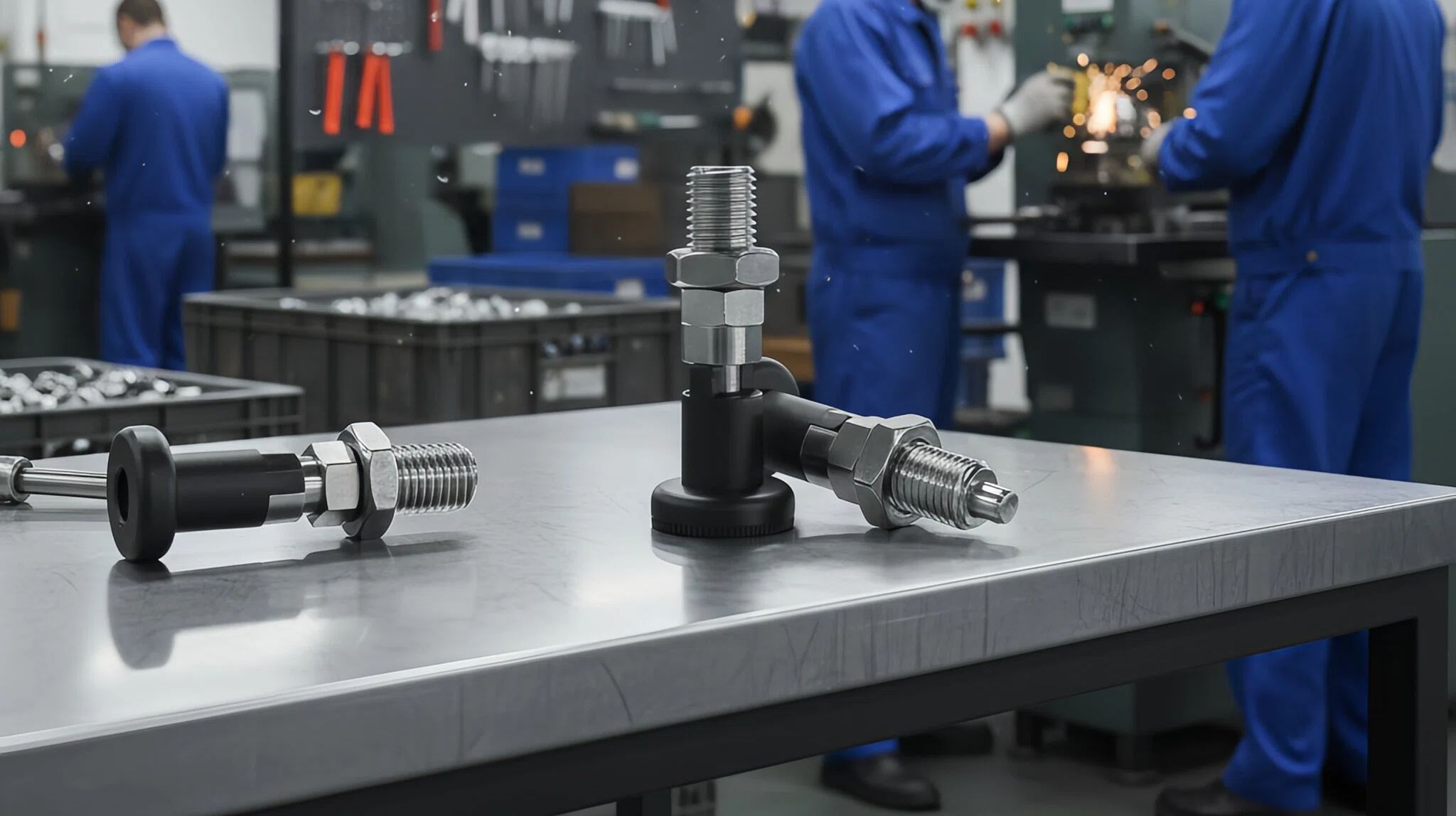
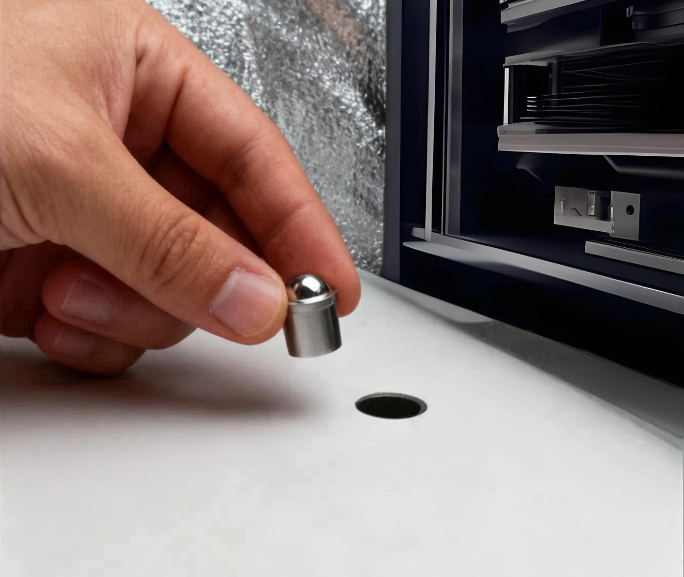
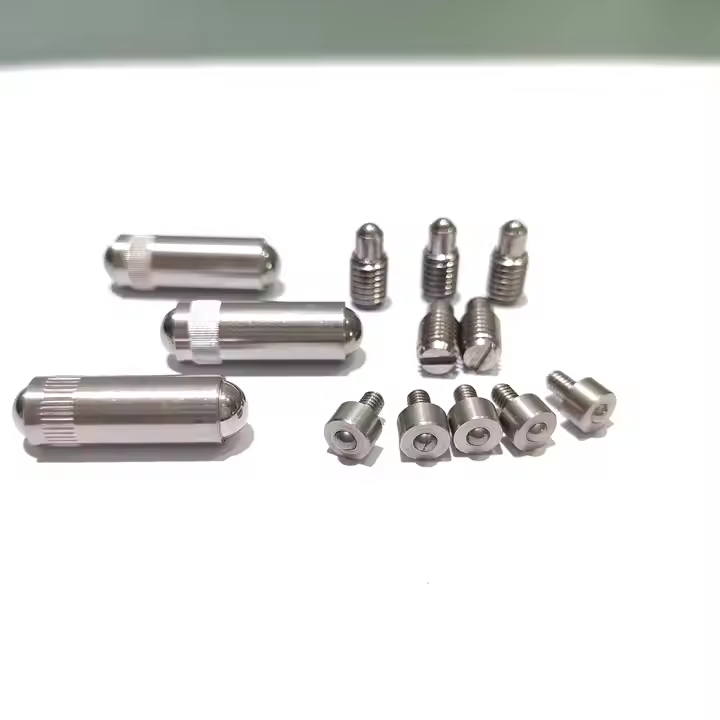
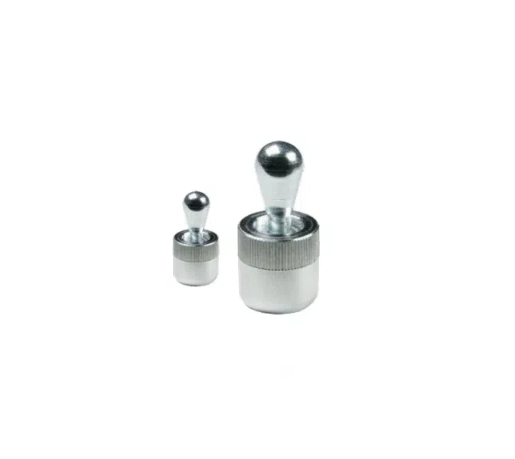
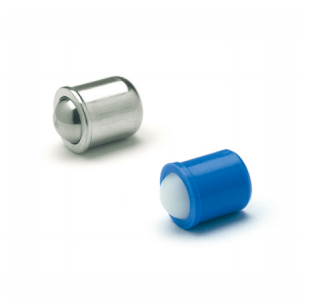
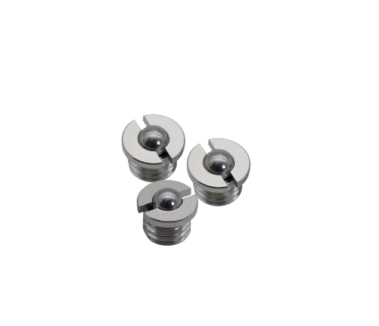
Bolt spring plungers are mechanical devices that combine a threaded bolt with a spring-loaded plunger. The plunger, typically featuring a ball or pin tip, engages with a detent (a recess or hole) to lock or position components. The threaded bolt allows for easy installation and adjustment, making these plungers ideal for applications requiring precise alignment and secure fastening. They are commonly used in industries such as manufacturing, automotive, and aerospace.
Key Features and Benefits
-
Precision Positioning: Ensures accurate alignment and repeatable positioning of components.
-
Secure Fastening: The spring-loaded plunger provides a firm hold, preventing accidental movement or disengagement.
-
Ease of Installation: The threaded bolt design allows for quick and easy installation and adjustment.
-
Durability: Made from high-strength materials like stainless steel or aluminum, ensuring long-lasting performance.
-
Versatility: Available in various sizes, spring strengths, and tip configurations to suit different applications.
How Are Bolt Spring Plungers Used?
The operation of bolt spring plungers is simple yet effective:
-
Installation: The threaded bolt is screwed into a pre-tapped hole, securing the plunger in place.
-
Engagement: The spring-loaded plunger is pushed into a detent (recess or hole), locking the component in position.
-
Adjustment: The threaded bolt can be adjusted to control the tension of the spring and the position of the plunger.
-
Release: When an external force is applied, the plunger retracts, allowing the component to move or release.
This cycle of engagement and adjustment ensures controlled motion and reliable locking, making bolt spring plungers indispensable in many applications.
Applications of Bolt Spring Plungers
Bolt spring plungers are used in a wide range of industries and applications, including:
-
Industrial Machinery: Securing tooling, fixtures, and machine parts for precise alignment.
-
Automotive: Adjusting and locking components like seats, panels, and control mechanisms.
-
Aerospace: Ensuring secure positioning of access panels, cargo systems, and control surfaces.
-
Consumer Electronics: Providing smooth and secure adjustments in devices like monitors, cameras, and foldable gadgets.
-
Medical Devices: Enabling precise control in surgical instruments and diagnostic equipment.
-
Furniture: Allowing for easy adjustments in chairs, tables, and modular furniture.
Standard Sizes of Bolt Spring Plungers
Bolt spring plungers are available in a variety of standard sizes to meet different application requirements. Common dimensions include:
-
Thread Sizes: Ranging from M3 to M12 (metric) or #4-40 to 1/2"-13 (imperial).
-
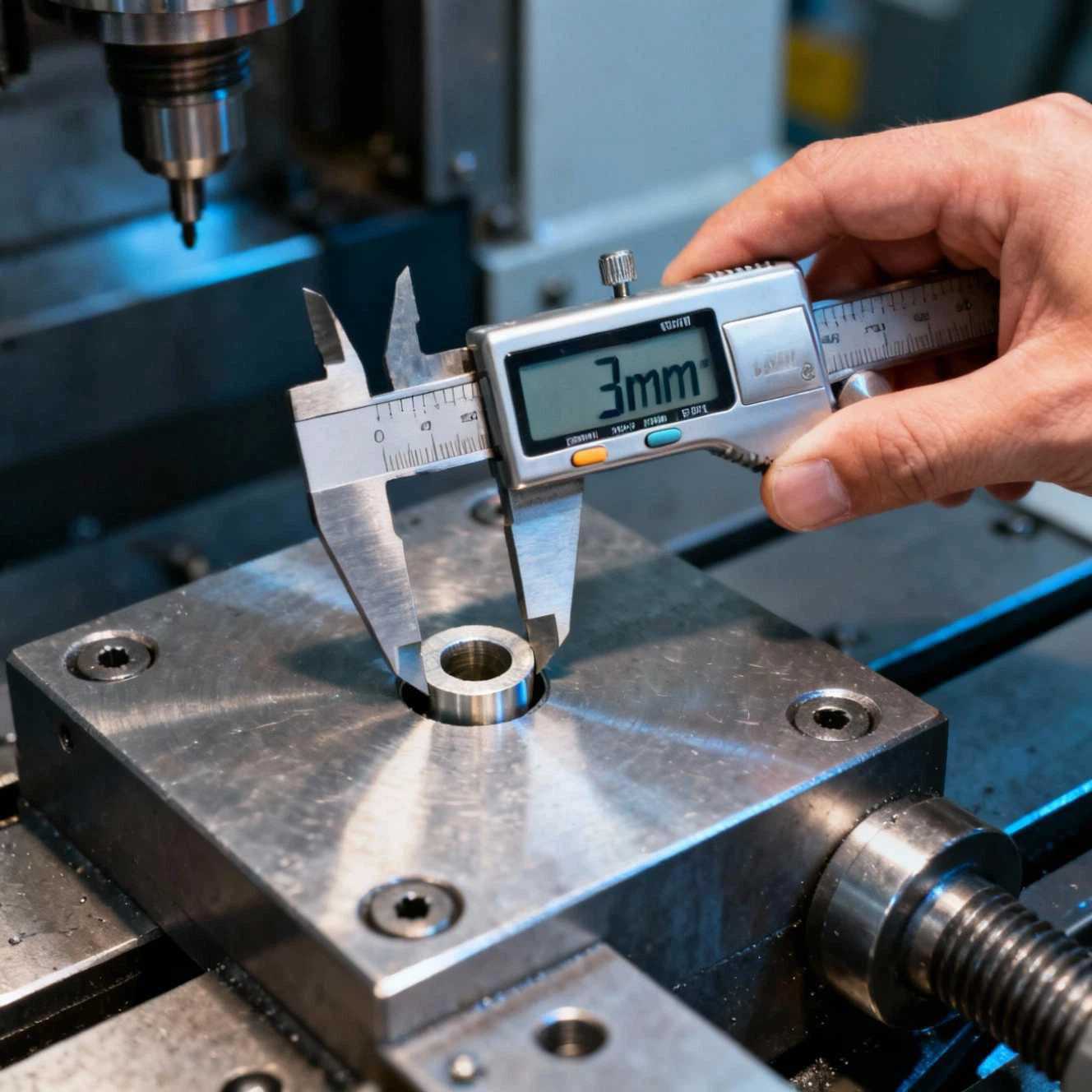
Plunger Diameters: Typically between 3 mm to 12 mm, depending on the thread size.
-
Spring Forces: Available in various spring strengths to provide the desired tension and holding power.
-
Overall Length: Varies based on the specific model and application, typically ranging from 20 mm to 100 mm.
Advantages Over Traditional Fasteners
-
Precision and Control: Offers precise positioning and adjustable tension for optimal performance.
-
Ease of Use: The threaded bolt design allows for quick installation and adjustments without additional tools.
-
Durability: Built to withstand heavy use and harsh conditions, ensuring long-term reliability.
-
Customizability: Available in various configurations to meet specific application requirements.
Challenges in Using Bolt Spring Plungers
While these plungers offer many benefits, there are some challenges to consider:
-
Precision Requirements: Requires precise alignment and hole sizing for proper operation.
-
Load Capacity: May not be suitable for extremely high-load applications.
-
Cost: Can be more expensive than traditional fasteners due to their advanced design.
Innovations in Bolt Spring Plungers
As technology advances, bolt spring plungers are being enhanced with new features:
-
Corrosion-Resistant Coatings: Improving durability in harsh environments.
-
Ergonomic Designs: Adding features like knurled grips for easier installation and adjustment.
-
Smart Plungers: Integrating sensors to monitor tension and wear in real time.
Explore our bolt spring plungers for precise positioning and reliable performance in industrial applications. Durable and efficient, they provide secure fastening with easy adjustability. Contact us for custom solutions today.
Expert Insights
Dr. Emily Carter, a mechanical engineering expert, explains, "Bolt spring plungers are a perfect example of how thoughtful design can simplify complex tasks. Their combination of precision, ease of use, and durability makes them indispensable in modern engineering."
Stainless Steel Quick Release Pin
Custom Metal Parts Manufacturing