Can Aluminum Alloy Rust
Can Aluminum Alloy Rust? Exploring the Corrosion Resistance of Aluminum Alloys
Understanding the Corrosion Resistance of Aluminum Alloy
Can aluminum alloy rust? This is a common question among engineers and manufacturers. Unlike traditional steel, aluminum alloys do not form red iron rust. Instead, they develop a thin, protective layer of aluminum oxide on their surface. This naturally occurring oxide film—typically 2 to 10 nanometers thick—effectively isolates the underlying metal from corrosive environments, offering a degree of protection that contributes significantly to the alloy’s overall durability.
Can aluminum alloy rust? Discover how corrosion-resistant aluminum alloys are ideal for durable ball lock pin applications in harsh environments.
According to Mocayo’s R&D team, the corrosion resistance of aluminum alloys depends on three key factors:
-
Alloy Composition: High-copper alloys such as the 2xxx series tend to corrode more easily than 5xxx or 6xxx series.
-
Environmental Conditions: Chloride-rich environments, such as coastal areas, accelerate corrosion.
-
Surface Treatment: Professional surface treatments can significantly enhance resistance to corrosion, prolonging the component's lifespan.
When evaluating can aluminum alloy rust, it’s crucial to consider these variables. For applications in harsh environments, we recommend anodizing or other surface treatments to improve corrosion resistance by 5 to 10 times.
Mocayo’s High-Performance Quick Release Pin
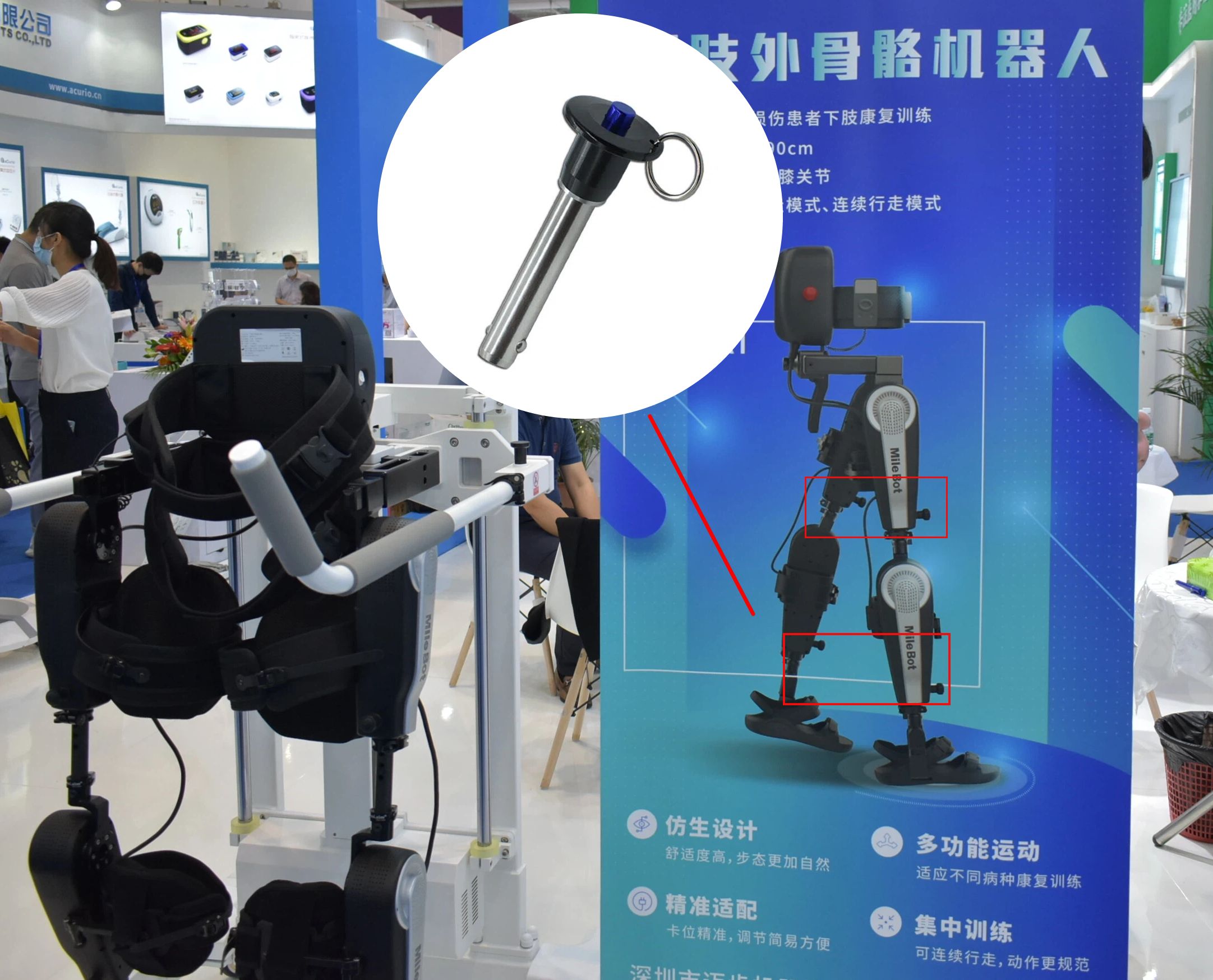
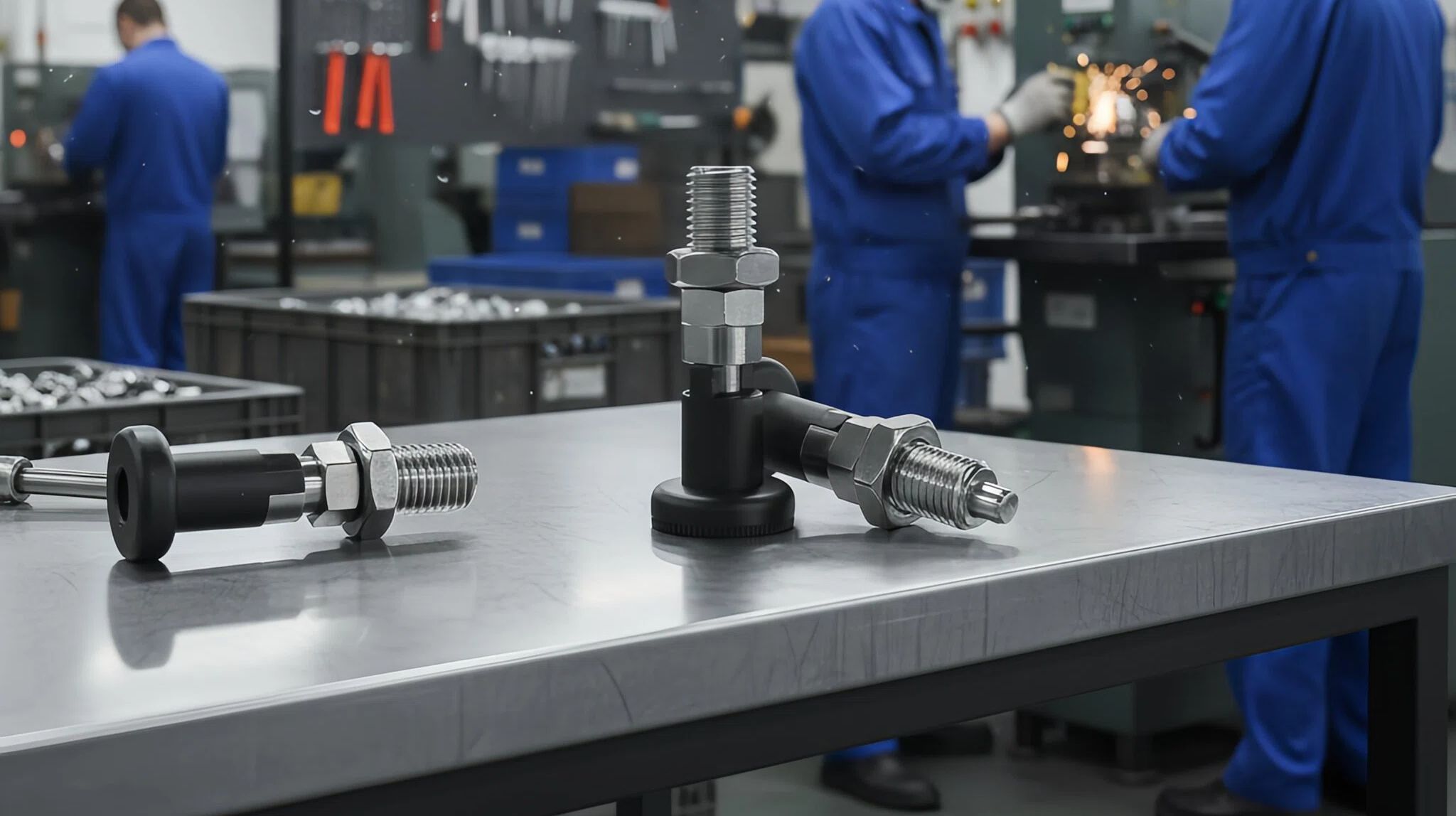
As a leading manufacturer of hardware components, Mocayo has developed a series of quick release pin products made from aerospace-grade aluminum alloys. These pins are engineered using 6061-T6 and 7075 aluminum—materials known for their superior strength. After undergoing special heat treatment processes, their tensile strength reaches 310 MPa and 560 MPa respectively, meeting the demands of even the toughest industrial applications.
To answer can aluminum alloy rust in the context of high-performance components, the surface treatment plays a decisive role. Mocayo’s standard quick release pin features a 12μm anodized layer, while the enhanced version is hard anodized to 25μm. In salt spray testing, our hard-anodized pins showed excellent performance—lasting over 500 hours without signs of rust.
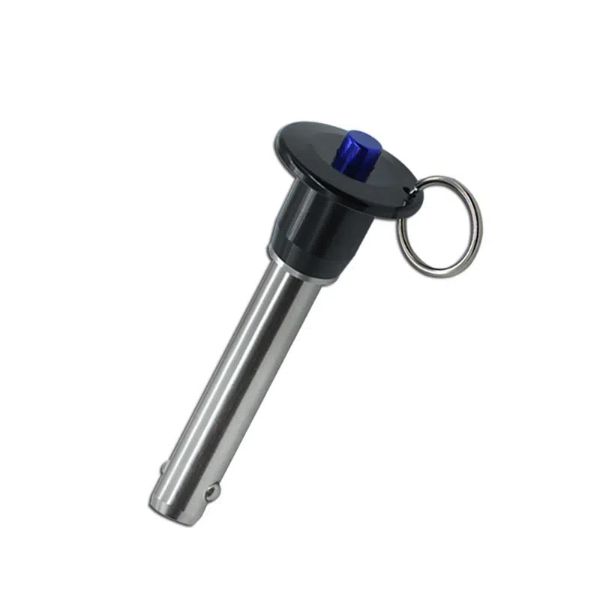


Key features of our quick release pins include:
-
Rapid installation and removal thanks to a unique spring-lock design
-
High dimensional accuracy ensuring stability and repeatability
-
A wide range of sizes tailored for different load conditions
These attributes make our products ideal for sectors like heavy machinery, automotive manufacturing, and aerospace maintenance.
Advanced Surface Treatments for Aluminum Alloy
Anodizing remains one of the most effective methods to enhance the corrosion resistance of aluminum. At Mocayo, we employ high-precision anodizing processes that form a dense oxide layer with a hardness of HV300–500. By precisely controlling electrolyte temperature, current density, and time, we ensure uniform coating thicknesses between 15–25μm.
For even tougher environments, we offer hard anodizing, creating coatings up to 50μm thick with hardness levels above HV500. However, not all aluminum alloys are suitable for this process—2024, which contains high levels of copper, is one example. Mocayo’s engineers will assess your application and recommend the best surface treatment accordingly.
In addition to anodizing, we also offer powder coating and electrophoretic painting. Each treatment has its strengths: powder coating allows for vibrant color options, while electrophoresis provides uniform coverage even for complex shapes.
When questioning can aluminum alloy rust, it’s essential to note that proper surface treatment dramatically reduces corrosion risks—especially for products like our quick release pin, which are often used in critical, demanding conditions.
Why Aluminum Alloy Is Ideal for Industrial Applications
Thanks to its excellent strength-to-weight ratio, aluminum alloy is an irreplaceable material in modern industries. Mocayo’s aluminum quick release pin is just one example—these components weigh only a third of their steel counterparts, while maintaining equivalent strength, making them ideal for aerospace and other weight-sensitive fields.
From a cost perspective, aluminum alloys may have higher raw material prices, but their machining benefits compensate significantly. Compared to steel, aluminum alloys offer:
-
3–5x longer tool life during machining
-
20%+ higher processing efficiency
-
100% recyclability, reducing environmental impact and total lifecycle cost
So, can aluminum alloy rust? Technically, it doesn’t rust like iron, but it can corrode if left untreated. That’s why surface treatment is key—especially for products like our quick release pin.
Mocayo is committed to delivering top-quality aluminum alloy components. With a complete quality control system, every stage from raw material inspection to final product delivery undergoes strict scrutiny. Notably, all of our quick release pins are tested with spectrometers to ensure aerospace-grade material compliance.
How to Anodize Aluminum
What Does Cnc Machine Stand For