Can Stainless Steel Corrode
Can Stainless Steel Corrode? A Guide to Choosing Stainless Steel Materials for Indexing Plungers
In the field of precision machinery manufacturing, indexing plungers serve as critical positioning components. Their material selection directly impacts equipment stability and long-term maintenance costs. Stainless steel, renowned for its exceptional corrosion resistance, has become the preferred material for indexing plungers. However, can stainless steel corrode under certain conditions? This article delves into the corrosion resistance of stainless steel and recommends high-performance indexing plunger solutions suited to various working environments.
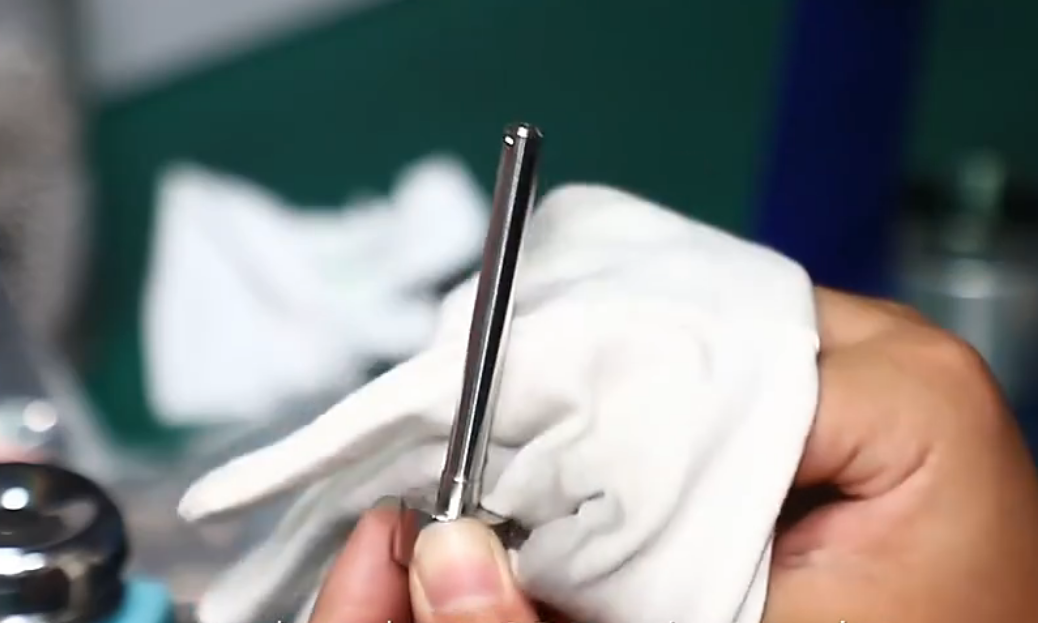
1. Understanding the Corrosion Resistance of Stainless Steel
The key to stainless steel’s "stainless" nature lies in its dense chromium oxide protective layer, which effectively isolates the substrate from oxygen and moisture, preventing further corrosion. Based on alloy composition, stainless steels are generally classified into three main types: austenitic (such as 304 and 316), martensitic (such as 420 and 440C), and ferritic (such as 430) stainless steels. Among them, 316 stainless steel, with its 2-3% molybdenum content, offers superior resistance to chloride ion corrosion.

However, can stainless steel corrode under special circumstances? The answer is yes. Stainless steel remains vulnerable under specific conditions, including environments with high chloride concentrations (such as coastal areas or chemical plants), extreme temperature fluctuations, mechanical wear damaging the protective film, or galvanic corrosion caused by contact with dissimilar metals. For example, in semiconductor manufacturing equipment, standard 304 stainless steel indexing plungers may develop pitting corrosion when exposed to acidic cleaning agents.
For precision components like indexing plungers, corrosion can not only shorten service life but also degrade positioning accuracy. Therefore, selecting the right type of stainless steel is crucial. We recommend evaluating materials based on three critical dimensions: corrosion resistance, mechanical strength, and wear resistance.
2. Application Scenarios and Key Material Selection Criteria for Indexing Plungers
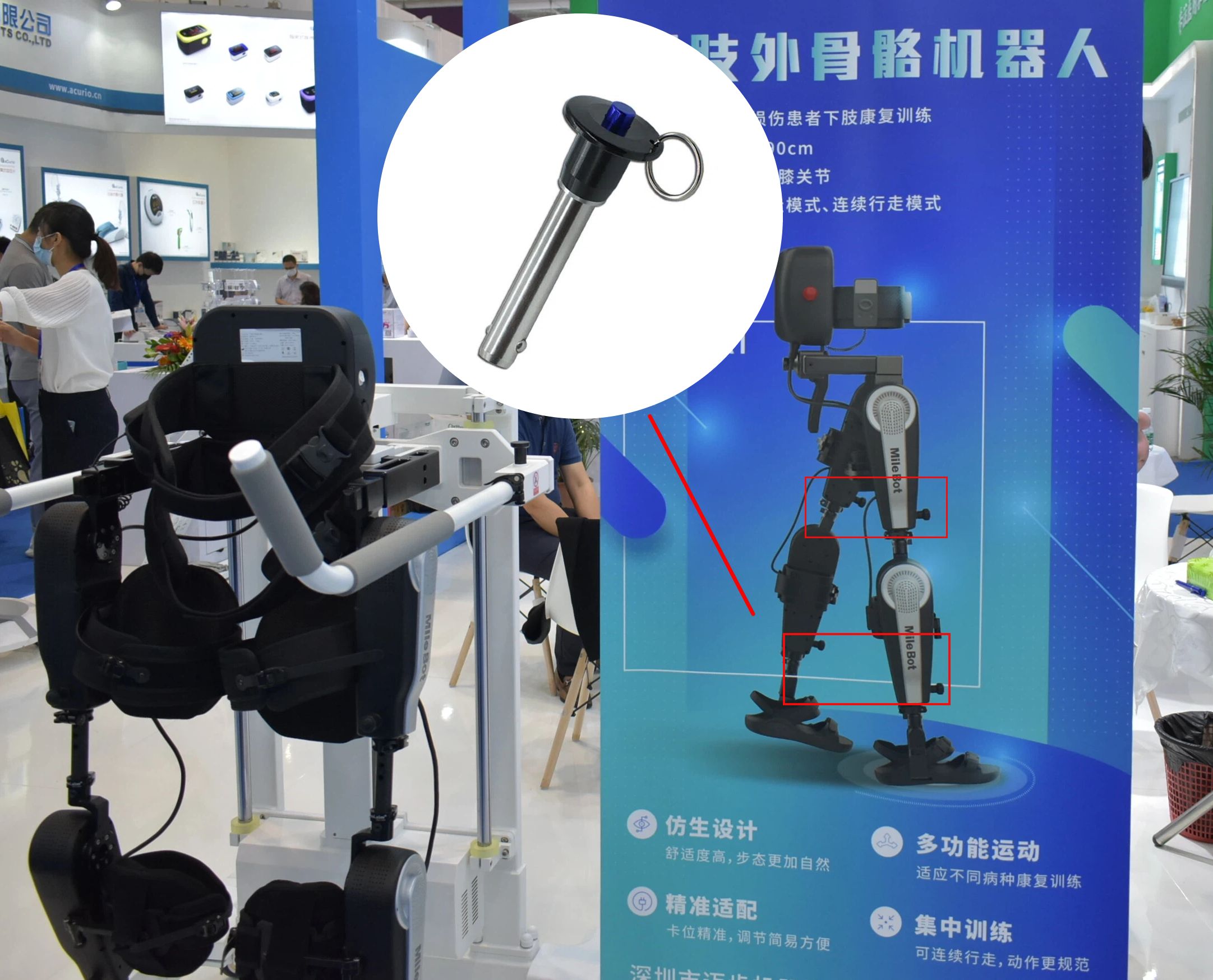
As core positioning components, indexing plungers are widely used in CNC rotary tables, automated assembly lines, precision measurement devices, and more. Their primary function is to ensure repeated positioning accuracy while bearing both radial and axial loads. In these demanding applications, stainless steel indexing plungers outperform conventional carbon steel products.
First, stainless steel’s outstanding corrosion resistance can dramatically extend maintenance intervals. For instance, in automated production lines, replacing standard components with 316 stainless steel indexing plungers can extend maintenance periods from three months to two years. Secondly, appropriately heat-treated stainless steels such as 440C can achieve hardness levels above HRC58, meeting high wear-resistance requirements. Additionally, stainless steel indexing plungers can achieve surface roughness values below Ra 0.4μm, ensuring precise positioning.
When selecting the material for indexing plungers, it is important to focus on the following aspects:
-
Environmental Corrosion Risk: In coastal regions, 316 stainless steel is strongly recommended.
-
Load Conditions: For heavy-duty applications, martensitic 440C stainless steel is ideal.
-
Precision Requirements: High-precision applications demand materials with excellent dimensional stability.
-
Hygiene Standards: In food and medical industries, ultra-low carbon 316L stainless steel is essential.
This approach ensures that the material choice aligns with actual operating conditions and optimizes both performance and service life.
3. Recommended High-Performance Stainless Steel Indexing Plungers
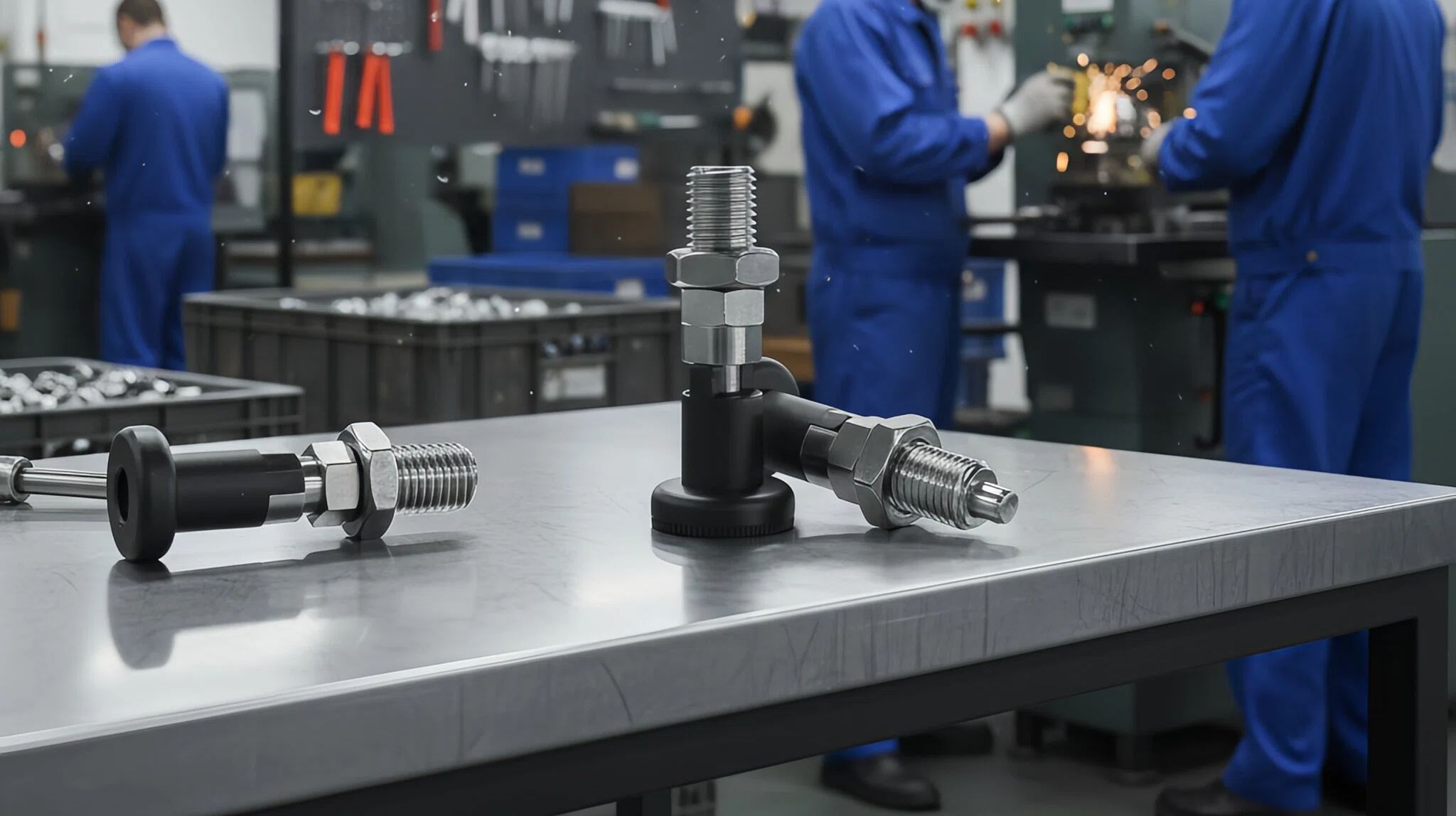
As a leading precision mechanical component expert, Mocayo offers a full range of stainless steel indexing plunger solutions tailored to meet diverse industry needs:
MS1121-SS Medical Grade Indexing Plunger Series
Manufactured from ASTM F138-certified 316L stainless steel with carbon content controlled below 0.03%, these plungers meet strict hygiene requirements for medical and food processing equipment. Thanks to a special polishing process, surface roughness is improved to Ra 0.2μm while maintaining ±0.005mm high precision. One international medical device manufacturer reported that after adopting this product, equipment cleaning frequency reduced from once a week to once a month.
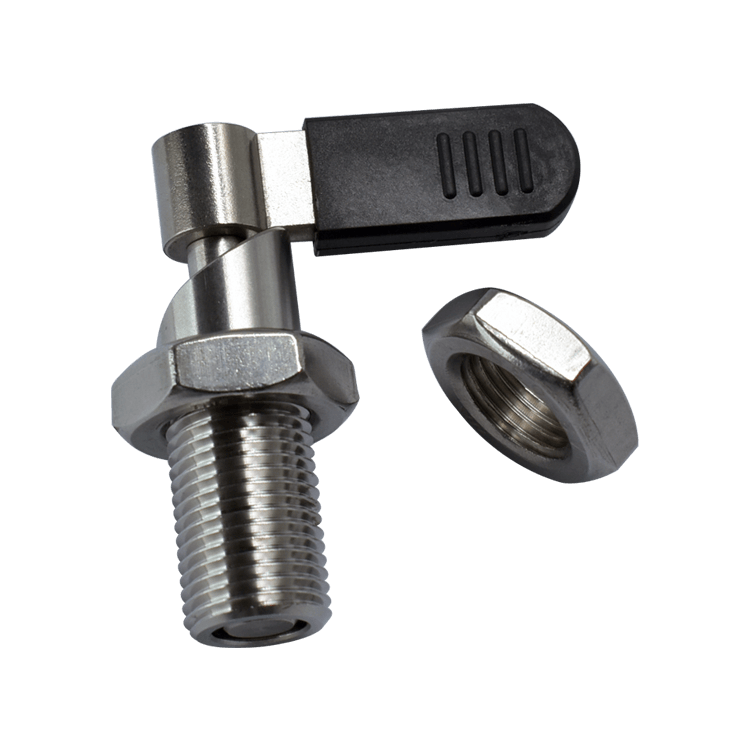
MS1130 Ultra-Hardness Indexing Plunger Series
Processed through vacuum heat treatment and cryogenic techniques, this series achieves HRC58-60 hardness levels, offering three times the wear resistance of conventional stainless steel. It is particularly suited for heavy-load and high-wear applications like CNC rotary tables. In typical client cases, these plungers have demonstrated over 500,000 operational cycles in automotive wheel hub machining equipment.

MS1171-SS 304 Economy Indexing Plunger Series
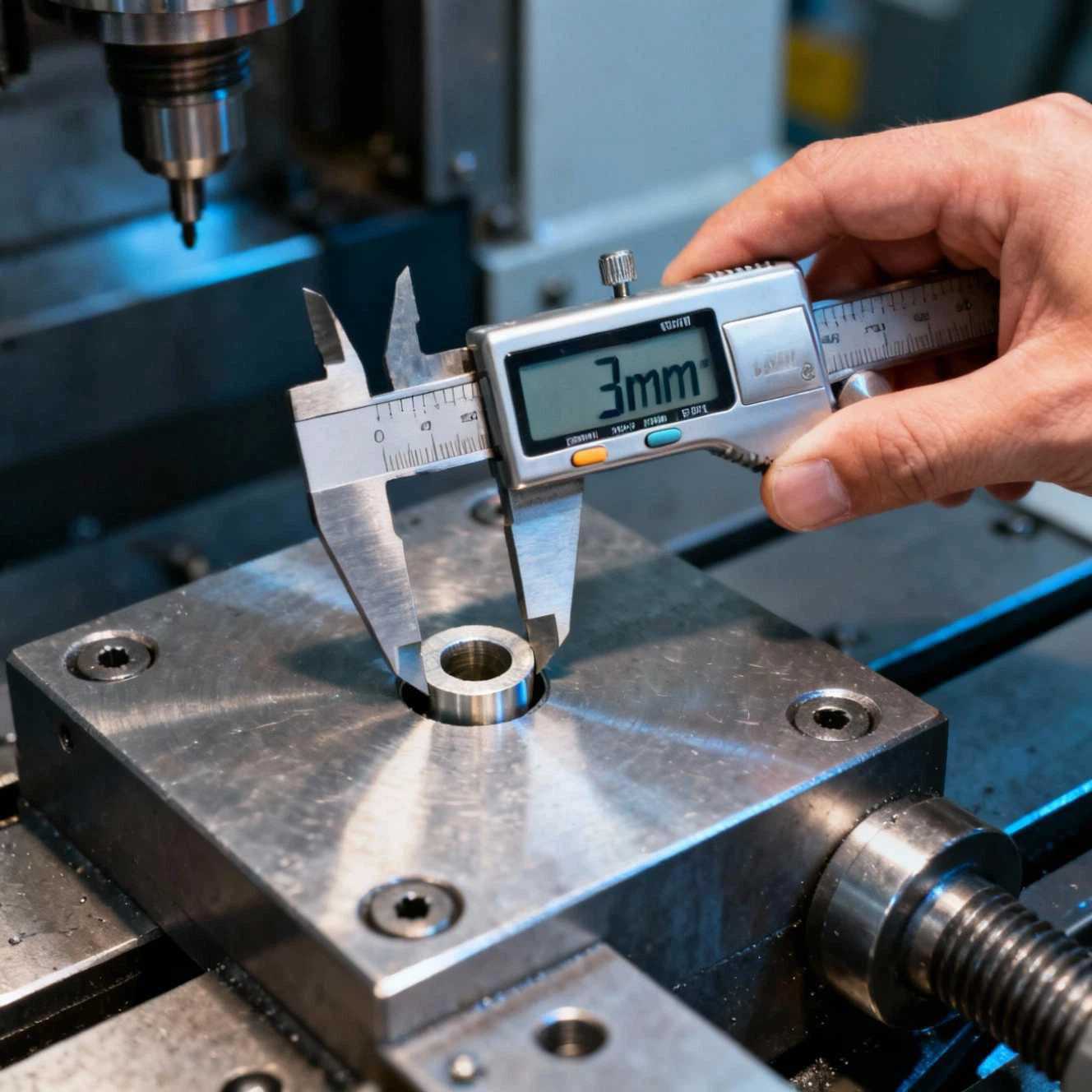
Designed for general industrial environments, this cost-effective solution balances corrosion resistance and affordability. By optimizing the heat treatment process, we have reduced costs by 30% while maintaining excellent quality. Standard sizes range from Φ3mm to Φ30mm with fast delivery options. In one semiconductor equipment project, the customized indexing plungers helped reduce failure rates to zero, achieving continuous operation for over two years.
These offerings demonstrate that although can stainless steel corrode is a valid concern, selecting the right product based on application needs can effectively minimize risks.
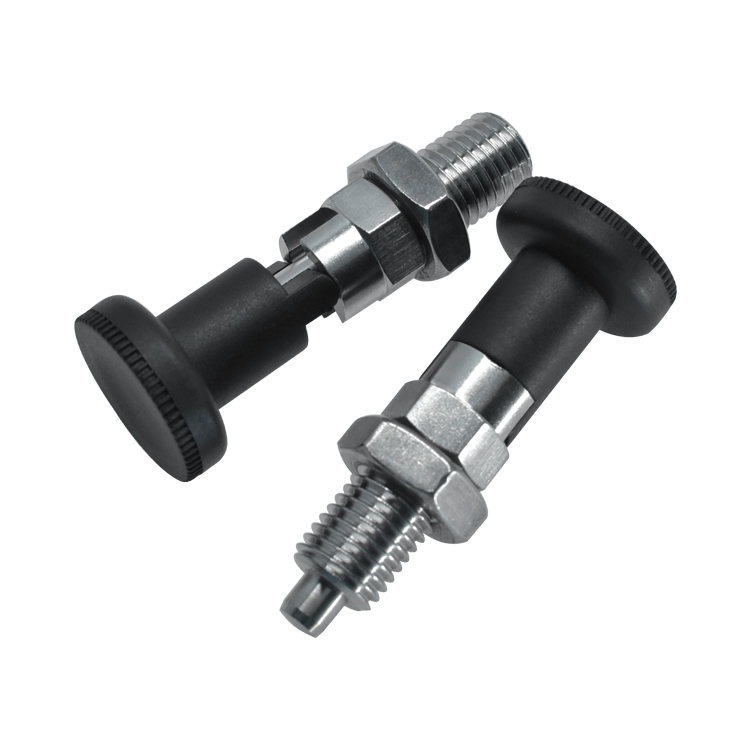
4. How to Properly Select and Maintain Stainless Steel Indexing Plungers
To maximize the performance of stainless steel indexing plungers, a scientific selection process is essential:
-
Environmental Assessment: Conduct salt spray tests or corrosion media analysis.
-
Load Calculations: Accurately calculate radial and axial forces.
-
Precision Matching: Choose appropriate tolerance grades based on positioning accuracy requirements.
-
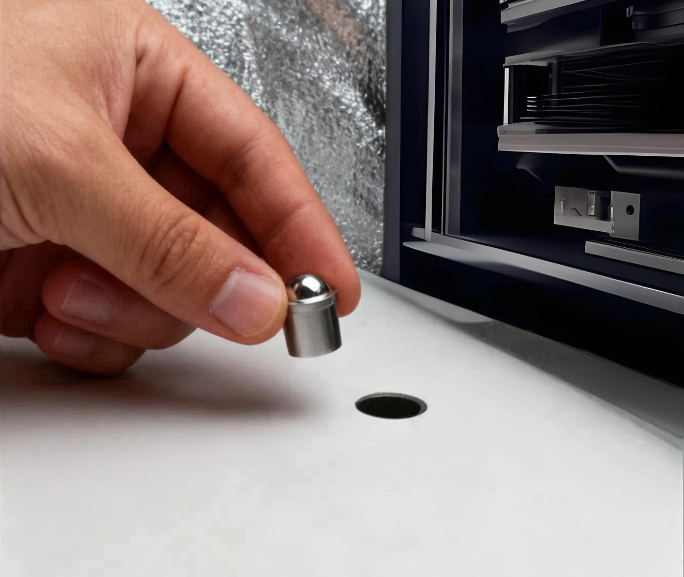
Installation Verification: Use specialized gauges to check fitment gaps.
In terms of usage and maintenance, the following best practices are recommended:
-
Use dedicated installation tools to avoid impact damage.
-
Regularly inspect the surface condition and replace components at signs of wear.
-
Apply specialized stainless steel lubricants in high-temperature or corrosive environments.
-
Store components in dry conditions and avoid contact with dissimilar metals.
Can Stainless Steel Corrode?While highly resistant, stainless steel can corrode in harsh environments like saltwater or chemical exposure.Discover how to maximize stainless steel's durability today!
While the question "Can stainless steel corrode" deserves attention, proper selection and maintenance practices significantly mitigate potential risks, ensuring long-lasting and reliable performance of your indexing plungers.
For more detailed product information or technical support, please feel free to contact our engineering service team. We are ready to provide you with the best indexing plunger solutions tailored to your specific needs.
Does Stainless Steel Have Nickel
What Are Lock Nuts? Functional Insights and Indexing Plunger Anti-Loosening Solutions