Coarse Thread Vs Fine Thread
Coarse Thread Vs Fine Thread
Among the many types of threads available, coarse thread and fine thread are the two most widely used, each offering distinct advantages in practical applications. For products requiring efficient positioning and fixation, such as indexing plungers, both thread types play a crucial role. This article will delve into the differences between coarse thread and fine thread, and, using Mocayo's indexing plungers as an example, help you better understand their characteristics and applications.

Coarse Thread vs. Fine Thread: The Fundamental Differences Between Threads
1. The Function of Threads
1. The Function of Threads
The essence of threads is to achieve connection and fixation through tooth engagement. They not only withstand axial loads but also enable quick disassembly and reuse when needed. Therefore, the design of threads directly determines the strength and applicability of parts.
2. What is Coarse Thread
Coarse-threaded screws are characterized by large pitch and relatively robust thread profiles.
Advantages: Fast tightening speed, strong resistance to damage, and low requirements for installation environments.
Applications: Mechanical manufacturing, general assembly, and scenarios requiring quick part replacement.
For example, in certain mechanical equipment requiring frequent assembly and disassembly, coarse threads can significantly improve work efficiency. For Mocayo's indexing plunger, the version with coarse threads can be installed on the equipment more quickly, saving labor time.
3. What is a Fine Thread
Fine threads are characterized by smaller pitch and denser thread profiles.
Advantages: Strong locking performance and superior vibration resistance compared to coarse threads.
Application scenarios: High-precision assembly, equipment requiring high-strength fastening.
For indexing plungers, the fine thread design ensures more secure positioning, especially in precision equipment or vibrating environments, ensuring long-term stable operation of the product.
Therefore, the difference between coarse threads and fine threads lies in the trade-off between speed and stability: coarse threads are faster, while fine threads are more stable.
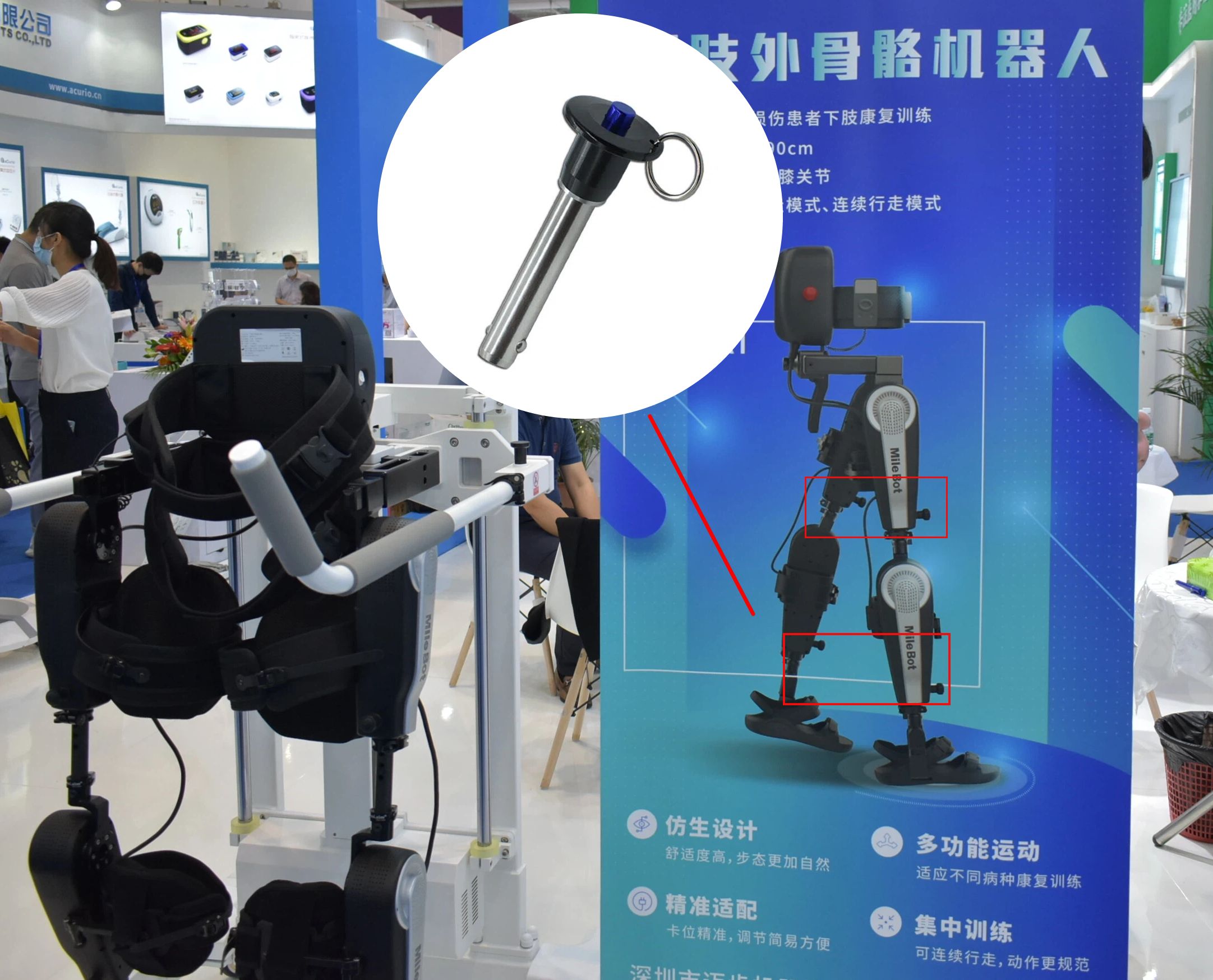
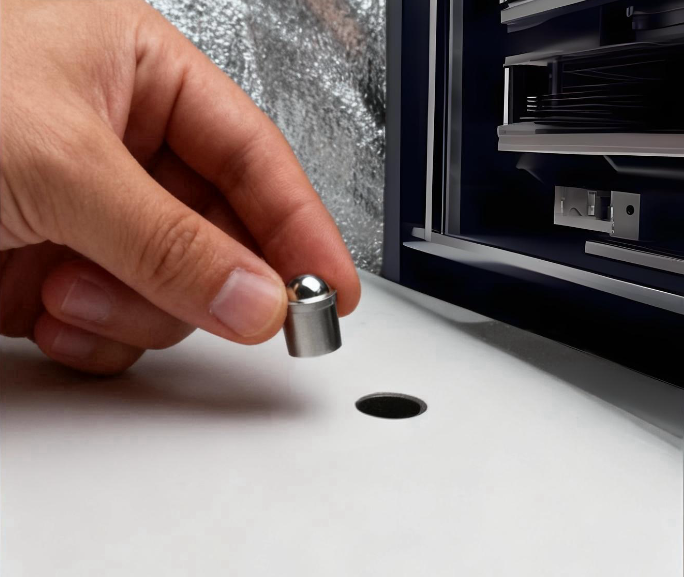
Indexing plungers are common mechanical components used to achieve precise positioning, indexing, and fixing of equipment or workpieces. Through pulling or pressing operations, indexing plunger can be easily repositioned or quickly locked, and are widely used in mechanical manufacturing, automation equipment, and industrial production lines.
Mocayo's indexing plungers are manufactured to high standards and are available in a variety of sizes and thread specifications to meet diverse industrial needs.
Mocayo's indexing plungers are manufactured to high standards and are available in a variety of sizes and thread specifications to meet diverse industrial needs.


Thread Types in Indexing Plungers
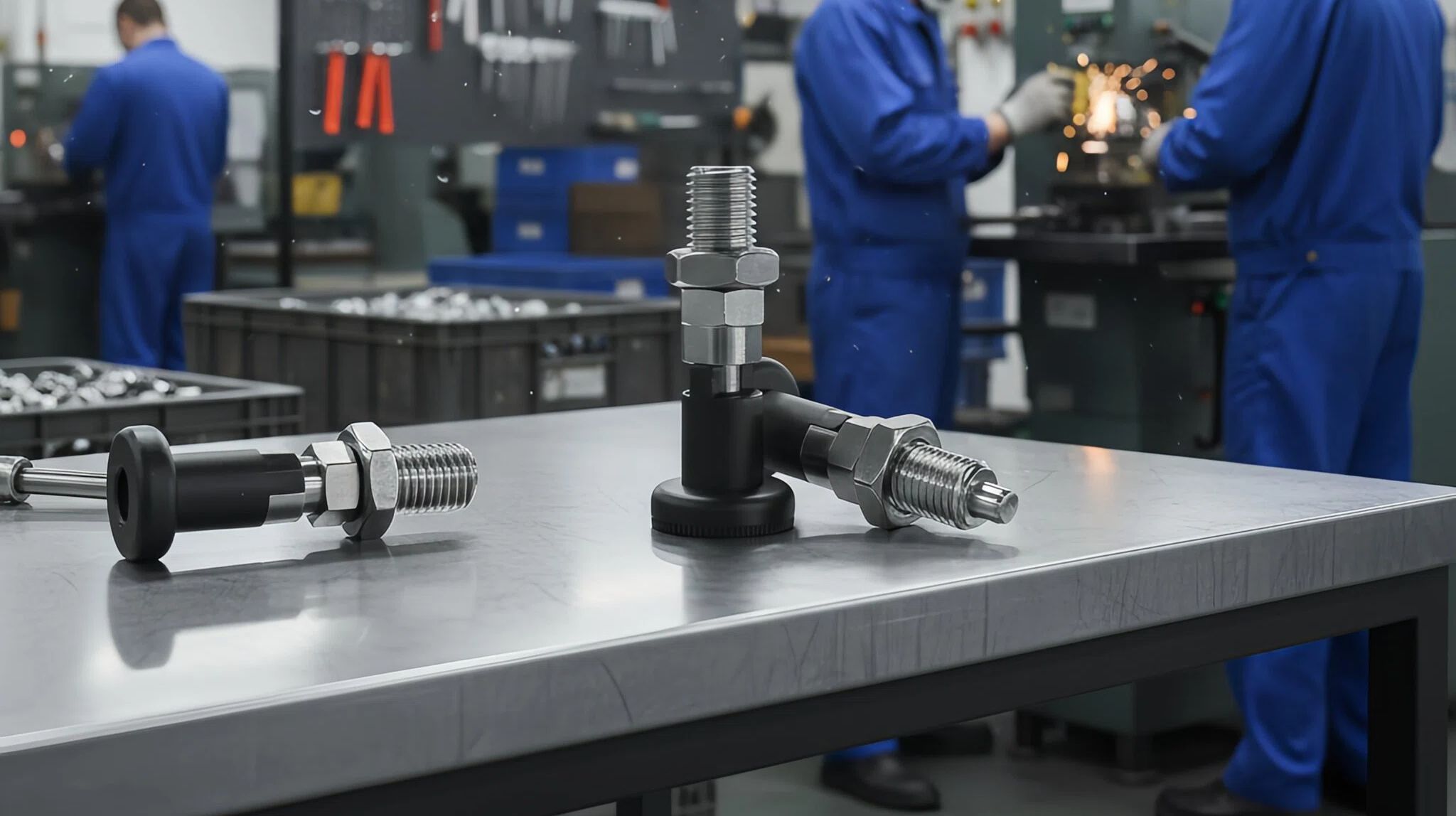
In Mocayo's product range, customers can choose between Coarse Thread or Fine Thread indexing plungers based on their specific requirements:
Coarse Thread indexing plunger: Easy to install, suitable for equipment requiring quick replacement or frequent adjustments.
Fine Thread indexing plunger: Provides stronger locking and better vibration resistance, ideal for mechanical environments with high precision requirements.
This differentiated design enables Mocayo's products to flexibly adapt to various application scenarios.
Materials and Manufacturing Processes
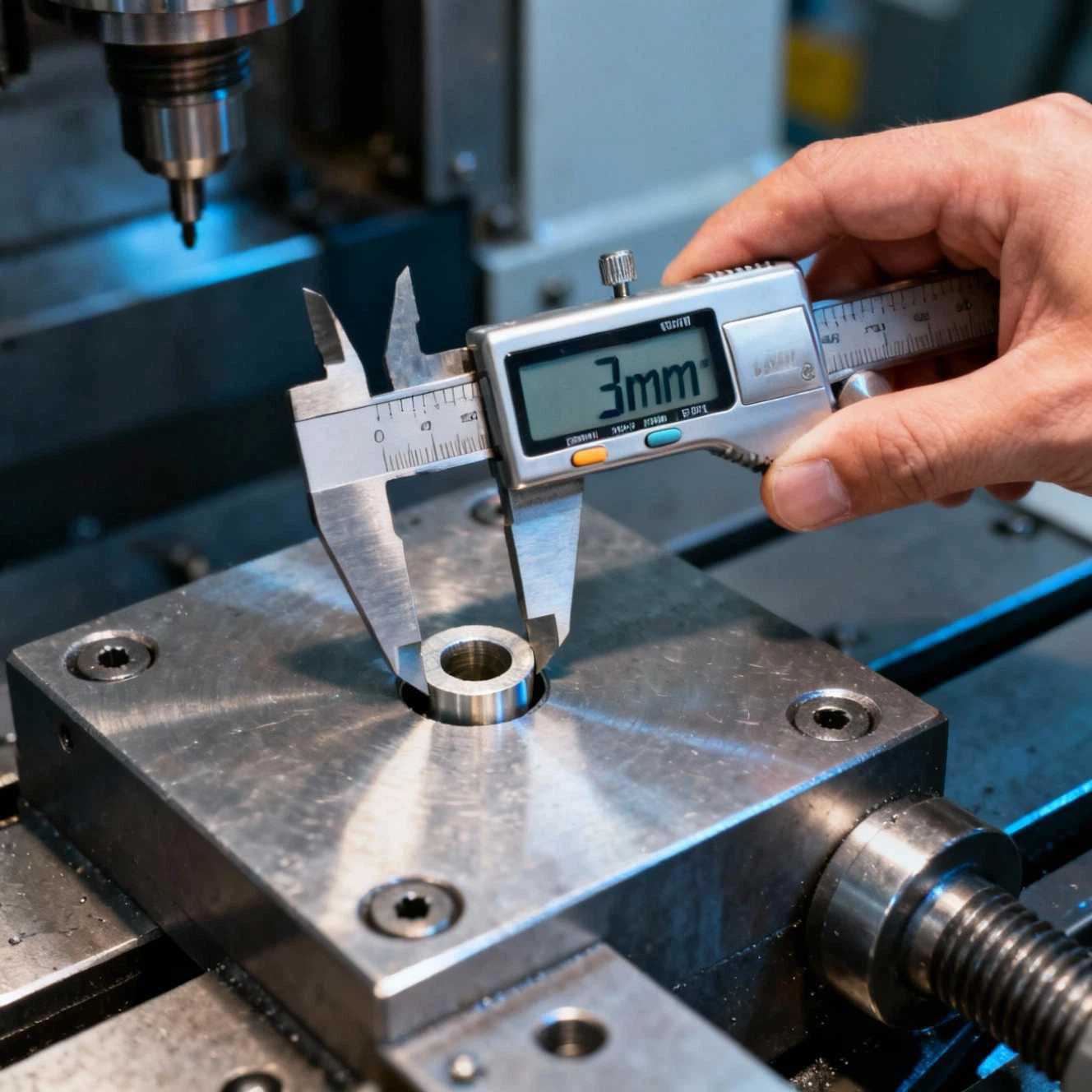
Mocayo's indexing plungers are manufactured using high-quality stainless steel, alloy steel, and other materials. Some products are equipped with wear-resistant handles and corrosion-resistant coatings to ensure stable performance even in harsh environments. Regardless of whether coarse or fine thread is selected, all products undergo rigorous testing to ensure reliable quality.
Application Scenarios
1. Mechanical Manufacturing
1. Mechanical Manufacturing
In mechanical assembly, the difference between coarse thread and fine thread is critical. Using a coarse thread indexing plunger can speed up assembly and improve production efficiency, while using a fine thread indexing plunger ensures tighter and more reliable assembly, preventing loosening.
2. Automated Equipment
Automated equipment often needs to run stably for long periods of time. In such cases, using a fine thread indexing plunger better ensures the safety and precision of the equipment in vibrating environments.
3. Industrial Production Lines
On assembly lines, operational efficiency is the top priority. Therefore, coarse thread indexing plungers are more suitable for scenarios requiring frequent part changes or position adjustments.
In summary, Mocayo's products offer flexible options between efficiency and stability by providing different thread options for customers. Coarse thread vs fine thread—which is right for you? Mocayo supplies high-quality indexing plungers and spring plungers designed for accurate positioning and rugged applications.
Indexing Plungers Thread Types
How To Clean Brass