What Factors Affect The Cost of CNC Machining Parts
What Factors Affect the Cost of CNC Machining Parts?
CNC (Computer Numerical Control) machining is a widely used manufacturing process known for its precision, versatility, and ability to produce complex parts. However, the cost of CNC machining parts can vary significantly depending on several factors. Understanding these factors is essential for businesses and individuals looking to optimize their budgets while maintaining high-quality standards. This article explores the key elements that influence the cost of CNC machining parts.

1. Material Costs
The choice of material is one of the most significant factors affecting the cost of CNC machining. Different materials have varying prices, machinability, and availability, which directly impact the overall cost.
-
Common Materials: Aluminum, steel, stainless steel, brass, and plastics are commonly used in CNC machining.
-
Exotic Materials: Materials like titanium, Inconel, or PEEK are more expensive due to their unique properties and difficulty in machining.
-
Material Waste: The amount of material removed during machining (waste) also affects costs, as more material removal requires more time and effort.
2. Part Complexity
The complexity of the part design plays a crucial role in determining machining costs. Complex parts require more intricate machining processes, specialized tools, and longer production times.
-
Geometric Complexity: Parts with intricate geometries, tight tolerances, or fine details require advanced CNC machines and skilled operators.
-
Multi-Axis Machining: Parts that require 4-axis or 5-axis machining are more expensive to produce than those made with standard 3-axis machines.
-
Surface Finishes: Additional finishing processes, such as polishing or anodizing, add to the overall cost.
3. Machine Time
The time required to machine a part is a major cost driver. Machine time depends on factors such as part size, complexity, and the type of CNC machine used.
-
Cycle Time: Longer machining cycles increase labor and machine usage costs.
-
Setup Time: Complex parts may require additional setup time for tool changes, fixturing, and programming.
-
Machine Type: High-precision or multi-axis machines typically have higher operating costs than standard machines.
4. Labor Costs
Labor costs are influenced by the skill level of the operators and the time required to complete the machining process.
-
Skilled Labor: Complex parts require highly skilled machinists, who command higher wages.
-
Programming Time: Creating and optimizing CNC programs for complex parts can be time-consuming and costly.
-
Post-Processing: Additional labor may be required for tasks like deburring, inspection, or assembly.
5. Tooling and Equipment
The tools and equipment used in CNC machining also contribute to the overall cost.
-
Tool Wear: Complex or hard materials can cause faster tool wear, necessitating frequent replacements.
-
Specialized Tools: Certain parts may require custom or specialized tools, which can be expensive.
-
Machine Maintenance: Regular maintenance of CNC machines ensures optimal performance but adds to operational costs.
6. Order Quantity
The number of parts ordered can significantly impact the cost per unit. Economies of scale often apply in CNC machining.
-
Prototyping: Small batch or prototype orders are typically more expensive per unit due to setup costs.
-
Mass Production: Larger orders reduce the cost per unit as setup costs are spread over more parts.
7. Tolerances and Precision
Tighter tolerances and higher precision requirements increase machining costs.
-
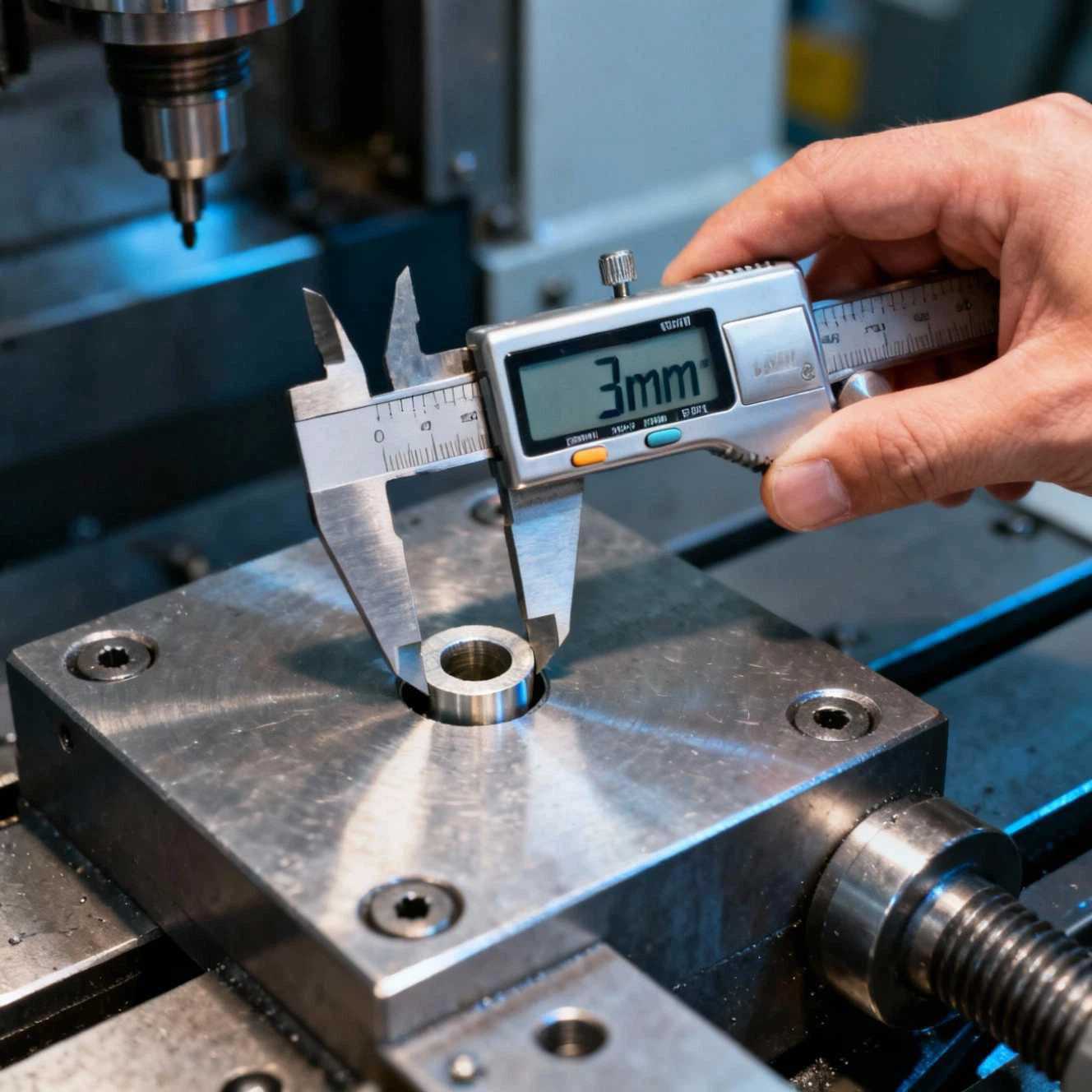
Tight Tolerances: Achieving tight tolerances requires more precise machining, advanced equipment, and additional quality control measures.
-
Inspection Costs: Parts with high precision requirements often need rigorous inspection, adding to the overall cost.
8. Surface Finishing and Post-Processing
Additional finishing processes can enhance the appearance and functionality of CNC-machined parts but also add to the cost.
-
Common Finishes: Anodizing, powder coating, plating, or polishing.
-
Special Treatments: Heat treatment, stress relieving, or custom coatings.
9. Design Optimization
The design of the part can influence machining costs. Optimizing the design for manufacturability can reduce costs.
-
Simplified Designs: Reducing unnecessary complexity or features can lower machining time and material waste.
-
Standard Features: Using standard hole sizes, radii, and threads can minimize the need for custom tooling.
10. Supplier and Location
The choice of supplier and their location can also affect costs.
-
Local vs. Overseas: Local suppliers may have higher labor costs but lower shipping expenses, while overseas suppliers may offer lower labor costs but higher shipping fees.
-
Supplier Expertise: Experienced suppliers with advanced capabilities may charge more but deliver higher-quality parts.
Discover our custom CNC parts for precision and efficiency in industrial applications. Tailored solutions ensure optimal performance and durability. Contact us for high-quality, custom-engineered components today.
What Are Custom CNC Turned Parts
How Do You Know If A Quick Release Pin Is Securely Locked