What Factors Should I Consider When Buying Quick Release Pins
What Factors Should I Consider When Buying Quick Release Pins?
Quick release pins are indispensable tools in industries ranging from manufacturing and aerospace to automotive and construction. Their ability to provide fast, secure, and reusable connections makes them a popular choice for applications requiring frequent assembly and disassembly. However, selecting the right quick release pin can be challenging due to the variety of options available. This article outlines the key factors to consider when purchasing quick release pins to ensure optimal performance and reliability.

1. Load Capacity
One of the most critical factors to consider is the load capacity of the quick release pin. The pin must be able to withstand the forces it will encounter during operation, including shear, tensile, and dynamic loads. Overloading a pin can lead to failure, posing safety risks and causing downtime.
-
Tip: Check the manufacturer’s specifications for maximum load ratings and choose a pin with a safety margin above your application’s requirements.
2. Material and Durability
The material of the quick release pin determines its strength, corrosion resistance, and suitability for specific environments. Common materials include:
-
Stainless Steel: Offers excellent corrosion resistance and strength, ideal for harsh environments.
-
Carbon Steel: Provides high strength but may require coatings for corrosion protection.
-
Aluminum: Lightweight and corrosion-resistant, suitable for lightweight applications.
-
Plastic or Nylon: Used in non-conductive or low-load applications.
-
Tip: Consider the operating environment (e.g., exposure to moisture, chemicals, or extreme temperatures) when selecting the material.
3. Locking Mechanism
Quick release pins come with various locking mechanisms, each suited to different applications. Common types include:
-
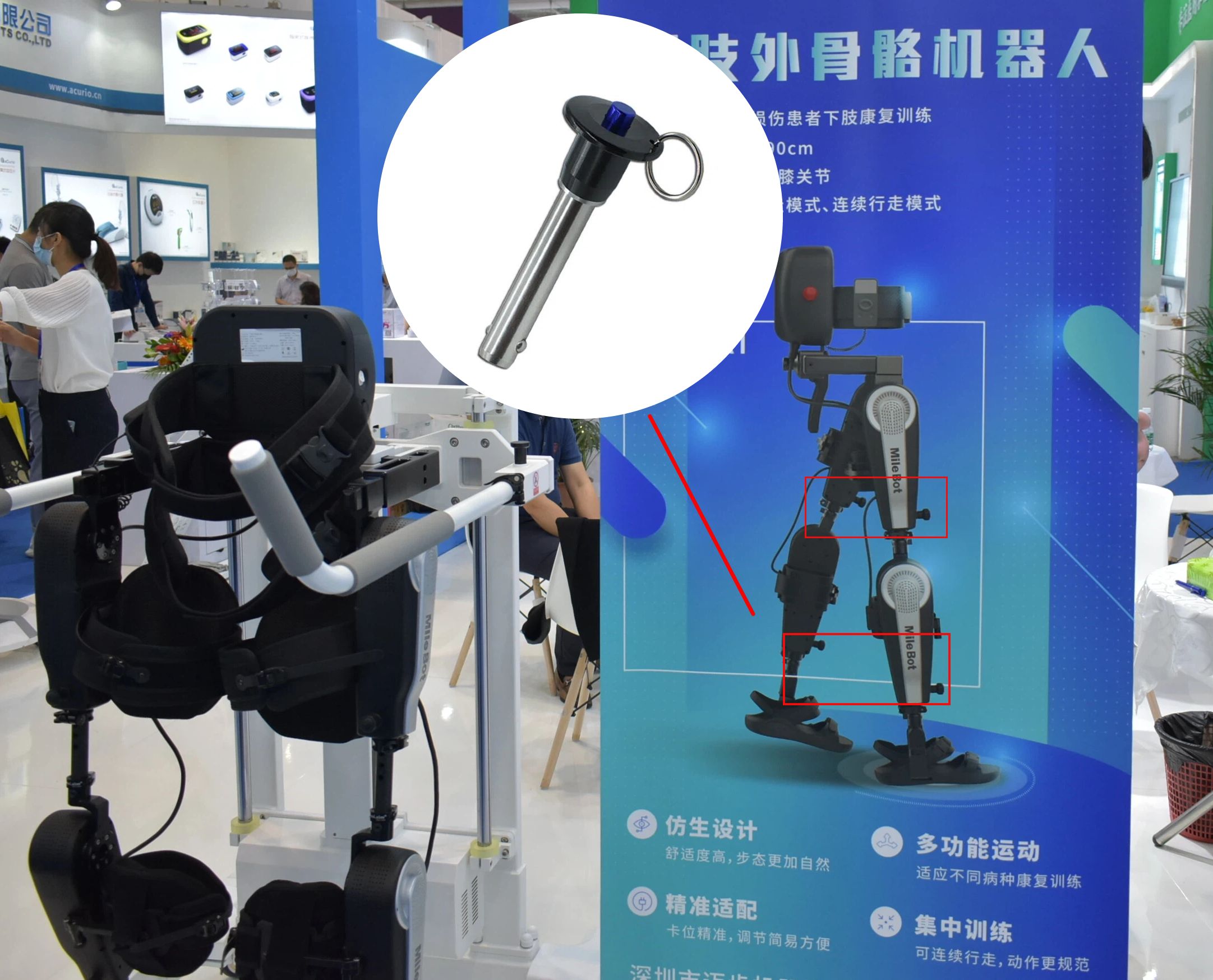
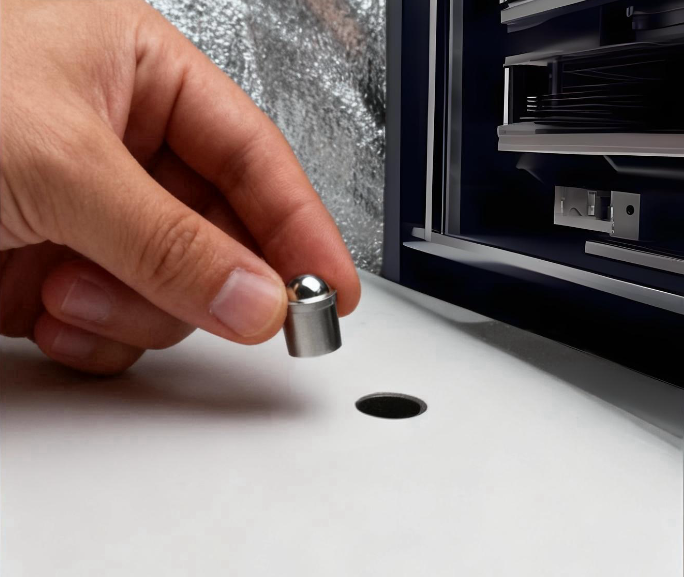
Ball Lock: Simple and reliable, ideal for general-purpose use.
-
Lever Lock: Provides a strong and visible lock, suitable for heavy-duty applications.
-
Push Button: Easy to operate, perfect for frequent use.
-
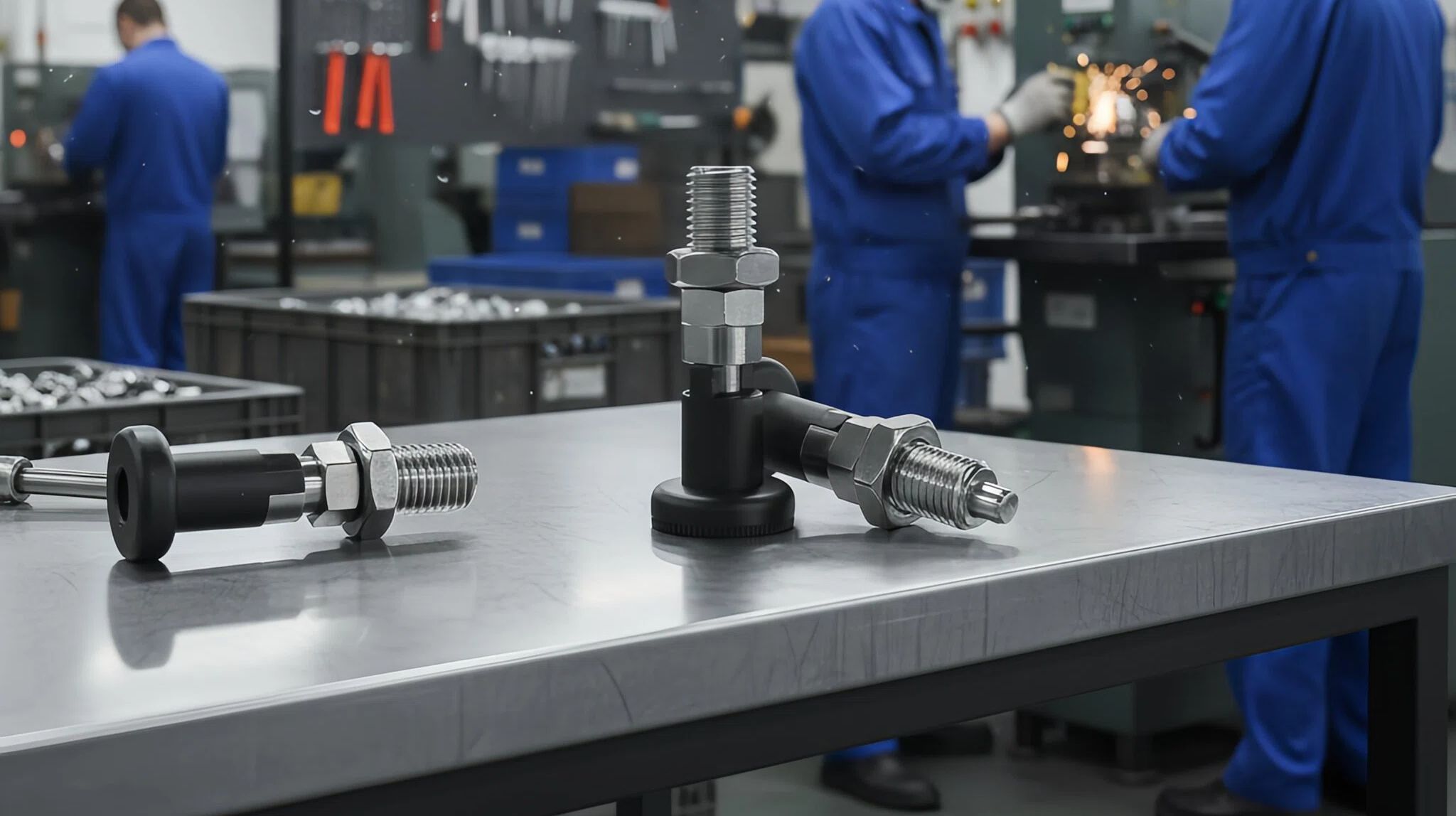
Threaded Lock: Offers high security and resistance to vibration.
-
Tip: Choose a locking mechanism that balances ease of use with the security required for your application.
4. Size and Dimensions
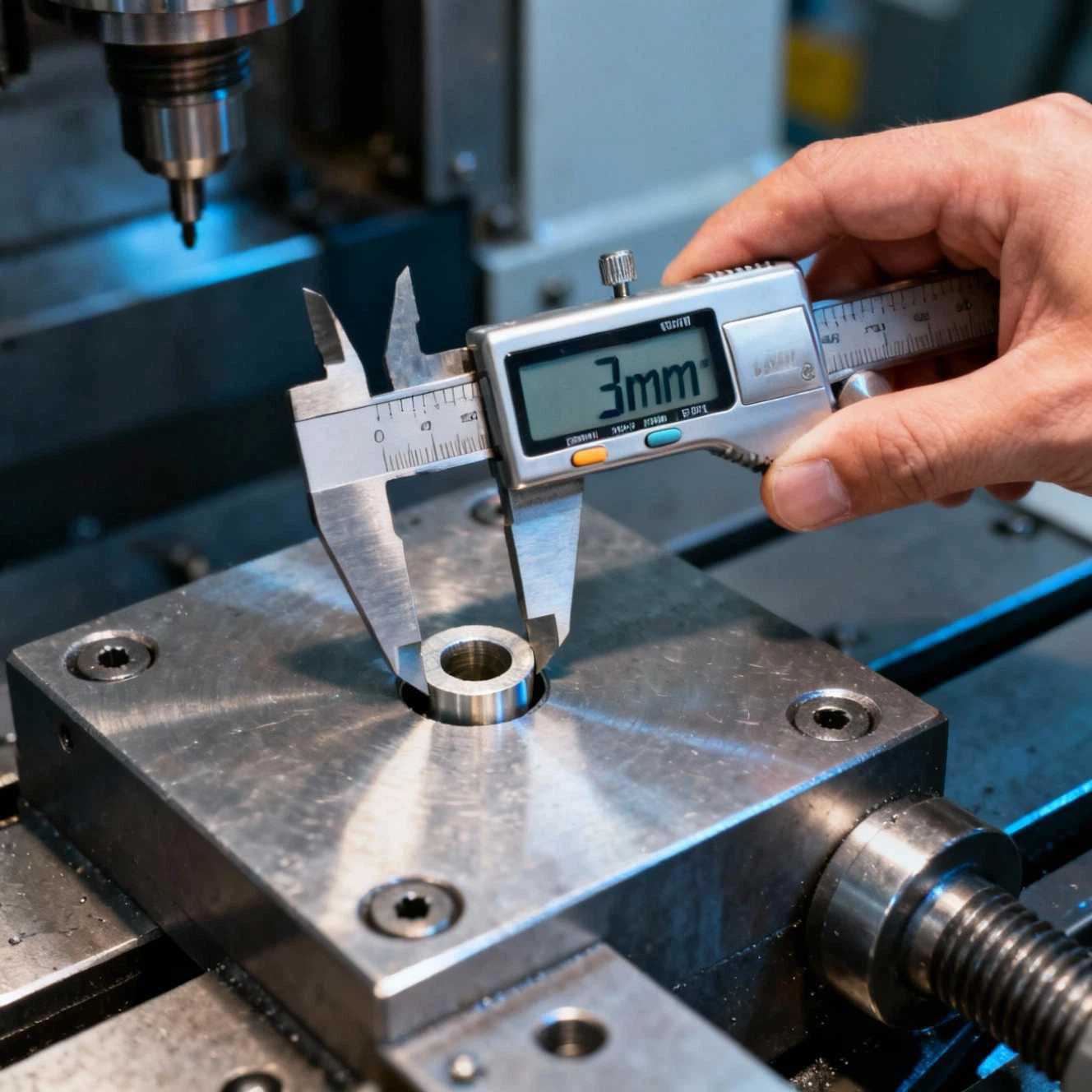
The size and dimensions of the quick release pin must match the requirements of your application. Key measurements include:
-
Shaft Diameter: Must fit snugly into the hole without excessive play.
-
Length: Should be appropriate for the thickness of the materials being joined.
-
Head Style: Options include round, flat, or knurled heads, depending on the need for grip or aesthetics.
-
Tip: Measure the hole size and material thickness accurately to ensure a proper fit.
5. Environmental Conditions
Consider the environmental conditions in which the quick release pin will be used. Factors such as temperature extremes, exposure to chemicals, moisture, or dust can affect the pin’s performance and lifespan.
-
Tip: For corrosive environments, choose stainless steel or coated pins. For high-temperature applications, select materials that can withstand heat without degrading.
6. Ease of Operation
The ease of inserting, locking, and releasing the pin is crucial, especially in applications requiring frequent use. Features like ergonomic handles, smooth plungers, or push-button mechanisms can enhance usability.
-
Tip: Test the pin’s operation to ensure it meets your ease-of-use requirements.
7. Safety Features
In critical applications, additional safety features may be necessary to prevent accidental release. Options include:
-
Safety Clips or Rings: Provide extra security in high-vibration environments.
-
Locking Indicators: Visual or tactile cues to confirm the pin is securely locked.
-
Tip: Evaluate the risks in your application and choose pins with appropriate safety features.
8. Cost and Availability
While cost is an important consideration, it should not compromise quality or performance. Additionally, consider the availability of replacement parts or additional pins for future needs.
-
Tip: Compare prices from reputable suppliers and ensure the pins meet industry standards.
9. Customization Options
Some applications may require custom quick release pins tailored to specific needs. Customization options include unique lengths, materials, coatings, or locking mechanisms.
-
Tip: Work with manufacturers who offer customization services to get pins that perfectly match your requirements.
10. Compliance with Standards
Ensure that the quick release pins comply with relevant industry standards, such as ISO, DIN, or MIL-SPEC. Compliance guarantees quality, reliability, and compatibility with other components.
-
Tip: Verify certifications and standards with the manufacturer or supplier.
11. Supplier Reputation
Choosing a reputable supplier is essential for obtaining high-quality quick release pins. Look for suppliers with positive reviews, a history of reliable products, and excellent customer support.
-
Tip: Research suppliers online, read customer reviews, and ask for recommendations from industry peers.
Explore our detent ball pin and various locking pin types for secure and efficient fastening in industrial applications. Durable and reliable, they ensure smooth operation. Contact us for custom solutions today.
How Do You Know If A Quick Release Pin Is Securely Locked
Can Cam Action Index Plungers Be Customized