Difference Between 304 And 316 Stainless Steel – Best Material For Detent Pins
Difference Between 304 And 316 Stainless Steel – Best Material For Detent Pins
I. Key Characteristics Comparison: 304 vs. 316 Stainless Steel
In the field of precision mechanical manufacturing, material selection has a direct impact on product performance and longevity. Among the most commonly used materials for Detent Pins, 304 and 316 stainless steel each offer distinct advantages. From a chemical composition standpoint, 304 stainless steel contains 18% chromium and 8% nickel, making it a classic austenitic stainless steel. 316 stainless steel, on the other hand, adds approximately 2% molybdenum to this base composition—a critical difference that significantly enhances corrosion resistance.
In practical applications, 304 stainless steel is ideal for general industrial environments due to its excellent oxidation resistance, workability, and cost-effectiveness. 316 stainless steel, with superior resistance to chloride-induced corrosion, is the preferred choice for harsh environments such as marine engineering and chemical processing. Our tests show that under a 5% salt spray environment, 316 stainless steel offers over three times the corrosion resistance of 304.
From a mechanical perspective, 316 stainless steel has about 15% higher yield strength than 304. However, it also has a more pronounced work-hardening tendency, requiring higher precision in processing—especially critical when manufacturing Detent Pins. In terms of cost, 316 stainless steel is typically 20–30% more expensive than 304, but for long-term use in critical components, this investment often results in longer service life and reduced maintenance.

II. Mocayo Stainless Steel Detent Pins Product Series
With deep insight into various application scenarios, Mocayo has developed a comprehensive line of stainless steel Detent Pins:
-
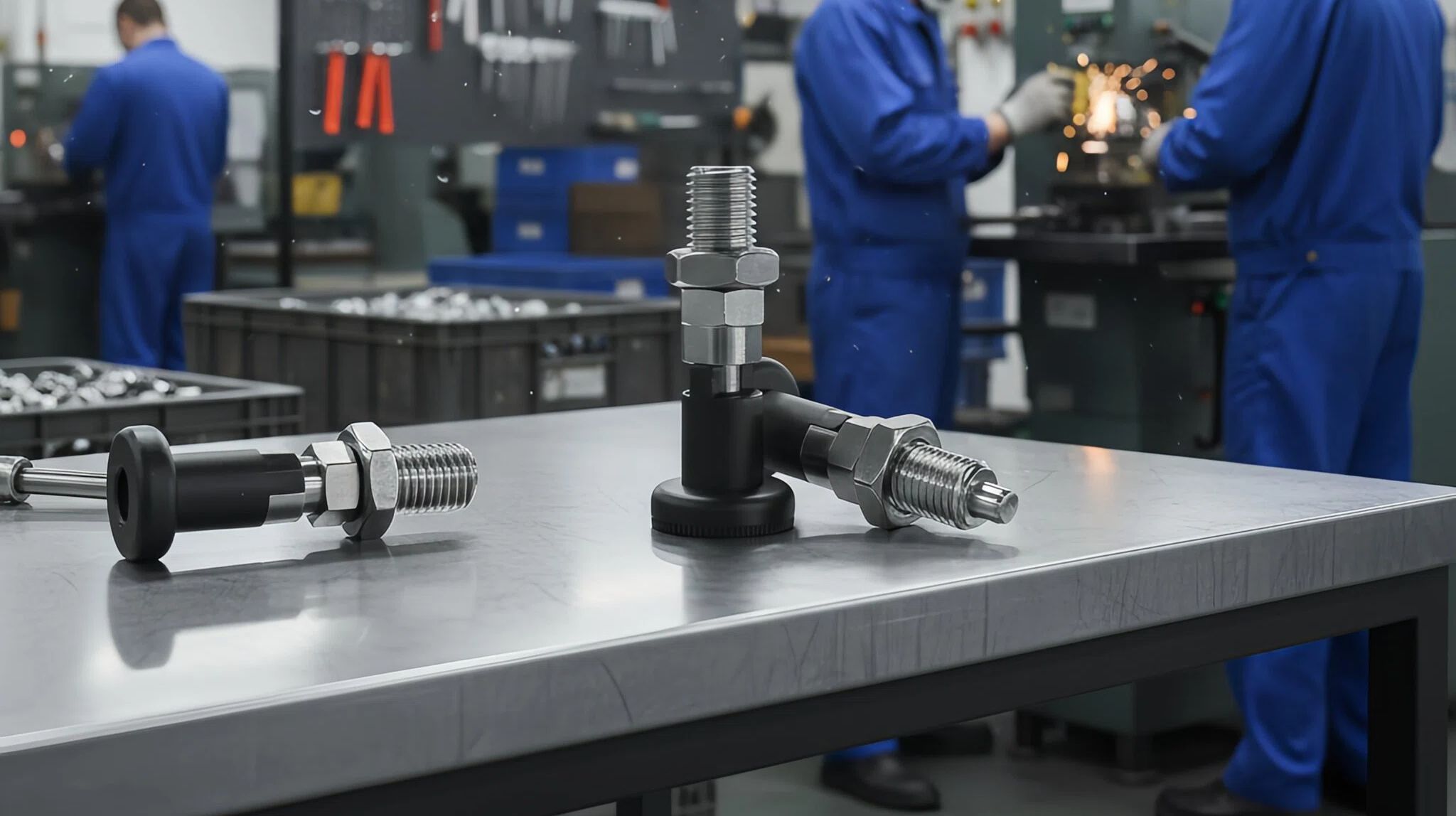
Standard 304 Stainless Steel Detent Pins: Manufactured from high-quality 304 stainless steel rods with precision machining, achieving a surface finish of Ra ≤ 0.8μm and diameter tolerance within ±0.01mm. Widely used in automation and packaging equipment, this series has surpassed 5 million units shipped.
-
Corrosion-Resistant 316 Stainless Steel Detent Pins: Enhanced with molybdenum and processed with specialized heat treatment to refine grain boundaries. Our salt spray testing indicates outstanding performance—remaining intact after 1,000 hours of exposure—making them ideal for coastal and high-humidity environments.
-
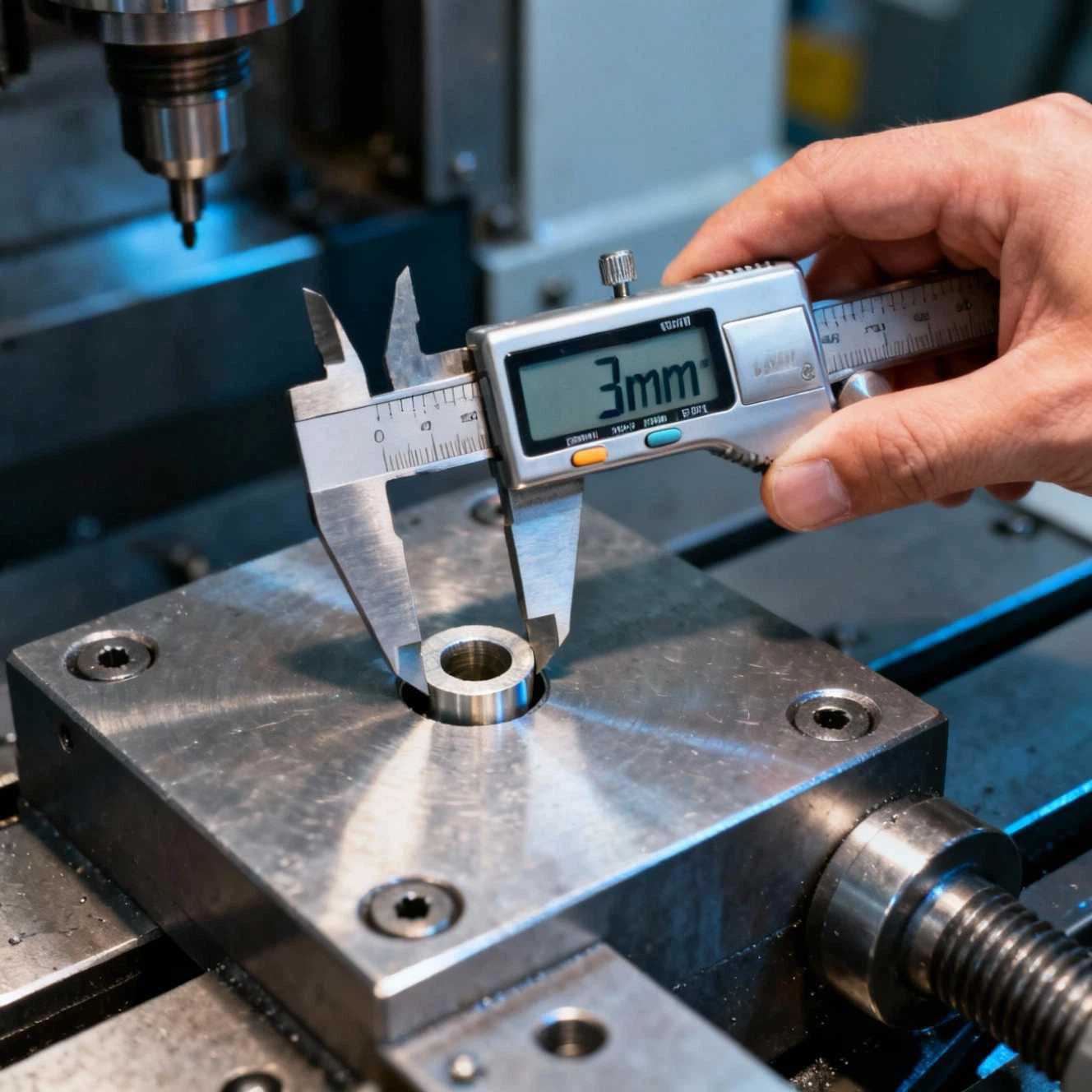
Precision Ground Detent Pins: Machined with Swiss-imported CNC grinders, achieving diameter tolerances of ±0.005mm and surface roughness Ra ≤ 0.4μm. Perfect for use in optical adjustment systems and precision measuring instruments that demand exceptional dimensional accuracy.
-
Custom Heat-Treated Detent Pins: Treated with vacuum quenching to achieve a hardness of HRC 40–45, improving wear resistance by 50%. One automotive parts manufacturer reported tripled lifespan—from 6 to 18 months—after switching to this product.
III. Professional Material Selection Guide for Detent Pins
Choosing the right stainless steel material for Detent Pins requires a multi-faceted approach:
-
Environmental Conditions: This is the most decisive factor. For example, in humid environments such as food processing plants, our engineering cases show 316 stainless steel Detent Pins last 2–3 times longer than their 304 counterparts.
-
Mechanical Load Requirements: For applications subject to high lateral forces, 316 stainless steel, with its higher strength, is recommended.
-
Hygienic Standards: In medical applications, we recommend electropolished 316 stainless steel Detent Pins, which offer a mirror-like finish (Ra ≤ 0.2μm) to minimize bacterial adhesion.
-
Cost Considerations: For general industrial uses, 304 stainless steel Detent Pins are usually sufficient and significantly more cost-effective.
Important Note: In environments with high chloride levels, even 316 stainless steel may experience pitting. To address this, Mocayo has developed specialized surface treatment technologies to further enhance corrosion resistance. Our technical team is ready to provide material recommendations tailored to your application.
IV. Real-World Industry Applications
-
Food & Beverage Industry: A well-known dairy brand adopted our 316 stainless steel Detent Pins, extending equipment cleaning intervals from weekly to monthly and reducing annual maintenance costs by 40%. These products are FDA-certified and fully meet food hygiene standards.

-
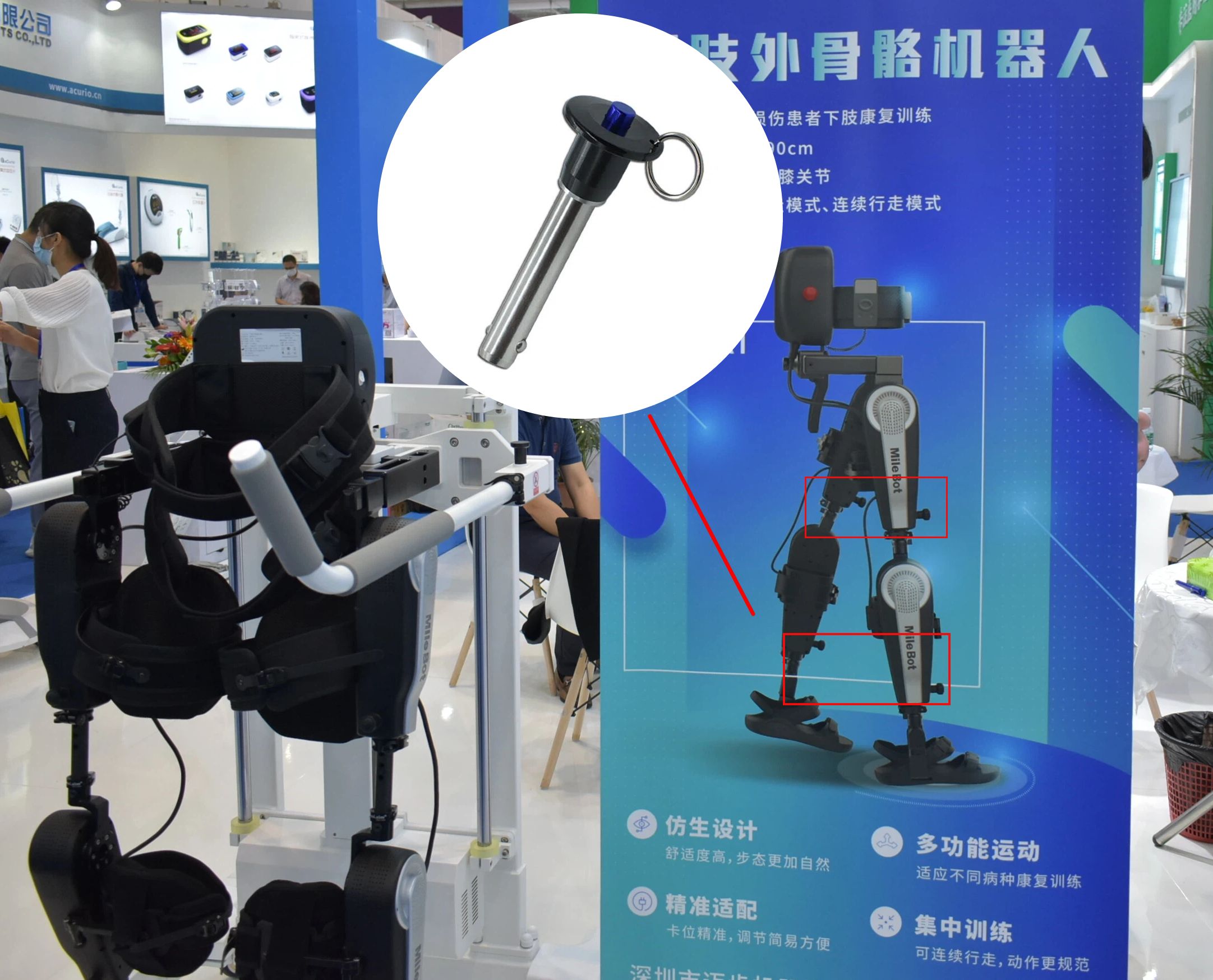
Medical Equipment: A surgical robotics manufacturer used our precision-ground 316 stainless steel Detent Pins, achieving repeat positioning accuracy of 0.005mm. Special passivation treatment ensures resistance to repeated sterilization cycles.
-
Marine Engineering: Our 316 stainless steel Detent Pins performed exceptionally in an offshore wind power project. After 18 months at sea, all pins remained intact with zero signs of corrosion.
-
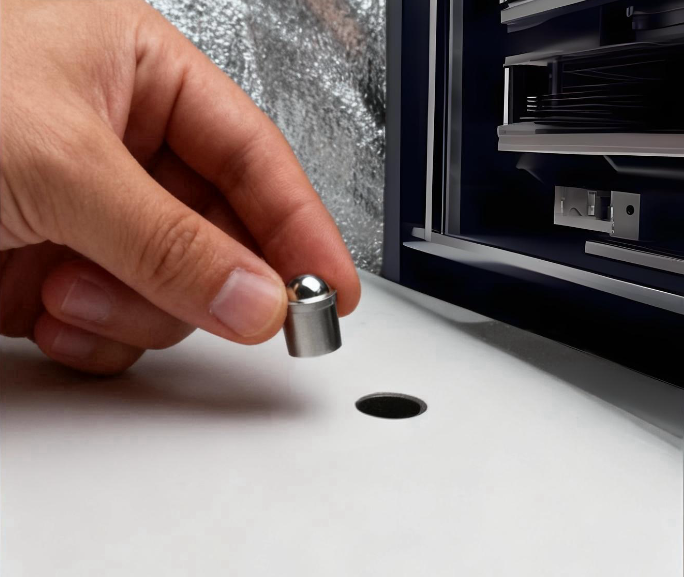
Electronics Manufacturing: A semiconductor equipment supplier used 304 stainless steel Detent Pins to control costs while maintaining performance. Surface treatments met cleanroom requirements.
At Mocayo, we are committed to delivering the most professional Detent Pin solutions. We offer not only standard products but also custom development tailored to your specific needs. Contact our technical consultants today for more information and expert support.
Difference Between 304 and 316 Stainless Steel for Detent Pins. 316 offers superior corrosion resistance vs. 304, ideal for marine/chemical detent pins. Choose 304 for cost-effective, general-use applications.
What Are Metal Finishes-Mocayo Custom Metal Work
What Does A Cnc Machine Do-Application of Indexing Plungers in CNC