Difference in Stainless Steel Grades
Difference in Stainless Steel Grades
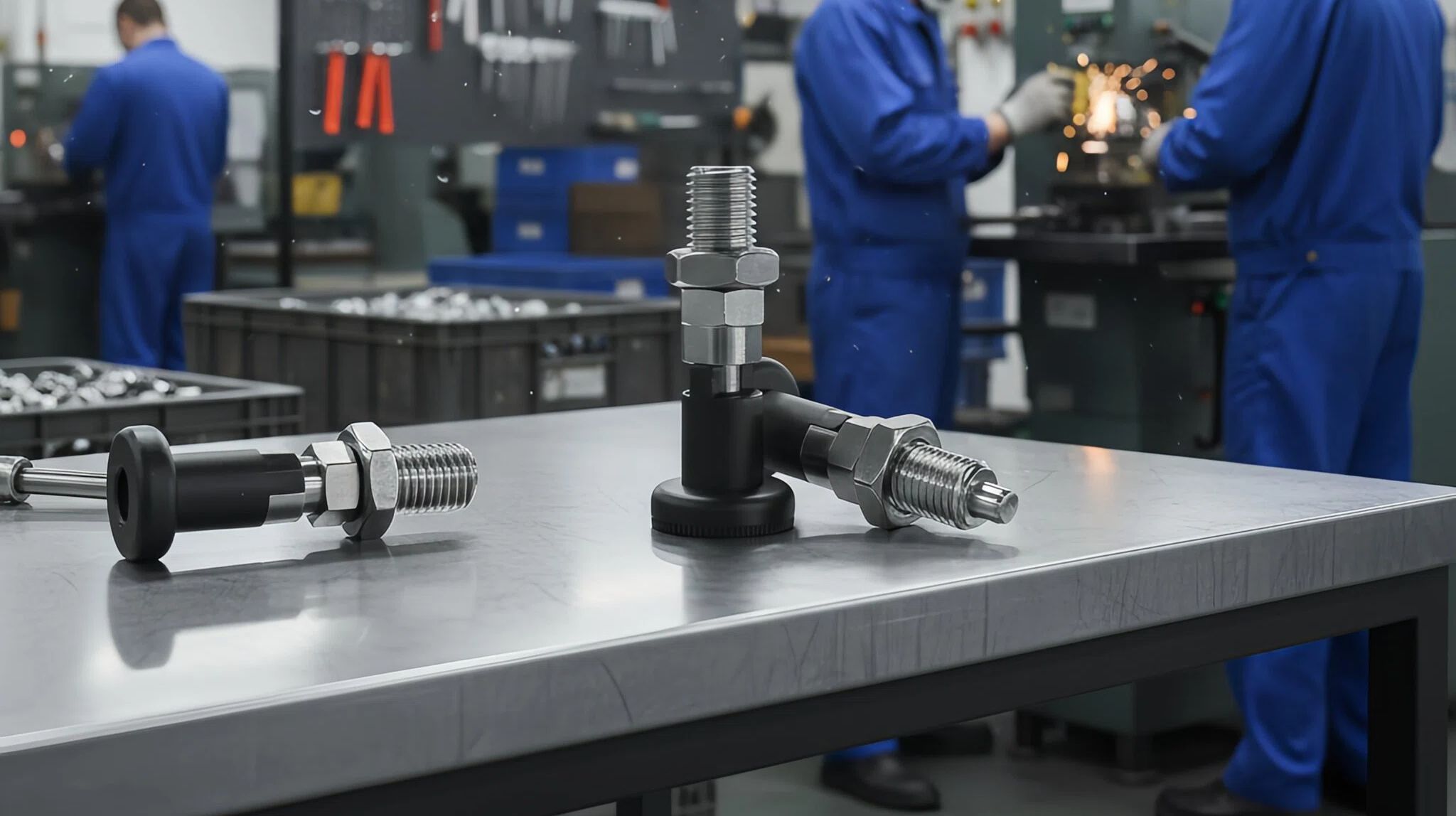
Different grades of stainless steel have distinct physical properties and application characteristics. Selecting the appropriate stainless steel grade not only enhances product quality but also effectively controls production costs. This article will introduce the differences in stainless steel grades and briefly analyze the features and application areas of stainless steel index plungers. Discover how the difference in stainless steel grades affects index plunger performance. Shop precision components today.


What is Stainless Steel?
Stainless steel is a metal alloy primarily composed of iron, chromium, nickel, and other elements. The addition of chromium is the key factor that gives it its “corrosion resistance,” with a chromium content typically not less than 10.5%. Additionally, the proportions of other elements such as carbon, molybdenum, and manganese directly affect the strength, hardness, and machinability of stainless steel.
Stainless steel is a metal alloy primarily composed of iron, chromium, nickel, and other elements. The addition of chromium is the key factor that gives it its “corrosion resistance,” with a chromium content typically not less than 10.5%. Additionally, the proportions of other elements such as carbon, molybdenum, and manganese directly affect the strength, hardness, and machinability of stainless steel.
Common stainless steel grades include 304, 316, 201, 430, and 17-4PH, among others. Different grades of stainless steel exhibit significant differences in their physical and chemical properties. For example, 304 stainless steel is highly versatile, 316 stainless steel performs better in resisting chloride corrosion, while 17-4PH offers high strength and moderate corrosion resistance, making it suitable for load-bearing structures.
Material Selection Recommendations for Stainless Steel Index Plungers
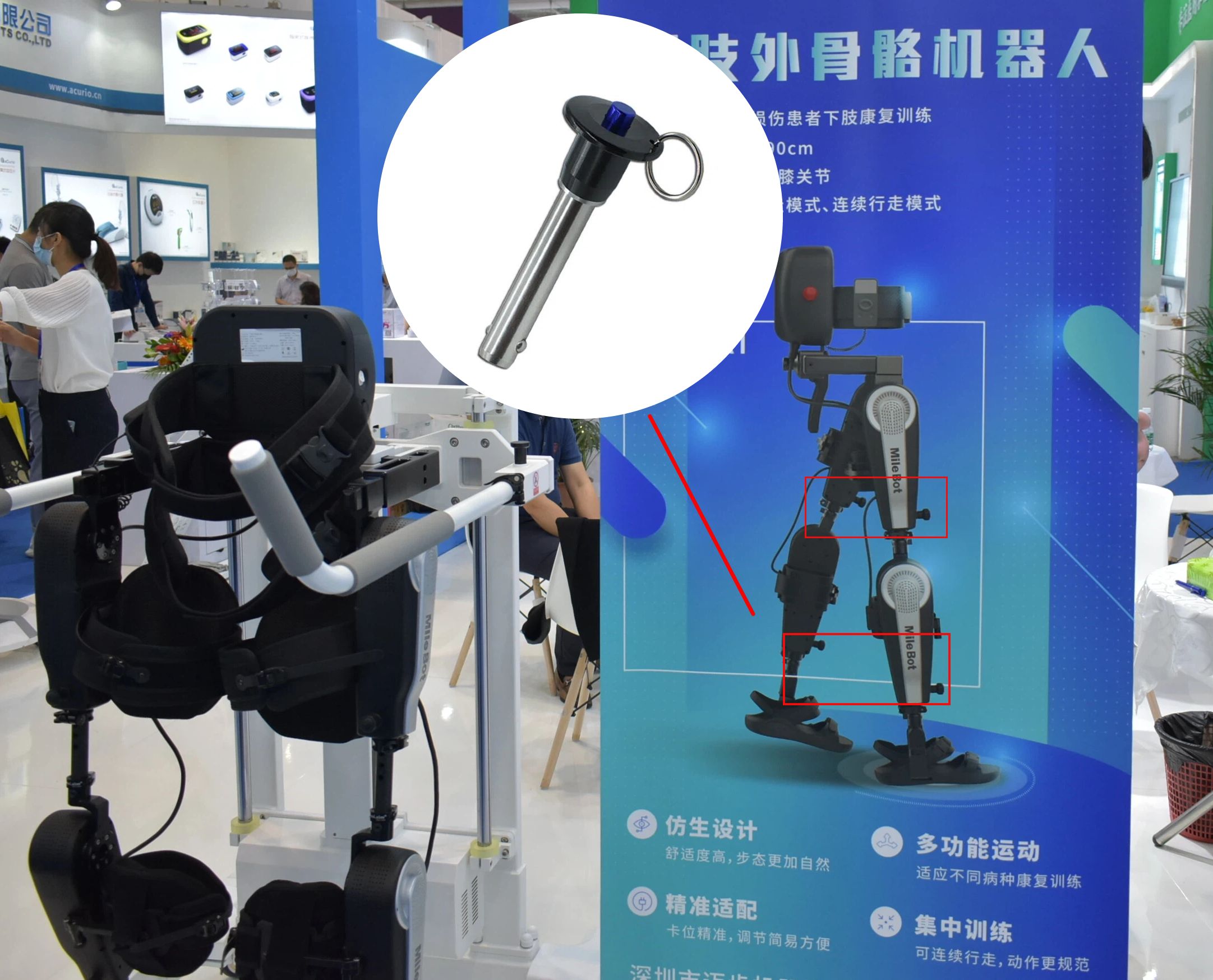
When selecting a stainless steel index plunger, choosing the appropriate stainless steel grade is equally important. If the application requires high corrosion resistance (such as outdoor or humid environments), we recommend using a 316 stainless steel index plunger; if the equipment is subjected to high mechanical loads, the 17-4PH grade can be selected to enhance strength and service life.
When selecting a stainless steel index plunger, choosing the appropriate stainless steel grade is equally important. If the application requires high corrosion resistance (such as outdoor or humid environments), we recommend using a 316 stainless steel index plunger; if the equipment is subjected to high mechanical loads, the 17-4PH grade can be selected to enhance strength and service life.
It is worth noting that while 17-4PH offers high strength, it is more complex to process and has higher costs. Index plungers made of 304 stainless steel are suitable for general mechanical clamping and positioning tasks, offering a good cost-performance ratio.

How to Select the Appropriate Stainless Steel Grades Based on Application?
1. Environmental and Performance Requirements Determine Material Grade
In practical applications, understanding the differences between stainless steel grades can assist users in making informed material selections. The following are common material selection recommendations:
1. Environmental and Performance Requirements Determine Material Grade
In practical applications, understanding the differences between stainless steel grades can assist users in making informed material selections. The following are common material selection recommendations:
- Indoor environments with low corrosion → Recommend 304
- Long-term exposure to water or moisture → Recommended: 316
- High load-bearing requirements → Recommended: 17-4PH
- Welded components or medical devices → Prioritize 316L or higher grades
Especially when using stainless steel index plungers, properly matching the material grade can significantly enhance performance and overall equipment reliability.
2. Balancing cost and machinability
Different stainless steel grades also vary in price and machinability. 304 is easier to machine and has moderate cost; 316 is slightly more expensive but offers superior corrosion resistance; 17-4PH has high strength but is more difficult to machine. Therefore, when selecting materials, performance must be considered alongside cost budgets and subsequent machining processes for a comprehensive evaluation.
Different stainless steel grades also vary in price and machinability. 304 is easier to machine and has moderate cost; 316 is slightly more expensive but offers superior corrosion resistance; 17-4PH has high strength but is more difficult to machine. Therefore, when selecting materials, performance must be considered alongside cost budgets and subsequent machining processes for a comprehensive evaluation.
Optimizing Product Performance and Cost Through Appropriate Selection of Stainless Steel Grades
By comparing the differences in stainless steel grades, it is evident that each type of stainless steel has its specific applications and technical advantages. In the selection of precision positioning components such as stainless steel index plungers, this approach not only ensures product performance but also contributes to the overall quality of the equipment.
By comparing the differences in stainless steel grades, it is evident that each type of stainless steel has its specific applications and technical advantages. In the selection of precision positioning components such as stainless steel index plungers, this approach not only ensures product performance but also contributes to the overall quality of the equipment.
How High-Performance Fasteners Improve Efficiency And Safety
Carbon Steel And Stainless Steel Indexing Plungers