How Are Ball Screws Made
How Are Ball Screws Made? A Deep Dive into the Manufacturing Process of Precision Motion Control Components
Introduction
Ball Screws are a critical component in modern engineering, enabling precise and efficient linear motion in applications ranging from industrial machinery to aerospace systems. But have you ever wondered how these precision devices are made? The manufacturing process of Ball Screws is a fascinating blend of advanced engineering, meticulous craftsmanship, and cutting-edge technology. This article takes you behind the scenes to explore the step-by-step process of how Ball Screws are made, highlighting the precision and expertise required to produce these indispensable components.
What Are Ball Screws?
Before diving into the manufacturing process, it’s essential to understand what Ball Screws are. Ball Screws are mechanical devices that convert rotational motion into linear motion with minimal friction. They consist of three main components: a screw shaft, a nut, and recirculating ball bearings. The screw shaft features a helical groove, while the nut contains a matching groove and ball bearings that roll between the grooves, enabling smooth and precise linear movement.
The Manufacturing Process of Ball Screws
The production of Ball Screws involves several intricate steps, each requiring precision and attention to detail. Here’s a breakdown of the key stages in the manufacturing process:
1. Material Selection
The process begins with the selection of high-quality materials. The screw shaft and nut are typically made from hardened steel, stainless steel, or alloy steel, chosen for their strength, durability, and resistance to wear. The ball bearings are usually made from high-grade steel or ceramic, depending on the application requirements.
2. Machining the Screw Shaft
The screw shaft is machined from a solid bar of steel. Using CNC (Computer Numerical Control) machines, the helical groove is carefully cut into the shaft. This groove must be precisely shaped to ensure smooth interaction with the ball bearings. The machining process involves:
-
Turning: The steel bar is turned to the desired diameter.
-
Thread Grinding: The helical groove is ground into the shaft with extreme precision, often achieving tolerances within micrometers.
-
Heat Treatment: The shaft is heat-treated to enhance its hardness and durability, ensuring it can withstand heavy loads and prolonged use.
3. Manufacturing the Nut
The nut is also machined from high-quality steel. The internal helical groove must match the groove on the screw shaft perfectly. The nut is typically produced using:
-
CNC Machining: The internal groove is machined to precise specifications.
-
Drilling and Tapping: Holes are drilled and tapped for the ball recirculation system, which allows the ball bearings to move continuously within the nut.
-
Heat Treatment: Like the screw shaft, the nut undergoes heat treatment to improve its strength and wear resistance.
4. Producing the Ball Bearings
The ball bearings are manufactured to exacting standards. They are typically made from hardened steel or ceramic and are precision-ground to ensure uniformity in size and shape. The balls must be perfectly spherical to ensure smooth rolling and minimal friction.
5. Assembly
The assembly process is where the screw shaft, nut, and ball bearings come together. This stage involves:
-
Inserting the Ball Bearings: The ball bearings are carefully inserted into the nut’s helical groove.
-
Installing the Recirculation System: The recirculation system, which allows the balls to move continuously, is installed within the nut.
-
Lubrication: The assembled Ball Screw is lubricated to reduce friction and ensure smooth operation.
6. Quality Control and Testing
Every Ball Screw undergoes rigorous quality control and testing to ensure it meets the highest standards of precision and performance. This includes:
-
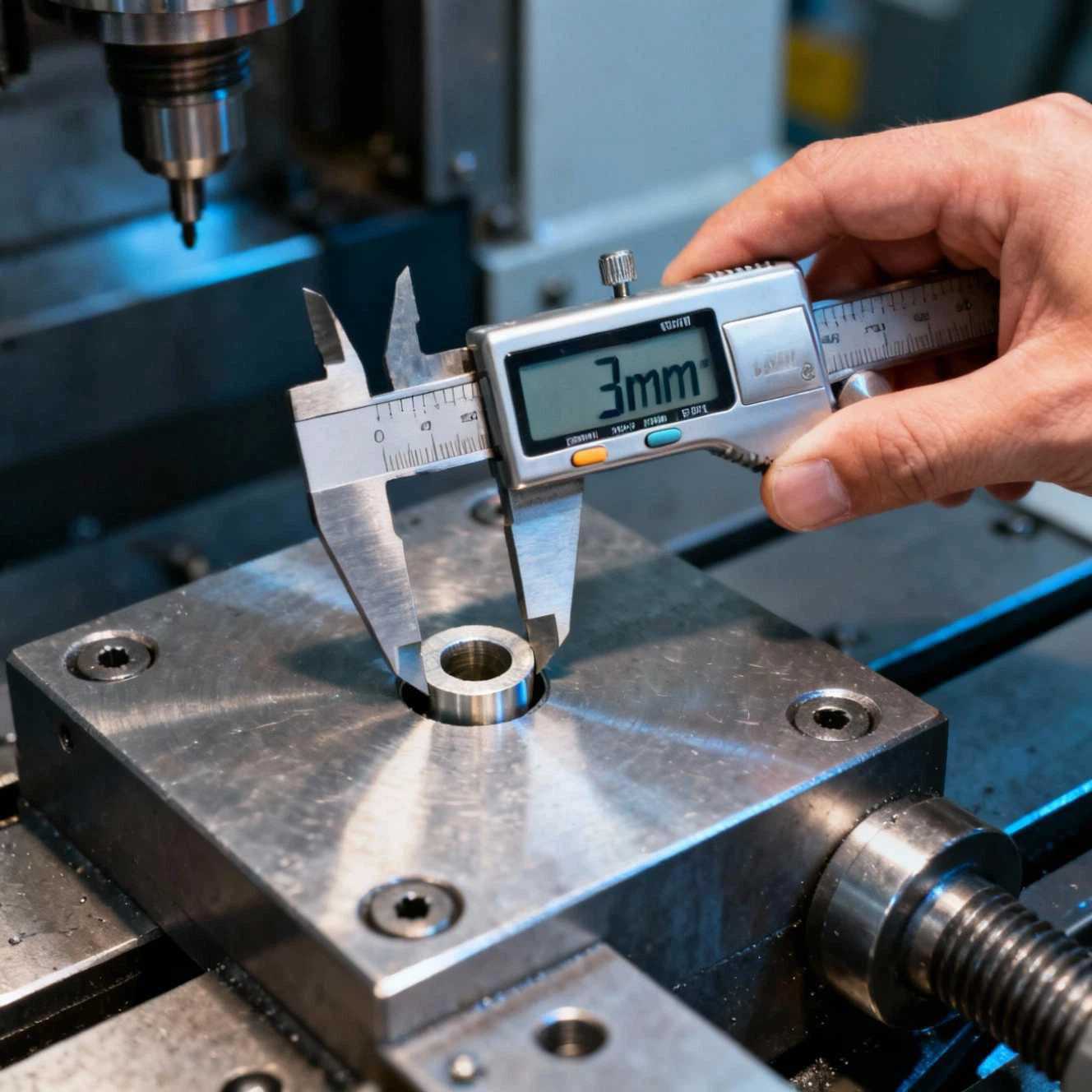
Dimensional Inspection: Using advanced measuring tools, the dimensions of the screw shaft, nut, and ball bearings are verified.
-
Performance Testing: The Ball Screw is tested for smoothness, accuracy, and load-bearing capacity under various conditions.
-
Surface Finish Inspection: The surface finish of the components is checked to ensure it meets specifications.
Applications of Ball Screws
Ball Screws are used in a wide range of industries, including:
-
Manufacturing: CNC machines, lathes, and milling machines.
-
Robotics: Robotic arms and automated systems.
-
Aerospace: Aircraft landing gear and satellite positioning systems.
-
Medical Equipment: Imaging systems and surgical robots.
-
Automotive: Steering systems and assembly lines.
Expert Insights
Dr. Michael Reynolds, a mechanical engineer specializing in precision components, explains, “The manufacturing of Ball Screws is a highly specialized process that requires a deep understanding of materials, machining, and quality control. The precision involved in every step ensures that the final product delivers the accuracy and reliability that industries depend on.”
Future Trends in Ball Screw Manufacturing
As industries continue to demand higher levels of precision and efficiency, Ball Screw manufacturing is evolving. Innovations such as advanced materials (e.g., ceramic ball bearings), improved coatings, and the integration of smart technologies (e.g., sensors for real-time monitoring) are shaping the future of Ball Screw production.
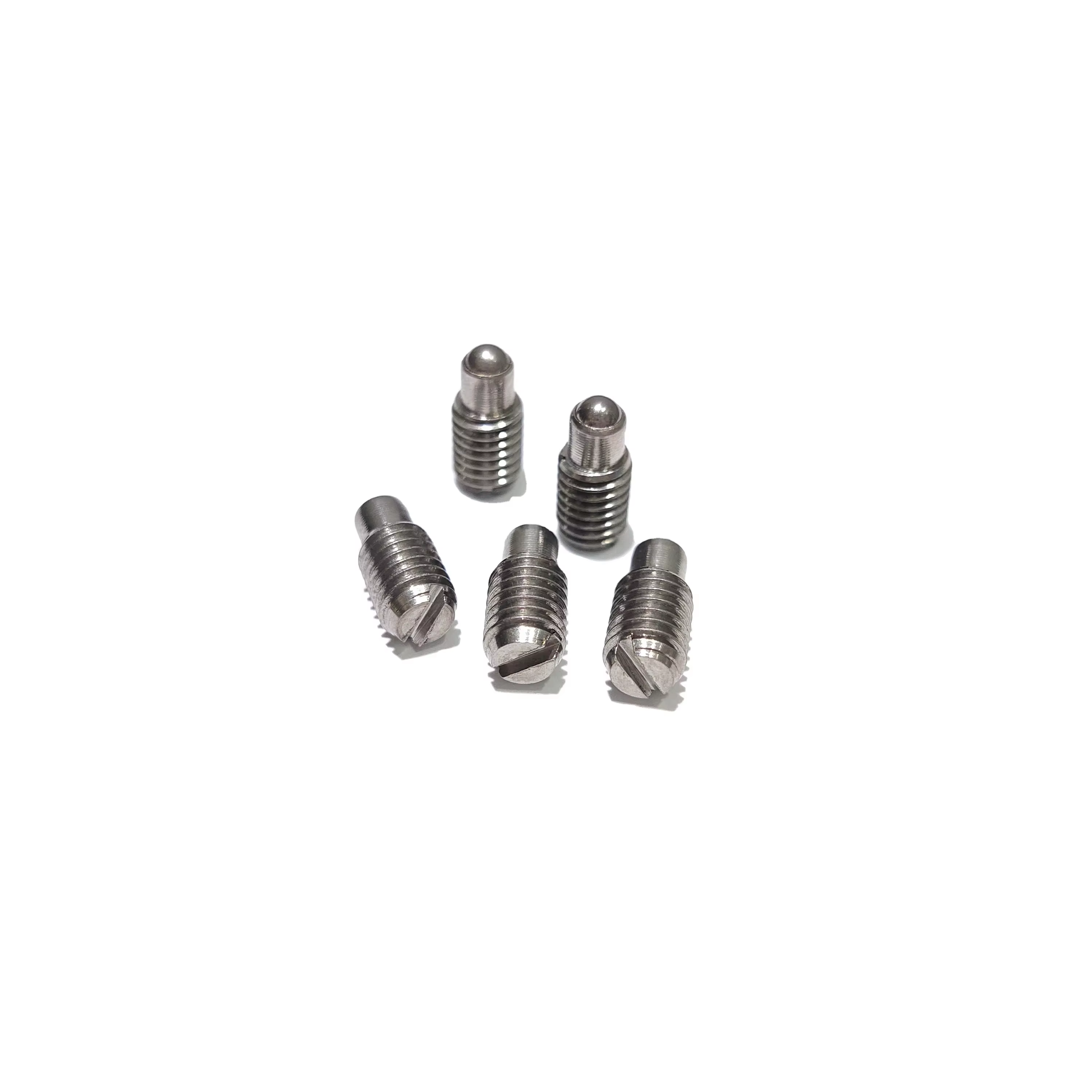
Discover how ball screws and spring plunger screws are made for precise motion control in industrial applications. Durable and efficient, they ensure smooth operation. Contact us for custom solutions tailored to your needs.
Metric Quick Release Pins
Lateral Plunger