How Do Index Plungers Work
How Do Index Plungers Work? A Comprehensive Guide to Their Mechanism and Applications
Index plungers are essential mechanical components used in a variety of applications to provide precise positioning and secure locking. Commonly found in machinery, fixtures, and consumer products, index plungers play a crucial role in ensuring accurate alignment and repeatability. This article delves into the working mechanism of index plungers, their key features, and their diverse applications.

1. Understanding the Basic Mechanism
Components of an Index Plunger:
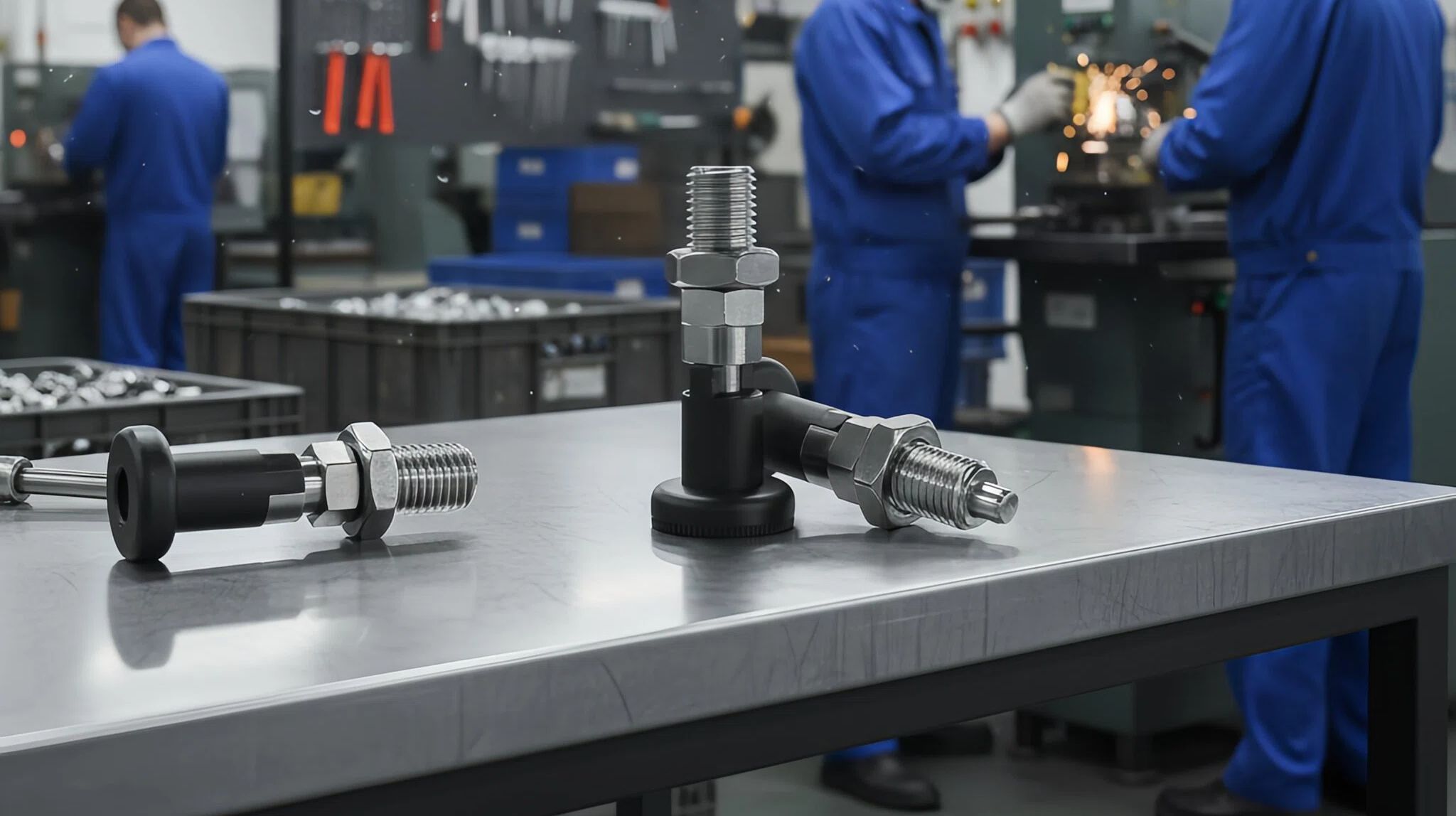
An index plunger typically consists of three main components: a spring-loaded plunger, a threaded body, and a ball or pin at the end. The plunger is housed within the threaded body, which allows it to be easily installed into a pre-tapped hole. The ball or pin at the end of the plunger engages with detent holes or grooves in the mating part, providing a secure and repeatable locking mechanism.
Spring-Loaded Action:
The spring inside the index plunger provides the necessary force to keep the ball or pin engaged with the detent hole. When an external force is applied, the ball or pin retracts into the body, compressing the spring. Once the force is removed, the spring pushes the ball or pin back into the detent hole, securing the part in place.
2. Types of Index Plungers
Ball Plungers:
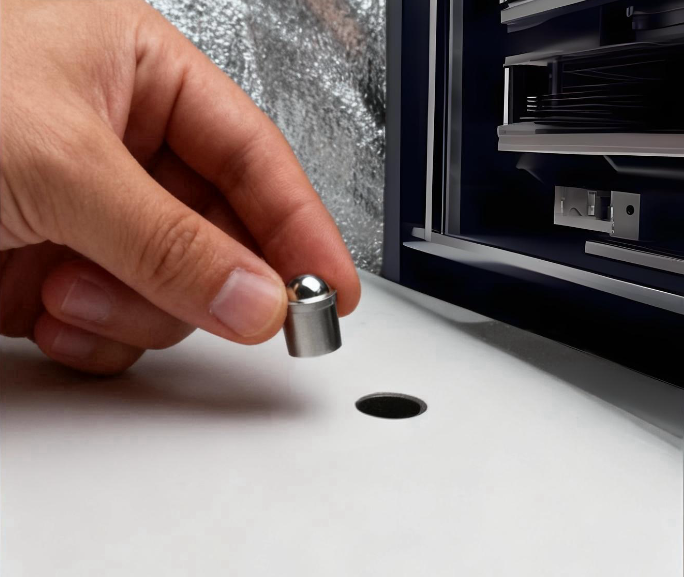
Ball plungers feature a spring-loaded ball at the end, which engages with detent holes or grooves. The ball's smooth surface allows for easy engagement and disengagement, making ball plungers ideal for applications requiring frequent adjustments.
Pin Plungers:
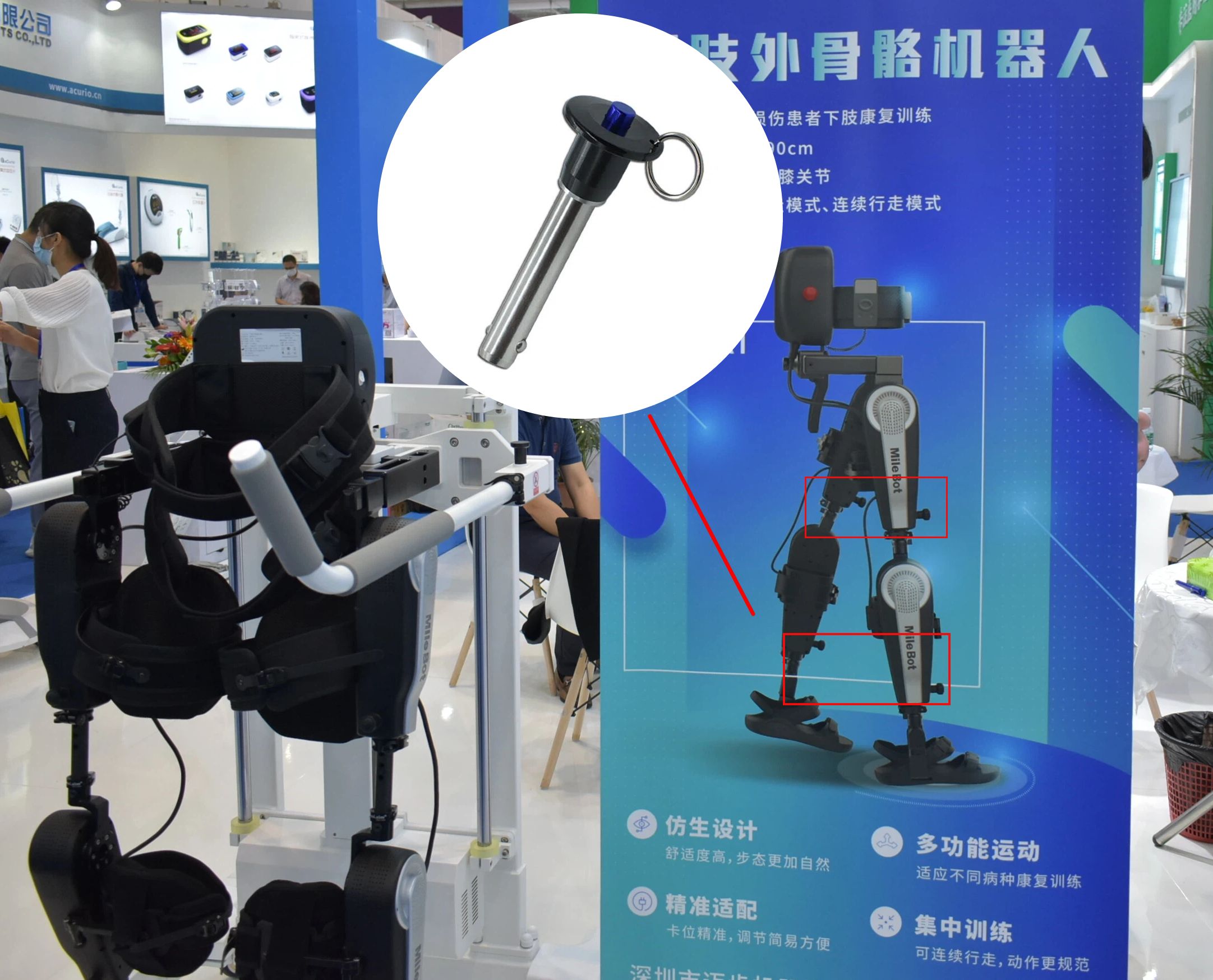
Pin plungers, on the other hand, have a spring-loaded pin instead of a ball. The pin provides a more rigid and secure connection, making pin plungers suitable for applications where precise alignment and stability are critical.
3. Key Features and Benefits
Precise Positioning:
Index plungers provide accurate and repeatable positioning, ensuring that parts are consistently aligned. This is particularly important in applications such as fixtures, jigs, and machinery, where precise alignment is crucial for optimal performance.
Ease of Use:
The spring-loaded mechanism of index plungers allows for easy engagement and disengagement, making them user-friendly and convenient for applications requiring frequent adjustments.
Durability:
Index plungers are typically made from high-quality materials such as stainless steel, brass, or plastic, ensuring durability and long service life. Stainless steel plungers offer excellent corrosion resistance, making them suitable for harsh environments.
4. Applications of Index Plungers
Machinery and Fixtures:
Index plungers are widely used in machinery and fixtures to secure and position parts. They ensure that components are accurately aligned and remain in place during operation, reducing the risk of errors and improving overall efficiency.
Consumer Products:
In consumer products, index plungers are often used in adjustable components such as folding tools, furniture, and sports equipment. They provide a secure and easy-to-use locking mechanism, enhancing the functionality and user experience of the product.
Automotive and Aerospace:
In the automotive and aerospace industries, index plungers are used in various applications, including locking mechanisms for doors, hatches, and access panels. Their precise positioning and secure locking capabilities make them ideal for safety-critical applications.
5. Installation and Maintenance
Installation:
Installing an index plunger is straightforward. The threaded body is screwed into a pre-tapped hole, and the plunger is adjusted to the desired position. Proper installation ensures optimal performance and longevity.
Maintenance:
Index plungers require minimal maintenance. Regular inspection for wear and tear, along with occasional lubrication, can help maintain their performance and extend their service life.
Explore index plunger pins and indexing plungers with pull knobs, and learn how do index plungers work for precise positioning and locking in machinery and tools.
Can Self Locking Plunger Handle Large Production Runs
How Do Ball Plungers Compare To Detent Pins