How Does Indexing Plunger Work
Contents
Table of Contents
How Does Indexing Plunger Work
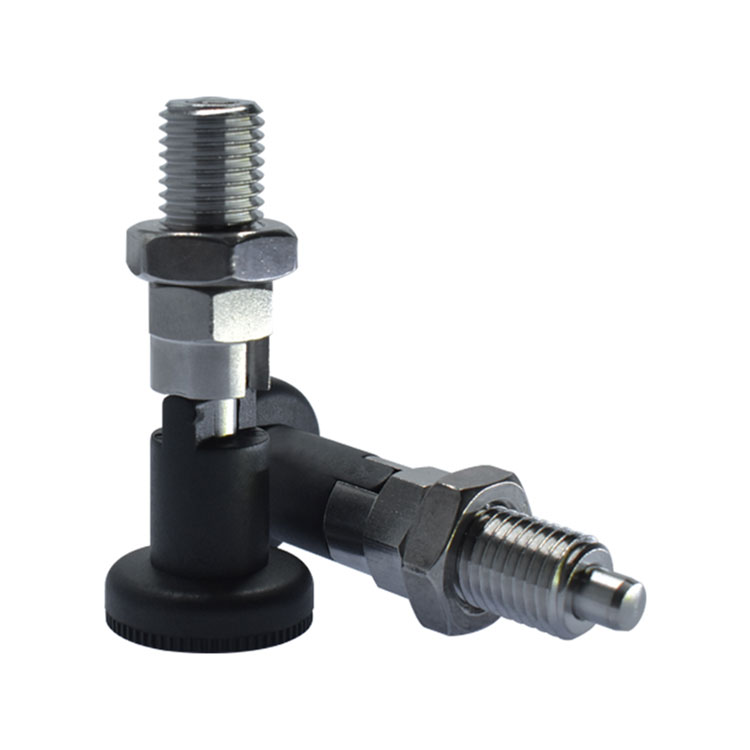
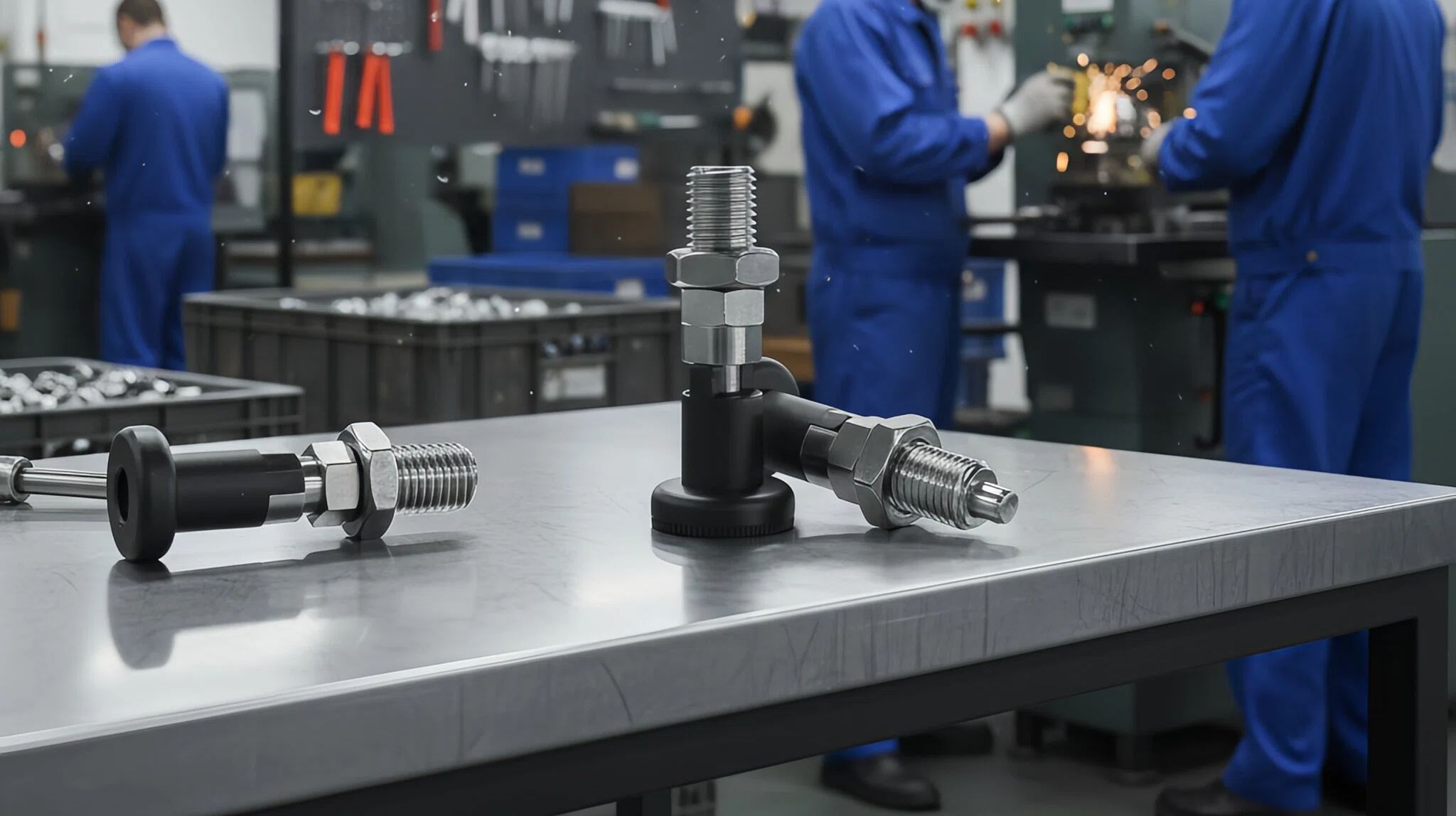
A standard indexing plunger consists of the following core components:
1. Pin
This is the part of the indexing pin that is directly involved in positioning. When the pin is extended, it is inserted into the locating hole and mechanically fixed; when the pin is retracted, the part is free to move.
2. Spring
The spring inside the indexing plunger provides the spring force that allows the plunger to automatically reset itself when the handle is released. It is this part of the structure that gives indexing plungers their "elastic position".
3. Body
Usually made of stainless steel or carbon steel, the body is designed to be mounted to a mechanical structure to withstand operating forces and external loads.
4. Handle / Knob
The handle is the point of direct contact between the operator and the indexing pin, and can be designed to allow for different modes of operation.
This structure may seem simple, but it contains the details of high-precision mechanical engineering. Understanding these components is the first step in understanding how Does Indexing Plunger Work.
When the operator pulls up or rotates the handle, the pin rod retracts, compressing the internal spring, placing the mechanism in a “free state.”
Upon releasing the handle, the spring releases its tension, pushing the pin rod back to its original position and inserting it into the locating hole, thereby achieving precise mechanical positioning.
This design not only ensures repeatable positioning accuracy but also prevents unintended movement. For instance, in equipment requiring frequent workstation switching or component repositioning, indexing pins enable rapid, secure, and repeatable repositioning through a simple “pull-release” operation.

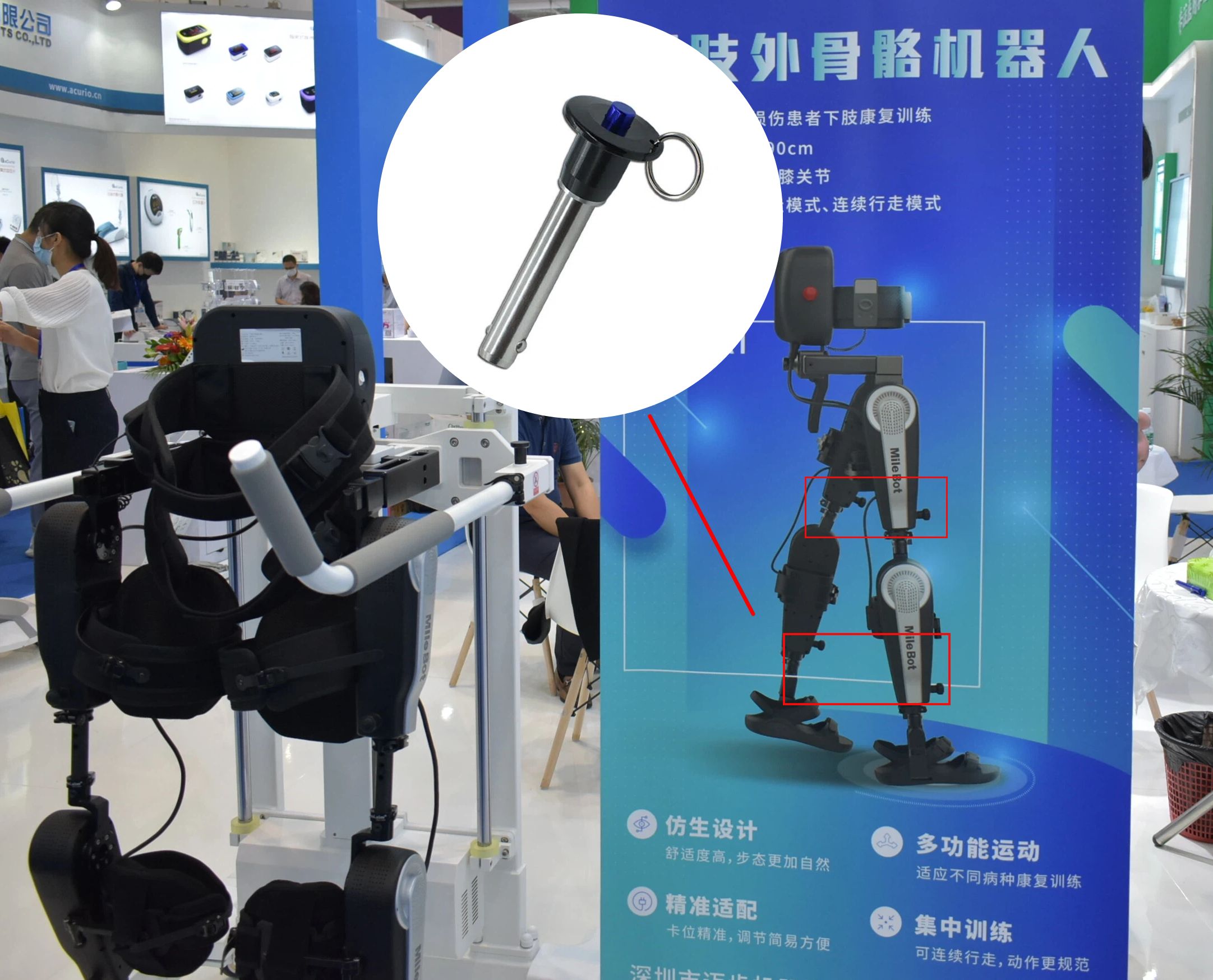
In modern manufacturing, indexing plungers can be found in almost any machine that requires "precise positioning" or "structural adjustment". The following are some common application directions:
1. Auto Equipment
Used in the limiting position of robotic arms, positioning of workstations, etc., to ensure the repeatability of movements.
2. Clamping & Fixturing Systems
For precise positioning and quick release of workpieces during clamping by means of indexing pins.
3. Transport & Folding Structure
Used for folding platform, adjustable slide rail and other structures to facilitate disassembly and position locking.
4. Experimental Instruments & Test Equipment
Provide stable and adjustable positioning mechanism to ensure experimental accuracy.
Q: What is your MOQ for indexing plunger?
A: Our MOQ is 100-200 pcs.
Q: How long is your lead time?
A: Our lead time usually is 15 days. It depends on your quantity and custom design.
Q: Does your product comply with MS/NASM standards?
A: Yes, our indexing plungers strictly comply with the standards.
Indexing Elements Applications
Pin Lock Mechanism