How is Aluminum Made
How is Aluminum Made
1. The industrial aluminium production process
The modern aluminium industry begins with the mining of bauxite, an alumina-rich ore that is crushed, milled and fed into the Bayer refining process. In Mocayo's supply chain, we only use high-grade bauxite with an alumina content of more than 50% as a starting point. The Bayer process converts the alumina in the bauxite into a sodium aluminate solution by treating it with a caustic solution at high temperatures and pressures, which is then disintegrated and calcined to produce a pure alumina powder. Discover how aluminum is made from bauxite through refining and smelting processes. Learn each step in aluminum production for industrial use.

The subsequent electrolysis step uses the Hall-Ellu method, in which the alumina is dissolved in molten cryolite in an electrolytic cell at around 950°C, and the liquid aluminium is decomposed when direct current is applied. This process is extremely energy intensive, requiring around 13,000-15,000 kWh of electricity to produce one tonne of aluminium. mocayo's partners use state-of-the-art prebaked anode cell technology, which achieves current efficiencies of more than 95%. The purity of the primary aluminium obtained from the electrolysis is around 99.5%-99.8%, which is purified and cast into standard aluminium ingots.
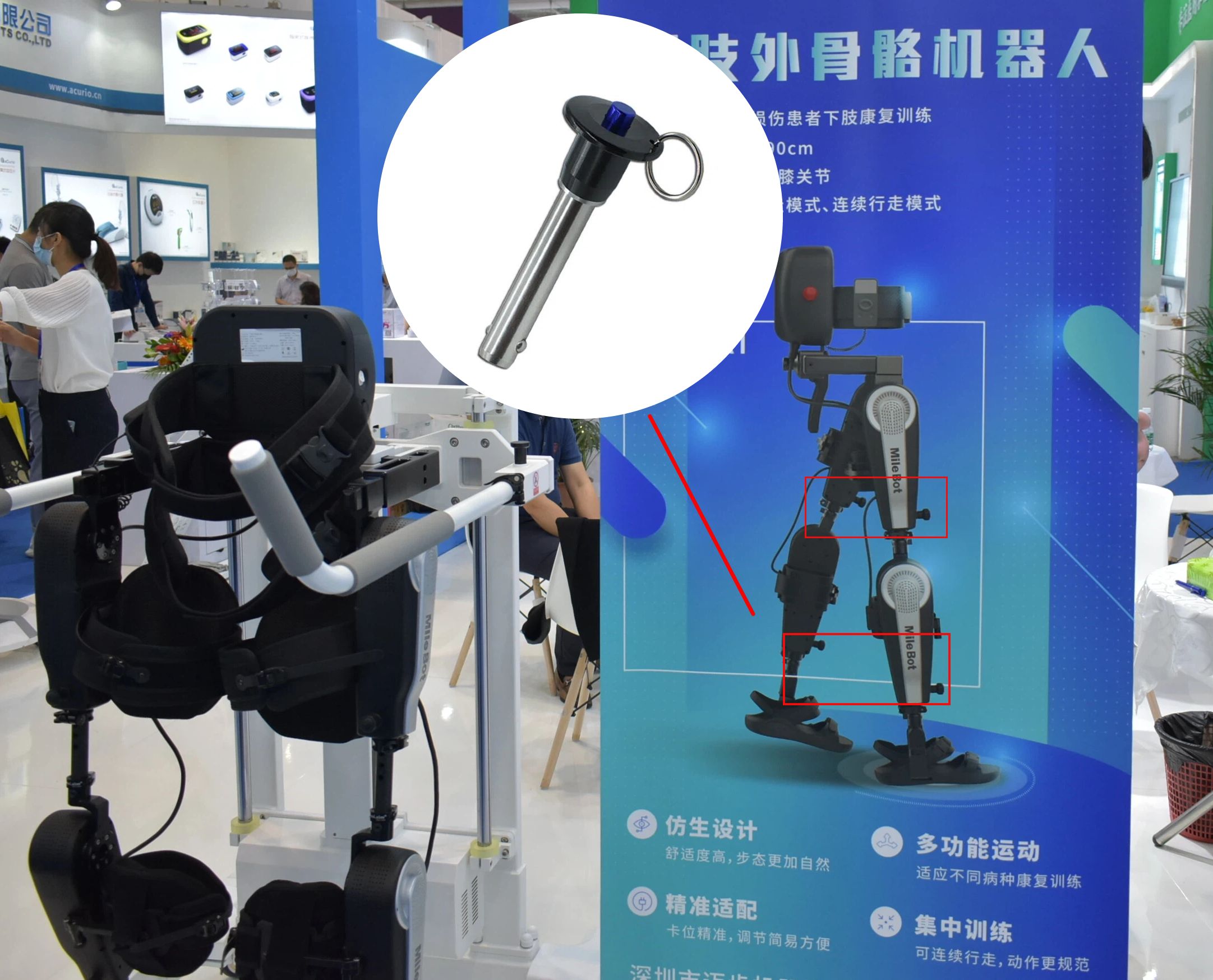
These ingots will be alloyed with different alloying elements depending on the end use. Our quick release pin products are mainly made of two alloys, 6061 and 7075, the former with added elements such as magnesium and silicon, and the latter with reinforcing elements such as zinc, magnesium and copper. After the aluminium ingots are homogenised and heat-treated, they are made into various profiles by extrusion, rolling or forging, laying the foundation for subsequent precision machining.


2. Manufacturing advantages of Mocayo aluminium quick release pins
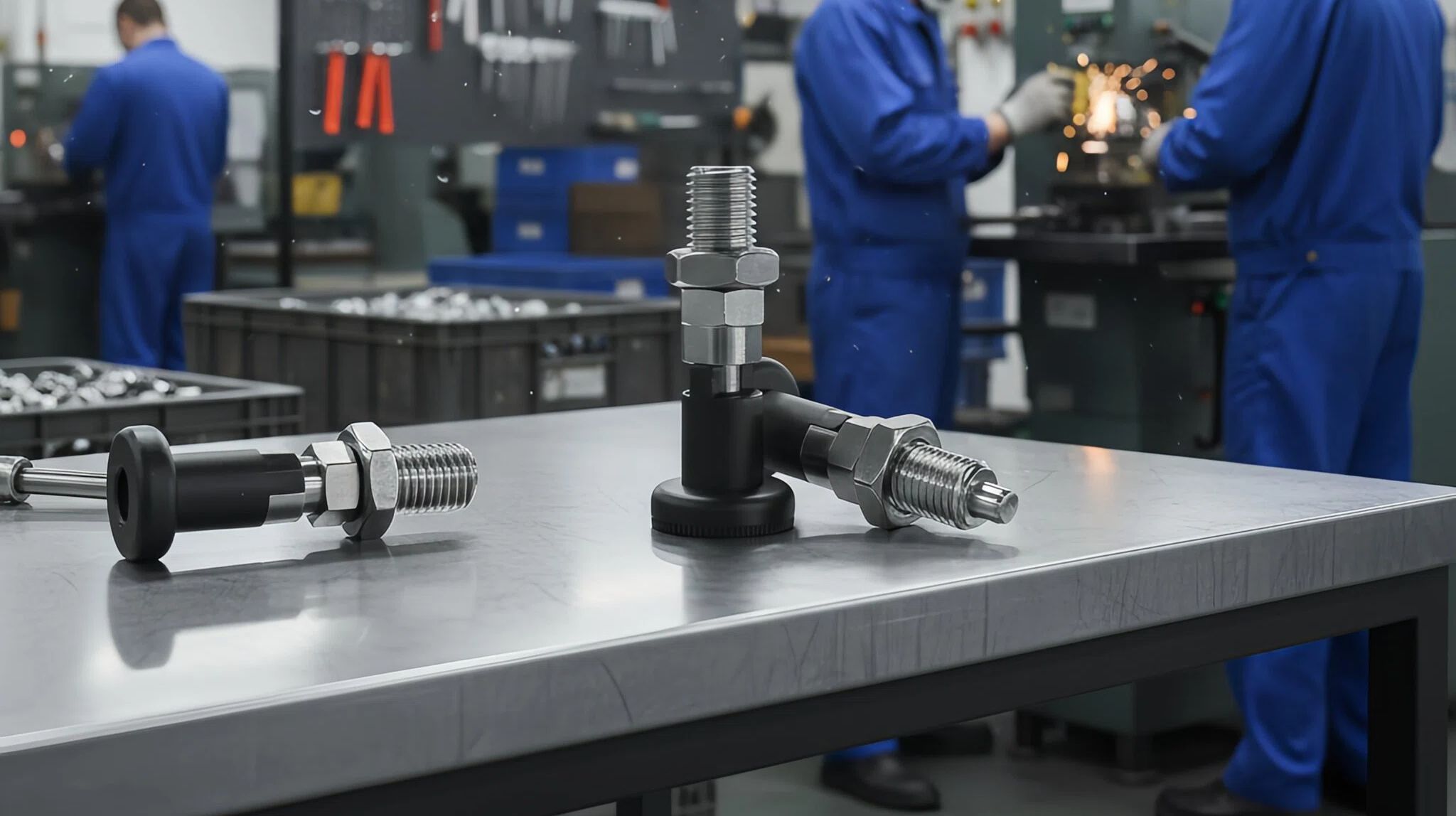
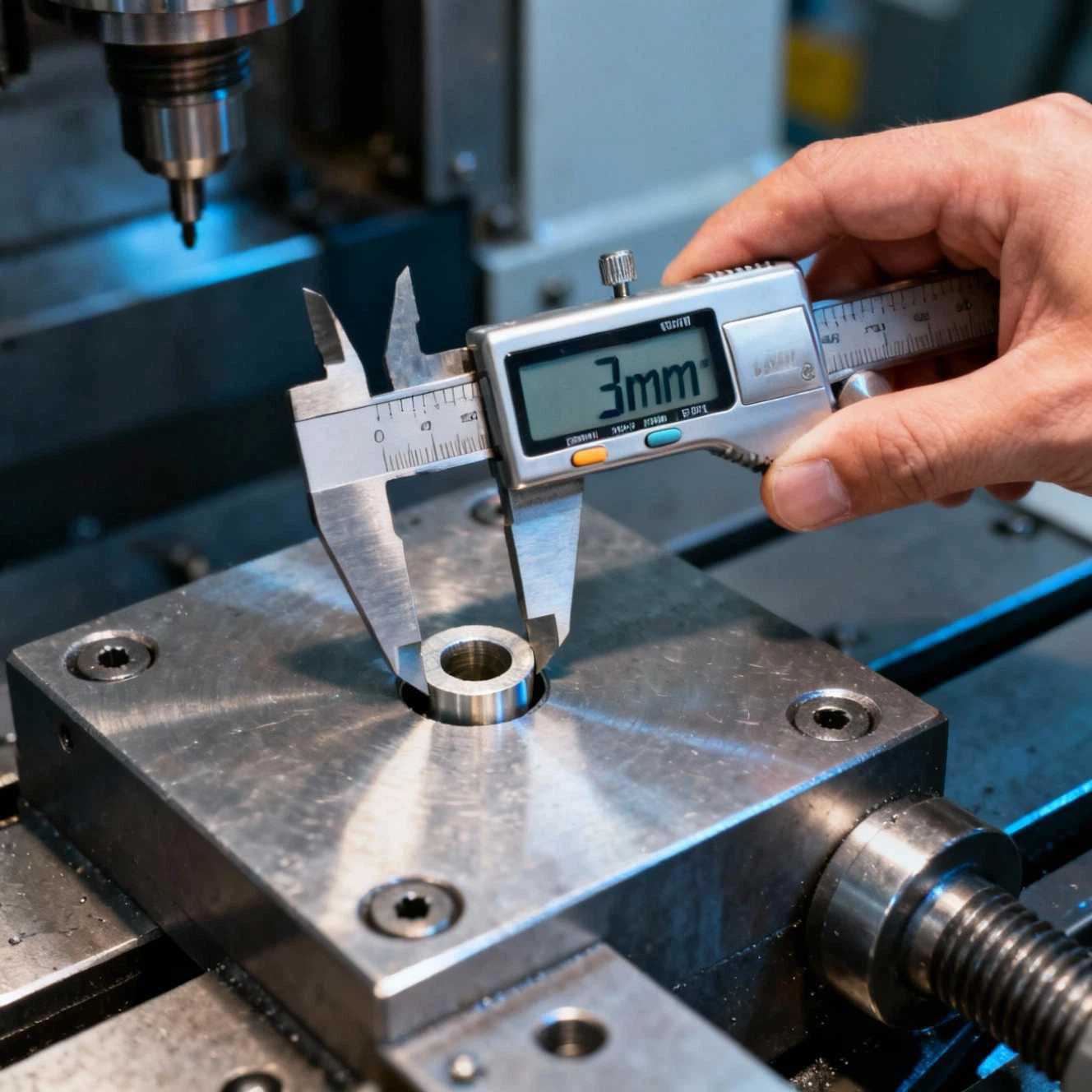
The manufacturing of Mocayo's quick release pins begins with the strict selection of materials. We only purchase aerospace certified 6061-T6 and 7075-T6 aluminium. Raw materials are subjected to spectral analysis before warehousing to ensure that the chemical composition is in full compliance with AMS or GB/T standards. In the machining process, we use CNC milling and turning centres imported from Japan, and the machining accuracy is controlled within ±0.01mm, far exceeding the industry standard.
The manufacturing of Mocayo's quick release pins begins with the strict selection of materials. We only purchase aerospace certified 6061-T6 and 7075-T6 aluminium. Raw materials are subjected to spectral analysis before warehousing to ensure that the chemical composition is in full compliance with AMS or GB/T standards. In the machining process, we use CNC milling and turning centres imported from Japan, and the machining accuracy is controlled within ±0.01mm, far exceeding the industry standard.
The surface treatment stage offers a variety of options such as anodising and hard oxidation. Our hard oxidation process can form a 50μm thick oxide film on the product surface, with a microhardness of HV500 or more. All finished products must pass 12 tests, including salt spray test, hardness test, and fatigue test, to ensure consistent performance at customer sites. This full-process quality control makes our quick release pins last more than 3 times as long as ordinary products.
3. Aluminium alloy material modification treatment technology
Performance optimisation of aluminium alloys is achieved in two main ways: alloying and heat treatment. In terms of alloying, 6061 aluminium alloy is strengthened with 1.0% Mg and 0.6% Si to form the Mg2Si reinforced phase, while 7075 aluminium alloy achieves ultra-high strength through a combination of 5.6% Zn, 2.5% Mg and 1.6% Cu. Mocayo's material engineers precisely adjust the alloy composition according to the environment where the product is used, e.g., for the products that need to be welded, we will control the copper content to be below 0.1%. For example, for products that require welding, the copper content is kept below 0.1 per cent.
Performance optimisation of aluminium alloys is achieved in two main ways: alloying and heat treatment. In terms of alloying, 6061 aluminium alloy is strengthened with 1.0% Mg and 0.6% Si to form the Mg2Si reinforced phase, while 7075 aluminium alloy achieves ultra-high strength through a combination of 5.6% Zn, 2.5% Mg and 1.6% Cu. Mocayo's material engineers precisely adjust the alloy composition according to the environment where the product is used, e.g., for the products that need to be welded, we will control the copper content to be below 0.1%. For example, for products that require welding, the copper content is kept below 0.1 per cent.
The choice of heat treatment process is also critical: T4 treatment (solid solution + natural ageing) gives good formability; T6 treatment (solid solution + artificial ageing) provides optimum strength; and over-ageing (T7) improves stress corrosion properties. Our experimental data show that stress corrosion rupture time can be extended from 50 hours to more than 500 hours for 7075 aluminium alloy with an optimised heat treatment process.
In terms of microstructure control, we use a special homogenisation heat treatment process to achieve a more uniform distribution of alloying elements. Metallographic analysis shows that the size of the second phase particles of 6061 aluminium alloy treated by us is controlled below 5μm, and the distribution density reaches 2,000/mm², and this microstructure endows the material with excellent fatigue performance.
4. Production quality control of high quality aluminium products
Mocayo has established a complete quality control system for aluminium products. At the raw material stage, each batch of aluminium ingots is required to provide a third-party test report, which is reviewed by spectral analysis in our laboratory. During processing, critical dimensions are subject to three levels of control: first inspection, inspection and final inspection, and all gauges are regularly sent to the metrology institute for calibration. We statistically found that this strict control keeps the product size pass rate above 99.95%.
Mocayo has established a complete quality control system for aluminium products. At the raw material stage, each batch of aluminium ingots is required to provide a third-party test report, which is reviewed by spectral analysis in our laboratory. During processing, critical dimensions are subject to three levels of control: first inspection, inspection and final inspection, and all gauges are regularly sent to the metrology institute for calibration. We statistically found that this strict control keeps the product size pass rate above 99.95%.
Cnc Manufacturing
How to Anodize Aluminum