How Thick Does Metal Have To Be
How Thick Does Metal Have to Be – Precision CNC Parts by Mocayo
In the field of precision manufacturing, how thick does metal have to be is a critical question that directly influences structural strength, functional performance, and cost-efficiency. As an expert CNC machining service provider, Mocayo combines deep material knowledge with advanced equipment to deliver optimal thickness solutions for every project. This article explores the key factors that determine metal thickness and highlights Mocayo’s expertise in CNC parts manufacturing.

Key Factors That Influence Metal Thickness Selection
Determining how thick metal has to be is not a one-size-fits-all process. At Mocayo, our engineering team provides tailored recommendations based on multiple technical dimensions:
1. Application Requirements
The first consideration is always the specific use case. For instance:
-
Automotive structural components often require 3–5mm steel plates to ensure crash safety.
-
Consumer electronics housings can typically use 1–2mm aluminum sheets for lightweight enclosures.
Mocayo has developed a comprehensive industry-based database to support proper thickness selection for various CNC parts.
2. Material Properties
Different materials offer varying strength at different thicknesses. Our in-house data shows:
-
6061 aluminum alloy achieves a bending strength of 140MPa at just 2mm.
-
304 stainless steel, at the same thickness, reaches 210MPa.
Mocayo's material engineers carefully analyze your requirements to propose the most cost-effective yet structurally sound thickness for your CNC parts.
3. Manufacturing Process Constraints
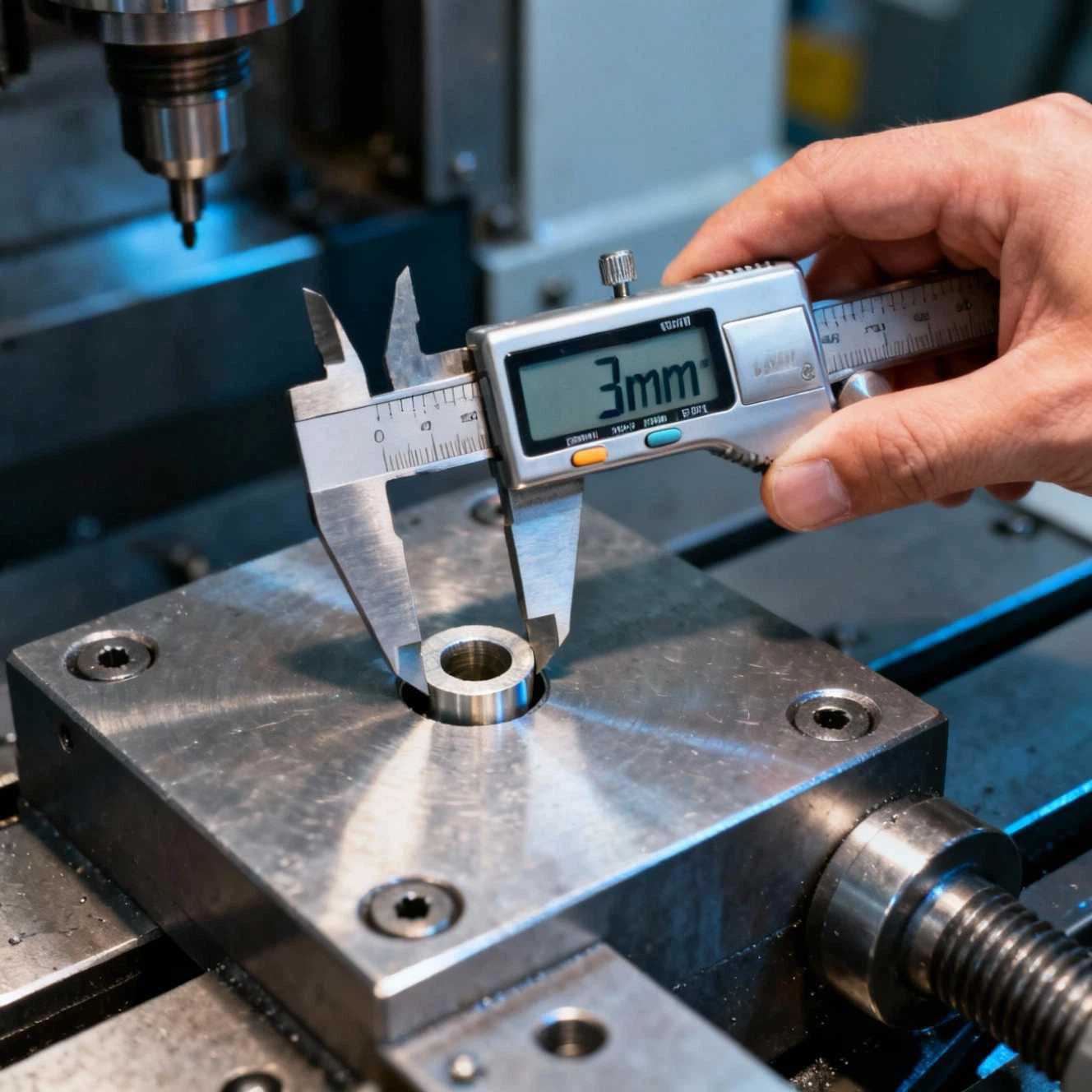
Machining capabilities also affect how thick does metal have to be. Mocayo’s 5-axis CNC machines reliably handle metal thicknesses from 0.5mm to 100mm, achieving tight tolerances even in thin-walled parts (up to ±0.05mm).
For unconventional thickness requirements, we also offer laser cutting, waterjet cutting, and other complementary processes.
Engineering Standards and Thickness Optimization
At Mocayo, we follow strict industry standards and engineering practices to ensure every CNC part has scientifically validated thickness:
1. Industry Norms
Each industry has its typical thickness standards:
-
Mechanical parts often fall within the 2–10mm range.
-
Aerospace applications favor 1–5mm high-strength thin-wall designs.
Mocayo is well-versed in these standards and can ensure your CNC parts comply with relevant technical specifications.
2. Cost Optimization
We apply finite element analysis (FEA) to optimize material usage. This allows our engineers to recommend the thinnest possible material that still meets strength requirements. Case studies show that smart thickness design can reduce material costs by 15–30%.
3. Quality Assurance
Precision thickness control is at the heart of our quality commitment. We use:
-
Coordinate Measuring Machines (CMMs)
-
Ultrasonic thickness gauges
Our tolerances can reach ±0.02mm, exceeding industry averages for high-precision CNC parts.
Mocayo’s Thickness Control Solutions for CNC Parts
Mocayo delivers end-to-end CNC machining services, with exceptional capabilities in managing and optimizing metal thickness:
Wide Thickness Range Capability
We support everything from ultra-thin 0.3mm parts to heavy-duty 150mm plates, with a particular strength in the 3–20mm range. Our equipment lineup includes:
-
5 five-axis CNC machining centers
-
3 multi-axis turning-milling machines
-
2 high-precision surface grinders
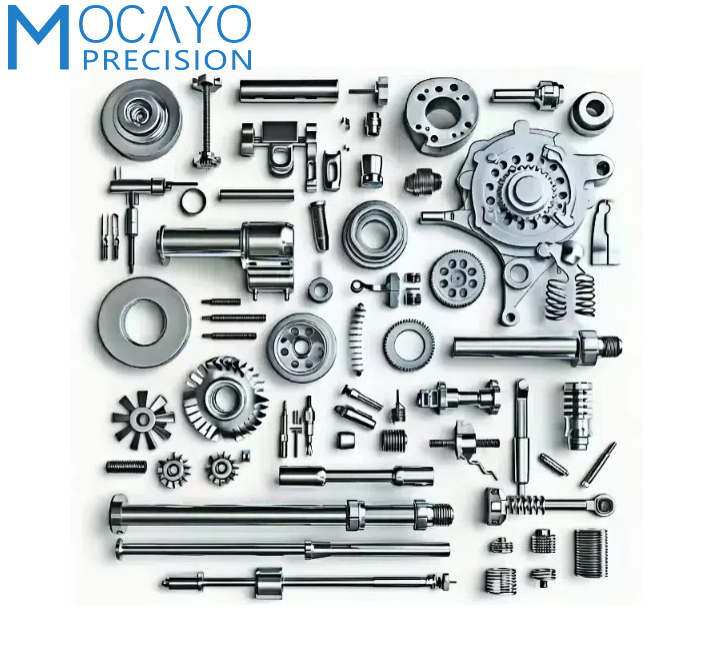
Sample Product Thickness Categories
Our standard CNC parts cover a wide variety of components:
-
Connectors: 5–12mm recommended thickness
-
Enclosure components: 1.5–3mm optimal range
-
Structural brackets: 8–15mm for load-bearing needs
Custom Solutions
Mocayo provides flexible services for non-standard projects:
✓ Custom thickness machining
✓ Geometric part optimization
✓ Small-batch prototyping and validation
When it comes to knowing how thick does metal have to be, Mocayo delivers the expertise, technology, and precision you need. Partnering with us means access to:
-
Professional design consultation for optimal thickness Precision-controlled machining for consistent results
-
Cost-effective solutions with engineering-backed justification
Whether you're designing CNC parts for aerospace, automotive, medical, or consumer electronics, trust Mocayo to get the thickness right—every time. How thick does metal have to be? Get precision answers and CNC machining excellence from Mocayo experts.
What Is Cnc Machine-Cnc Parts
Will Aluminum Rust-Mocayo Ball Lock Pin