How to Clean Aluminum-Mocayo Ball Lock Pin
How to Clean Aluminum-Mocayo Ball Lock Pin
Understanding how to clean aluminum is essential not only for aesthetic purposes but also to ensure long-term performance of aluminum components. For routine maintenance, we recommend using a pH-neutral cleaner (pH 7–9) and a microfiber cloth to gently remove surface dust and common stains without damaging the anodised layer. Laboratory tests show that neutral cleaners cause only 1/20 the erosion rate of strong alkaline solutions on anodised surfaces. Understand how to clean aluminum correctly to prevent oxidation and maintain optimal function of your ball lock pin components.

For more stubborn contaminants, the Mocayo technical team suggests targeted treatments:
-
Oxidation spots: Spot-clean using a 5% oxalic acid solution for under 3 minutes.
-
Oil residues: Remove with volatile solvents such as isopropanol.
-
Fingerprint marks: Use aluminum-specific fingerprint remover with lint-free cloth.
For industrial-grade aluminum components requiring deep cleaning, Mocayo offers:
-
Sandblasting with 80–120 grit alumina
-
Mechanical polishing using wool wheels and diamond paste
These methods can restore surface finish up to Ra0.8.
Comprehensive Surface Protection for Aluminum
Contaminants on aluminum surfaces typically stem from natural oxidation or industrial exposure. In coastal regions, unprotected 5052 aluminum may develop corrosion spots within three months. To prevent this, Mocayo provides tailored protection solutions:
Anodising, as the most effective treatment, includes:
-
Standard oxide layer: 10–15μm thickness, 500-hour salt spray resistance
-
Hard anodising: 30–50μm thickness, surface hardness up to HV800
-
Colored anodising: 20+ standard colors, ΔE<1.5 color difference
For components unsuitable for anodising, chromate conversion coatings can be applied, forming a 0.5–1μm layer and improving salt spray resistance 3–5 times.
Mocayo Ball Lock Pin Product and Maintenance Expertise
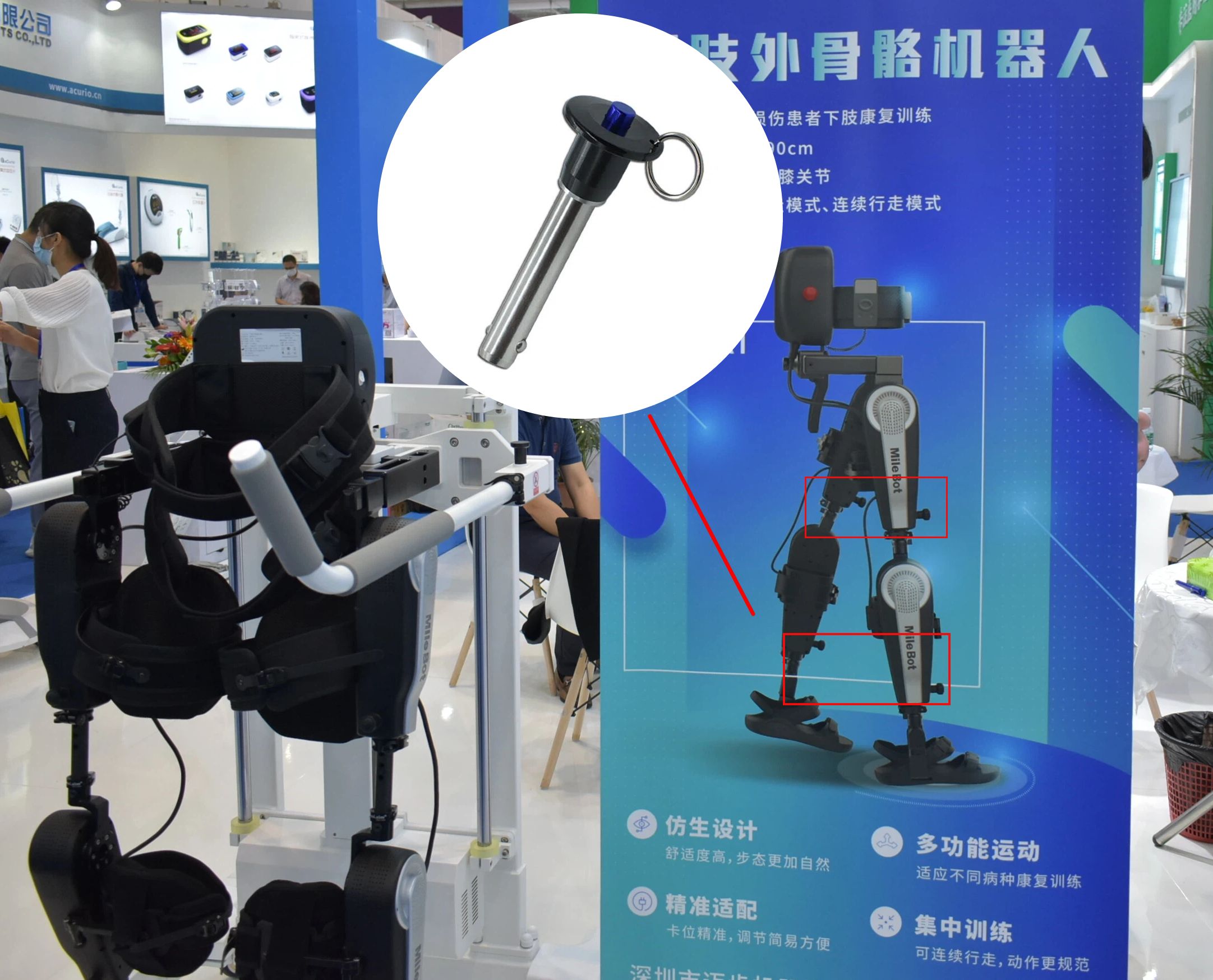
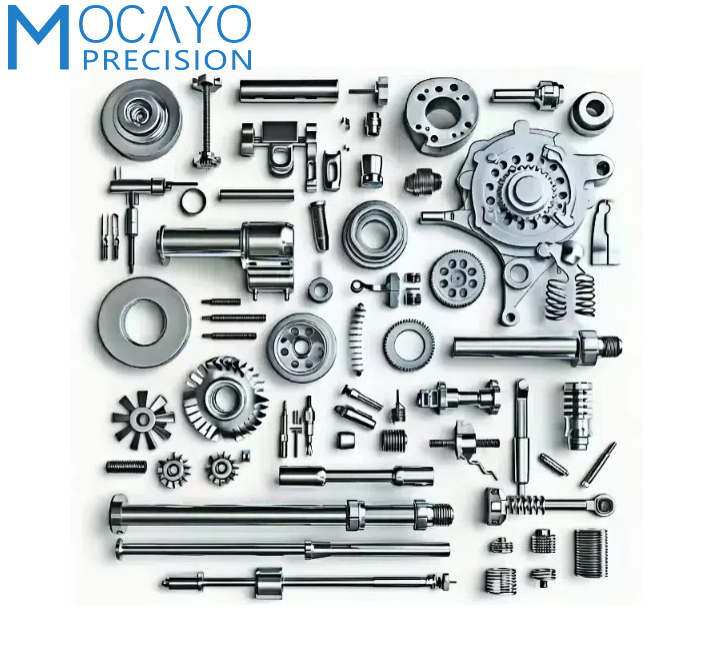
Mocayo’s Ball Lock Pin series is known for its precision and reliability. These components are crafted from 17-4PH stainless steel or hard-anodised 6061-T6 aluminum and offer:
-
Positioning precision: Repeatability within ±0.02mm
-
Load capacity: Up to 2000N static load
-
Service life: Over 500,000 operations under standard use
Maintenance recommendations based on environment:
-
Routine use:
-
Apply silicone-based lubricant monthly
-
Avoid acidic or alkaline cleaners
-
-
Special environments:
-
High humidity: Use 316L stainless steel versions
-
Chemical environments: Opt for PTFE-coated pins
-
All Ball Lock Pin products undergo rigorous quality checks:
-
100% functionality testing
-
Salt spray testing (72 hours for stainless steel, 500 hours for anodised aluminum)
-
Load durability testing
System Maintenance and Long-Term Storage Guidelines
To maintain optimal compatibility between aluminum parts and the Ball Lock Pin, our engineering team recommends:
During installation and use:
-
Clean contact surfaces with isopropanol before assembly
-
Regularly inspect locking force (recommended torque: 5–8 N·m)
-
Quarterly inspection of anodised coating integrity
For long-term storage:
-
Cleaning procedures:
-
Ultrasonic degreasing
-
Rinse with deionised water
-
Dry with compressed air
-
-
Protection measures:
-
Vacuum sealing for precision components
-
Anti-rust oil with VCI (Vapor Corrosion Inhibitor) technology
-
Humidity control below 40% RH
-
Mocayo offers customized maintenance solutions, including:
-
On-site cleaning and maintenance instructions
-
Dedicated maintenance tool kits
-
Preventive maintenance planning
Contact Mocayo customer service today to receive the full Aluminum Parts Maintenance Manual and Ball Lock Pin Care Guide. Our professional engineering team is available 24/7 to support your technical needs.
Will A Magnet Stick to Stainless Steel-Stainless Steel Spring Plunger
What Are Spring Plungers