How to Get Rust Off Stainless Steel-Stainless Steel Indexing Plunger
How to Get Rust Off Stainless Steel-Stainless Steel Indexing Plunger
Stainless steel has become the material of choice for industrial components due to its excellent corrosion resistance, but rust may still appear after long-term use, affecting performance and aesthetics. Especially stainless steel Indexing Plunger such as precision parts, once rust may lead to positioning inaccuracies, operation jams and other problems. In this article, we will introduce the causes of stainless steel rust, cleaning methods, and focus on recommending Mocayo's high rust stainless steel indexing plunger, to help you extend the service life of the equipment and reduce maintenance costs.
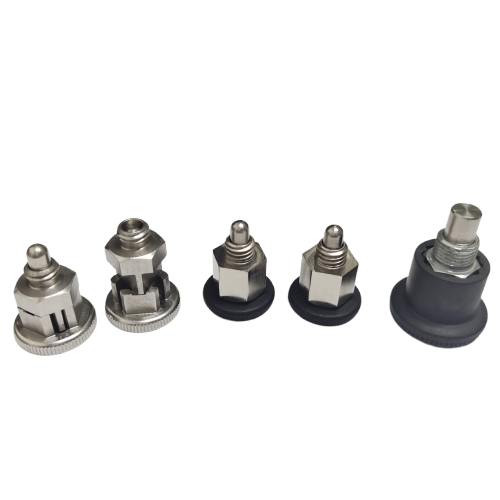
Stainless Steel Rust Causes and Preventive Measures
Stainless steel is corrosion-resistant because it contains more than 10.5% chromium (Cr), which can form a dense protective film of chromium oxide on the surface, blocking moisture and corrosive media. However, in some cases, stainless steel may still rust, the main reasons include:
Stainless steel is corrosion-resistant because it contains more than 10.5% chromium (Cr), which can form a dense protective film of chromium oxide on the surface, blocking moisture and corrosive media. However, in some cases, stainless steel may still rust, the main reasons include:
- Surface contamination:
Salt, acidic liquids (e.g., sweat, detergents) will destroy the oxide layer;
Long-term accumulation of hard water scale may lead to localized corrosion.
Long-term accumulation of hard water scale may lead to localized corrosion.
- Mechanical damage:
Scratches, collisions or improper grinding can damage the protective film and expose the metal to air;
Failure to do passivation after welding or high temperature operations reduces the ability to prevent rust.
Failure to do passivation after welding or high temperature operations reduces the ability to prevent rust.
- Harsh environment:
High humidity, high salt spray (such as coastal areas) environment accelerates rusting;
Acidic and alkaline gases in chemical and electroplating industries are prone to pitting corrosion.
Acidic and alkaline gases in chemical and electroplating industries are prone to pitting corrosion.
How to prevent stainless steel rust?
Regular cleaning: use neutral cleaners to wipe, avoid chlorine-based solvents (such as bleach);
Keep dry: ensure the environment is ventilated when stored for a long period of time, and apply antirust oil if necessary;
Choose the right material: in a more corrosive environment, it is recommended to choose 316 stainless steel, which has a higher content of molybdenum (Mo), and has a better corrosion resistance than 304 stainless steel.
Regular cleaning: use neutral cleaners to wipe, avoid chlorine-based solvents (such as bleach);
Keep dry: ensure the environment is ventilated when stored for a long period of time, and apply antirust oil if necessary;
Choose the right material: in a more corrosive environment, it is recommended to choose 316 stainless steel, which has a higher content of molybdenum (Mo), and has a better corrosion resistance than 304 stainless steel.
Stainless Steel Rust Removal
If your stainless steel indexing plunger has developed rust spots, don't worry! According to the degree of rust, you can choose different cleaning programs:
If your stainless steel indexing plunger has developed rust spots, don't worry! According to the degree of rust, you can choose different cleaning programs:
1. Mild rust: common household methods
Baking Soda Paste: Baking soda is added to water to make a paste, wipe the rust spot with a soft cloth, and then rinse with water;
Baking Soda Paste: Baking soda is added to water to make a paste, wipe the rust spot with a soft cloth, and then rinse with water;
White vinegar / lemon juice soak: acidic components can dissolve the rust layer, soak for 10-15 minutes and then lightly brush with a sponge;
Specialized stainless steel cleaning cloth: e.g. 3M Scotch-Brite, avoid scratching the surface.
2. Stubborn Rust: Industrial Grade Solutions
Stainless Steel Rust Remover Paste (e.g. Bar Keepers Friend): Contains ingredients such as oxalic acid, which quickly removes oxidized layers;
Stainless Steel Rust Remover Paste (e.g. Bar Keepers Friend): Contains ingredients such as oxalic acid, which quickly removes oxidized layers;
Electrolytic Polishing: for precision parts to restore smooth surfaces, but requires specialized equipment;
Ultra-fine abrasive paste: used with polishing machine to repair deeper rust marks.
3. Precautions
Avoid using hard objects such as steel wire balls and sandpaper to avoid leaving scratches;
Avoid using hard objects such as steel wire balls and sandpaper to avoid leaving scratches;
After removing rust, it is recommended to apply stainless steel maintainer or car wax to enhance protection;
If the rust is serious and affects the function, it is recommended to replace the parts with new ones to ensure the precision of the equipment.
Mocayo Stainless Steel Indexing Plunger: Rustproof and Durable, Precise and Reliable
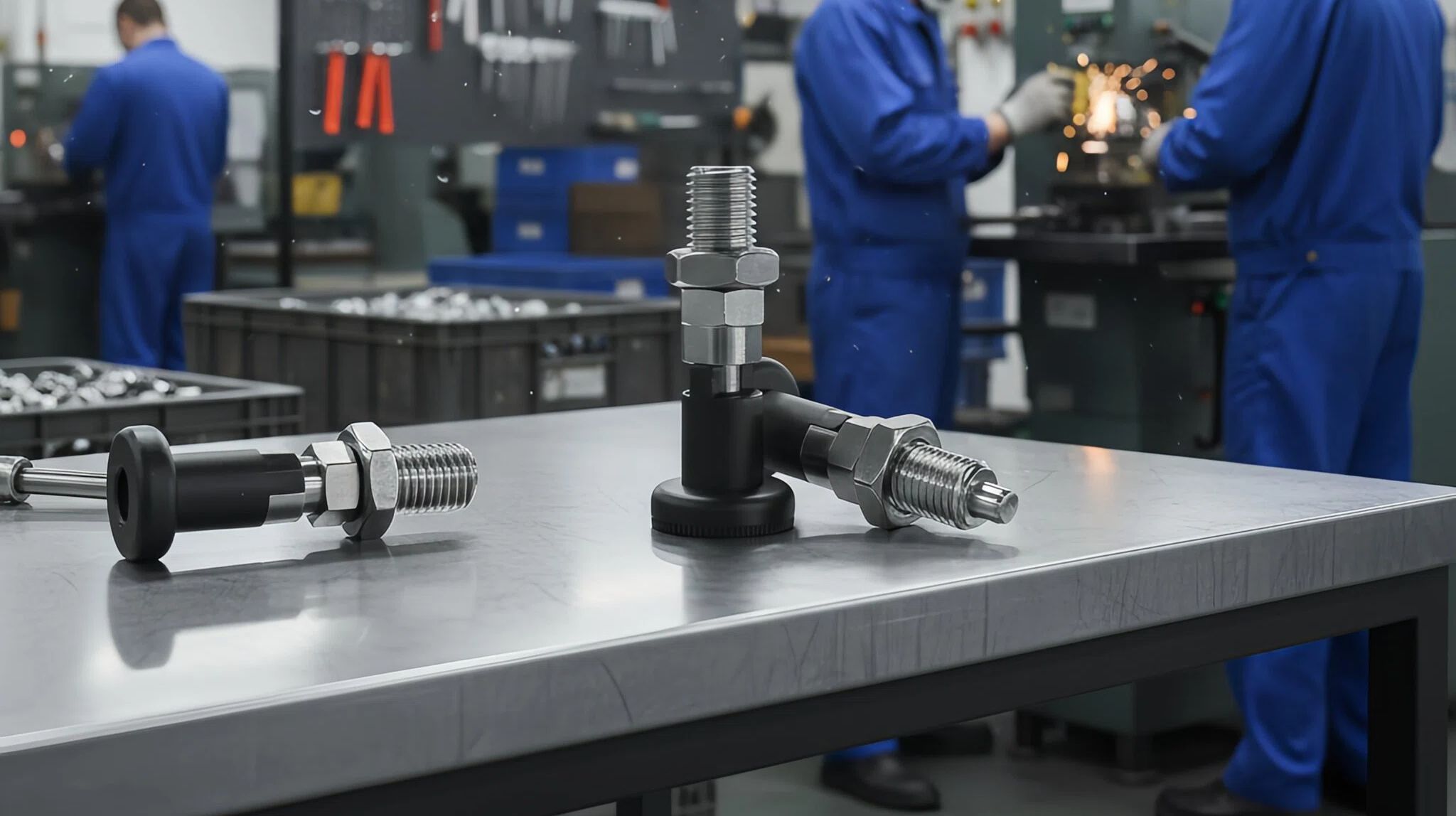
In industrial automation, CNC machine tools and other precision equipment, stainless steel indexing plunger (Indexing Plunger), the ability to prevent rust directly affects the life of the equipment. Mocayo has built a highly corrosion-resistant and high-precision indexing plunger with strict selection of materials and processes, to meet the needs of harsh environments.
In industrial automation, CNC machine tools and other precision equipment, stainless steel indexing plunger (Indexing Plunger), the ability to prevent rust directly affects the life of the equipment. Mocayo has built a highly corrosion-resistant and high-precision indexing plunger with strict selection of materials and processes, to meet the needs of harsh environments.
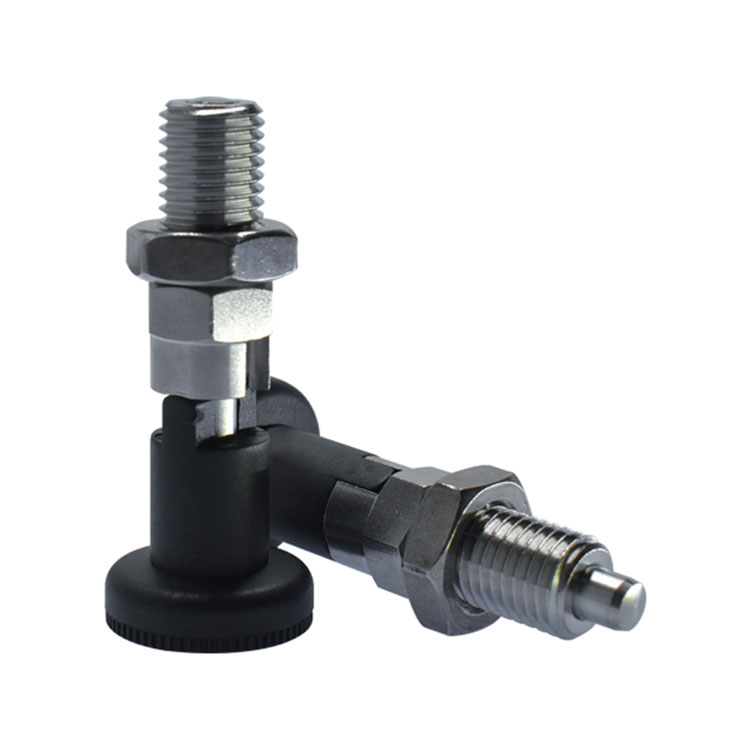

1. Core Advantages
316 stainless steel material: more resistant to salt spray, acid and alkali corrosion than ordinary 304 stainless steel;
316 stainless steel material: more resistant to salt spray, acid and alkali corrosion than ordinary 304 stainless steel;
Electrolytic polishing treatment: smooth and burr-free surface, reducing the risk of friction and corrosion;
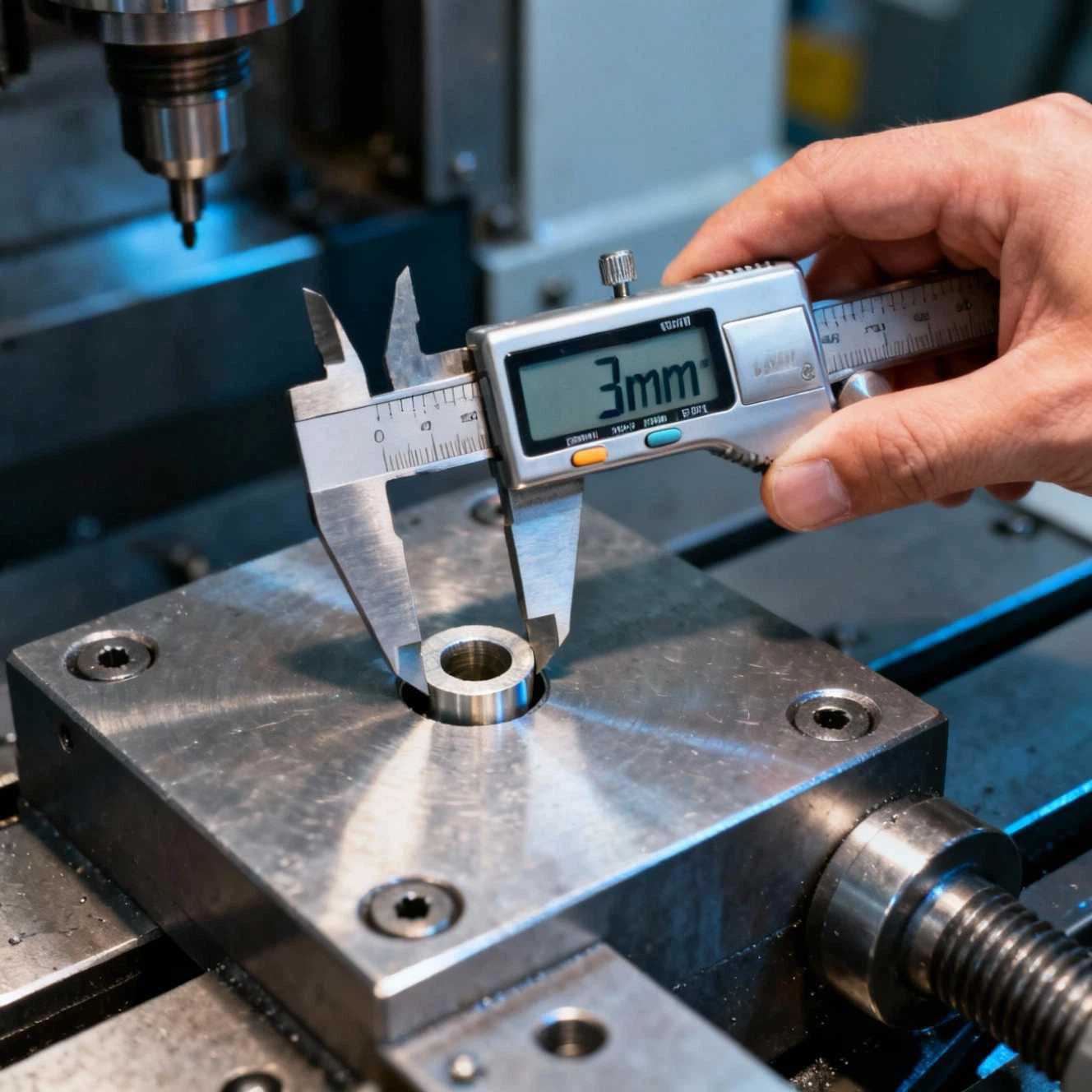
Precision processing: ± 0.01mm tolerance control, to ensure accurate positioning, long-term use without loosening.
2. Application Scenarios
Food processing equipment (meets hygiene standards, resistant to detergent corrosion);
Food processing equipment (meets hygiene standards, resistant to detergent corrosion);
Marine engineering (mechanical locking device under high salt environment);
Medical/laboratory instruments (resistant to disinfectant, stable anti-rust performance).
3. Maintenance Recommendations
Regularly check the plunger surface and clean up any stains found;
Regularly check the plunger surface and clean up any stains found;
When idle for a long time, apply a small amount of food grade grease to prevent rust;
In case of serious wear and tear or rust, it is recommended to replace to ensure the safe operation of the equipment. How to get rust off stainless steel effectively? Protect your indexing plunger investment with our easy cleaning guide.
What Is Cnc Machine-Mocayo Cnc Parts
Ball Lock Mechanism-Ball Locking Pins