How To Use The Ball Lock System
How To Use The Ball Lock System
In modern mechanical assembly and industrial manufacturing, the Ball Lock System has become an indispensable core component for fixtures, molds, and rapid equipment changeovers due to its efficiency, reliability, and repeatable positioning capabilities. This article provides a detailed overview of the Ball Lock System's primary components, operating principles, and common application scenarios, helping engineers and procurement personnel better understand and correctly utilize this system.
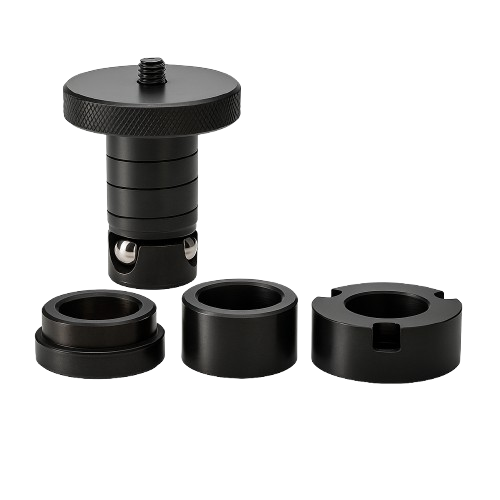
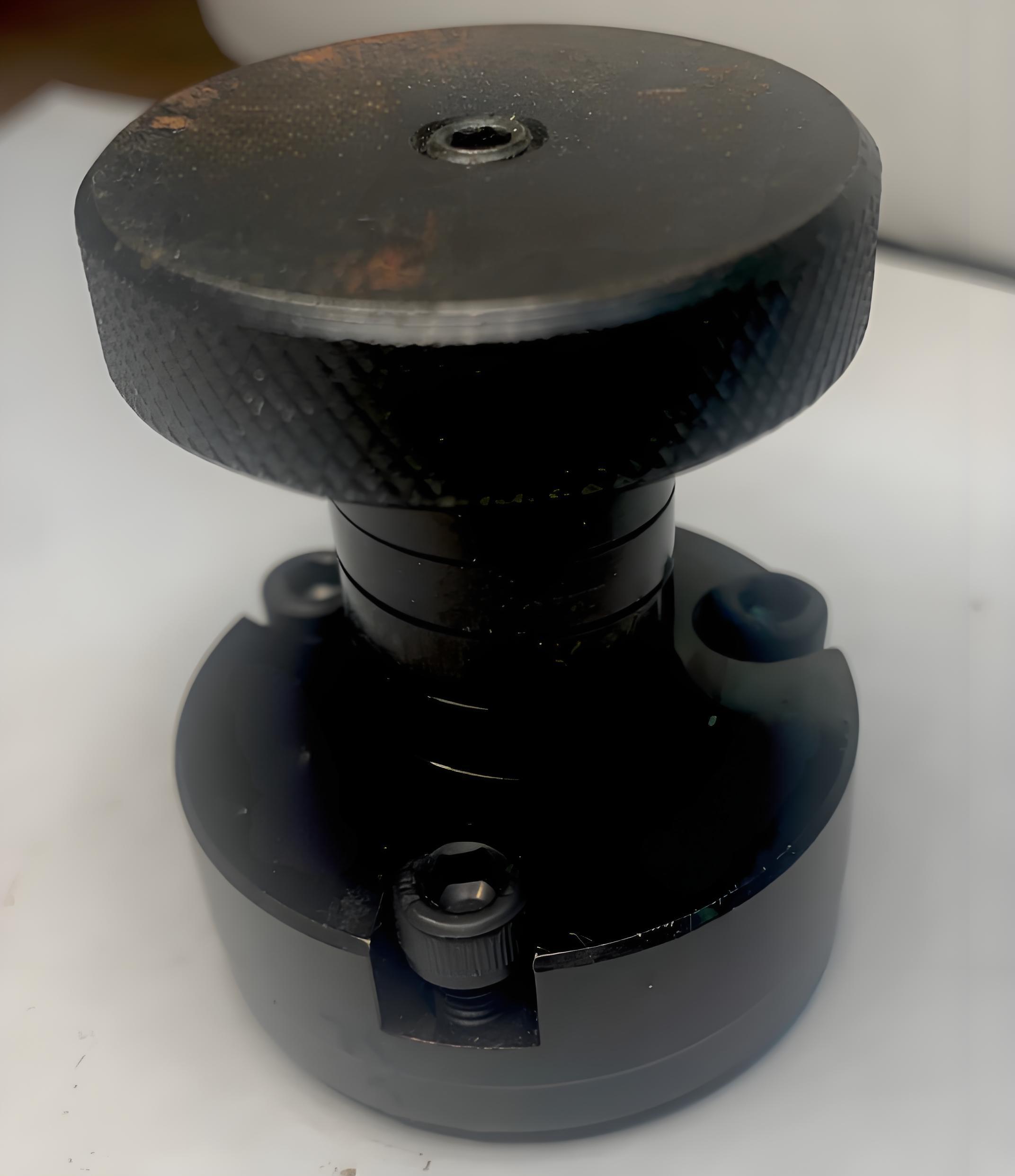
Structure & Core Components of the Ball Lock System
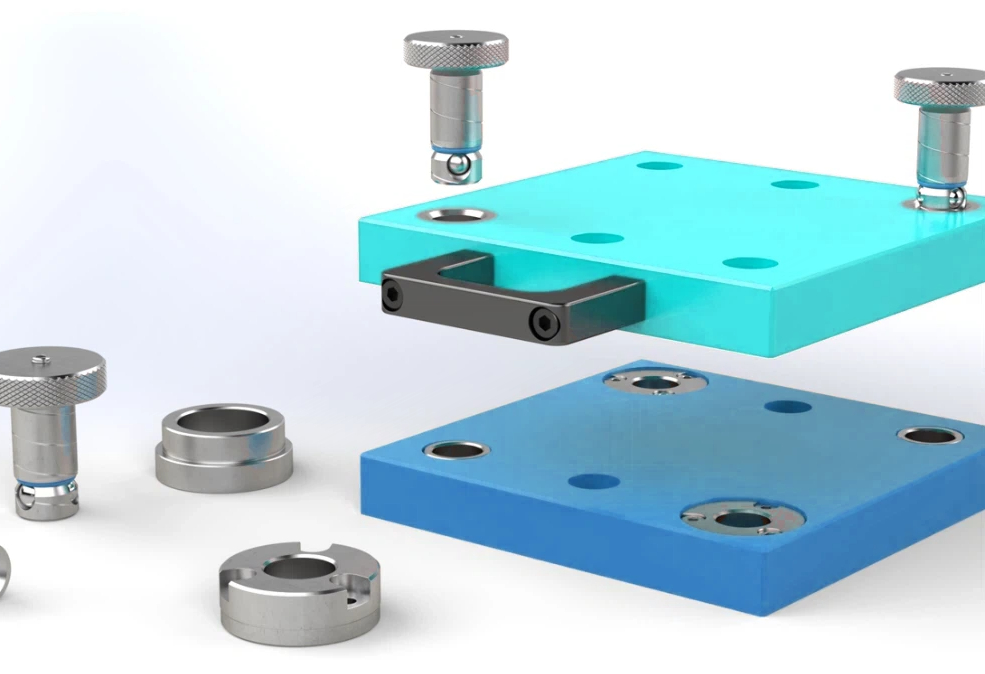
A complete Ball Lock System typically consists of several key components: the ball lock shank, back mount receiver bushing, face mount receiver bushing, and ball lock liner. Each component plays a unique and critical role within the system.
1. Ball Lock Shank
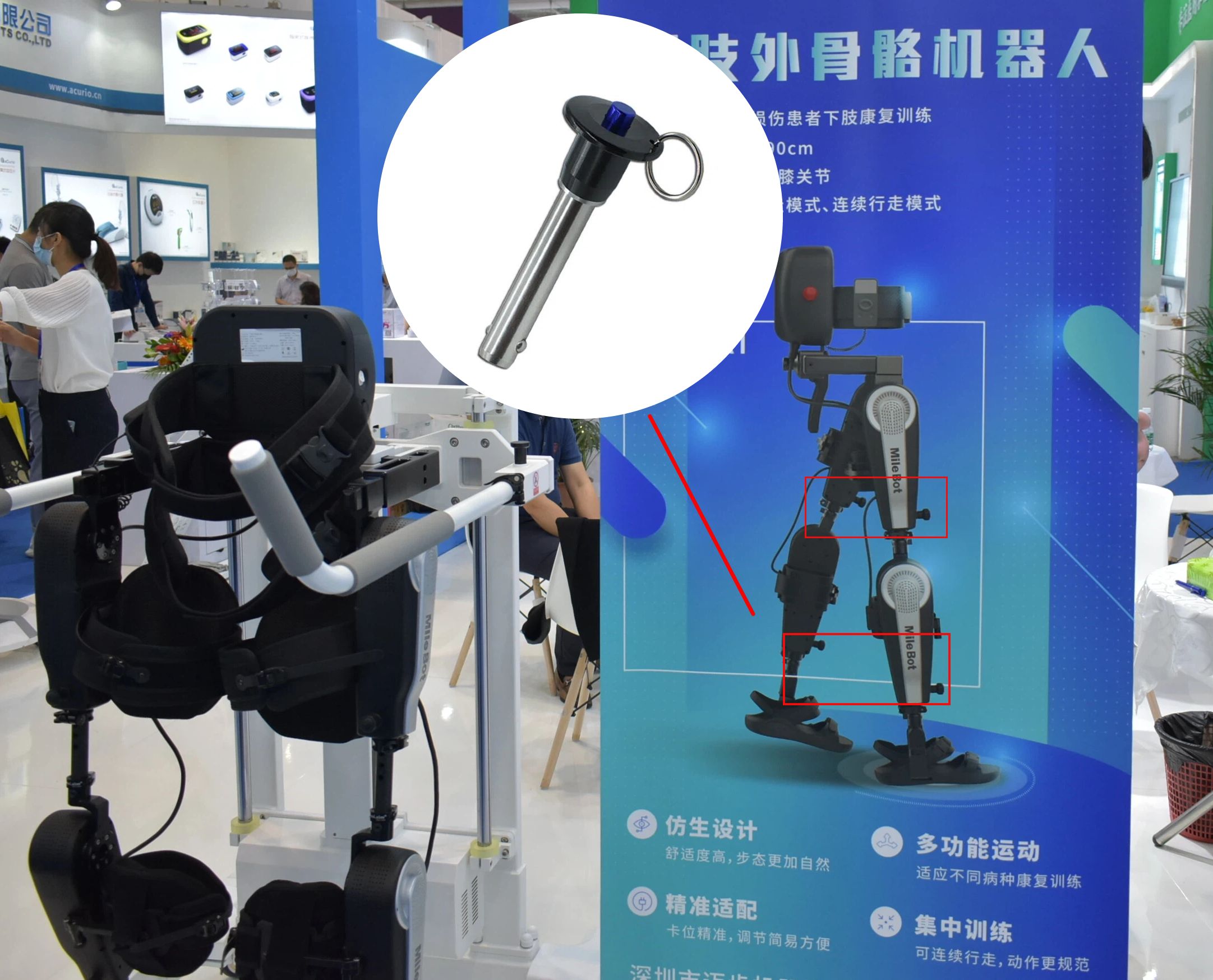
The Ball Lock Shank is the core operational component of the Ball Lock System. Its internal spring mechanism pushes the locking ball outward to achieve mechanical locking with the bushing. Once the ball engages the bushing's groove, it creates stable axial and radial fixation, ensuring high repeatability in positioning accuracy. To enhance durability and strength, the shank is typically manufactured from stainless steel or black oxidized steel. Stainless steel offers superior corrosion resistance, while black oxidized steel provides excellent wear resistance and rust protection.
A complete Ball Lock System typically consists of several key components: the ball lock shank, back mount receiver bushing, face mount receiver bushing, and ball lock liner. Each component plays a unique and critical role within the system.
1. Ball Lock Shank
The Ball Lock Shank is the core operational component of the Ball Lock System. Its internal spring mechanism pushes the locking ball outward to achieve mechanical locking with the bushing. Once the ball engages the bushing's groove, it creates stable axial and radial fixation, ensuring high repeatability in positioning accuracy. To enhance durability and strength, the shank is typically manufactured from stainless steel or black oxidized steel. Stainless steel offers superior corrosion resistance, while black oxidized steel provides excellent wear resistance and rust protection.

2. Back Mount Receiver Bushing
The Back Mount Receiver Bushing is installed on the rear side of the workpiece, commonly used in compact fixture systems. It provides a precision-fit hole for the ball lock shank, enabling automatic centering and positioning during assembly. The back-mounted structure minimizes external space requirements, making it suitable for double-sided fixtures or internal mounting locations. These bushings are typically made of stainless steel or black oxidized steel—the former offering superior corrosion resistance, the latter suited for high mechanical strength environments.

3. Face Mount Receiver Bushing
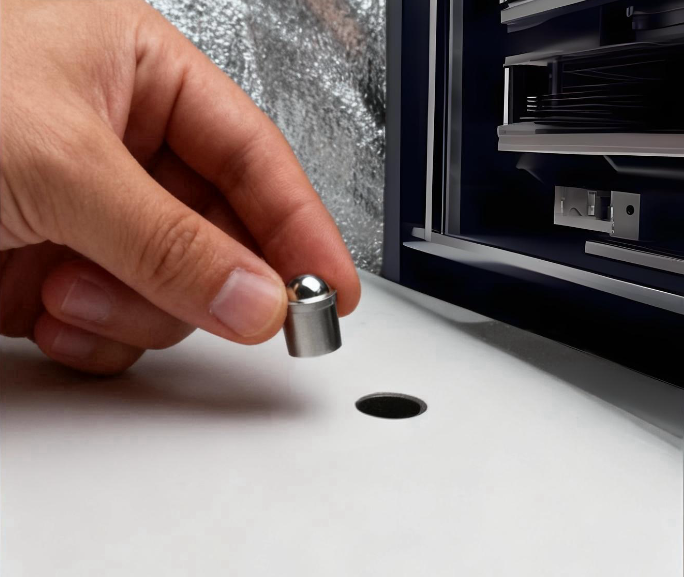
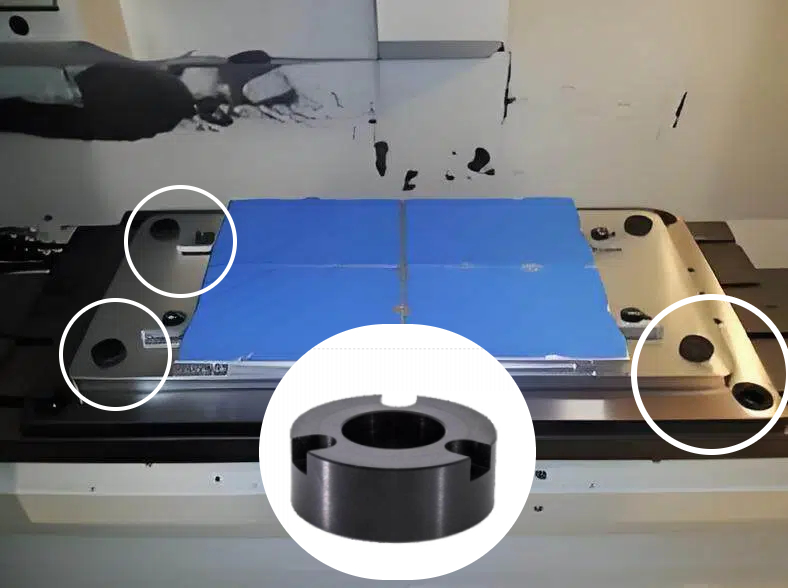
Face Mount Receiver Bushings are installed on the front panel surface, allowing operators to directly observe the locking status. They are commonly used in equipment maintenance panels, mold module connections, and similar applications. Surface treatments typically include stainless steel or black oxide coatings, maintaining a smooth finish and stable fit accuracy during prolonged use.

4. Ball Lock Liner
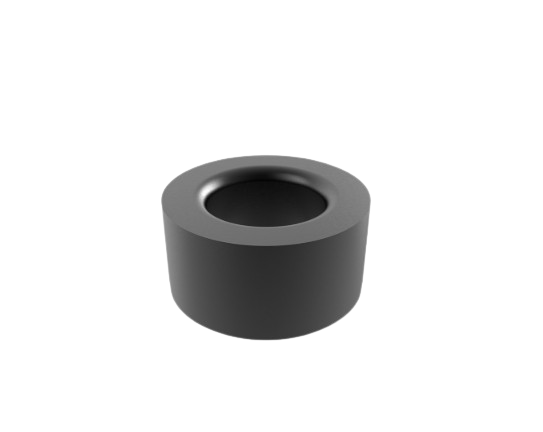
The Ball Lock Liner is a critical internal component within the bushing. It reduces metal-to-metal friction, extends service life, and enhances the smooth movement of the locking balls. Material selection depends on the operating environment, with options including stainless steel, copper alloys, or engineering plastics. Stainless steel liners offer superior performance in high-temperature, high-humidity, or corrosive conditions.
How the Ball Lock System Works
The Ball Lock System achieves rapid connection and positioning through a mechanical ball-locking mechanism. When the operator inserts the ball lock shank into the receiving bushing (Back Mount Receiver Bushing or Face Mount Receiver Bushing), the ball springs out under internal spring force and engages into the bushing's tapered groove, completing the lock. This design enables high-precision repeatable positioning in minimal time, eliminating the time-consuming adjustments required by traditional threaded connections.
To unlock, simply press or pull the release button. The locking ball retracts into the shank body, allowing the Ball Lock shank to be easily withdrawn. The entire operation is safe and efficient. The stainless steel version of the Ball Lock System operates smoothly and effectively prevents rust-induced jamming after prolonged use. The black oxidized steel version offers enhanced scratch resistance and impact durability.
The Ball Lock System achieves rapid connection and positioning through a mechanical ball-locking mechanism. When the operator inserts the ball lock shank into the receiving bushing (Back Mount Receiver Bushing or Face Mount Receiver Bushing), the ball springs out under internal spring force and engages into the bushing's tapered groove, completing the lock. This design enables high-precision repeatable positioning in minimal time, eliminating the time-consuming adjustments required by traditional threaded connections.
To unlock, simply press or pull the release button. The locking ball retracts into the shank body, allowing the Ball Lock shank to be easily withdrawn. The entire operation is safe and efficient. The stainless steel version of the Ball Lock System operates smoothly and effectively prevents rust-induced jamming after prolonged use. The black oxidized steel version offers enhanced scratch resistance and impact durability.
Typical Applications of the Ball Lock System
1. Mechanical Fixtures and Mold Positioning
1. Mechanical Fixtures and Mold Positioning
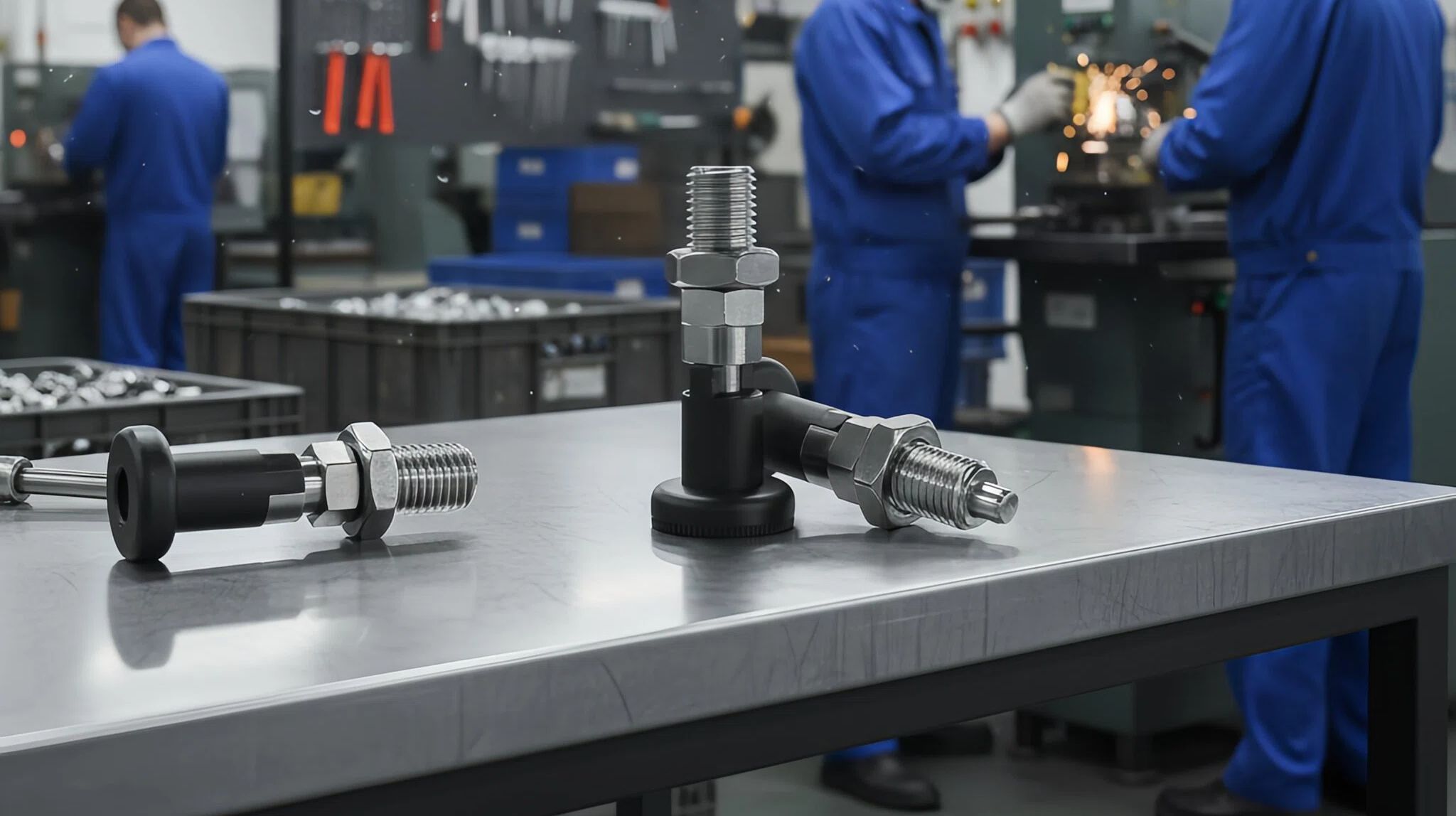
In CNC machining centers, the Ball Lock System is commonly used for rapid tooling or mold module changes. The combination of Ball Lock Shank and Face Mount Receiver Bushing ensures stable workpiece positioning accuracy, maintaining consistency even after repeated mounting and dismounting. Stainless steel locking pins withstand corrosion from coolant and cutting oil environments, while black oxidized steel exhibits superior wear resistance under high-load conditions.
2. Automated Equipment Module Connections
On automated production lines, the Back Mount Receiver Bushing facilitates rear-mounted module connections, enabling precise positioning and repeatable assembly. The compact, easy-to-install Ball Lock System reduces downtime and enhances production efficiency.
3. Instrument and Equipment Maintenance
For electronic enclosures, test platforms, or control cabinets requiring frequent disassembly, the combination of Ball Lock Liners and Face Mount Receiver Bushings provides a repeatable assembly method that saves time and prevents thread wear. The integrated use of stainless steel and black oxidized steel ensures the system balances aesthetics with strength.
Installation & Usage Steps
Clean all mating surfaces to ensure the Ball Lock System is free of dust and oil.
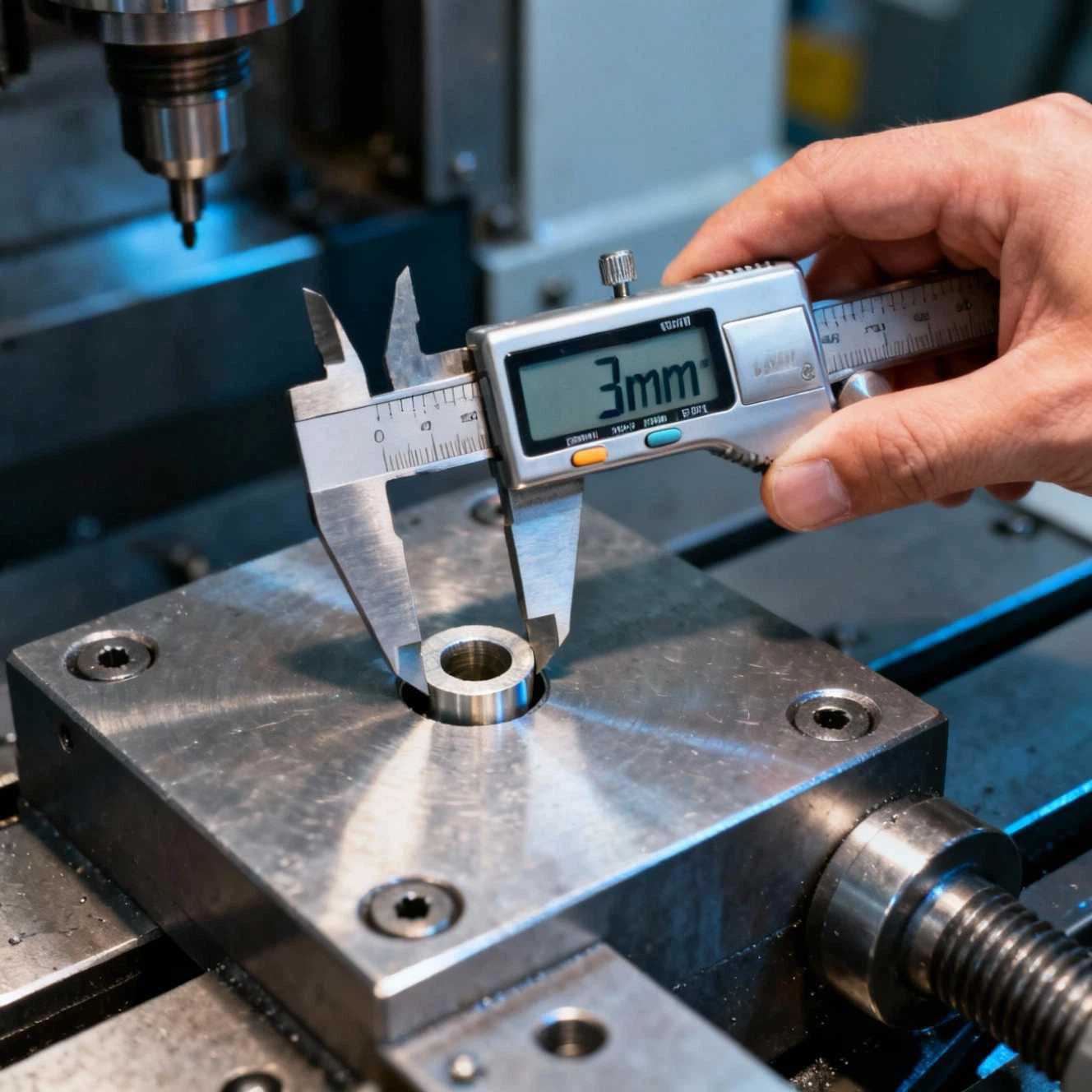
Properly install the Back Mount Receiver Bushing or Face Mount Receiver Bushing into the designated mounting hole.
Insert the ball lock shank and gently press or twist until the locking ball fully engages.
Mini Indexing Plungers Manual
What Are The Differences Between Ball Rollers and Ball Transfer Units