Lateral Spring Plunger Guideline
Lateral Spring Plunger Guideline
Table of Contents Definition & Concepts Primary Functions Structural Components Material Comparison Applications FAQ
In the modern machinery manufacturing and assembly sector, precise positioning and reliable locking form the essential foundation for stable equipment operation. As a commonly employed positioning component, the lateral spring plunger finds extensive application across industrial machinery, fixtures, and automated equipment due to its distinctive structural design and consistent elastic properties. This article provides an in-depth examination of the lateral spring plunger's functionality, characteristics, composition, and operating principles, whilst highlighting the application advantages of different materials such as stainless steel and galvanised steel.
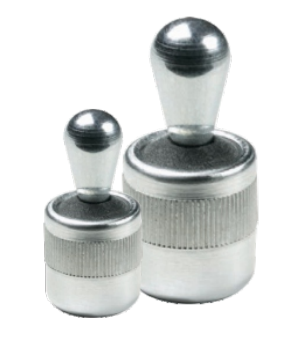
Definition & Fundamental Concepts
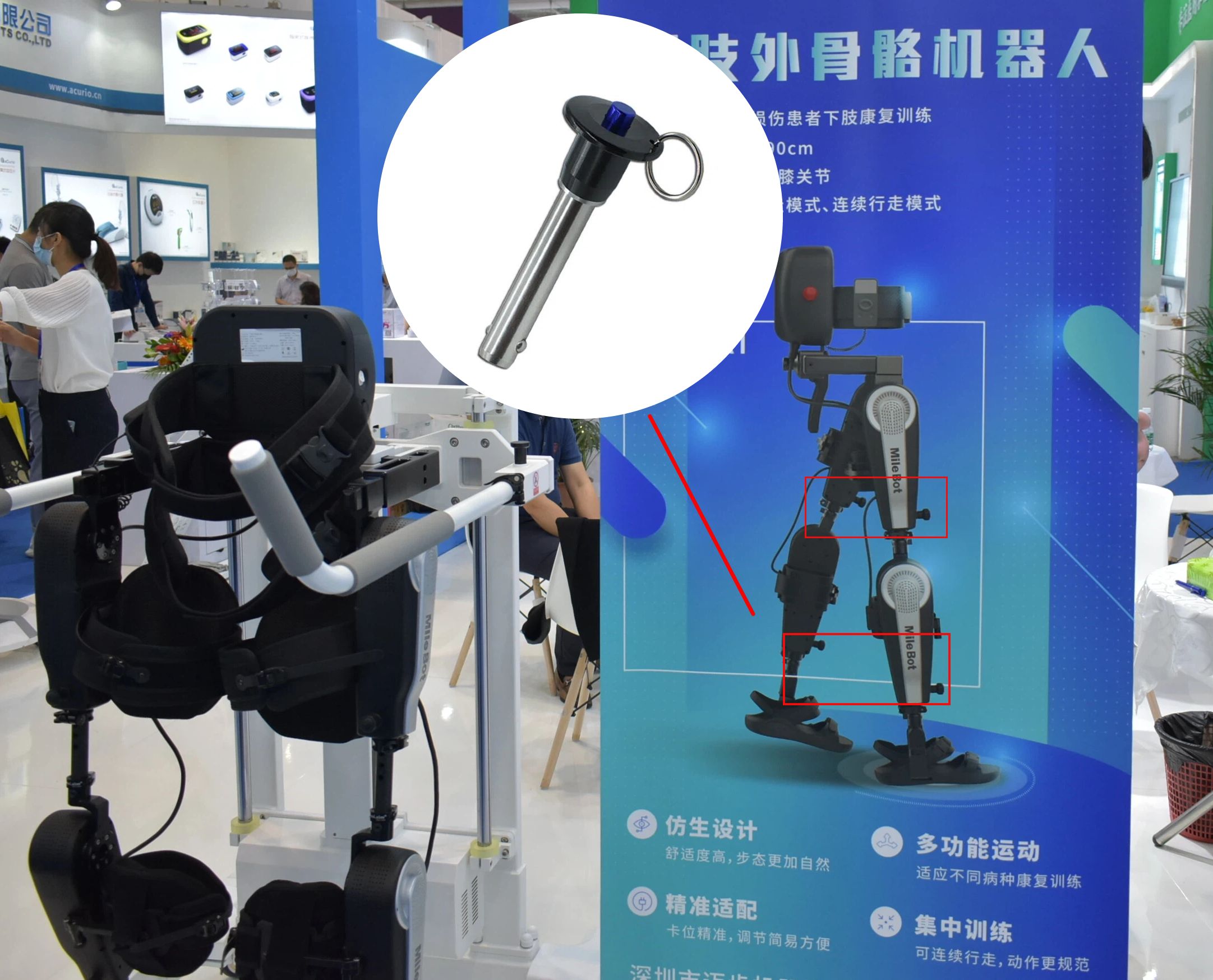
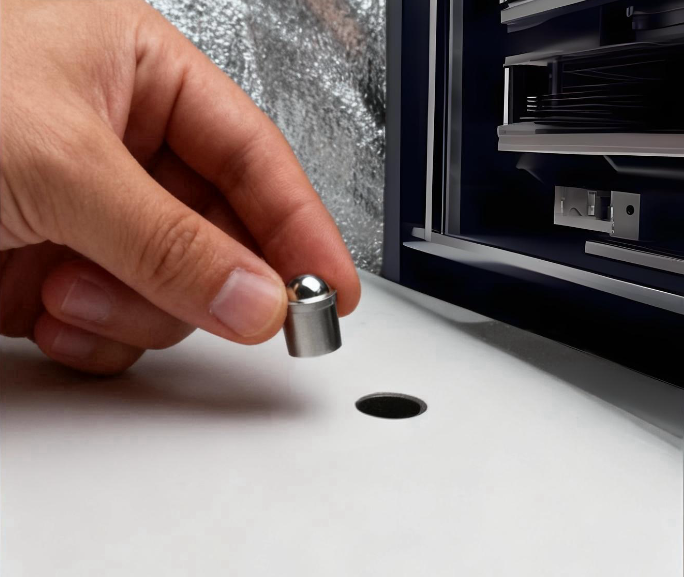
The Lateral Spring Plunger, also known as a lateral spring plunger, is a mechanical component that provides lateral thrust through an internal spring. Unlike conventional vertically acting spring plungers, the lateral spring plunger exerts force horizontally or at an angle. It is commonly employed for lateral positioning, limiting, retaining, or guiding components. It delivers precise and stable lateral support within confined spaces, proving particularly suitable for assembly scenarios with stringent spatial constraints.
The Lateral Spring Plunger, also known as a lateral spring plunger, is a mechanical component that provides lateral thrust through an internal spring. Unlike conventional vertically acting spring plungers, the lateral spring plunger exerts force horizontally or at an angle. It is commonly employed for lateral positioning, limiting, retaining, or guiding components. It delivers precise and stable lateral support within confined spaces, proving particularly suitable for assembly scenarios with stringent spatial constraints.
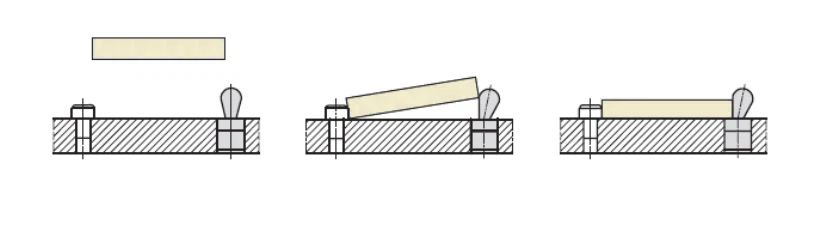
Primary Functions
The core function of the Lateral Spring Plunger is to utilise continuous pressure generated by its internal spring to achieve automatic positioning and limiting of components or workpieces. This lateral thrust prevents displacement under vibration or impact while ensuring structural stability.
Furthermore, it facilitates rapid assembly/disassembly and positional fine-tuning, enhancing operator efficiency during equipment adjustments or component replacements. It plays a vital role across diverse applications, including machine tool fixtures, mould assemblies, and structural components within electronic devices.
The core function of the Lateral Spring Plunger is to utilise continuous pressure generated by its internal spring to achieve automatic positioning and limiting of components or workpieces. This lateral thrust prevents displacement under vibration or impact while ensuring structural stability.
Furthermore, it facilitates rapid assembly/disassembly and positional fine-tuning, enhancing operator efficiency during equipment adjustments or component replacements. It plays a vital role across diverse applications, including machine tool fixtures, mould assemblies, and structural components within electronic devices.
Basic Structural Components
A typical Lateral Spring Plunger is generally comprised of the following key components:
A typical Lateral Spring Plunger is generally comprised of the following key components:
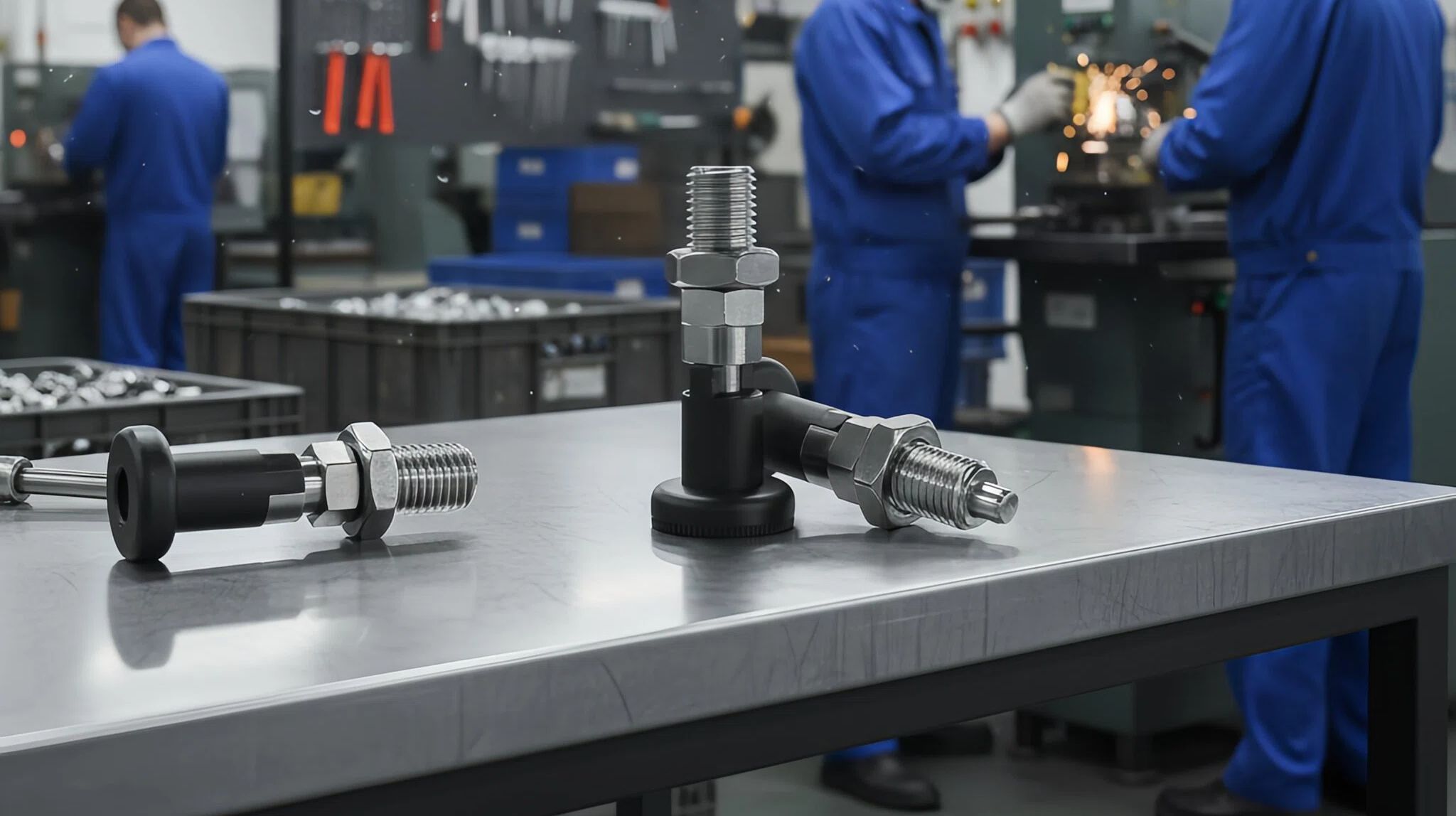
Housing: The main body of the assembly, typically manufactured from stainless steel or galvanised steel to ensure corrosion resistance and structural integrity.
Spring: The core component, providing sustained lateral elastic force.
Plunger Head: Directly contacts the workpiece, available in metal or nylon materials selected according to the operating environment.
Stop Mechanism: Prevents excessive compression or ejection of the plunger, ensuring safe and reliable operation.

Comparison of Different Materials: Advantages of Stainless Steel vs Galvanised Steel
The performance of lateral spring plungers is not only dependent on design structure but also closely linked to material selection. Under varying environmental conditions, stainless steel and galvanised steel exhibit distinct characteristics in their performance.
Stainless Steel Lateral Spring Plunger:
Manufactured from 304 or 316 stainless steel, it possesses exceptional corrosion resistance, withstanding humid, acidic, alkaline, or salt-spray environments. Suitable for marine equipment, medical instruments, or outdoor machinery. The stainless steel surface is smooth, effectively reducing wear and corrosion, ensuring the lateral spring plunger maintains stable performance during prolonged use.
Manufactured from 304 or 316 stainless steel, it possesses exceptional corrosion resistance, withstanding humid, acidic, alkaline, or salt-spray environments. Suitable for marine equipment, medical instruments, or outdoor machinery. The stainless steel surface is smooth, effectively reducing wear and corrosion, ensuring the lateral spring plunger maintains stable performance during prolonged use.
Galvanised Steel Lateral Spring Plunger:
The galvanised steel structure enhances oxidation resistance through electroplating or hot-dip galvanising processes, offering greater price competitiveness. Its higher hardness and protective surface coating enable long-term use in general industrial environments. For cost-sensitive equipment operating in relatively dry conditions, galvanised steel presents an ideal material choice.
The galvanised steel structure enhances oxidation resistance through electroplating or hot-dip galvanising processes, offering greater price competitiveness. Its higher hardness and protective surface coating enable long-term use in general industrial environments. For cost-sensitive equipment operating in relatively dry conditions, galvanised steel presents an ideal material choice.
Applications of Lateral Spring Plungers
1. Precision Fixture and Jig Positioning
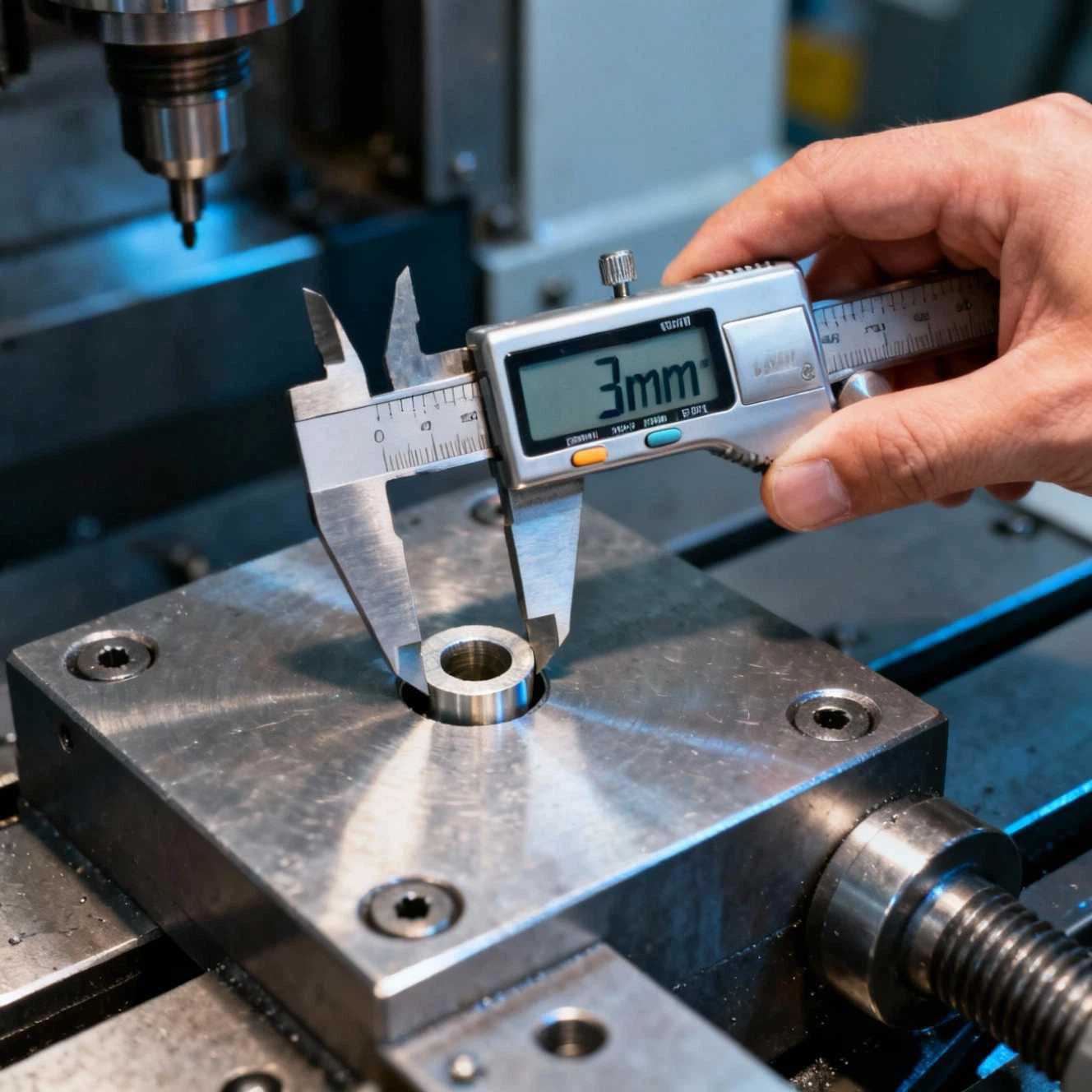
Within machining and inspection fixtures, lateral spring plungers provide lateral limiting and positioning for workpieces. They automatically apply pressure during clamping, ensuring workpiece stability during processing and preventing displacement caused by vibration.
Within machining and inspection fixtures, lateral spring plungers provide lateral limiting and positioning for workpieces. They automatically apply pressure during clamping, ensuring workpiece stability during processing and preventing displacement caused by vibration.
2. Automated Equipment Guidance Systems
Within automated conveyor or assembly lines, lateral spring plungers provide lateral guiding force for moving components, ensuring smooth assembly processes. Their compact design facilitates easier equipment maintenance and replacement.
Within automated conveyor or assembly lines, lateral spring plungers provide lateral guiding force for moving components, ensuring smooth assembly processes. Their compact design facilitates easier equipment maintenance and replacement.
3. Mould and Slider Systems
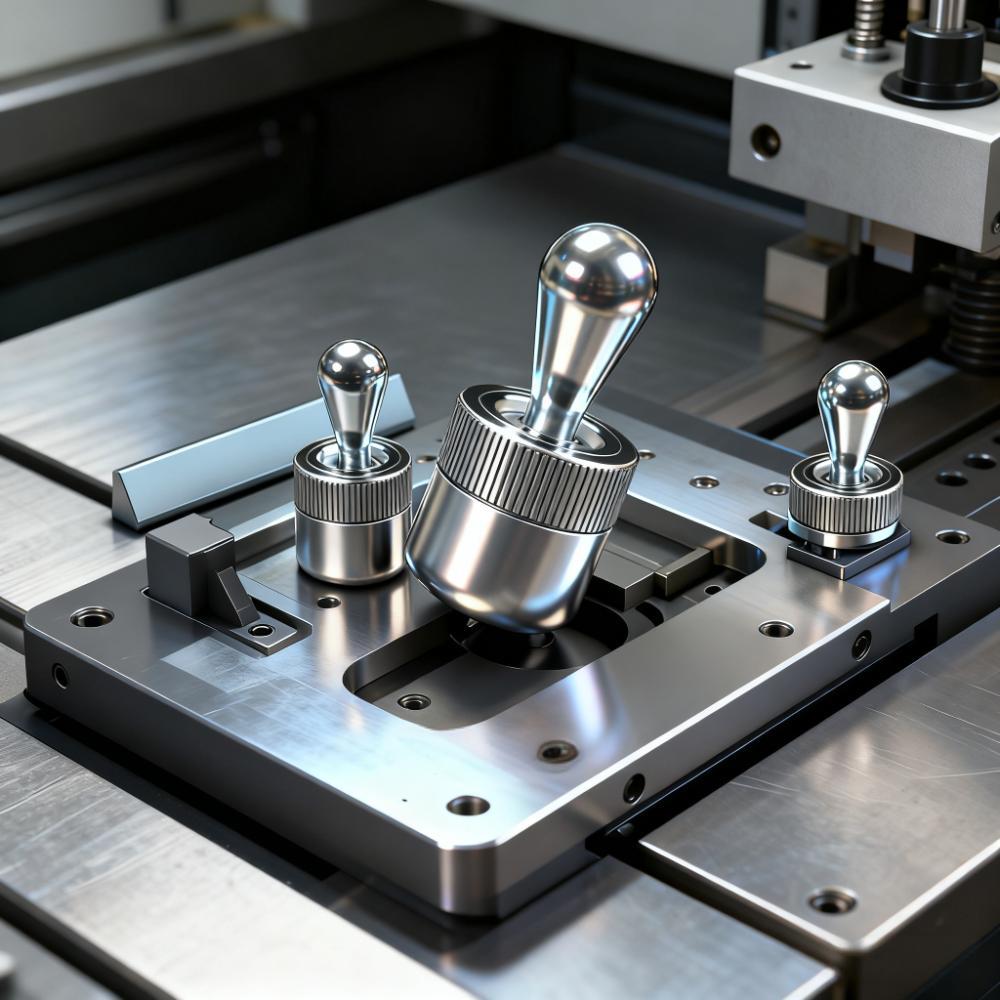
Lateral spring plungers are frequently employed in mould slider or ejector systems to achieve precise repositioning. Stainless steel construction maintains consistent elasticity under high temperatures and oily conditions, extending mould service life.
Lateral spring plungers are frequently employed in mould slider or ejector systems to achieve precise repositioning. Stainless steel construction maintains consistent elasticity under high temperatures and oily conditions, extending mould service life.
4. Electronic Equipment and Instrument Adjustment Mechanisms
Within electronic instruments, lateral spring plungers serve as adjustable retaining elements, securing internal components against displacement and enhancing overall assembly precision.
Within electronic instruments, lateral spring plungers serve as adjustable retaining elements, securing internal components against displacement and enhancing overall assembly precision.
5. Industrial Door Locks & Equipment Enclosure Fixings
Numerous industrial enclosures, access panels, and protective covers employ lateral spring plungers for secure fastening and rapid disassembly. Galvanised steel construction delivers superior strength and wear resistance in such applications.
Numerous industrial enclosures, access panels, and protective covers employ lateral spring plungers for secure fastening and rapid disassembly. Galvanised steel construction delivers superior strength and wear resistance in such applications.
FAQ
Q: Do you provide the lateral spring plunger installation video?
A: You can check our Youtube Channel for it.
Q: What's your MOQ for the lateral plunger?
A:100-200.
Simplify your setup with Lateral Spring Plungers — easy to mount, smooth operation, and perfect for precision mechanical systems.
What Are The Differences Between Ball Rollers and Ball Transfer Units
Manufacture Process of Indexing Plungers