Lateral Spring Plunger
Lateral Spring Plungers: Versatile Solutions for Precise Positioning in Modern Industry
Introduction
In the rapidly evolving landscape of mechanical engineering and manufacturing, precision and reliability remain top priorities. Among the myriad components that contribute to these standards, Lateral Spring Plungers play an increasingly vital role. These compact, robust devices ensure secure positioning, indexing, and locking in a variety of mechanical assemblies. This article delves deep into the design, applications, advantages, and future prospects of lateral spring plungers.

Understanding Lateral Spring Plungers
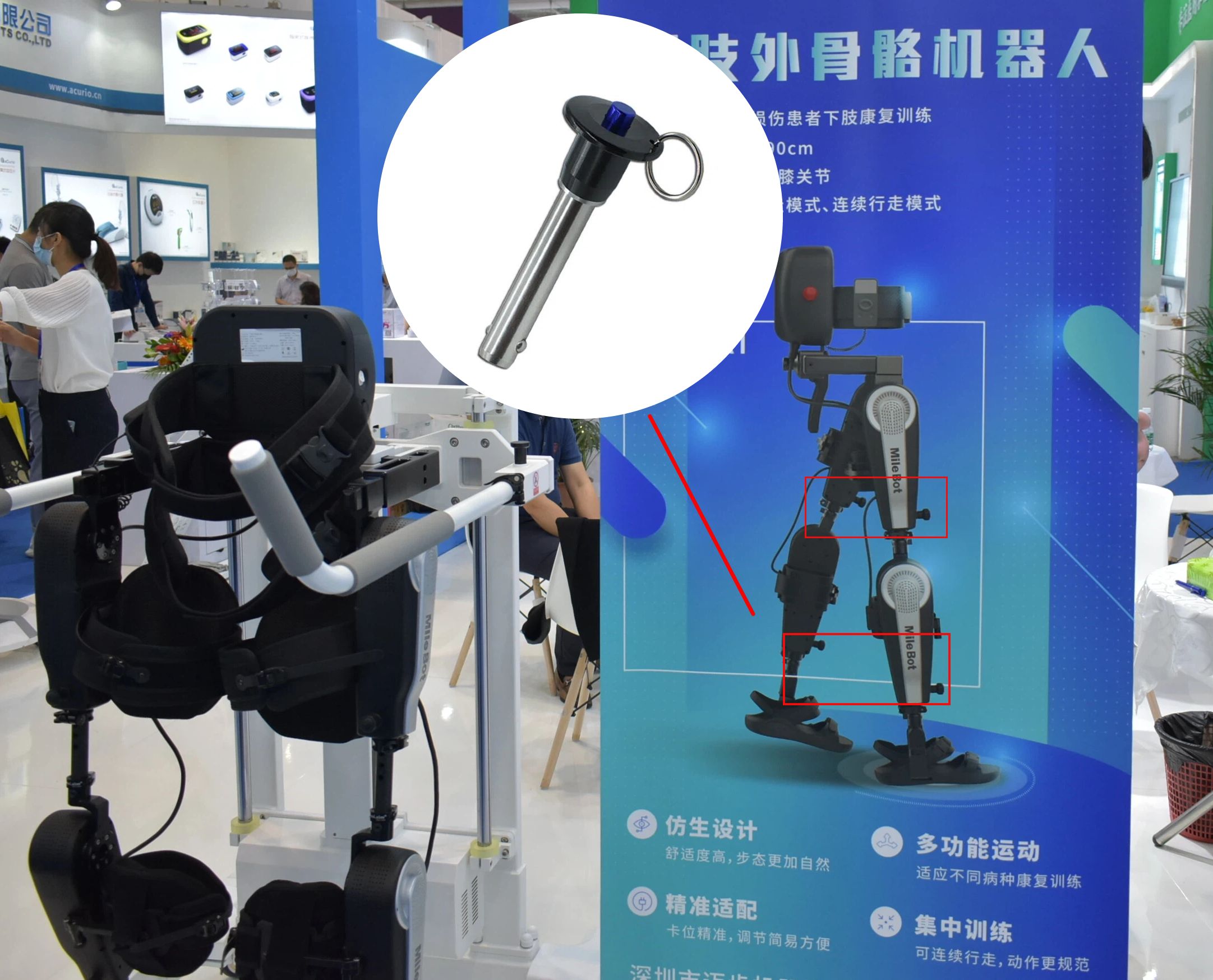
Lateral spring plungers are a specialized type of spring-loaded device designed to exert lateral force—typically sideways—rather than the more common axial direction. This unique design allows them to serve roles in side-loading applications, ideal for installations where top-down space is limited or access is restricted.
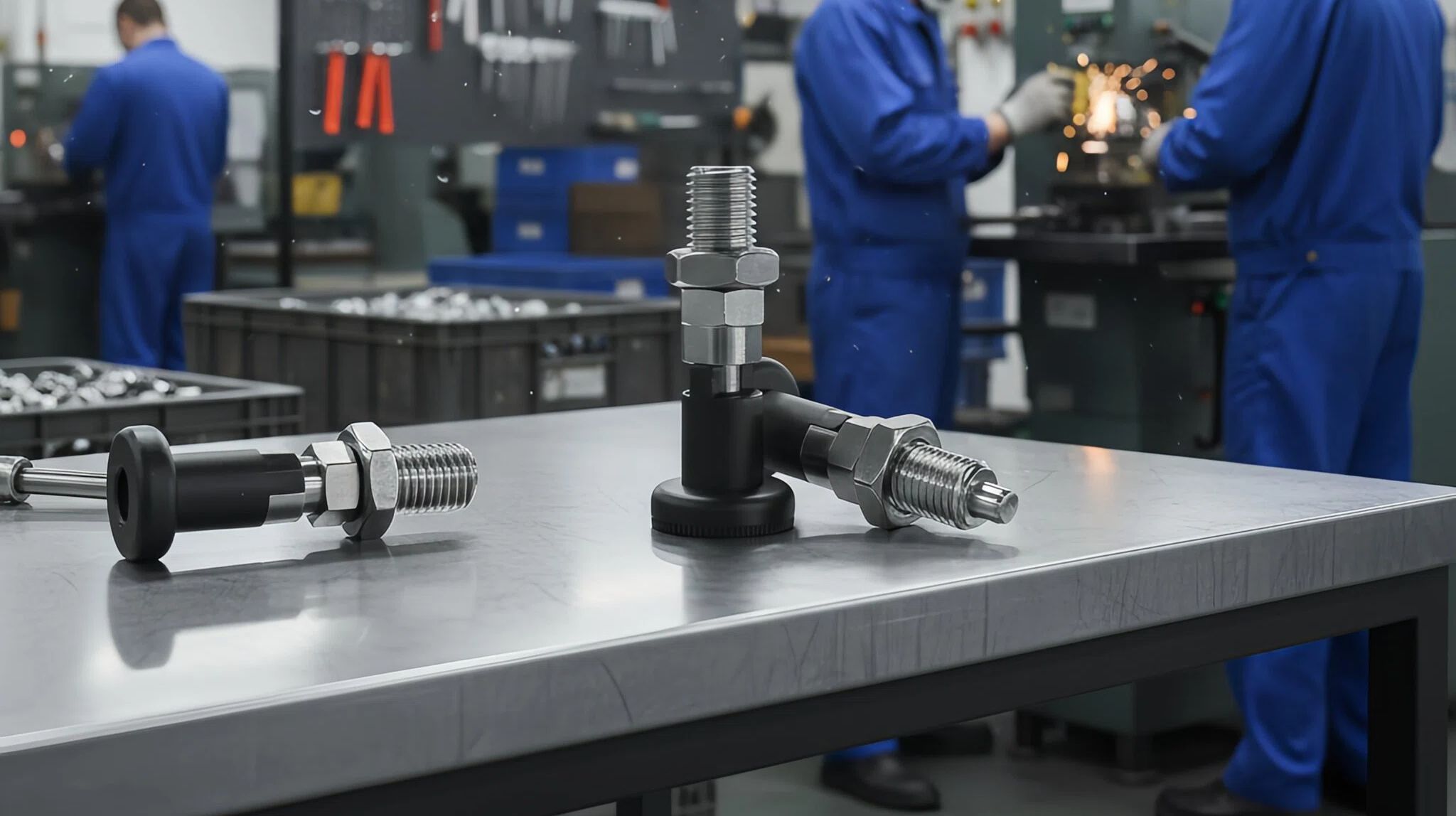
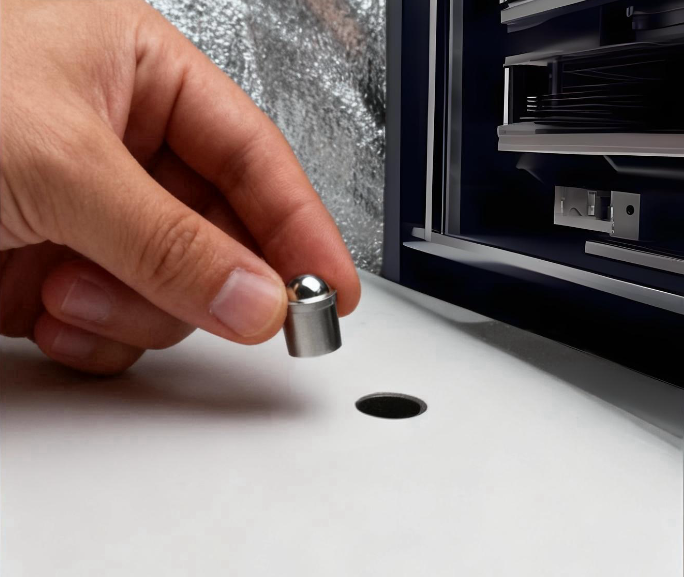
These plungers consist of three main components:
-
Plunger body: Often cylindrical and made of steel, stainless steel, or brass.
-
Ball or pin: Positioned at one end to make contact with the workpiece.
-
Internal spring: Provides the necessary force to push the ball or pin laterally.
They come in various configurations, including push-fit and threaded options, and may include locking or non-locking designs depending on the required functionality.
Key Features and Functional Benefits
Lateral spring plungers are favored for their simplicity and efficiency. Here are several standout benefits:
-
Compact Design: Perfect for tight spaces where traditional plungers won't fit.
-
Directional Versatility: Lateral force enables unique installation possibilities.
-
Precise Control: Accurate positioning for mechanical indexing and detent functions.
-
Durability: High-quality materials offer resistance to corrosion and wear.
-
Customizability: Available in various thread types, materials, and tip styles (ball, pin, nylon).
These features make lateral spring plungers indispensable in both standard and high-performance engineering settings.
Materials and Variants
Material selection plays a critical role in the performance of lateral spring plungers. Common options include:
-
Stainless Steel (AISI 303, 304, 316): Excellent for corrosion resistance, ideal for food processing or medical devices.
-
Carbon Steel (Black Oxide, Zinc-plated): Durable and cost-effective for general industrial use.
-
Brass: Non-sparking and corrosion-resistant, suitable for electronics and marine applications.
-
Plastic Tips: For delicate surfaces or noise reduction.
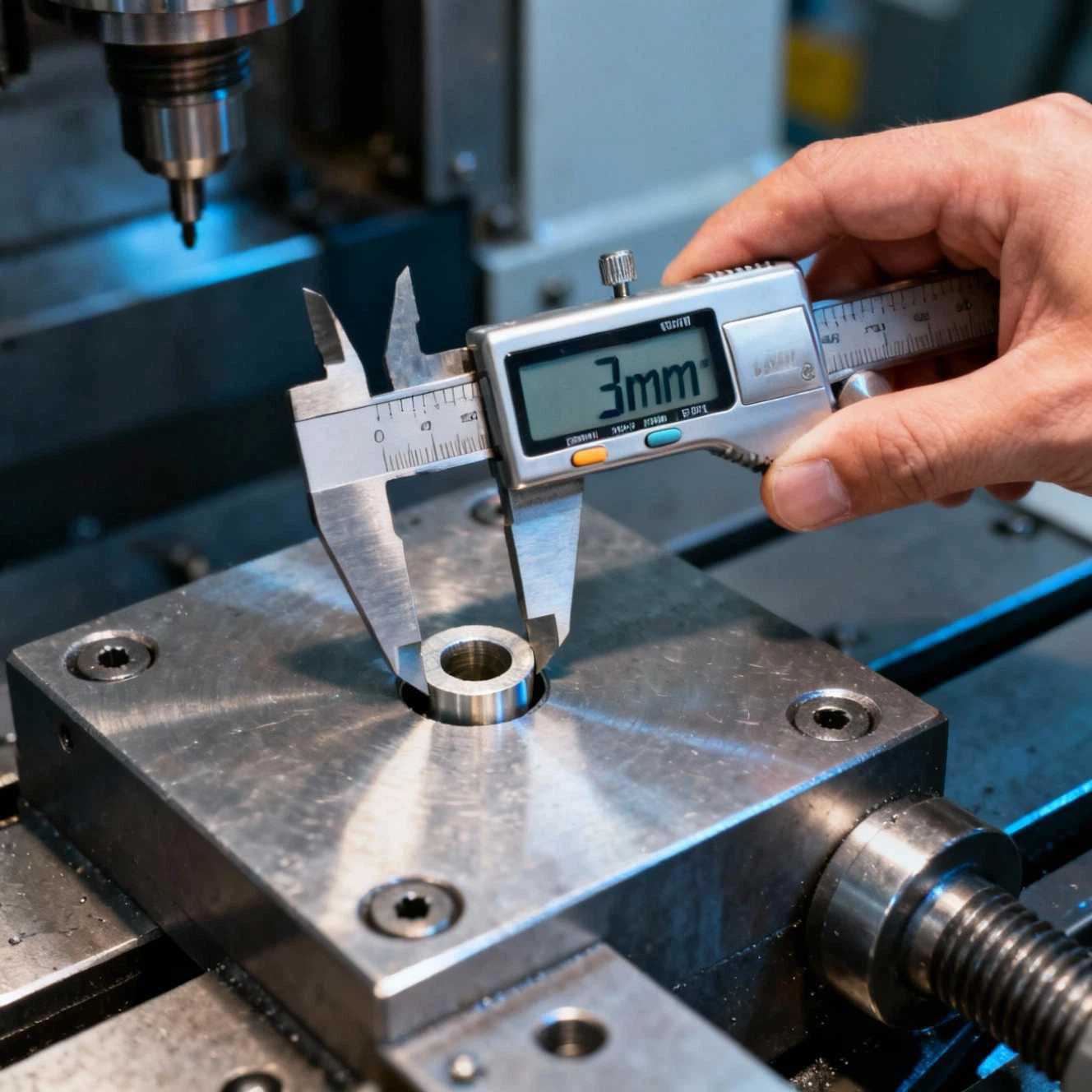
Variants also include spring forces (light, medium, heavy), thread sizes (metric and inch), and specialized tip geometries to suit unique applications.
Applications Across Industries
Lateral spring plungers serve diverse roles across a wide range of industries:
Automotive Manufacturing
Used in positioning doors, hoods, and panels during assembly. Their lateral action is useful in robotic arms and car door locking mechanisms.
Electronics and PCB Assembly
Ideal for low-profile locking and positioning where space-saving is essential.
Medical Equipment
Non-corrosive stainless steel variants are ideal for adjustable surgical equipment, lab devices, and cleanroom fixtures.
Industrial Automation
Used for guiding and securing components on conveyor belts, robotic cells, and rotating fixtures.
Furniture Manufacturing
Deployed in adjustable chair components, sliding mechanisms, and cabinetry.
Installation and Maintenance
Installing a lateral spring plunger is relatively straightforward. Most are threaded or push-fit, requiring minimal tools. To ensure longevity:
-
Lubricate: Use appropriate lubricants to reduce wear and enhance movement.
-
Inspect: Periodically check for dirt or mechanical fatigue.
-
Replace as Needed: Springs lose tension over time; regular replacement ensures optimal function.
These steps are essential for maintaining accuracy and minimizing system downtime.
Comparison with Axial Spring Plungers
While axial spring plungers are more commonly used, lateral spring plungers offer unique advantages:
| Feature | Axial Spring Plungers | Lateral Spring Plungers |
|---|---|---|
| Force Direction | Vertical/inline | Sideways/lateral |
| Space Requirements | Needs top access | Fits tight side spaces |
| Application Range | General use | Specialized mechanisms |
| Ease of Replacement | Moderate | Easy |
Choosing between the two depends on the specific spatial and mechanical requirements of the assembly.
Emerging Trends and Innovations
As manufacturing becomes more miniaturized and modular, the demand for small, efficient, and versatile components like lateral spring plungers is growing. Key trends include:
-
Miniaturization: Increasing use in micro-mechanical systems and compact robotics.
-
Smart Materials: Integration of wear-resistant coatings and self-lubricating materials.
-
Sustainability: Use of recyclable materials and eco-friendly production methods.
These innovations position lateral spring plungers as forward-compatible components for Industry 4.0 and beyond.
Sourcing and Customization
Leading manufacturers now offer extensive customization options. Customers can specify:
-
Thread type and size
-
Spring force
-
Tip material (steel, plastic, ceramic)
-
Coating (black oxide, zinc-plated, nickel-plated)
Sourcing from reputable suppliers ensures precision, compliance with ISO standards, and enhanced lifecycle performance.
Why Lateral Spring Plungers Matter
Despite their small size, lateral spring plungers play a large role in system stability, performance, and safety. They reduce human error by mechanically enforcing repeatable positioning and motion limits. Their low maintenance and high durability make them cost-effective solutions in high-cycle environments.
Upgrade your hardware with lateral spring plungers, offering precise positioning and smooth operation for industrial, automotive, and machinery applications. Durable, reliable, and easy to install—perfect for efficient operations.
In modern manufacturing and mechanical systems, precision and efficiency are non-negotiable. Lateral spring plungers, though small and often overlooked, are integral to achieving these goals. Whether in high-speed automation lines, intricate electronic assemblies, or cutting-edge medical devices, their contribution is invaluable.
As industries push toward smarter, more compact solutions, the relevance of lateral spring plungers is only set to grow. Engineers and procurement specialists would do well to consider them not just as accessories, but as essential components in the machinery of tomorrow.
Plunger Spring Pin
Indexing Plungers With Rest Position