Lock Pin Types
Exploring Lock Pin Types: A Comprehensive Guide to Modern Fastening Solutions
Introduction: The Role of Lock Pins in Engineering and Manufacturing
Lock pins are vital components across a wide range of industries, from aerospace to agriculture, automotive, medical equipment, marine, and more. Designed to secure parts together in a precise and often load-bearing way, lock pins ensure safety, alignment, and reliability under varying conditions. As industries demand quicker assembly, modular design, and higher efficiency, the market for specialized lock pins has grown significantly.
This article delves into the types of lock pins, how they function, their ideal use cases, material specifications, and industry standards. Understanding the variety of lock pins available helps engineers, designers, and procurement teams select the optimal solution for their specific applications.
What Is a Lock Pin?
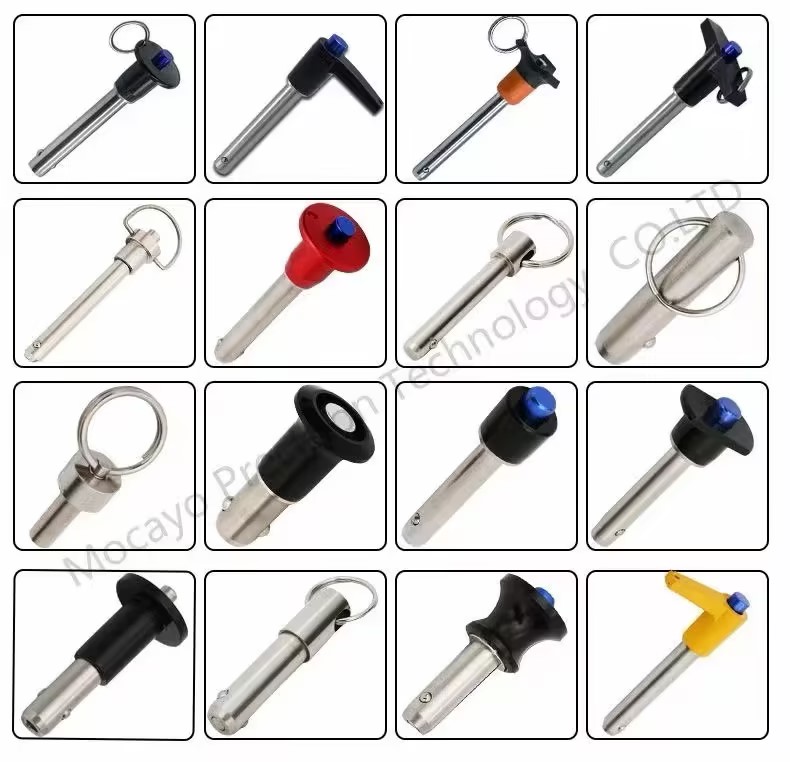
A lock pin is a mechanical fastener designed to lock two or more components into place. Lock pins differ from standard pins by having an integrated locking mechanism, which prevents unintended disengagement due to load, vibration, or external forces.
Most lock pins feature:
-
A pin shaft (round, grooved, or knurled)
-
A handle or grip
-
A locking feature, such as a ball detent, spring, or clip
-
A release mechanism, like a button, ring, or handle
These pins are removable and reusable, making them ideal for applications requiring frequent assembly and disassembly.
Why Lock Pins Matter in Modern Design
Lock pins streamline operations across a wide range of industries by offering:
-
Tool-free installation and removal
-
Secure retention under stress
-
Customizability in design and materials
-
Enhanced safety and compliance
-
Reduced assembly time and labor costs
In automated systems, construction fixtures, field equipment, and high-precision assemblies, selecting the correct type of lock pin can make or break performance.
Common Types of Lock Pins
Below is a comprehensive breakdown of the major types of lock pins, their structures, and typical applications.
1. Quick Release Pins
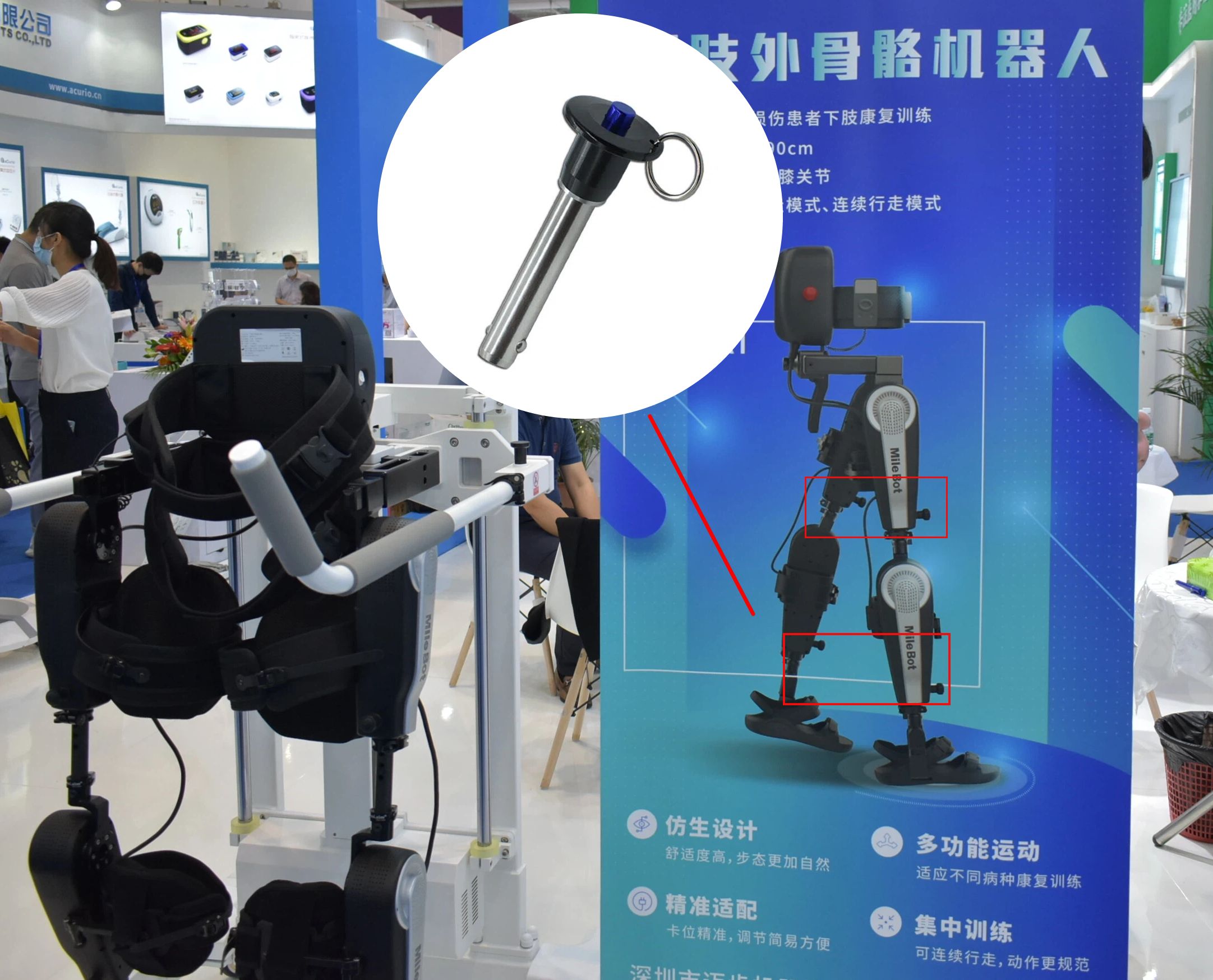
Quick release pins are the most widely used locking pins, known for their fast installation and single-hand operation.
Variants Include:
-
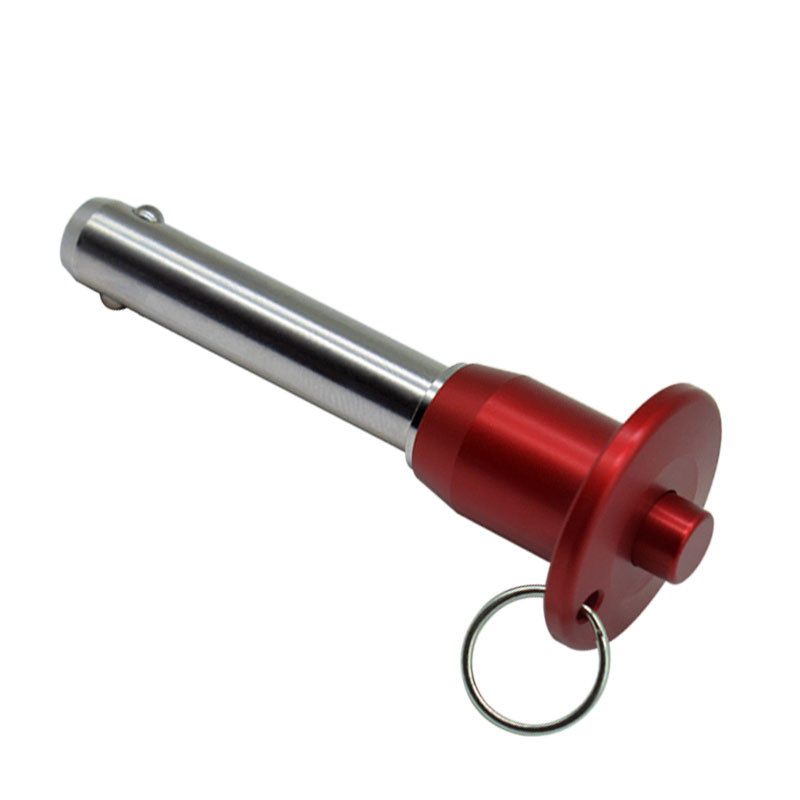
Button Lock Pins: Feature a push-button that retracts locking balls at the end of the pin.
-
T-Handle or L-Handle Pins: Offer better grip for manual operations.
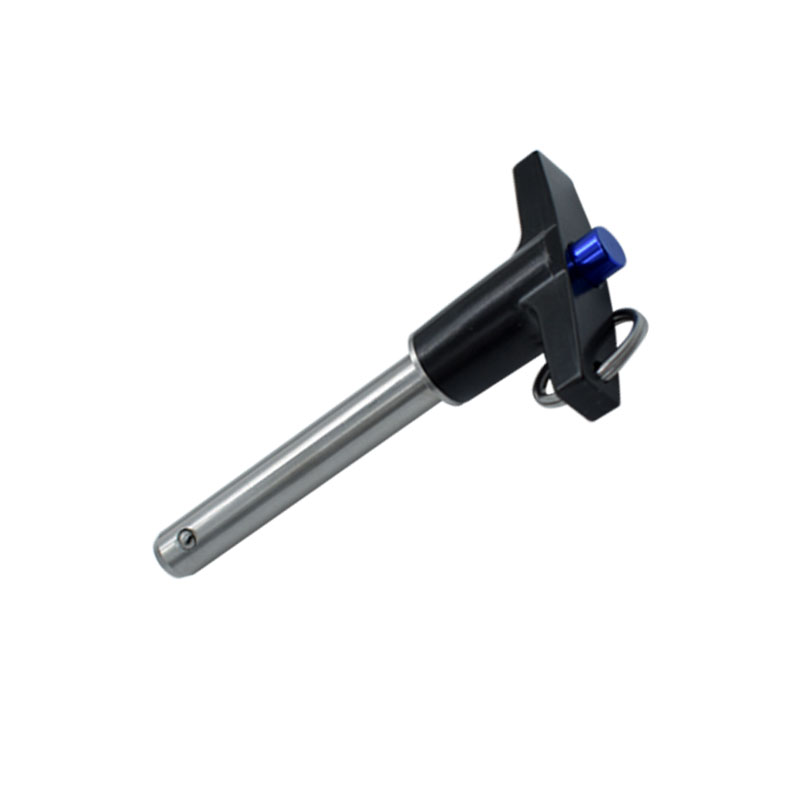
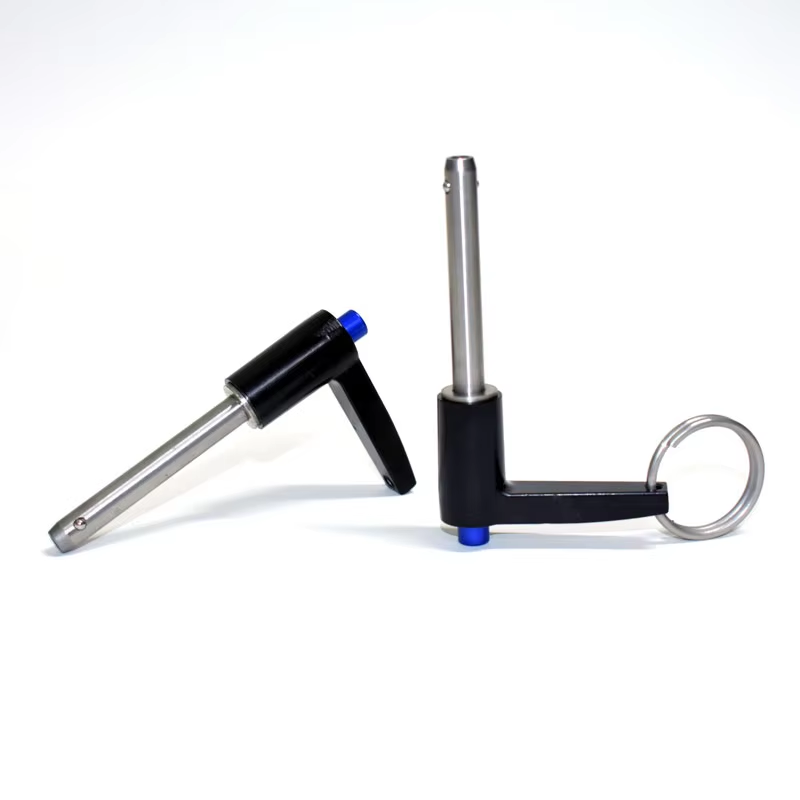
Applications: Aerospace interiors, jigs and fixtures, industrial machinery, sports equipment.
2. Detent Pins
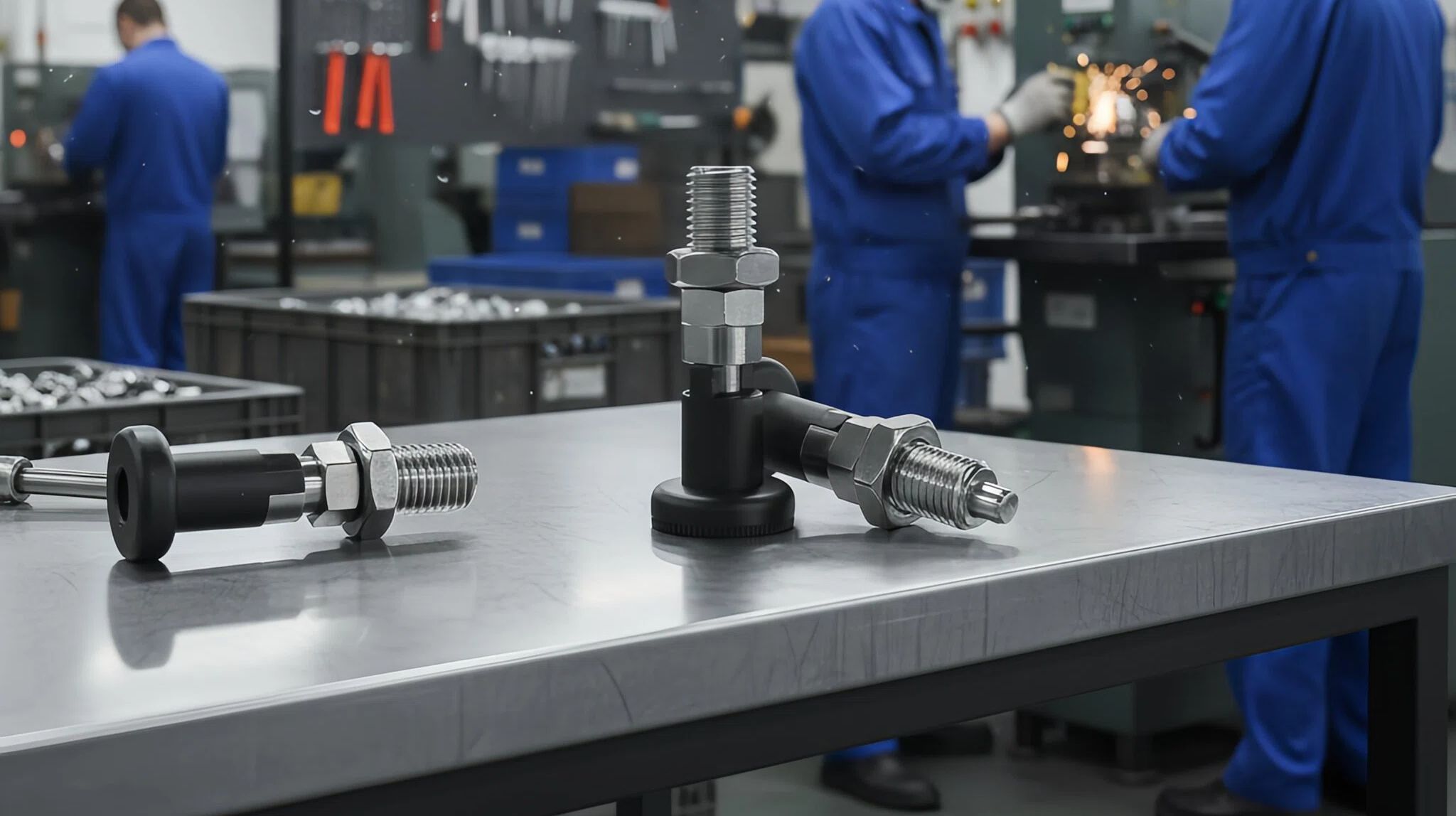
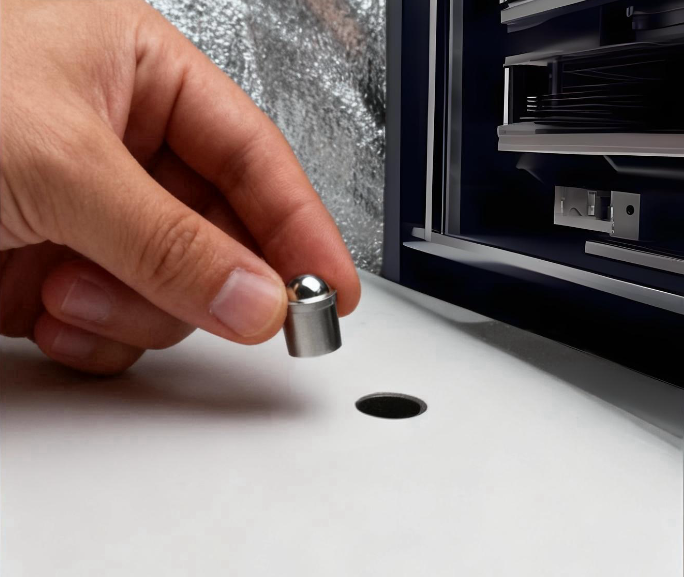
Detent pins feature a spring-loaded ball or tip that provides resistance when inserted or removed, ensuring temporary locking without full locking mechanisms.
Benefits:
-
Simple and cost-effective
-
Tool-free operation
-
Ideal for light-duty tasks
Applications: Agricultural equipment, trailers, scaffolding.
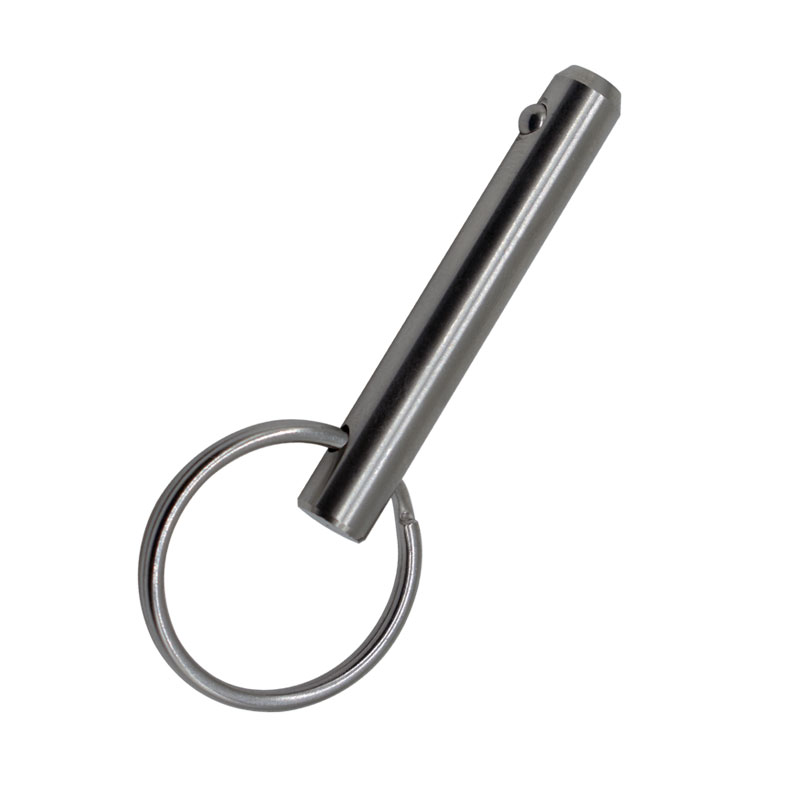
3. Lynch Pins (Linch Pins)
Lynch pins include a ring that snaps over the shaft to prevent accidental dislodgment. They are widely used in agriculture and construction.
Structure:
-
Solid pin with groove
-
Spring steel ring (can be flip-over or wire lock)
Applications: Tractor hitches, wheel assemblies, mobile machinery.
4. Clevis Pins
A clevis pin is a cylindrical shaft with a cross-hole for a cotter pin or R-clip. Though not self-locking, it becomes secure when used with a secondary locking device.
Variants:
-
Standard clevis pins
-
Grooved clevis pins
-
Slotted clevis pins
Applications: Mechanical linkages, couplings, tie rods.
5. Hitch Pins
These pins resemble clevis pins but are usually larger and paired with a locking clip. Designed for towing and heavy-duty applications.
Strengths:
-
High shear load capacity
-
Easy to handle with gloves
-
Durable materials like heat-treated steel
Applications: Trailer hitches, farm equipment, hauling machinery.
6. Spring Plungers with Locking Function
Though not traditional lock pins, spring plungers serve as locking or indexing elements that position and secure parts.
Types:
-
Ball-type spring plungers
-
Nose-type plungers
-
Indexing plungers with pull knob or locking feature
Applications: Positioning guides, indexing fixtures, robotic tooling.
7. Tapered Lock Pins
These are conical pins designed to wedge into mating holes, securing components tightly through friction.
Usage:
-
Semi-permanent locking
-
Vibration resistance
-
Often used with a retaining nut
Applications: Automotive chassis, structural frameworks, motorsports.
8. Self-Locking Pins
Self-locking pins automatically secure upon insertion using ball detents, locking sleeves, or internal mechanisms. Removal requires pressing a release trigger.
Features:
-
Safe and secure under vibration
-
No need for additional hardware
-
Durable and corrosion-resistant
Applications: Aerospace, medical devices, military equipment.
Material Options for Lock Pins
Choosing the right material is critical for performance, especially in environments with corrosion, high loads, or extreme temperatures.
| Material | Properties | Common Uses |
|---|---|---|
| Stainless Steel (303/304/316) | Corrosion-resistant, durable | Marine, medical, food-grade systems |
| Carbon Steel (with plating) | Strong, economical | Construction, agriculture |
| Aluminum | Lightweight, rust-free | Aerospace, recreational |
| Brass | Non-magnetic, decorative | Instruments, furniture |
| Titanium | Ultra-light, high strength | Aerospace, defense |
Surface finishes include passivation, zinc plating, black oxide, and anodizing to improve durability and aesthetics.
Handle Styles and Customization Options
Lock pins can be customized to suit user ergonomics and branding:
-
Button-style grips for one-touch operation
-
T-handles/L-handles for better torque
-
Pull rings for gloves or fieldwork
-
Color-coded handles for process identification
-
Laser-engraved logos for branding and traceability
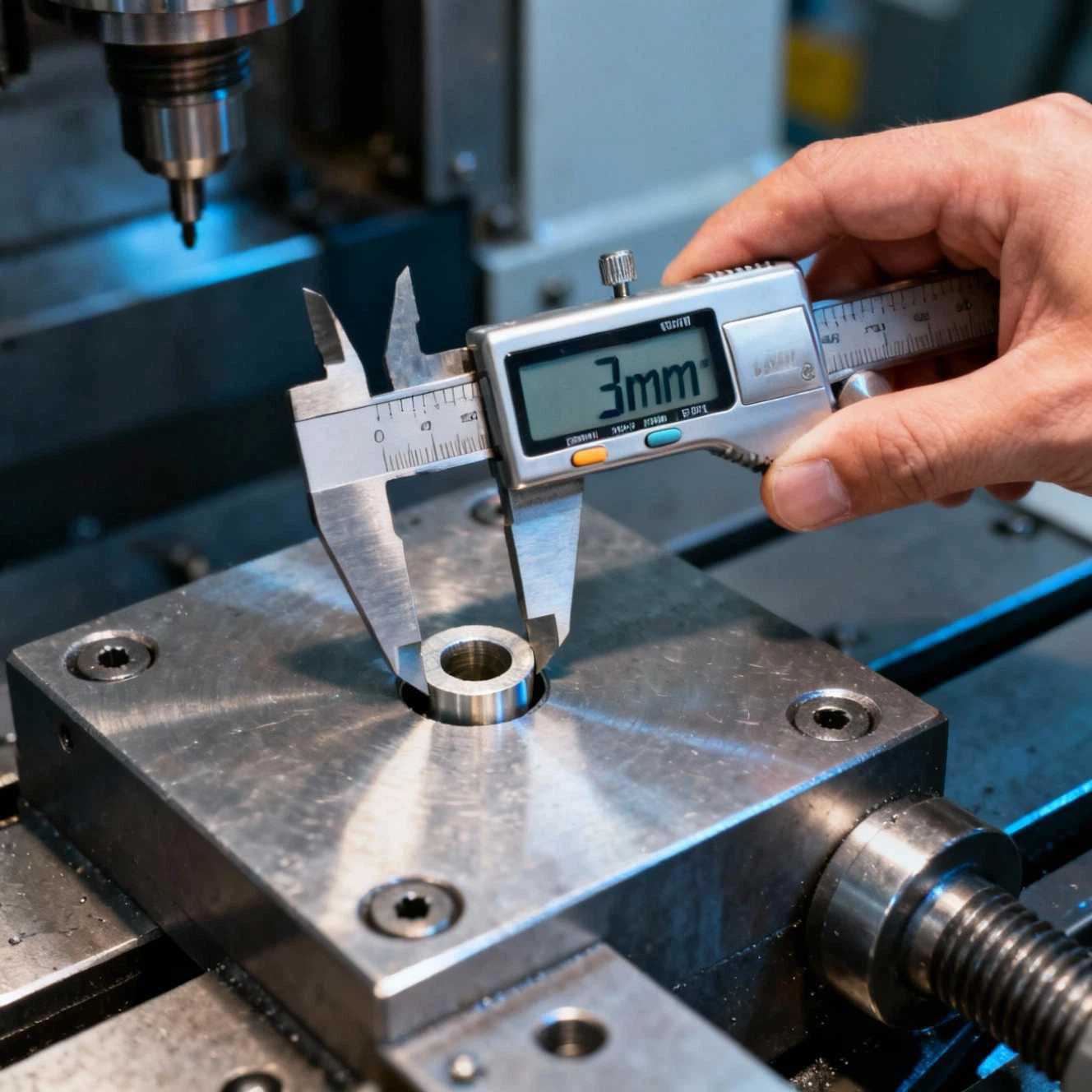
Custom CNC machining allows for tailored dimensions, grooves, and threads to match client-specific requirements.
International Standards for Lock Pins
Lock pins are manufactured to conform to a wide range of global standards to ensure compatibility and safety.
| Standard | Region/Use | Application |
|---|---|---|
| DIN EN ISO 2338/2340 | Germany/Europe | Straight and grooved pins |
| ASME B18.8.2 | USA | Clevis, cotter, and groove pins |
| MS/NAS | Military/Aerospace | High-precision pins |
| RoHS/REACH | EU Compliance | Safety in materials |
Standard Sizes Chart for Quick Reference
| Pin Diameter (mm) | Length Range (mm) | Typical Type | Application |
|---|---|---|---|
| 3–6 mm | 10–50 mm | Detent, ball lock | Light-duty |
| 6–10 mm | 20–80 mm | Quick release | Mid-duty |
| 10–16 mm | 40–120 mm | Hitch, clevis | Heavy-duty |
| 20+ mm | 50–200 mm | Lynch, custom locking pins | Industrial, agricultural |
Custom tolerances and metric/imperial conversions are available on request.
Maintenance Tips for Long-Lasting Performance
To extend the life and safety of lock pins:
-
Regularly inspect for wear, rust, or spring fatigue
-
Lubricate moving parts if required
-
Store in dry, clean environments
-
Replace damaged or stuck pins immediately
Manufacturers often offer inspection logs and batch certification for regulated industries.
Choosing the Right Lock Pin for Your Application
When selecting a lock pin, consider the following factors:
-
Load capacity and shear strength
-
Frequency of use
-
Environmental exposure
-
Ease of use under working conditions
-
Regulatory compliance
-
Aesthetic or ergonomic preferences
Lock Pins as an Essential Fastening Solution
Lock pins may seem like small components, but their role in ensuring precision, safety, and productivity is unmatched. As industries continue to demand faster, smarter, and safer fastening systems, innovations in lock pin technology will continue to shape the future of modular and high-performance design.
Whether you're designing the next generation of aircraft interiors, building automated industrial systems, or maintaining agricultural machinery, understanding the range and benefits of lock pin types is a vital step in making the right engineering decisions.
Explore our lock pin types for secure and efficient fastening in industrial applications. Durable and reliable, they ensure smooth operation. Contact us for custom solutions tailored to your needs.
Ball Lock Bolt
Quick Release Spring Loaded Pin