Machined Aluminum Parts
Machined Aluminum Parts: The Backbone of Precision Engineering
Introduction: Why Machined Aluminum Parts Are in High Demand
In the world of modern manufacturing, machined aluminum parts play a pivotal role across countless industries. From aerospace and automotive to electronics and medical devices, aluminum is the go-to material for precision components due to its lightweight, corrosion resistance, and excellent machinability. With the rise of advanced CNC machining technologies, manufacturers can now produce aluminum parts with exceptional accuracy, tight tolerances, and high repeatability, meeting the demands of complex assemblies and high-performance applications.
As businesses worldwide focus on durability, efficiency, and customization, machined aluminum components are at the forefront of this evolution. This article explores the structure, benefits, applications, materials, production process, standards, and future trends surrounding machined aluminum parts.
What Are Machined Aluminum Parts?
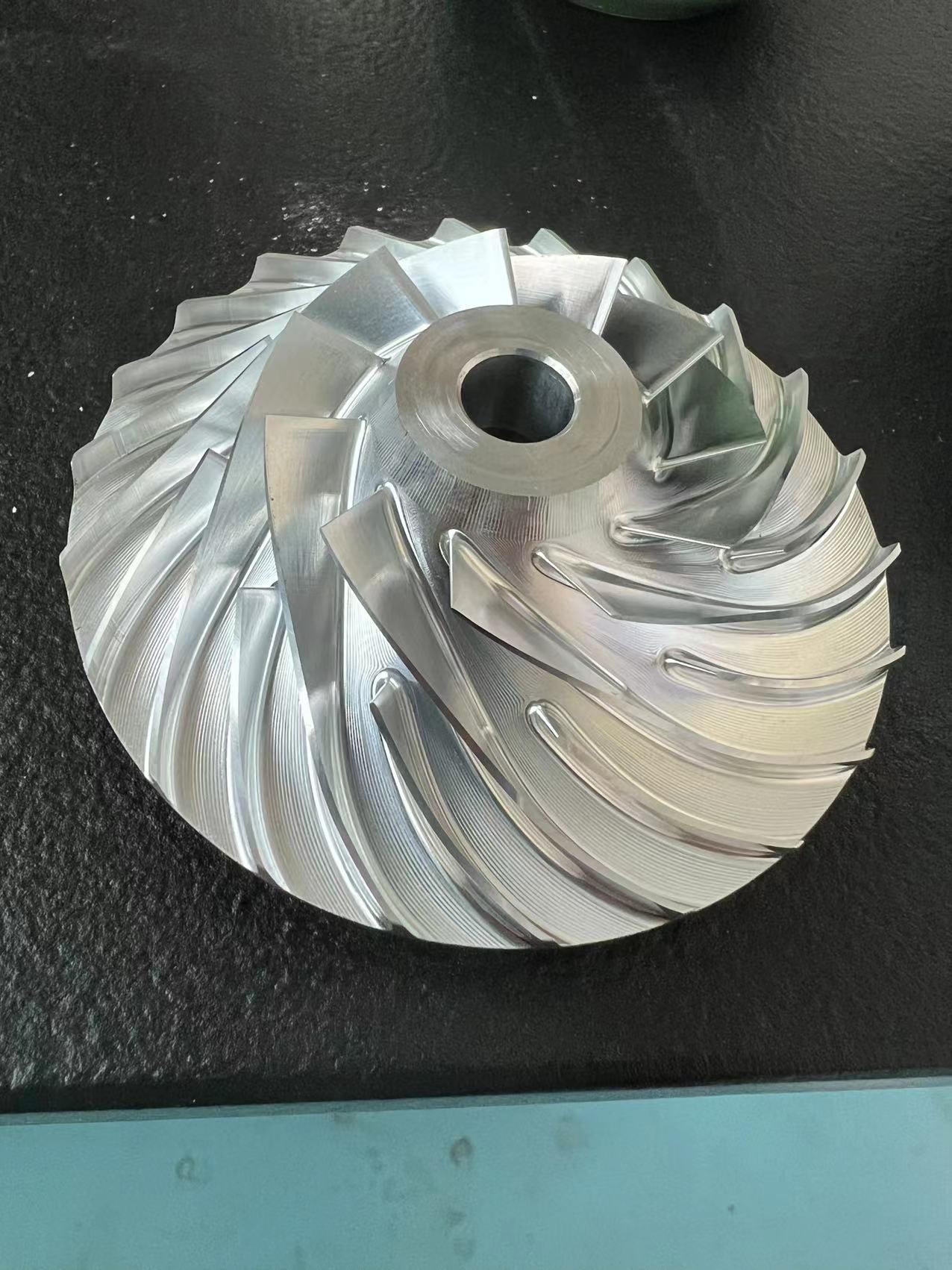
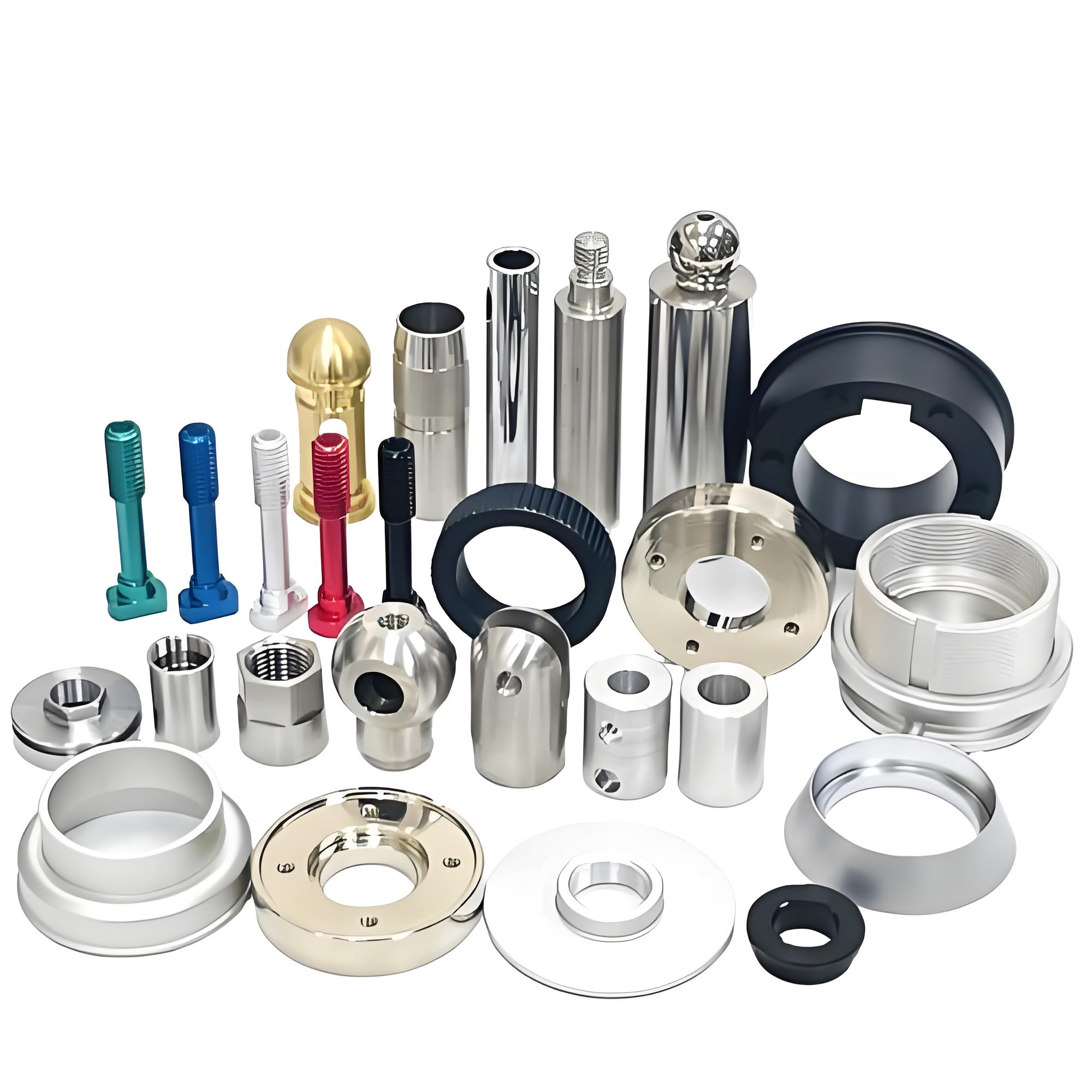
Machined aluminum parts are components created from raw aluminum stock through subtractive manufacturing techniques. These techniques include CNC milling, CNC turning, drilling, boring, and tapping, where material is selectively removed to achieve the desired shape and dimensional features.
Common Characteristics
-
High surface finish quality
-
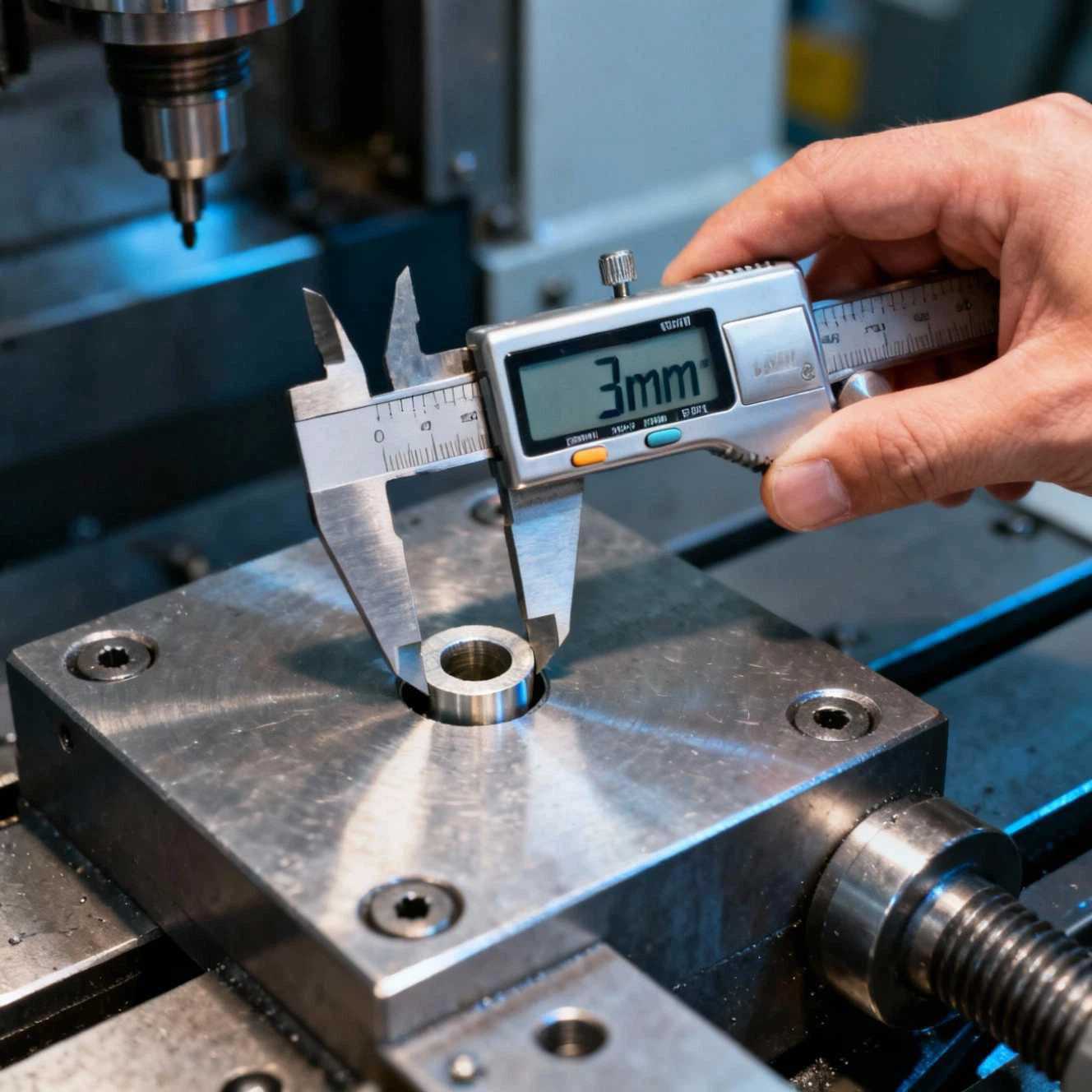
Tight tolerances (±0.005 mm or better)
-
Custom geometry or contours
-
Compatibility with surface coatings (anodizing, plating)
-
Excellent thermal and electrical conductivity
Whether simple brackets or complex 5-axis aerospace components, aluminum machined parts are known for their balance of strength, weight, and precision.
Why Aluminum? Key Material Advantages
Aluminum is often the preferred material for machining over alternatives like steel, brass, or plastics. Here’s why:
Lightweight Yet Strong
Aluminum alloys are about 1/3 the weight of steel, making them perfect for applications requiring strength without bulk.
Corrosion Resistance
Most grades form a protective oxide layer, preventing rust and extending part lifespan in harsh environments.
Easy to Machine
Aluminum’s softness and high-speed machinability reduce tool wear and improve cycle times.
Recyclability
Aluminum is 100% recyclable, aligning with sustainability goals and reducing raw material costs.
Excellent Thermal Conductivity
Ideal for heat sinks, electronics housings, and engine components where thermal dissipation is key.
Popular Aluminum Grades for Machining
Different aluminum alloys offer unique benefits depending on the application. Here are some of the most commonly used:
| Alloy | Main Features | Common Applications |
|---|---|---|
| 6061 | Versatile, weldable, corrosion-resistant | Automotive parts, structural components |
| 7075 | High strength, aerospace-grade | Aircraft frames, bike parts, sporting equipment |
| 2024 | High fatigue resistance, strong | Aerospace, automotive |
| 5052 | Great corrosion resistance, formable | Marine, electronics, panels |
| 6082 | High mechanical strength, good machinability | Structural, aerospace, transportation |
CNC Machining Processes Used for Aluminum Parts
1. CNC Milling
The most common method for aluminum. Involves rotating cutting tools that remove material from the workpiece to produce complex shapes, pockets, slots, and flat surfaces.
2. CNC Turning
Used to create cylindrical or conical shapes. The part rotates while the cutting tool removes material from its outer surface.
3. Drilling & Tapping
Essential for creating threaded or smooth holes. Aluminum’s machinability ensures clean hole walls and minimal burring.
4. Surface Finishing
After machining, aluminum parts can be surface-treated for durability or appearance, including:
-
Anodizing
-
Powder Coating
-
Polishing
-
Bead Blasting
Applications of Machined Aluminum Parts
Machined aluminum parts are indispensable in various industries:
Aerospace
-
Aircraft frames and engine housings
-
Avionics mounting systems
-
Lightweight internal structures
Automotive
-
Engine blocks and cylinder heads
-
Gear housings and transmission components
-
Suspension arms and brackets
Electronics
-
Laptop enclosures
-
Heat sinks and cooling plates
-
Camera frames and sensor mounts
Medical
-
Surgical tools and imaging devices
-
Implant components (non-contact)
-
Lab instruments and diagnostic machines
Industrial Machinery
-
Robotic arms and automation brackets
-
Custom fixturing and tooling
-
Valve bodies and pump components
Dimensional Standards and International Guidelines
To ensure global interoperability and manufacturing consistency, machined aluminum parts often adhere to various international standards:
| Standard | Organization | Scope |
|---|---|---|
| ISO 2768 | International Organization for Standardization | General tolerances for linear and angular dimensions |
| ASME Y14.5 | American Society of Mechanical Engineers | Geometric Dimensioning and Tolerancing (GD&T) |
| DIN 7168 | German Institute for Standardization | General dimensional tolerances |
| JIS B0401 | Japanese Industrial Standards | Tolerance systems and limits/fits |
Standard machining tolerances typically range from ±0.01 mm to ±0.05 mm depending on the part complexity and application.
Discover our machined aluminum parts for lightweight and durable solutions in industrial applications. Precision-engineered for optimal performance and reliability. Contact us for high-quality, custom components tailored to your needs.
Plastic Ball Plunger
Ball Lock Bolt