How Do You Know If A Quick Release Pin Is Securely Locked
How Do You Know If a Quick Release Pin Is Securely Locked?
Quick release pins are essential components in many industries, providing fast and reliable connections for equipment, machinery, and structures. However, their effectiveness depends on proper locking, as an insecure pin can lead to equipment failure, safety hazards, and operational downtime. This article explores the key indicators and methods to ensure a quick release pin is securely locked, helping users maintain safety and reliability in their applications.
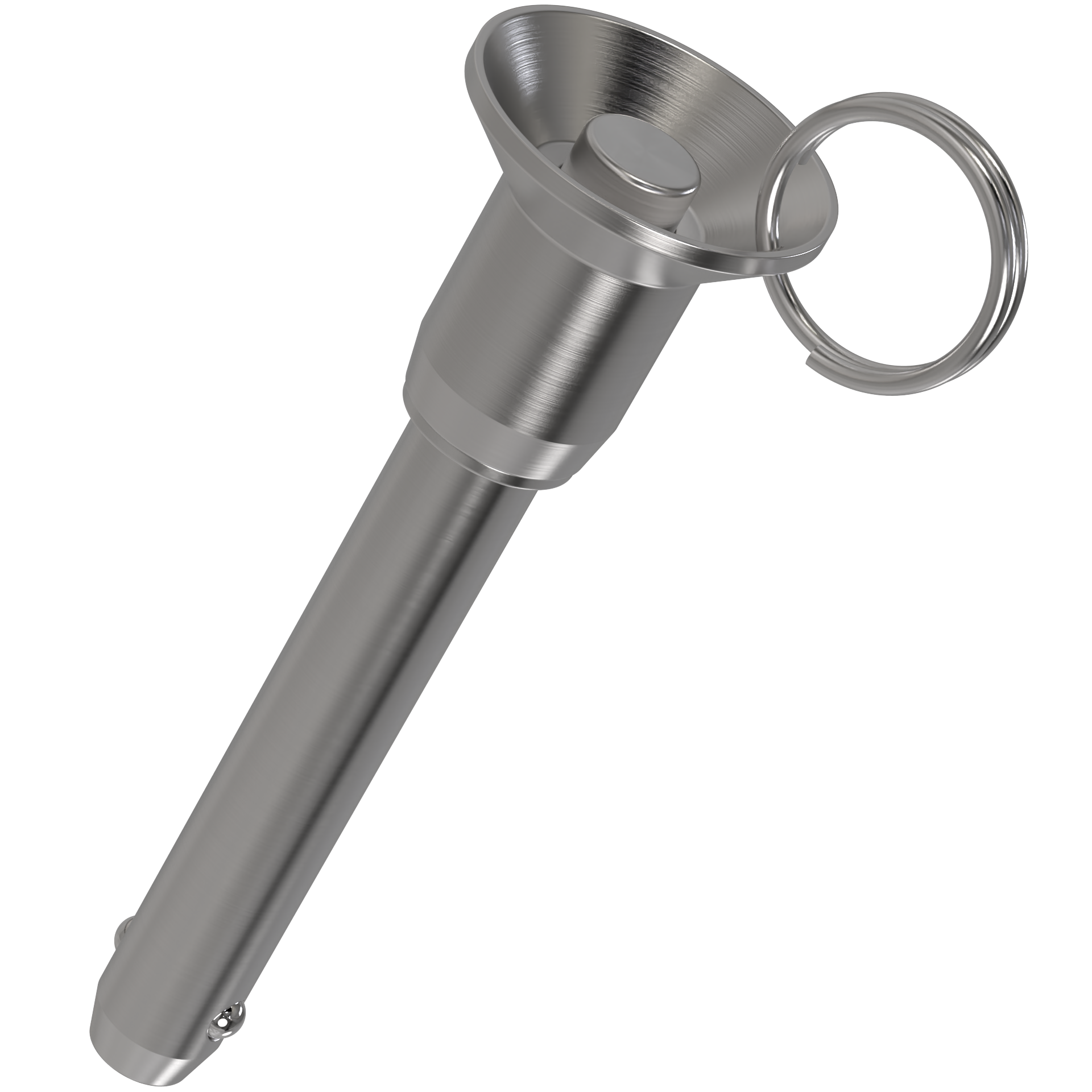
1. Understanding Quick Release Pin Locking Mechanisms
Before determining if a quick release pin is securely locked, it’s important to understand its locking mechanism. Common mechanisms include:
-
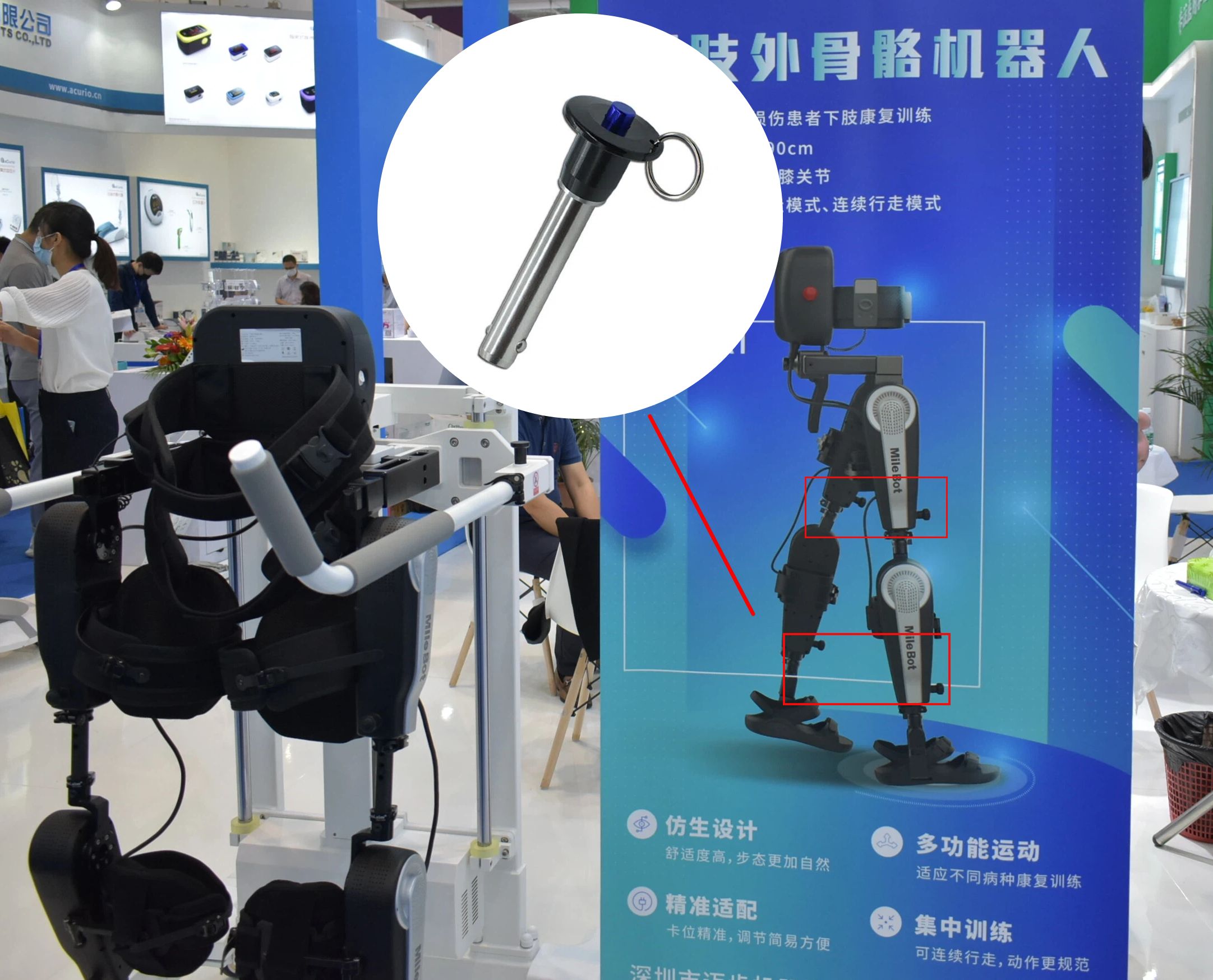
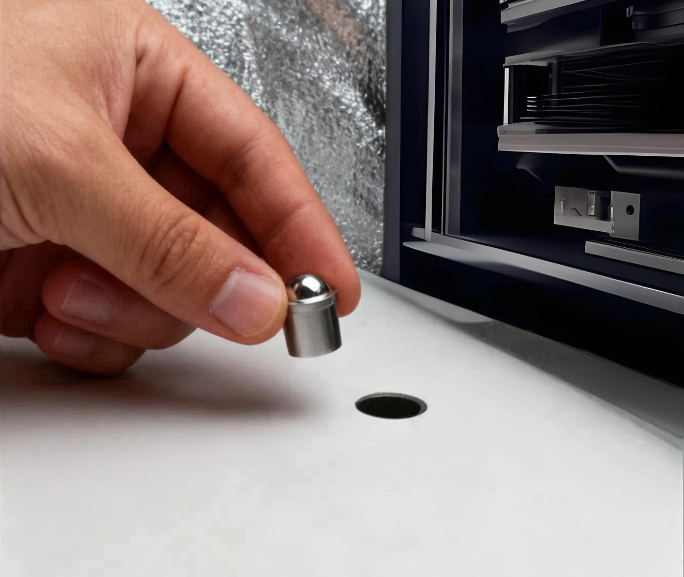
Ball Lock: Uses spring-loaded balls that expand into a recess to secure the pin.
-
Lever Lock: Features a handle that engages a cam or locking feature.
-
Push Button: Relies on a button to release or engage the lock.
-
Threaded Lock: Uses a threaded collar or nut for a more permanent hold.
Each mechanism has unique characteristics, but the principles for verifying secure locking are similar.
2. Visual Indicators
Many quick release pins are designed with visual cues to indicate whether they are securely locked. These include:
-
Lever Position: For lever lock pins, the lever should be in the fully closed or locked position.
-
Button Engagement: For push-button pins, the button should be fully released, indicating the lock is engaged.
-
Ball or Plunger Visibility: For ball lock pins, the balls should be fully extended into the recess, which can sometimes be seen or felt.
-
Tip: Always check the manufacturer’s instructions for specific visual indicators related to the pin’s design.
3. Tactile Feedback
Tactile feedback is another reliable way to confirm a quick release pin is securely locked. When inserting the pin:
-
Click or Snap: Many pins produce an audible click or snap when the locking mechanism engages.
-
Resistance: A securely locked pin will resist movement when pulled or twisted, indicating the locking mechanism is holding firmly.
-
Tip: Test the pin by gently pulling on it after insertion to ensure it doesn’t disengage.
4. Functional Testing
Functional testing involves verifying the pin’s performance under actual operating conditions. This can include:
-
Load Testing: Apply the expected load to the pin and check for any movement or disengagement.
-
Vibration Testing: In high-vibration environments, ensure the pin remains securely locked over time.
-
Tip: Conduct regular inspections and tests, especially in critical applications, to ensure ongoing reliability.
5. Safety Features
Some quick release pins come with additional safety features to confirm secure locking. These include:
-
Locking Indicators: Visual or tactile markers that show when the pin is locked.
-
Safety Clips or Rings: Secondary locking devices that prevent accidental release.
-
Threaded Collars: Provide an extra layer of security by requiring manual tightening.
-
Tip: Use pins with safety features in high-risk or high-vibration applications to minimize the chance of failure.
6. Common Signs of an Insecure Pin
Recognizing the signs of an insecure pin can help prevent accidents and equipment damage. These signs include:
-
Movement or Play: If the pin moves or wobbles when locked, it may not be fully engaged.
-
Unusual Noises: Squeaking, grinding, or rattling sounds can indicate improper locking.
-
Difficulty Inserting or Removing: If the pin doesn’t insert or release smoothly, the locking mechanism may be faulty.
-
Tip: Address any signs of insecurity immediately to avoid potential hazards.
7. Maintenance and Inspection
Regular maintenance and inspection are crucial for ensuring quick release pins remain securely locked over time. This includes:
-
Cleaning: Remove dirt, debris, or corrosion that could interfere with the locking mechanism.
-
Lubrication: Apply appropriate lubricants to ensure smooth operation of moving parts.
-
Wear Inspection: Check for signs of wear or damage, such as worn balls, bent levers, or cracked components.
-
Tip: Follow the manufacturer’s maintenance guidelines to extend the pin’s lifespan and reliability.
8. Training and Best Practices
Proper training for personnel using quick release pins is essential to ensure secure locking. Best practices include:
-
Proper Insertion: Ensure the pin is fully inserted before engaging the lock.
-
Regular Checks: Verify the pin’s locking status before and during use.
-
Correct Handling: Avoid excessive force or misuse that could damage the locking mechanism.
-
Tip: Provide training sessions and clear instructions to all users to promote safe and effective use.
Discover high-quality machine parts and ball detent pins for precise positioning and reliable performance in industrial applications. Durable and efficient, they ensure smooth operation. Contact us for custom solutions today.
What Factors Affect The Cost of CNC Machining Parts
What Factors Should I Consider When Buying Quick Release Pins