Metal Heat Treatment
Metal Heat Treatment
In the fields of modern mechanical manufacturing and precision engineering, metal heat treatment is a critical core process. It not only directly affects the strength, durability, and stability of metal parts but also determines how products perform in complex working environments. This is especially true for connecting components that require frequent locking and releasing, where the importance of heat treatment processes is even more pronounced. As a professional manufacturer of precision connection and positioning solutions, Mocayo Company's quick release locking pins undergo rigorous heat treatment processes to ensure outstanding performance in high-strength applications.
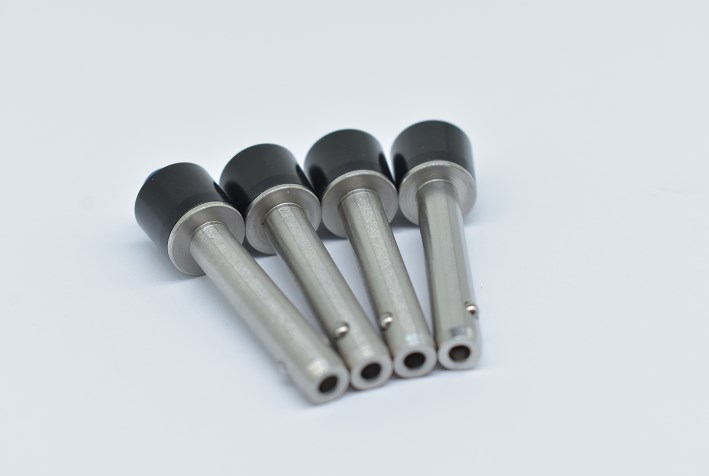
Common metal heat treatment methods include quenching, tempering, annealing, and normalizing, each of which is suitable for different materials and usage requirements. For example, quenching can significantly increase the hardness of parts, while tempering can improve toughness while maintaining strength, preventing parts from becoming brittle and cracking during use.
Metal Heat Treatment Process
A complete Metal Heat Treatment process typically includes the following steps:
Heating stage: Heat the metal to a specific temperature to initiate structural changes. Heating rate and temperature must be strictly controlled to prevent surface overheating or oxidation.
Holding stage: Maintain the temperature for a certain period to allow structural changes to fully develop. Holding time depends on the type of metal and part dimensions.
Cooling Stage: Select rapid cooling (e.g., oil quenching, liquid quenching) or slow cooling (e.g., furnace cooling, air cooling) based on requirements to achieve the desired microstructure and properties.
This precisely controlled process ensures that metal parts achieve high strength while maintaining necessary toughness and stability, providing a solid foundation for subsequent machining and use.
Mocayo's Quick Release Locking Pins
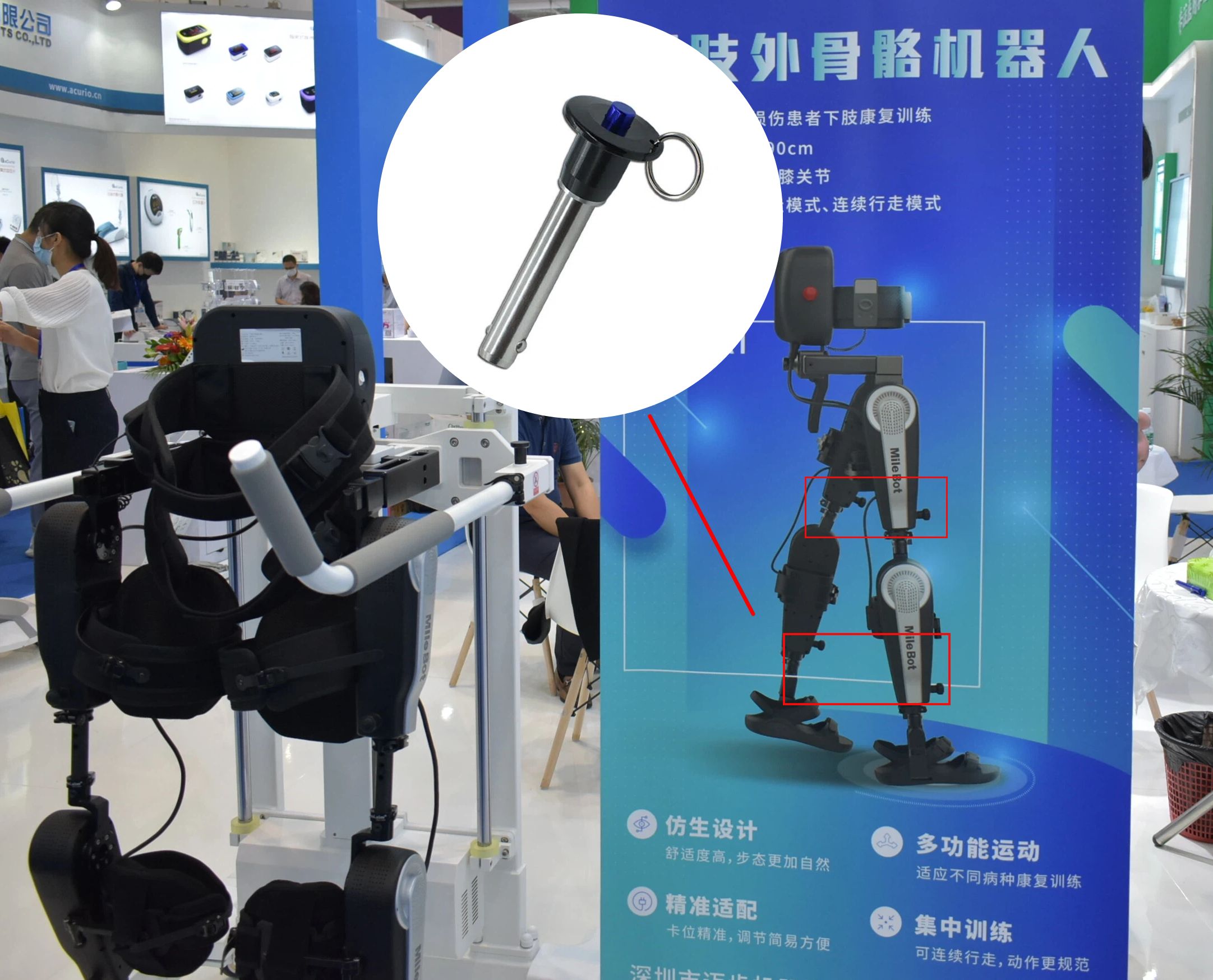
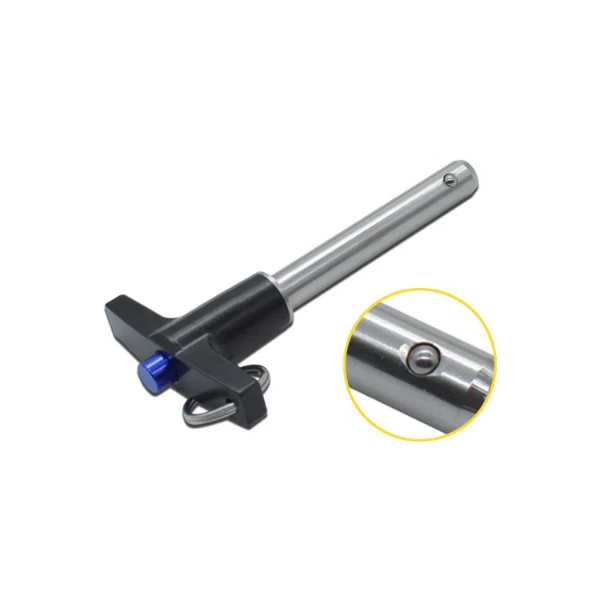
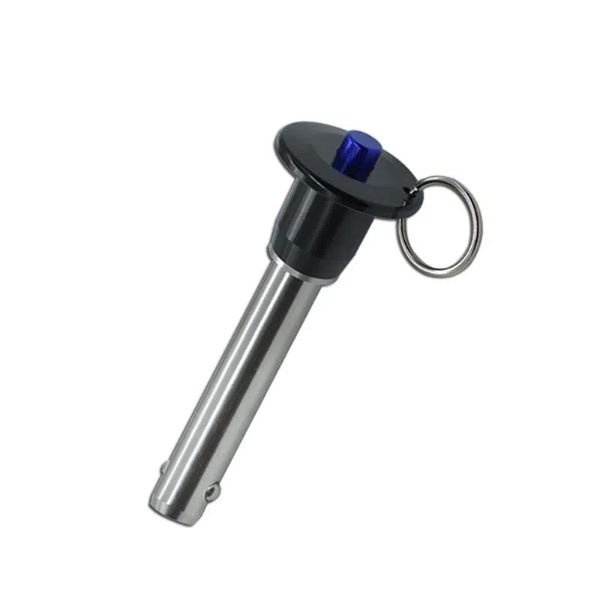
Mocayo specializes in the research, development, and manufacturing of high-precision mechanical connections and quick-release systems, with quick release locking pins being one of its core products. This product enables rapid locking and release of mechanical components through simple operation, and is widely used in industrial manufacturing, automated equipment, mold replacement, CNC tooling fixtures, and other fields.
The structure of quick release locking pins typically includes:
- Pin body: Bears the main mechanical load, requiring high strength and wear resistance.
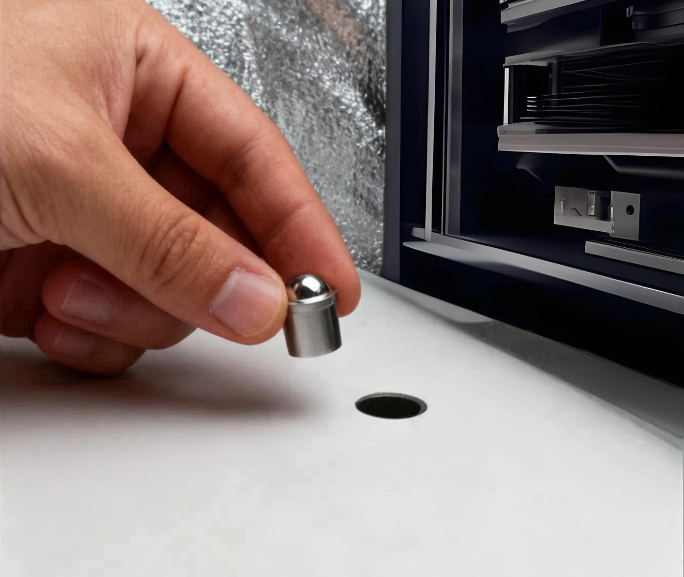
- Locking mechanism: Typically a spring or ball bearing structure, ensuring the pin remains securely locked during use.
- Operating components: Facilitating manual or mechanical quick operation to enhance production efficiency.
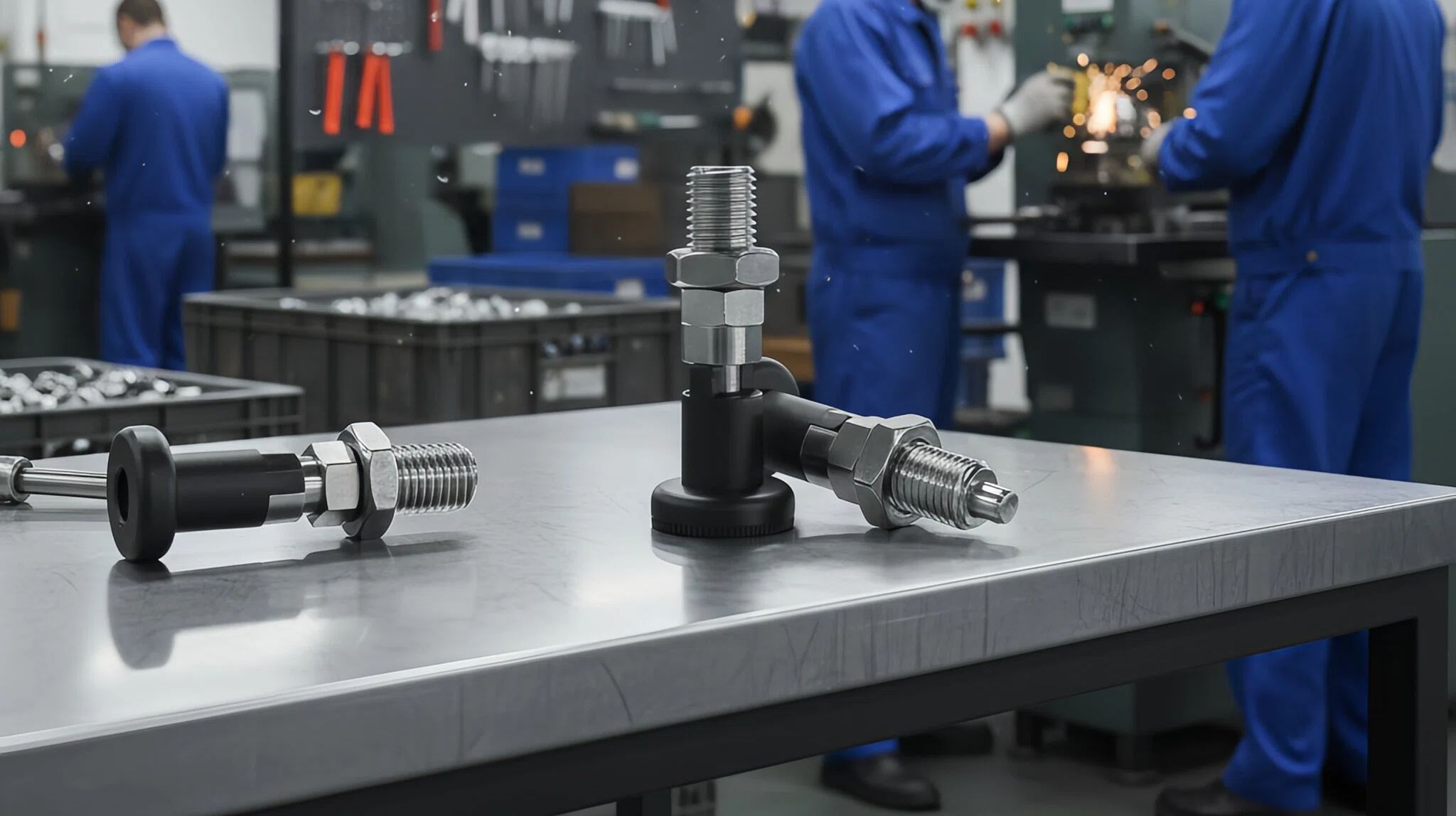
All Mocayo quick release locking pins are made from high-quality steel and undergo rigorous metal heat treatment processes to ensure stable performance even under high-frequency, high-load conditions.
The Role of Heat Treatment in Quick Release Locking Pins
Metal Heat Treatment enhances the performance of quick release locking pins in multiple ways:
Improved Surface Hardness
After heat treatment, the surface hardness of the pins significantly increases, reducing wear and extending service life.
After heat treatment, the surface hardness of the pins significantly increases, reducing wear and extending service life.
Enhanced Strength and Load-Bearing Capacity
Through processes such as quenching and tempering, the pins' strength is enhanced, enabling them to withstand greater axial and lateral loads.
Through processes such as quenching and tempering, the pins' strength is enhanced, enabling them to withstand greater axial and lateral loads.
Improved Toughness and Fatigue Life
The tempering process reduces the brittleness of the metal, making quick release locking pins less prone to fracture during repeated operations.
The tempering process reduces the brittleness of the metal, making quick release locking pins less prone to fracture during repeated operations.
Enhanced Dimensional Stability
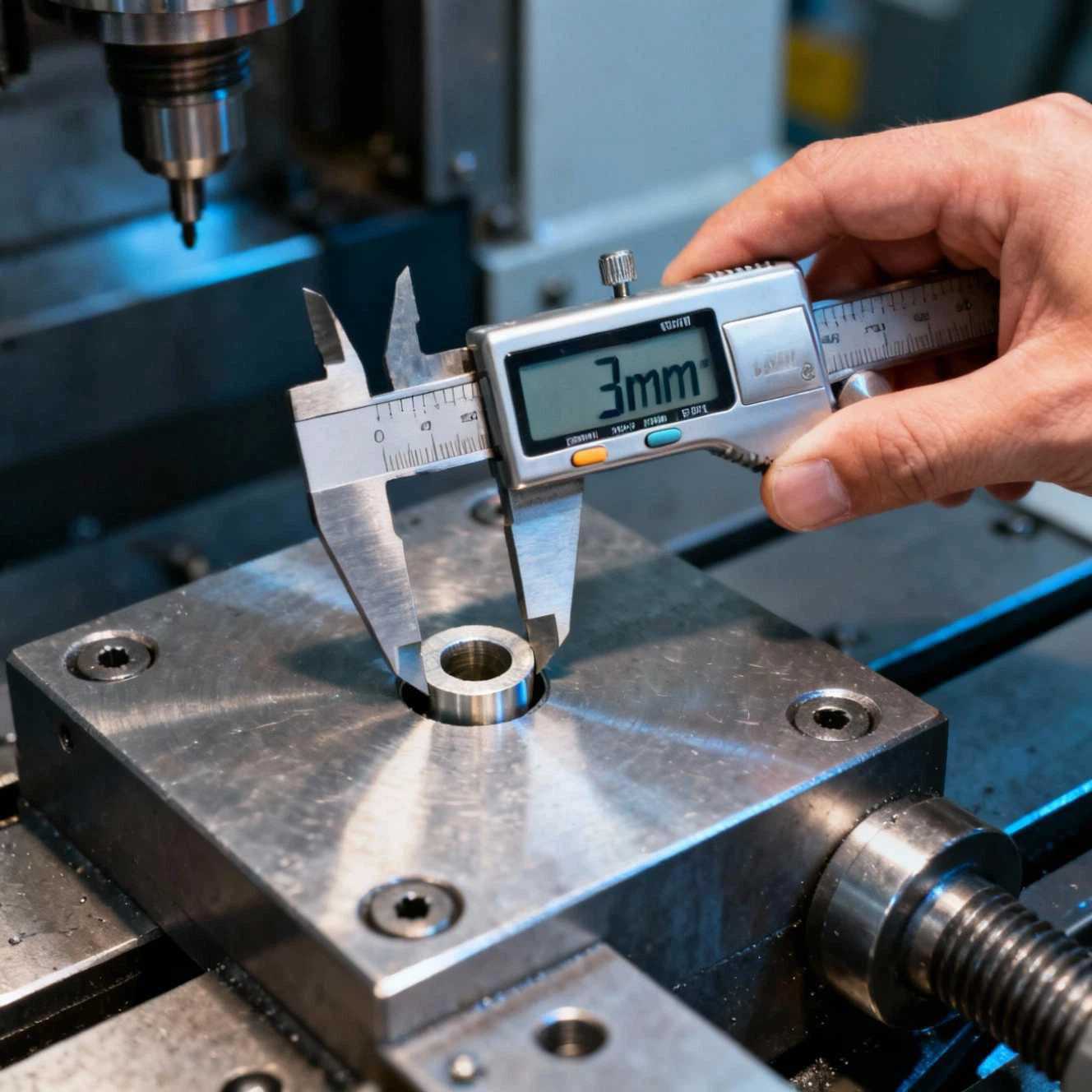
Heat treatment processes reduce internal stress, preventing part deformation during use and maintaining precise fit.
Heat treatment processes reduce internal stress, preventing part deformation during use and maintaining precise fit.
It is precisely this targeted heat treatment process that makes Mocayo's quick release locking pins highly favored in high-demand industries such as aviation, rail transportation, and automated production. Premium quick release locking pins with advanced metal heat treatment for reliable, repeatable, and safe mechanical fastening.
How To Clean Brass
Heat Treatment