Mini Indexing Plungers Manual
Mini Indexing Plungers Manual
Table of Contents
Composition & Function | How It Works | Installation & Operation | Typical Applications | Selection Guide | FAQ
Composition & Function | How It Works | Installation & Operation | Typical Applications | Selection Guide | FAQ
In modern mechanical manufacturing and equipment assembly, the precision and reliability of positioning components directly impact overall operational stability and service life. Mini Indexing Plungers, as compact and user-friendly positioning devices, have gained widespread adoption across various machinery, tooling fixtures, and automation systems due to their outstanding functionality and high adaptability.


Mini Indexing Plungers: Composition & Function
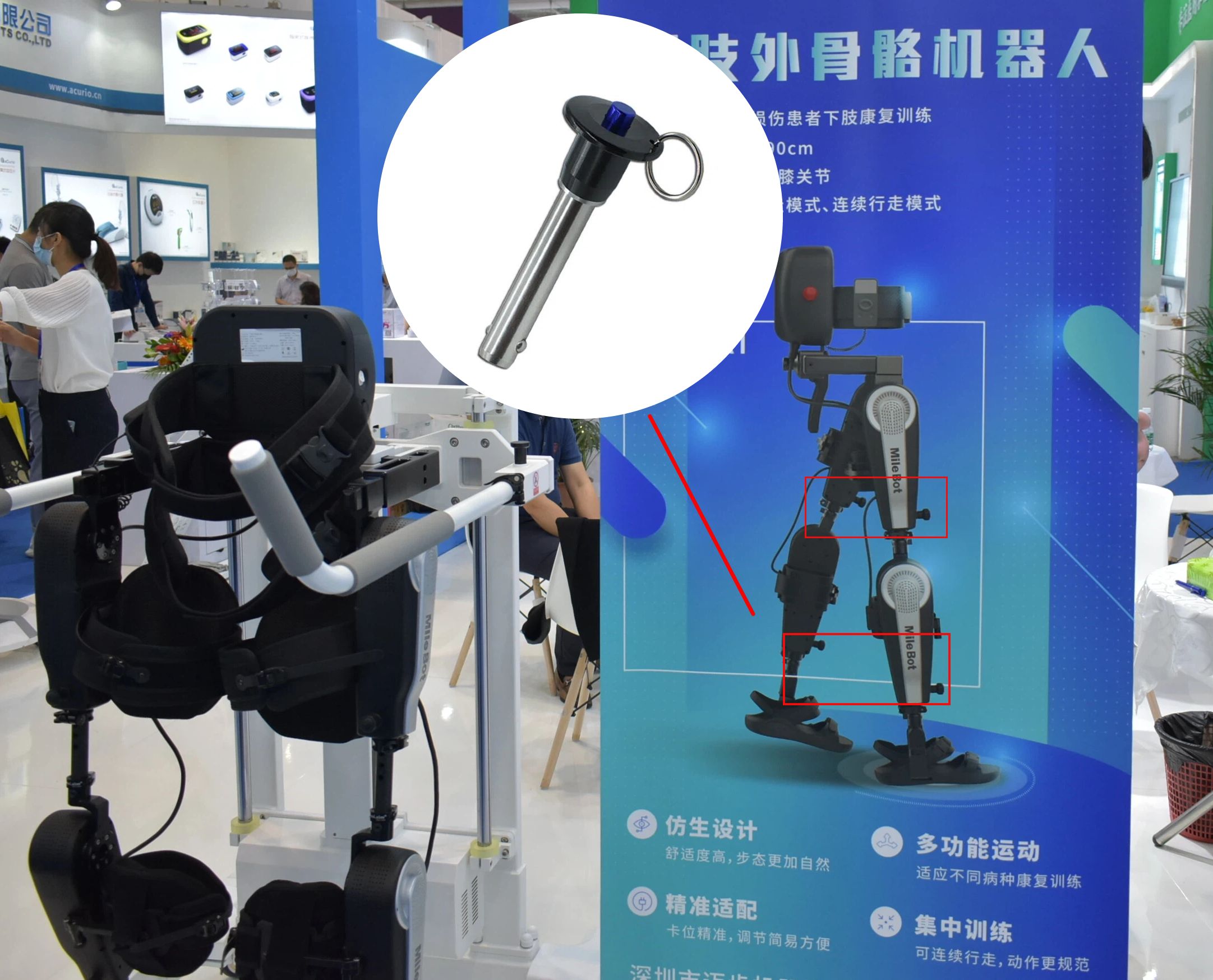
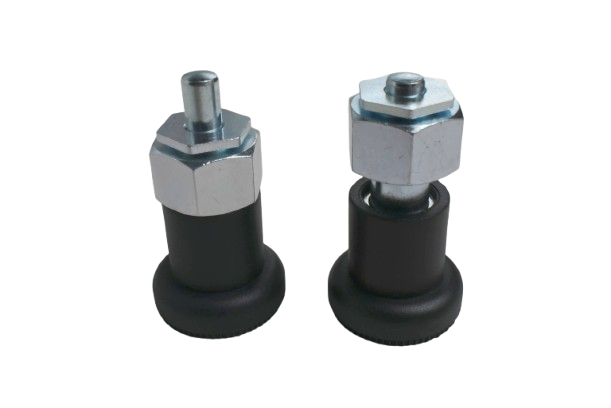
Mini Indexing Plungers are spring-driven positioning devices designed to achieve precise positioning and rapid separation of mechanical components. Compared to standard-sized Indexing Plungers, the mini version features a more compact structure, making it ideal for equipment with limited installation space or high precision requirements.
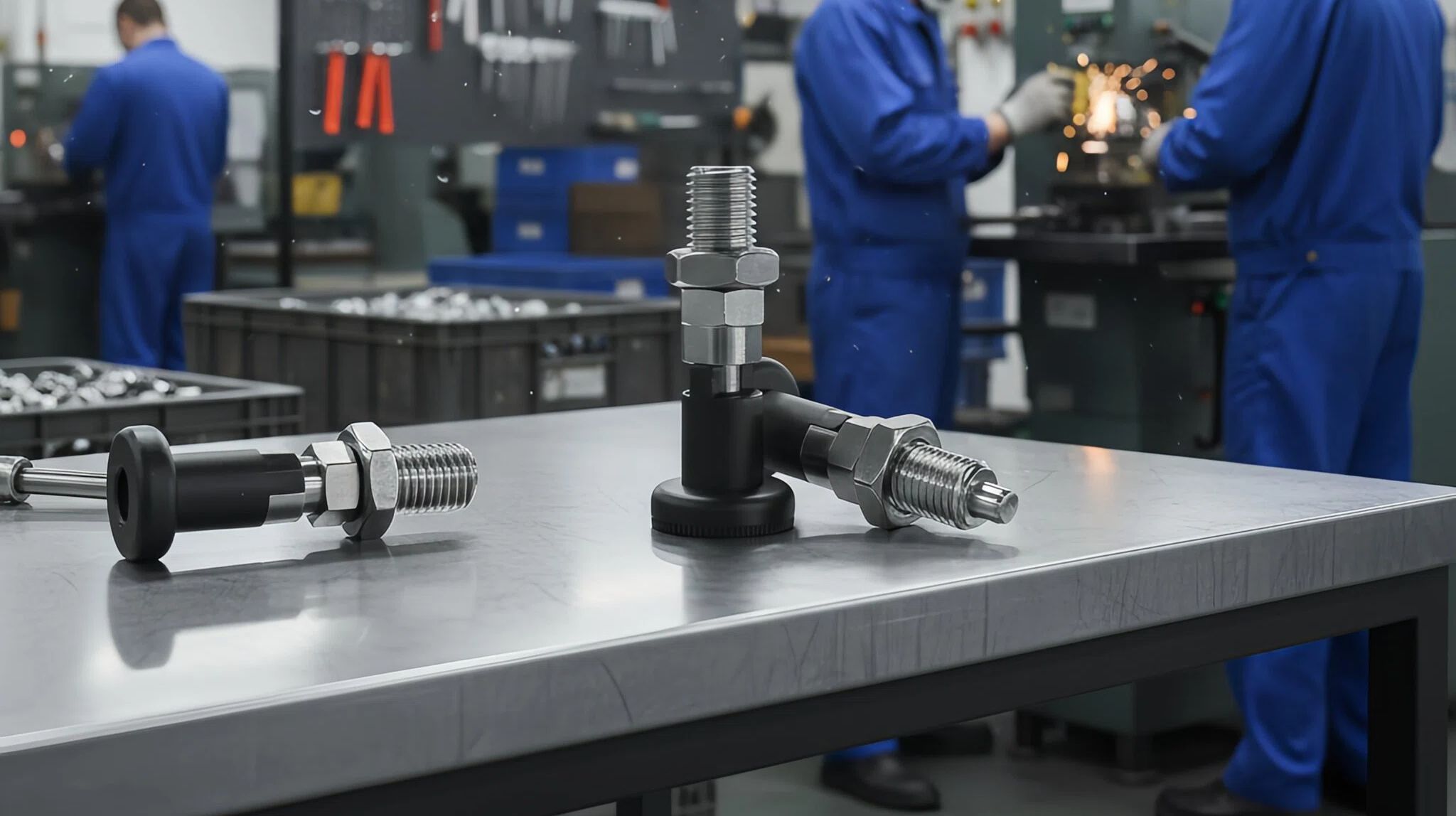
The primary components include a threaded body, a locking pin, a spring, and an operating knob. Pulling the knob disengages the locking pin from the positioning hole, unlocking the mechanism. Upon release, the spring automatically returns the pin to its original position, restoring the lock. This simple yet efficient design enables Mini Indexing Plungers to deliver outstanding performance across diverse industrial applications.
Mini Indexing Plungers are spring-driven positioning devices designed to achieve precise positioning and rapid separation of mechanical components. Compared to standard-sized Indexing Plungers, the mini version features a more compact structure, making it ideal for equipment with limited installation space or high precision requirements.
The primary components include a threaded body, a locking pin, a spring, and an operating knob. Pulling the knob disengages the locking pin from the positioning hole, unlocking the mechanism. Upon release, the spring automatically returns the pin to its original position, restoring the lock. This simple yet efficient design enables Mini Indexing Plungers to deliver outstanding performance across diverse industrial applications.
How Mini Indexing Plungers Work
The operating principle of Mini Indexing Plungers is remarkably simple yet highly efficient. Under normal conditions, an internal spring maintains the locking pin in an extended position, securing the mechanical component. When movement or position adjustment is required, simply pull up the operating head to retract the locking pin, allowing the mechanical component to slide or rotate freely. Upon releasing the operating head, the spring immediately pushes the locking pin back into place, completing the repositioning.
The operating principle of Mini Indexing Plungers is remarkably simple yet highly efficient. Under normal conditions, an internal spring maintains the locking pin in an extended position, securing the mechanical component. When movement or position adjustment is required, simply pull up the operating head to retract the locking pin, allowing the mechanical component to slide or rotate freely. Upon releasing the operating head, the spring immediately pushes the locking pin back into place, completing the repositioning.
Installation & Operation Precautions
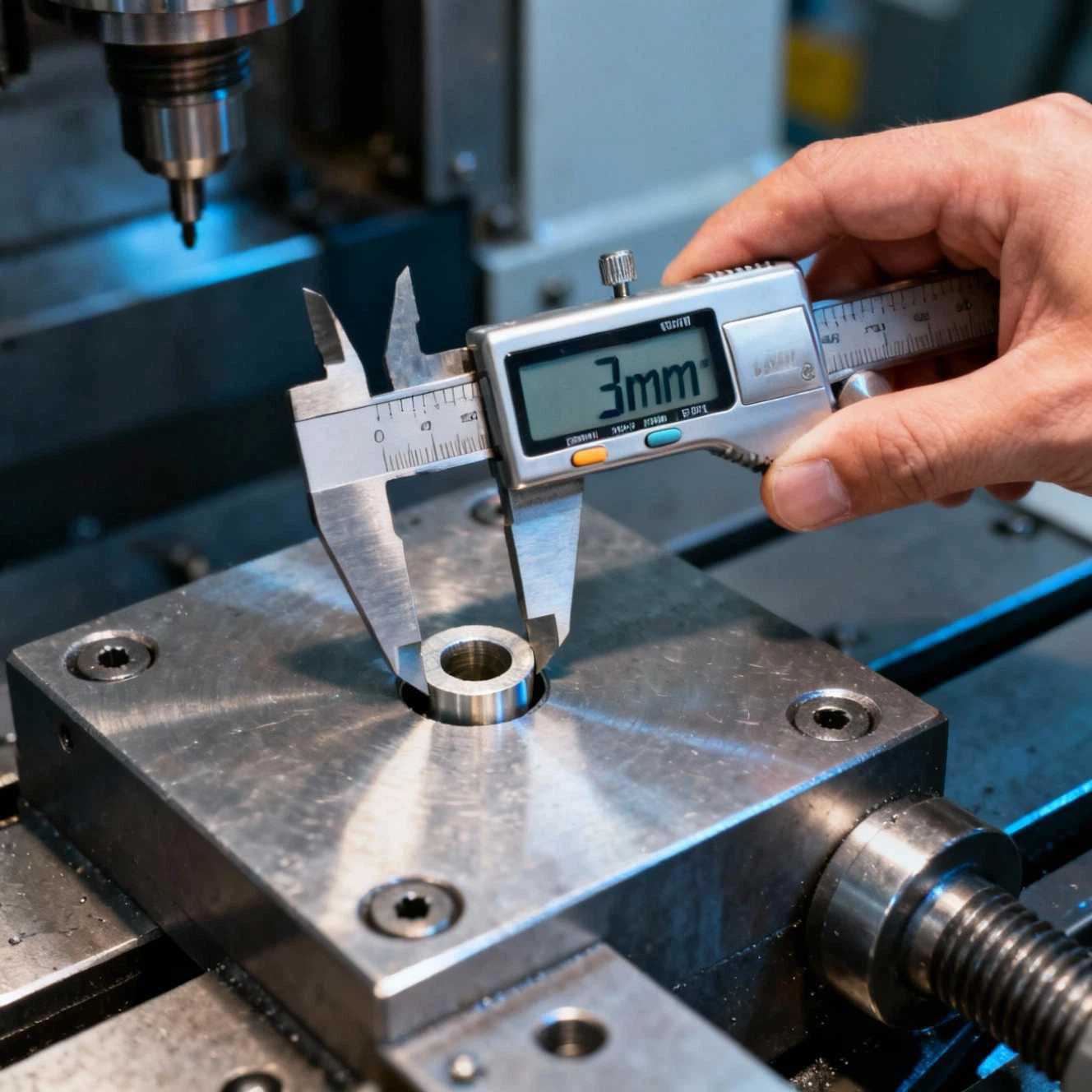
When installing Mini Indexing Plungers, ensure compatibility with the actual equipment structure and available space. Generally, thread specifications and mounting hole diameters must precisely match to guarantee smooth, unobstructed extension and retraction of the locking pins.
Avoid pulling or rotating under load during operation to prevent damage to the internal spring. Additionally, regular lubrication during maintenance is recommended to ensure smooth movement of the spring and locking pin components, thereby extending product lifespan.
Material selection during product selection should also consider the specific operating environment:
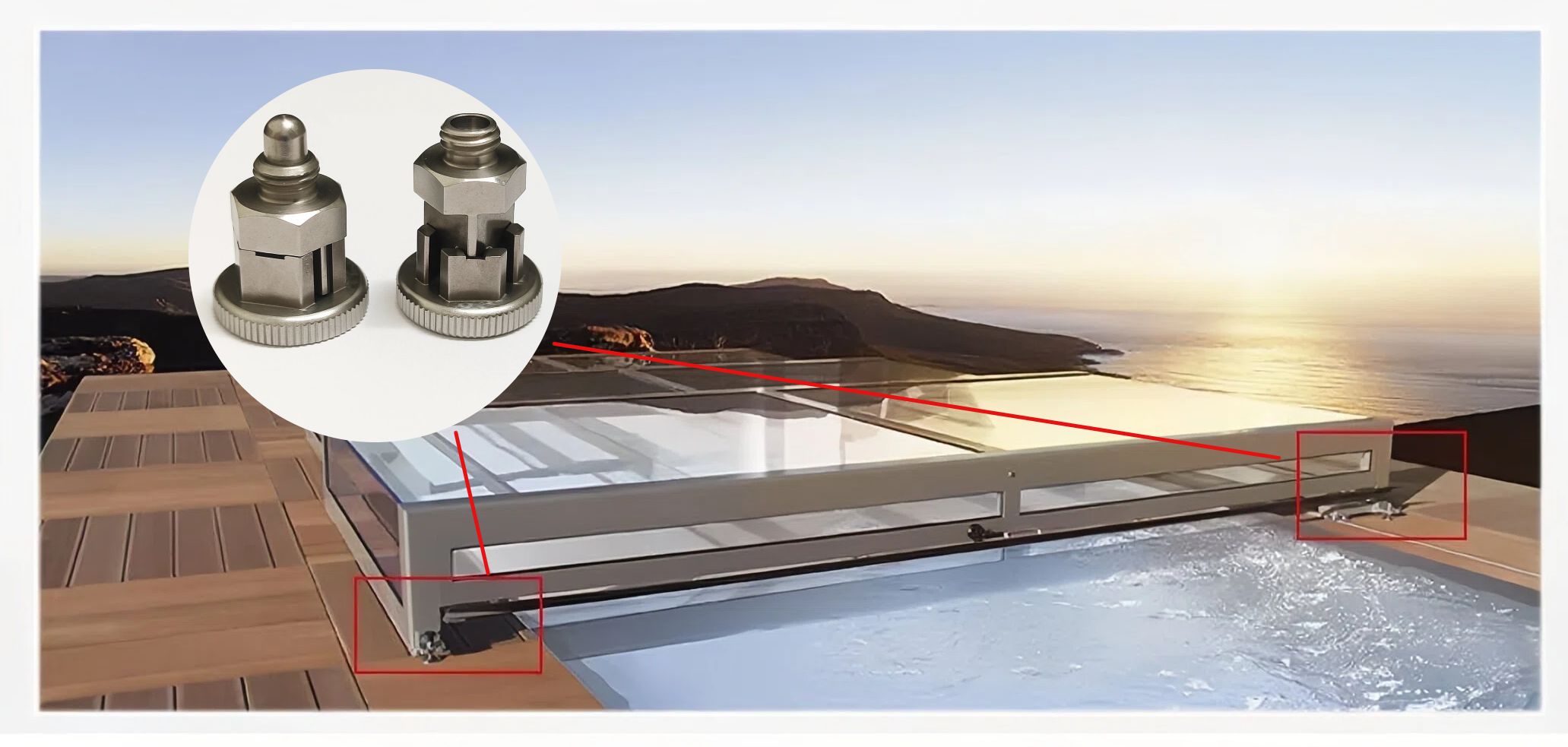
For equipment exposed to prolonged outdoor or humid conditions, stainless steel is recommended for its superior rust resistance and corrosion protection.
For lightweight equipment or applications requiring aesthetic appeal, models with plastic operating heads offer both visual appeal and reduced weight.
When installing Mini Indexing Plungers, ensure compatibility with the actual equipment structure and available space. Generally, thread specifications and mounting hole diameters must precisely match to guarantee smooth, unobstructed extension and retraction of the locking pins.
Avoid pulling or rotating under load during operation to prevent damage to the internal spring. Additionally, regular lubrication during maintenance is recommended to ensure smooth movement of the spring and locking pin components, thereby extending product lifespan.
Material selection during product selection should also consider the specific operating environment:
For equipment exposed to prolonged outdoor or humid conditions, stainless steel is recommended for its superior rust resistance and corrosion protection.
For lightweight equipment or applications requiring aesthetic appeal, models with plastic operating heads offer both visual appeal and reduced weight.

Typical Applications of Mini Indexing Plungers
1. Mechanical Equipment Sector
In automated machinery, Mini Indexing Plungers enable precise positioning of movable components, ensuring consistent repeatability across motion units during state transitions. Their compact size allows flexible installation in various limiting or adjustment positions.
2. Fixture Systems
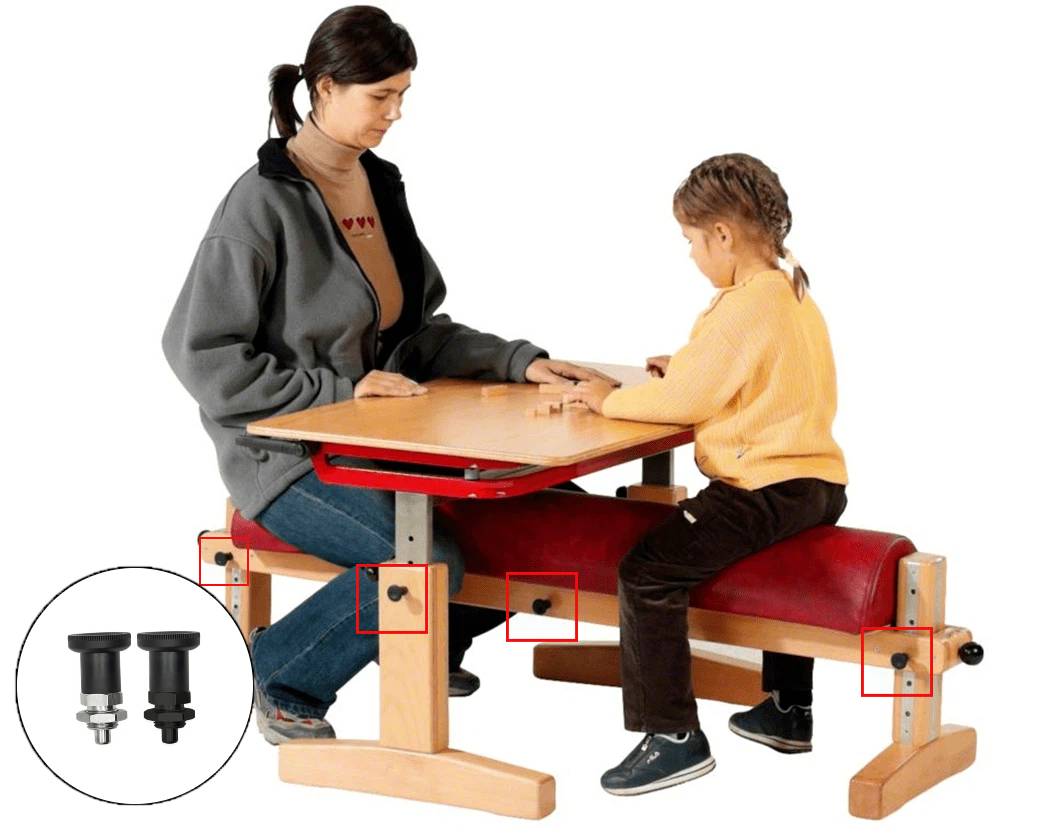
Within tooling fixtures, these positioning pins enable rapid assembly/disassembly and repeatable repositioning, enhancing operational efficiency. Models with stainless steel bodies are better suited for industrial fixtures demanding high precision and strength, while variants featuring plastic pull knobs offer lightweight operation ideal for manually adjustable fixtures.
3. Instrumentation and Electronic Equipment
In precision instruments, Mini Indexing Plungers serve structural limiting, panel adjustment, or component switching functions. Their compact form factor preserves overall equipment layout while delivering stable, reliable locking performance.
4. Automated Production Lines
Frequent component repositioning or fixture changes are common in automated equipment. Mini Indexing Plungers enable rapid execution of these operations, ensuring production continuity and precision.
1. Mechanical Equipment Sector
In automated machinery, Mini Indexing Plungers enable precise positioning of movable components, ensuring consistent repeatability across motion units during state transitions. Their compact size allows flexible installation in various limiting or adjustment positions.
2. Fixture Systems
Within tooling fixtures, these positioning pins enable rapid assembly/disassembly and repeatable repositioning, enhancing operational efficiency. Models with stainless steel bodies are better suited for industrial fixtures demanding high precision and strength, while variants featuring plastic pull knobs offer lightweight operation ideal for manually adjustable fixtures.
3. Instrumentation and Electronic Equipment
In precision instruments, Mini Indexing Plungers serve structural limiting, panel adjustment, or component switching functions. Their compact form factor preserves overall equipment layout while delivering stable, reliable locking performance.
4. Automated Production Lines
Frequent component repositioning or fixture changes are common in automated equipment. Mini Indexing Plungers enable rapid execution of these operations, ensuring production continuity and precision.
When selecting suitable Mini Indexing Plungers, the following aspects should be prioritized:
Space constraints: Mini configurations better accommodate compact equipment.
Material requirements: Stainless steel is recommended for humid or high-stress environments; models with plastic heads may be selected for light-load or manual operation scenarios.
Spring strength and pin diameter matching: Different equipment necessitates varying positioning forces and pin sizes.
Space constraints: Mini configurations better accommodate compact equipment.
Material requirements: Stainless steel is recommended for humid or high-stress environments; models with plastic heads may be selected for light-load or manual operation scenarios.
Spring strength and pin diameter matching: Different equipment necessitates varying positioning forces and pin sizes.
FAQ
Q: What's the differences between mini indexing plungers & standard indexing plungers?
A: The primary difference between Mini Indexing Plungers and standard models lies in their dimensions and intended applications. The Mini version features a more compact design, making it suitable for equipment with limited space or requiring precise positioning, such as instrumentation and automated fixtures. In contrast, the standard model is larger in size and offers greater load capacity, making it ideal for industrial machinery or heavy-duty positioning tasks. The former typically features a stainless steel body paired with a plastic pull knob, balancing lightweight construction with ease of operation. The latter usually employs an all-metal structure, emphasizing strength and durability. Simply put, the Mini prioritizes "compactness and precision," while the Standard emphasizes "sturdiness and high strength."
Q: What's the MOQ for the mini indexing plungers?
A: 100-200
Q: How to choose the suitable material for the mini indexing plungers?
A: The material selection for Mini Indexing Plungers should be based on a comprehensive assessment of the operating environment and functional requirements: For use in humid or corrosive environments, stainless steel is recommended for its rust resistance and wear durability.
When prioritizing lightweight design and comfortable operation, a stainless steel composite model with a plastic pull knob is suitable.
In high-strength or high-temperature applications, an carbon steel offers greater stability and reliability. Proper material selection ensures product durability and positioning accuracy. Mini indexing plungers featuring plastic knob and stainless steel body are perfect for reliable, heavy-duty applications.
What Are The Applications For Long Return Index Plunger
How To Use The Ball Lock System