Pin Lock Mechanism
Contents
Table of Contents
Pin Lock Mechanism

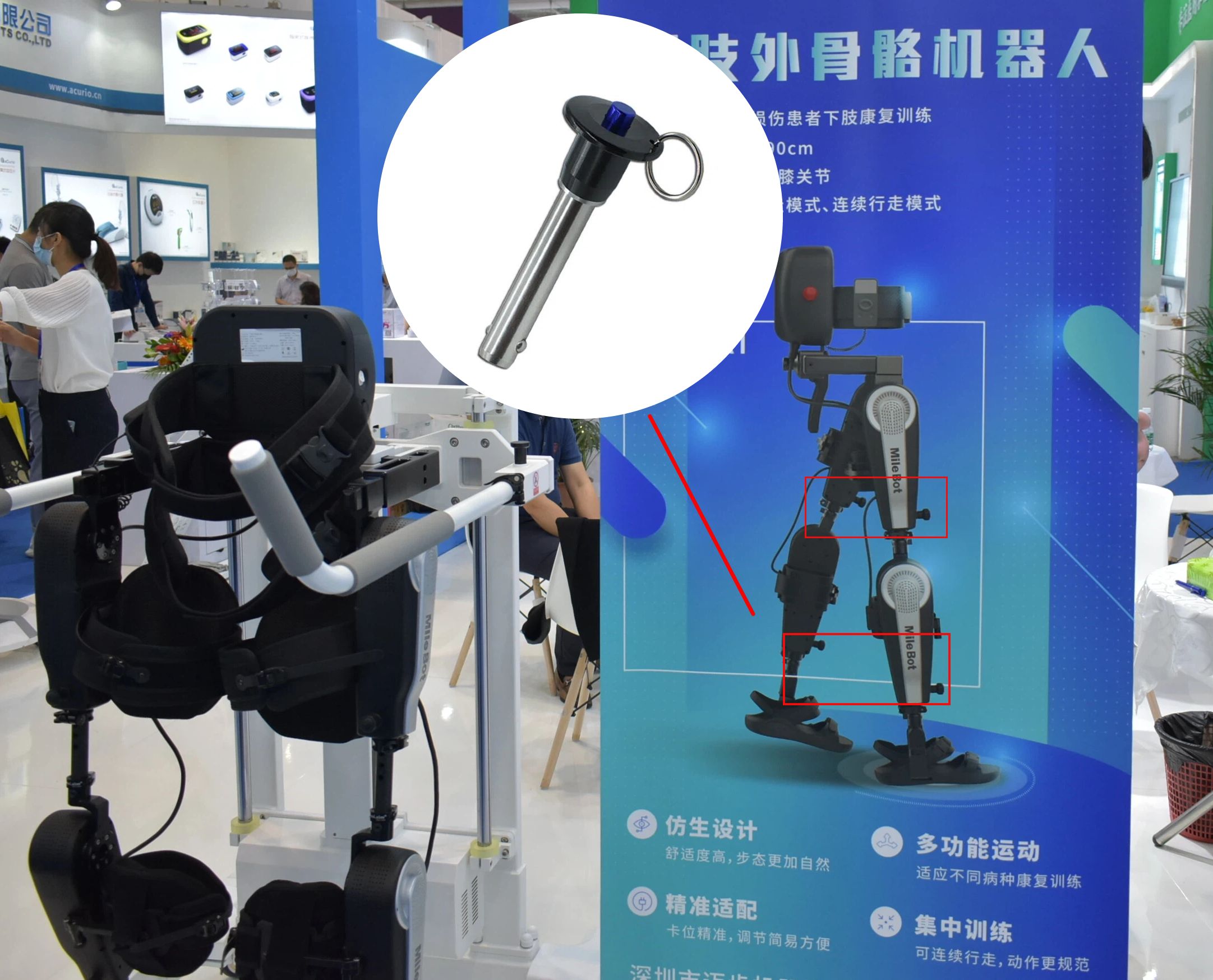
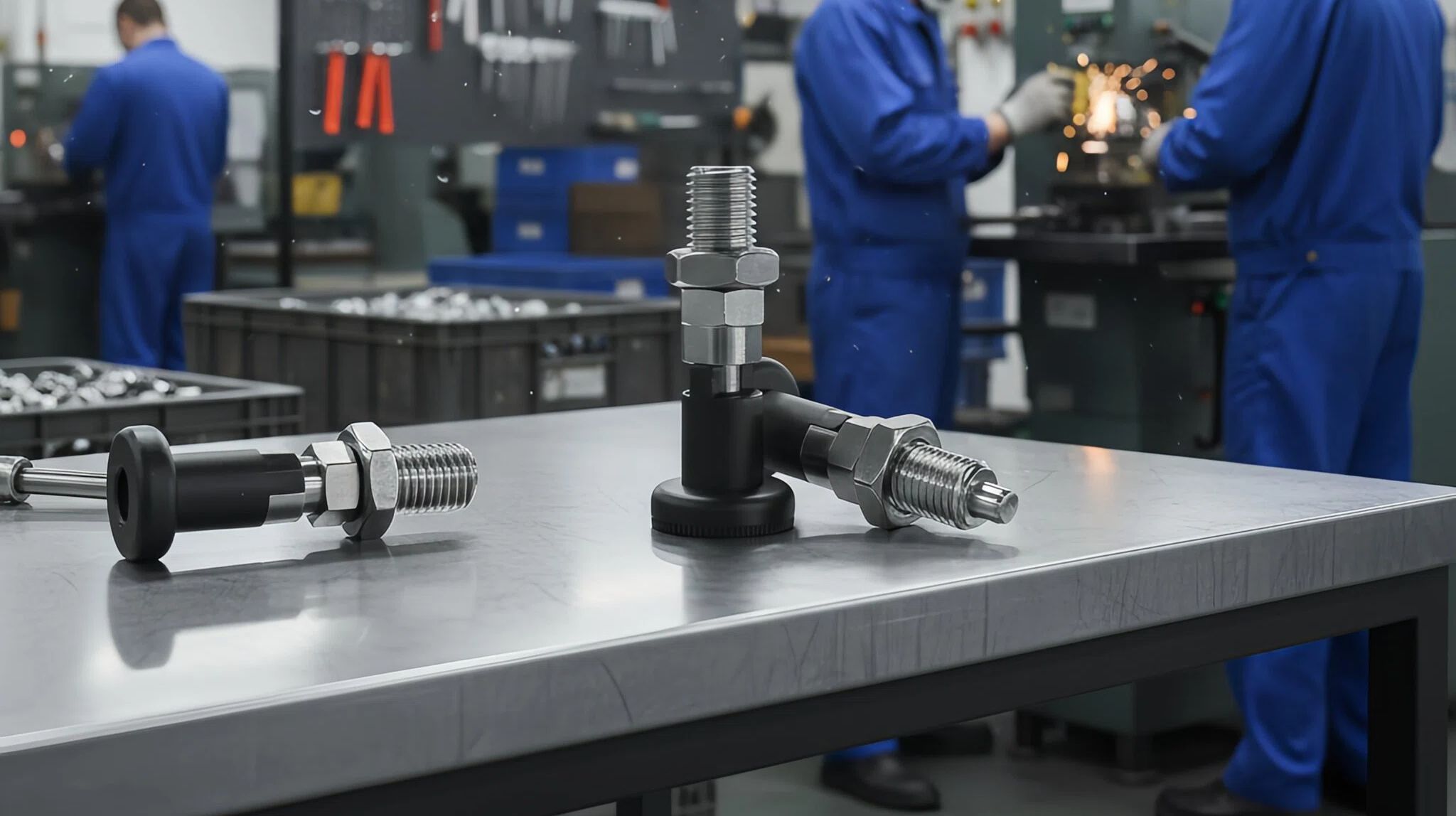
A typical pin lock mechanism consists of a pin, a locking assembly, a spring and a handle. The pin rod is usually made of strong, corrosion-resistant stainless steel (e.g., 304 or 316) to ensure stable performance during frequent operation and in harsh environments. The spring is responsible for providing a constant locking force to ensure that the pin will not come loose under vibration or high load conditions. The handles are designed for different scenarios to enhance ease of operation and comfort.
In order to meet the needs of different scenarios, the quick release pin has various handle designs:
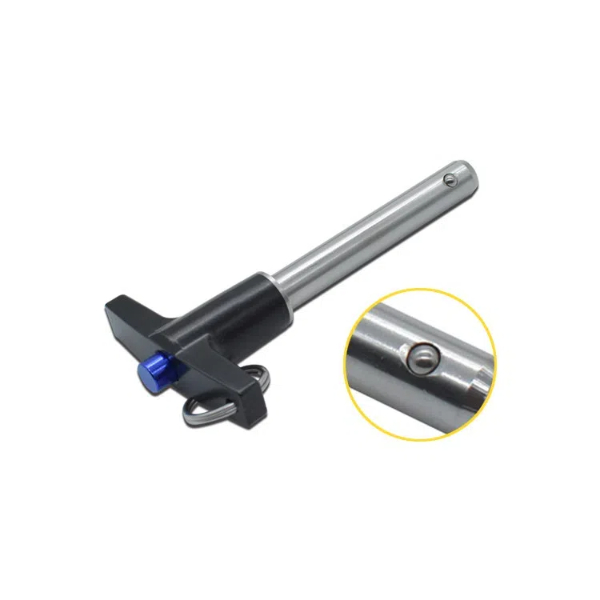

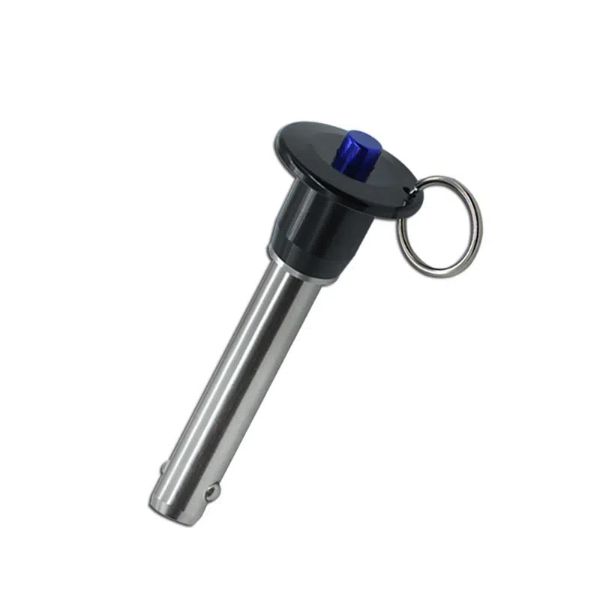
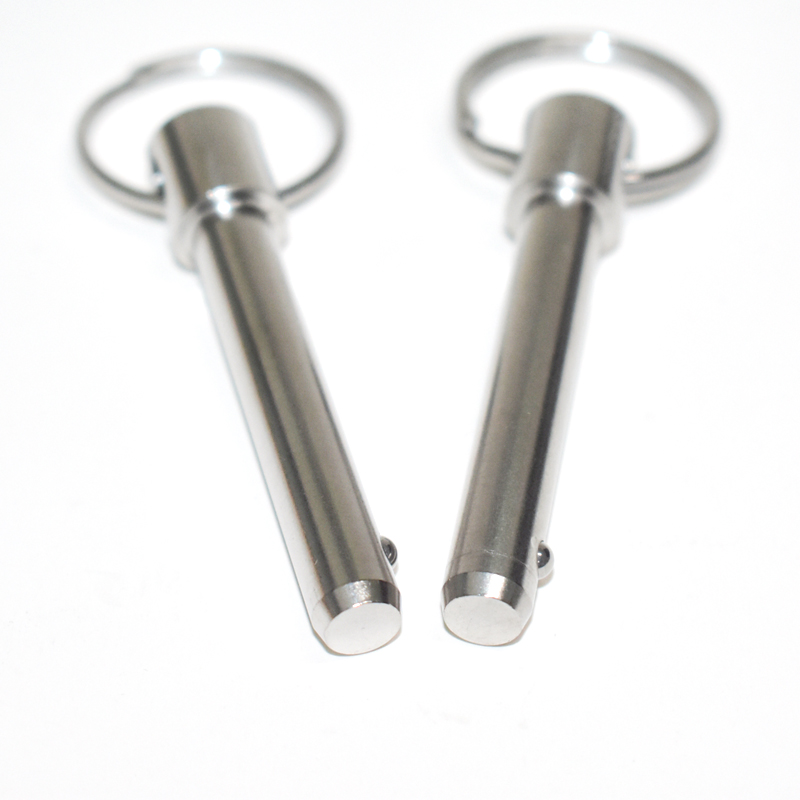
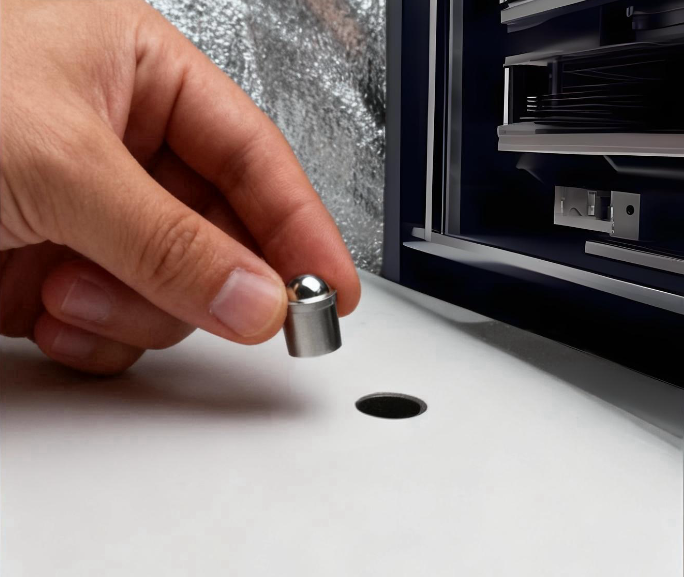
The core principle of the quick release pin relies on the coordinated action of an internal spring and a locking ball to achieve rapid locking and release. When the pin is inserted into the locating hole, the locking ball expands outward under spring pressure to grip the hole wall, forming a secure locking state. Pulling or pressing the handle causes the locking ball to retract into the pin shaft, instantly releasing the entire pin lock mechanism for simple and swift disassembly. This design ensures efficient and safe operation, eliminating the need for cumbersome threaded connections or additional tools.
Aerospace Equipment: Used in ground stands and maintenance fixtures to ensure rapid and reliable assembly.
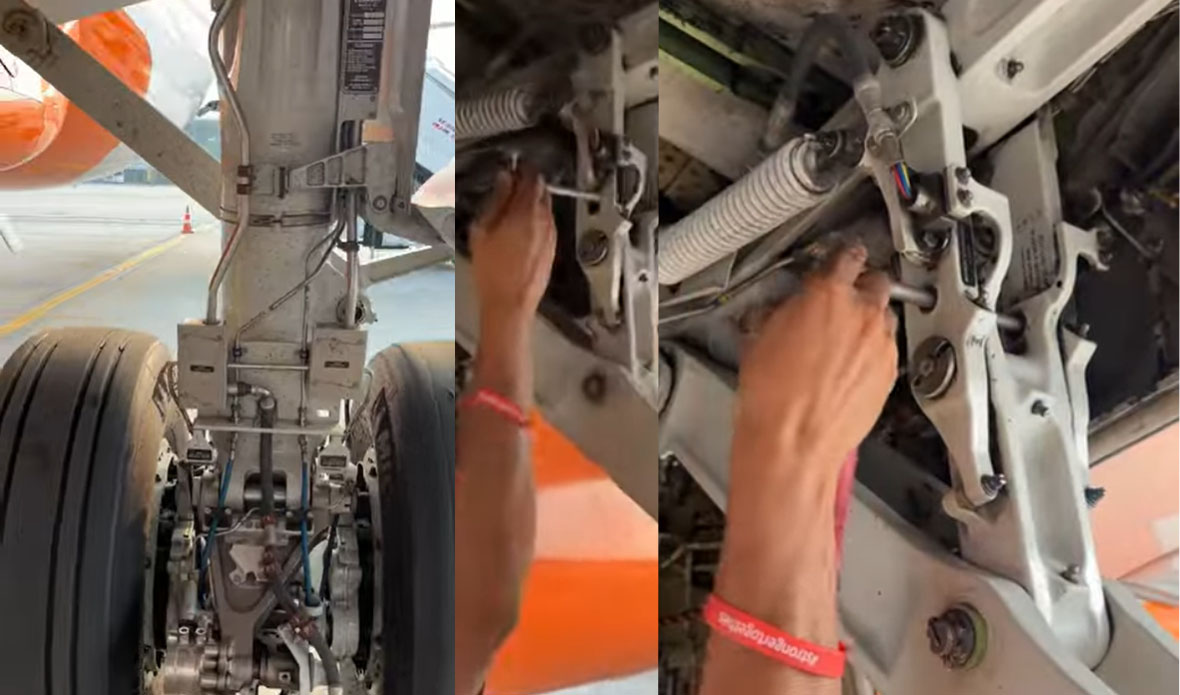
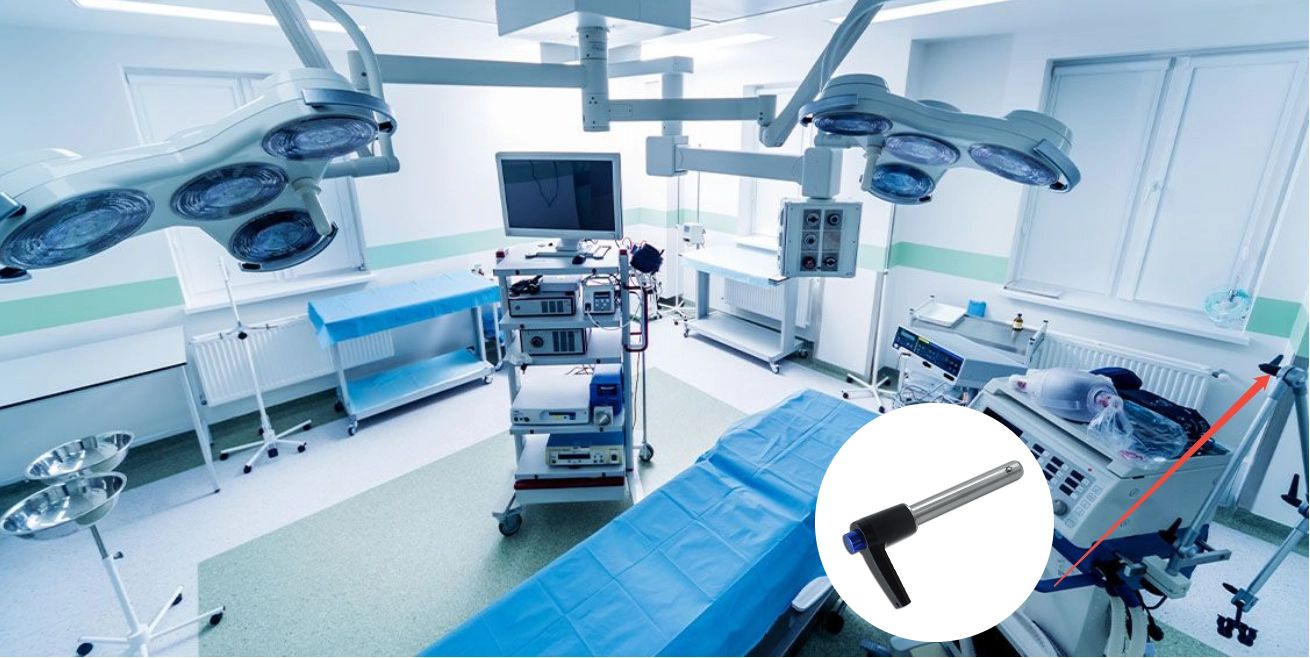

When purchasing quick release pin, you should focus on the following aspects:
1. Size & specs: diameter and length should be matched with the assembly hole to ensure a firm connection.
2. Material: Stainless steel 304 or stainless steel 316 is suitable for environments that require corrosion resistance; carbon steel can be used in general mechanical scenarios.
3. Handle type: choose the appropriate handle design according to space limitation and operation frequency.
4. Surface treatment: such as anodised or polished, which can enhance rust resistance and appearance quality.
Quick release pins with a high-strength pin lock mechanism ensure easy operation and dependable hold in demanding applications.
FAQ:
Q: How to determine what size and material is needed?
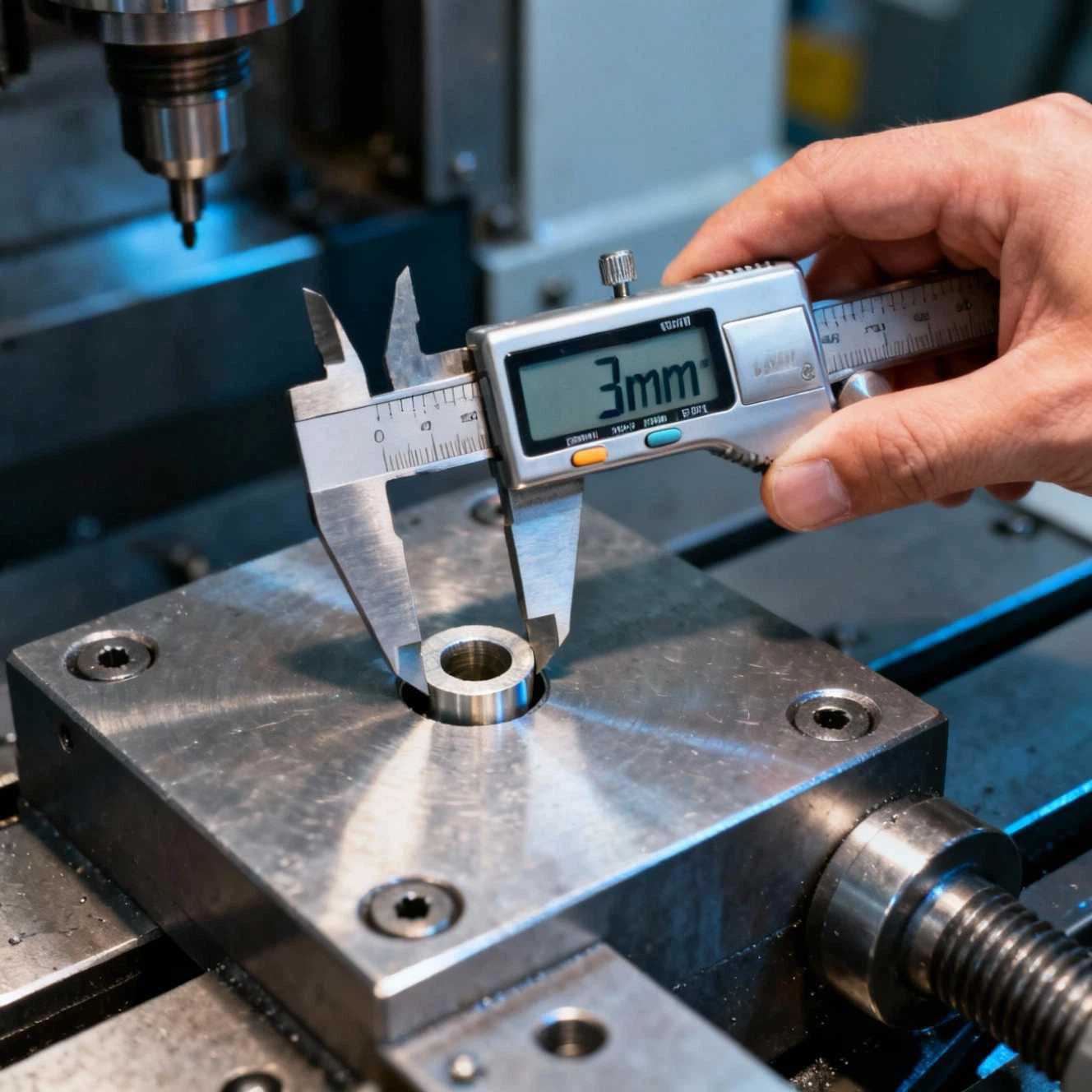
A: You can use the electric ruler to measure the diameter of the hole that you're going to insert with the pin. Select an effective clamping length of 1-2 mm longer than the total thickness to ensure that the ball is fully deployed and locked.
Force reference:
- Light loads (e.g. medical equipment panels, tool carts): 4-6 mm
- Medium load (e.g. airline seats, mechanical parts): 8-12 mm
- Heavy loads (e.g. construction, ships): ≥16 mm
Other key parameters:
- Handle design: T-shape, L-shape, push-button type, ring pull ring - depends on operating frequency and space.
- Surface treatment: anodised, black oxidised, nickel plated when higher wear resistance or aesthetics are required.
- Load capacity: Confirm the maximum shear force or pulling force, avoid overloading
Q: What's the MOQ of quick release pin?
A: Our MOQ is usually 100 pcs. Samples are available in stock. Please email us what specs do you need so we can give you an accurate quote.
How Does Indexing Plunger Work
Push Button Release Mechanism