Ball Lock Vs Pin Lock
Ball Lock Vs Pin Lock: Choosing the Right Quick-Release Mechanism
Quick-release mechanisms are essential components in various industries, enabling fast and secure connections for equipment, machinery, and structures. Two of the most commonly used mechanisms are ball locks and pin locks. While both serve similar purposes, they differ in design, functionality, and suitability for specific applications. This article compares ball locks and pin locks to help you determine which mechanism is best suited for your needs.

1. Overview of Ball Lock and Pin Lock Mechanisms
a. Ball Lock Mechanism
-
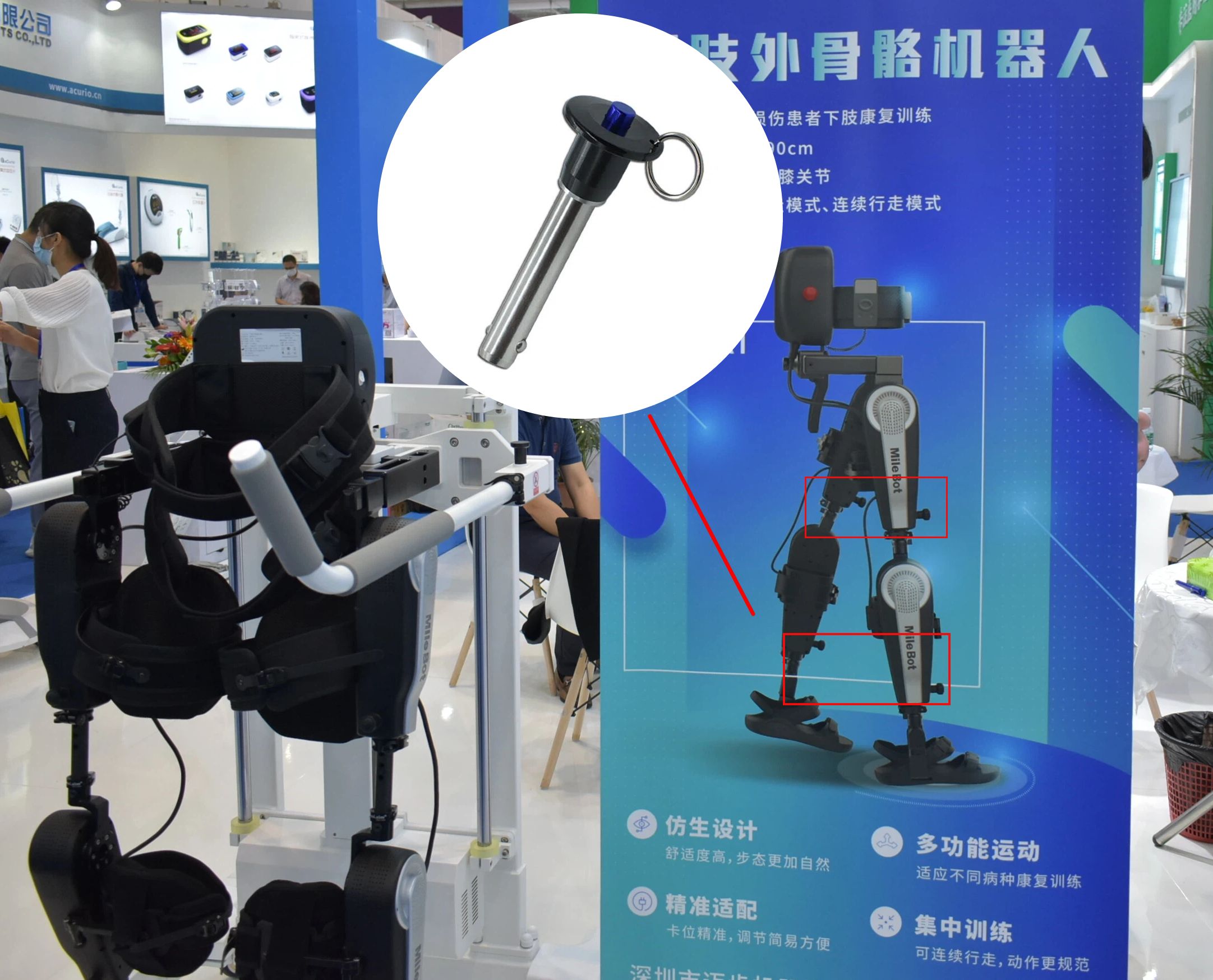
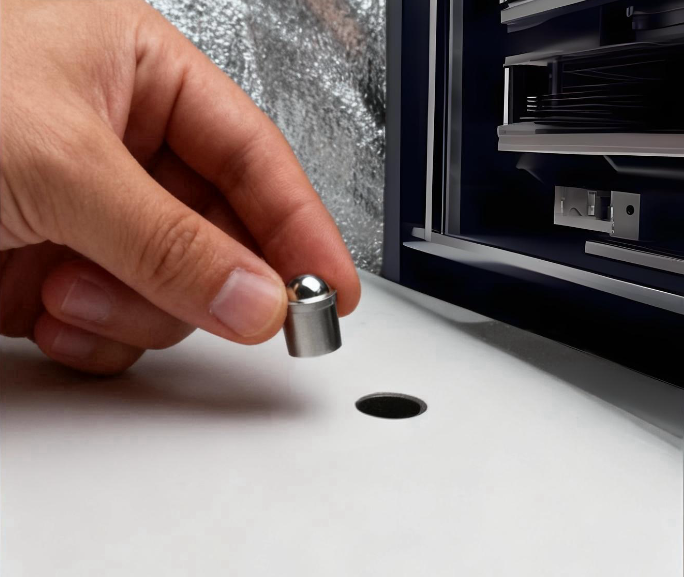
A ball lock uses spring-loaded balls that protrude from the pin’s shaft to secure it in place.
-
When the pin is inserted into a hole, the balls retract and then expand into a recess, locking the pin automatically.
-
A button or plunger is typically used to release the lock.
b. Pin Lock Mechanism
-
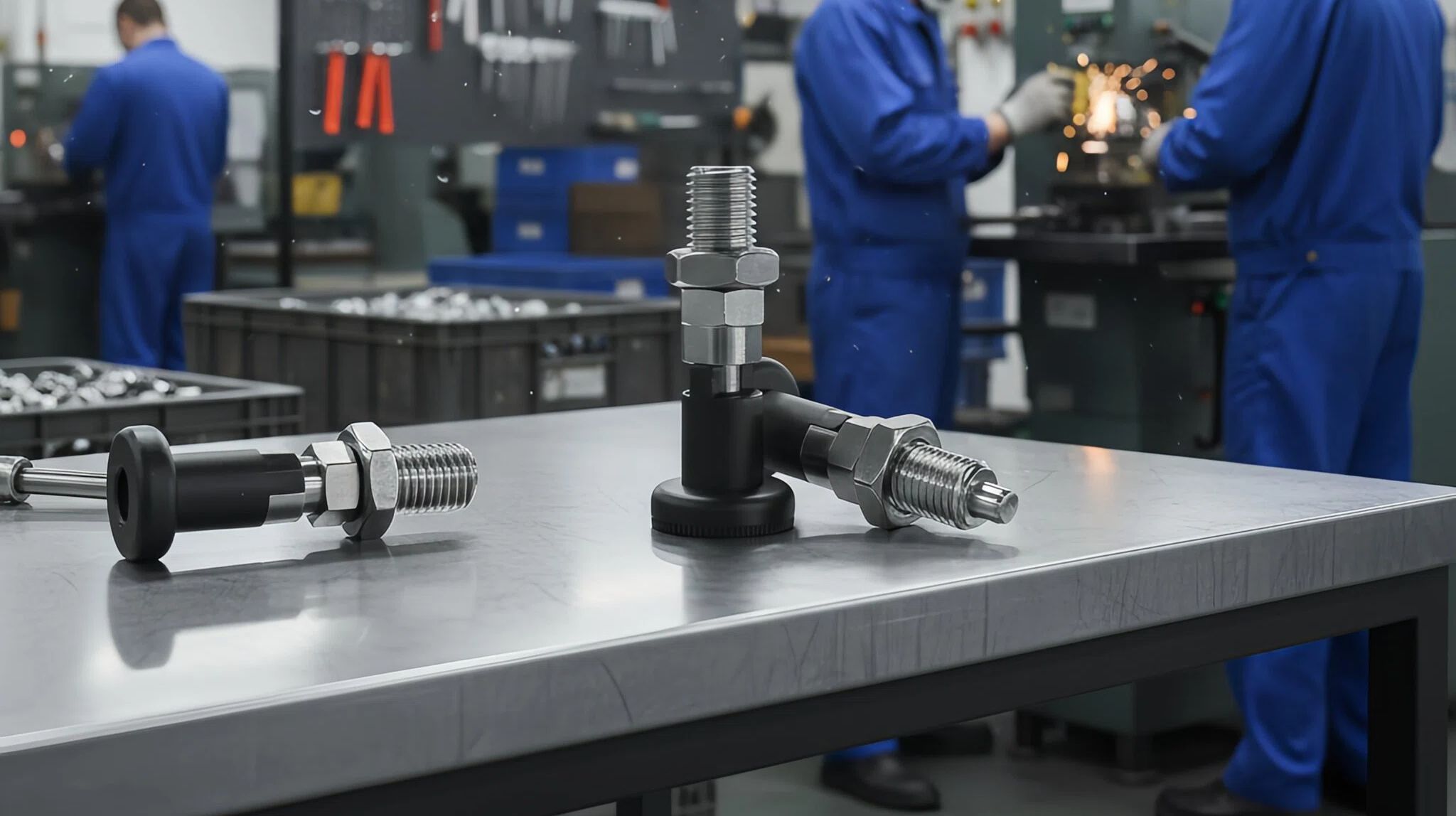
A pin lock relies on a spring-loaded plunger or a threaded collar to secure the pin.
-
The locking action often requires manual engagement, such as pulling a plunger or tightening a collar.
-
Pin locks are available in various designs, including pull-to-release and threaded types.
2. Key Differences Between Ball Lock and Pin Lock
a. Ease of Use
-
Ball Lock: Known for its simplicity and ease of use. The automatic locking action makes it quick to insert and secure.
-
Pin Lock: May require more effort to engage or disengage, especially in threaded designs.
b. Locking Security
-
Ball Lock: Provides reliable locking but may be less secure in high-vibration environments unless additional safety features (e.g., safety clips) are used.
-
Pin Lock: Offers a strong and secure hold, particularly in threaded designs, which are resistant to vibration and accidental release.
c. Durability and Wear
-
Ball Lock: The balls and springs can wear out with frequent use, but high-quality materials can mitigate this issue.
-
Pin Lock: Threaded or plunger-based designs may experience wear over time, especially in high-frequency applications.
d. Application Suitability
-
Ball Lock: Ideal for applications requiring frequent assembly and disassembly, such as fixtures, jigs, or lightweight equipment.
-
Pin Lock: Better suited for applications requiring a more permanent or tamper-resistant connection, such as structural assemblies or heavy machinery.
3. Advantages of Ball Lock Mechanisms
a. Ease of Operation
-
Ball locks are quick and easy to use, requiring minimal effort to insert, lock, and release.
b. Automatic Locking
-
The spring-loaded balls engage automatically, reducing the risk of user error.
c. Versatility
-
Ball locks are available in various sizes and configurations, making them suitable for a wide range of applications.
4. Advantages of Pin Lock Mechanisms
a. High Security
-
Threaded pin locks provide a robust and tamper-resistant connection, making them suitable for critical applications.
b. Vibration Resistance
-
Pin locks, especially threaded designs, are less likely to loosen in high-vibration environments.
c. Customization
-
Pin locks can be customized with different thread sizes, lengths, and head styles to meet specific requirements.
5. Limitations of Ball Lock Mechanisms
a. Vulnerability to Vibration
-
In high-vibration environments, ball locks may loosen over time unless additional safety features are used.
b. Wear on Balls and Springs
-
The balls and springs in ball lock mechanisms can wear out with frequent use, affecting performance.
6. Limitations of Pin Lock Mechanisms
a. Manual Engagement
-
Threaded or plunger-based pin locks may require more time and effort to operate, which can be a drawback in high-speed or high-frequency applications.
b. Wear and Tear
-
Frequent use can lead to wear on threads or plungers, necessitating regular maintenance or replacement.
7. Choosing the Right Mechanism for Your Application
a. Consider Load and Stress
-
For heavy loads or high-stress applications, pin locks (especially threaded designs) may be more suitable.
-
For lighter loads, ball locks offer a convenient and efficient solution.
b. Evaluate Environmental Conditions
-
In corrosive or high-vibration environments, pin locks may provide better durability and security.
-
In clean, low-vibration settings, ball locks are often the preferred choice.
c. Assess Frequency of Use
-
For applications requiring frequent assembly and disassembly, ball locks are typically more user-friendly.
-
For infrequent or permanent connections, pin locks may be more appropriate.
Explore the differences between pin lock vs ball lock mechanisms and discover our T-handle quick release pins for secure and efficient fastening in industrial applications. Reliable and durable solutions. Contact us today.
What Surface Finishes Are Available For CNC Machined Parts
What Are Custom CNC Turned Parts