Plastic Ball Plunger
Plastic Ball Plungers: Lightweight Precision for Modern Engineering
Introduction
In the fast-evolving landscape of manufacturing and mechanical design, the role of precision components like ball plungers continues to grow. Among them, plastic ball plungers have emerged as a unique solution, offering a compelling balance of strength, lightweight construction, and resistance to environmental factors. These versatile components serve a critical function in alignment, indexing, positioning, and securing parts, especially in applications where metal plungers may be over-engineered or susceptible to corrosion.
This article explores the nature, applications, and advantages of plastic ball plungers, examining their role in modern mechanical systems and why they are becoming increasingly preferred across multiple industries.
Understanding Plastic Ball Plungers
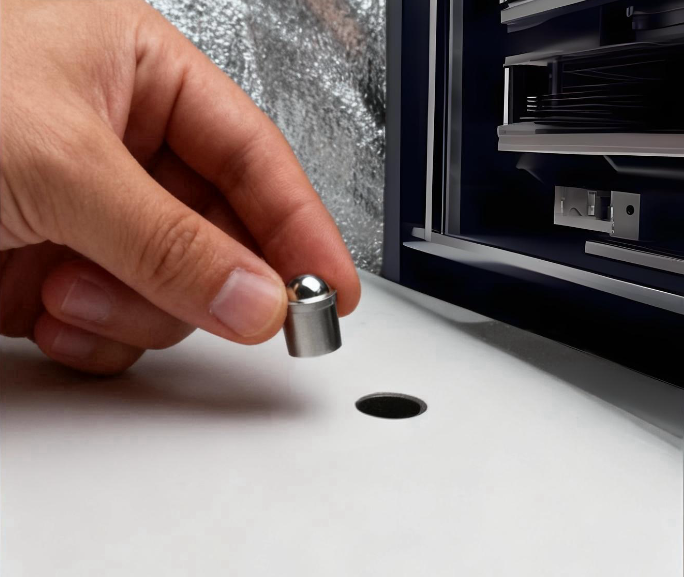
Plastic ball plungers are mechanical components consisting of a plastic or polymer body, a spring mechanism, and a ball—usually made from a polymer or occasionally stainless steel. Their design allows the ball to project from the housing under spring pressure, providing a smooth and consistent force that is ideal for light-duty positioning and indexing tasks.
These plungers are particularly useful in scenarios that require non-marring contact or where metal-to-metal contact might cause damage or wear. Their inherent resistance to moisture, chemicals, and certain environmental extremes makes them well-suited for applications in medical devices, food processing equipment, electronics, and lightweight assemblies.

Key Components and Materials
A plastic ball plunger typically includes:
-
Plastic Housing: Often made from acetal (POM), nylon, or other engineering-grade polymers. These materials are chosen for their durability, low friction, and resistance to chemicals.
-
Ball Element: Usually made from the same or a compatible polymer for soft contact. In some cases, a stainless steel ball is used to increase wear resistance while retaining the benefits of a plastic body.
-
Internal Spring: A small compression spring made of stainless steel or non-corrosive alloy, offering consistent preload force and ensuring long service life.
The selection of these materials allows plastic ball plungers to operate smoothly without lubrication and to maintain consistent performance in challenging conditions.
Advantages of Plastic Ball Plungers
Plastic ball plungers provide several advantages over traditional metal plungers, particularly in specialized environments:
-
Non-Marring Performance: Their plastic construction avoids surface damage, making them ideal for delicate assemblies or surfaces that must remain unmarked.
-
Corrosion Resistance: Unlike metal plungers, plastic versions resist corrosion and are suitable for wet or chemically aggressive environments.
-
Lightweight: Ideal for applications where weight savings are critical, such as aerospace, portable equipment, or compact electronics.
-
Electrical Insulation: Their non-conductive nature is valuable in electronic and electrical applications.
-
Quiet Operation: Plastic components operate with less noise, making them suitable for environments where low acoustics are important.
-
Cost-Effective: Typically lower in cost than precision-machined metal plungers.

Applications Across Industries
Plastic ball plungers are used in a wide variety of industries and applications, thanks to their adaptability and non-damaging properties. Common applications include:
-
Electronics and Instrumentation: Used for positioning small parts, aligning connectors, or offering tactile feedback without creating wear.
-
Medical Devices: Their corrosion resistance and ability to maintain hygiene make them suitable for non-invasive medical tools or equipment housing.
-
Food Processing Machinery: Non-reactive and resistant to food acids and cleaning chemicals, plastic plungers contribute to hygienic designs.
-
Consumer Products: Utilized in fixtures, cases, and other components where a clean, soft touch is desired.
-
Automotive Interiors: Quiet, reliable indexing and locking features for interior panels and accessories.
Design Variations and Configurations
Plastic ball plungers are available in a variety of configurations to suit different use cases:
-
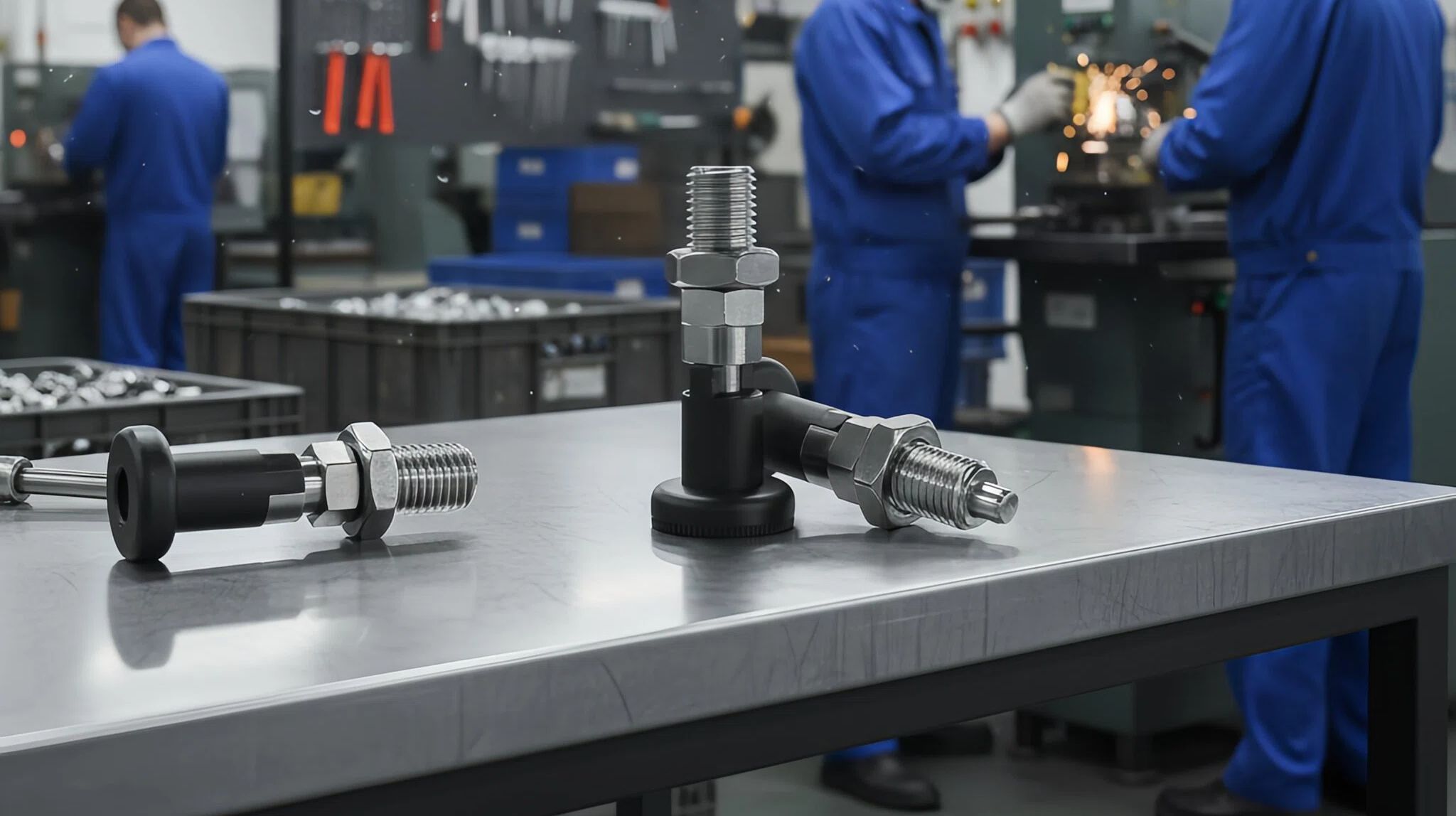
Threaded Body Plungers: These include external threads for easy installation into pre-drilled holes.
-
Press-Fit Types: Designed to be press-fitted into a housing without additional hardware.
-
Flanged Versions: Include a shoulder or flange for applications requiring precise axial positioning or higher pull-out strength.
-
Adjustable Force Types: Some plungers feature adjustable spring tension to accommodate various operational needs.
The wide range of available designs allows engineers and designers to specify plungers that exactly match performance, space, and assembly requirements.
Installation and Maintenance Tips
Although plastic ball plungers are designed for simplicity and durability, some best practices can help ensure optimal performance:
-
Avoid Over-Tightening: Threaded plungers should be installed to the manufacturer’s recommended torque settings to avoid damage.
-
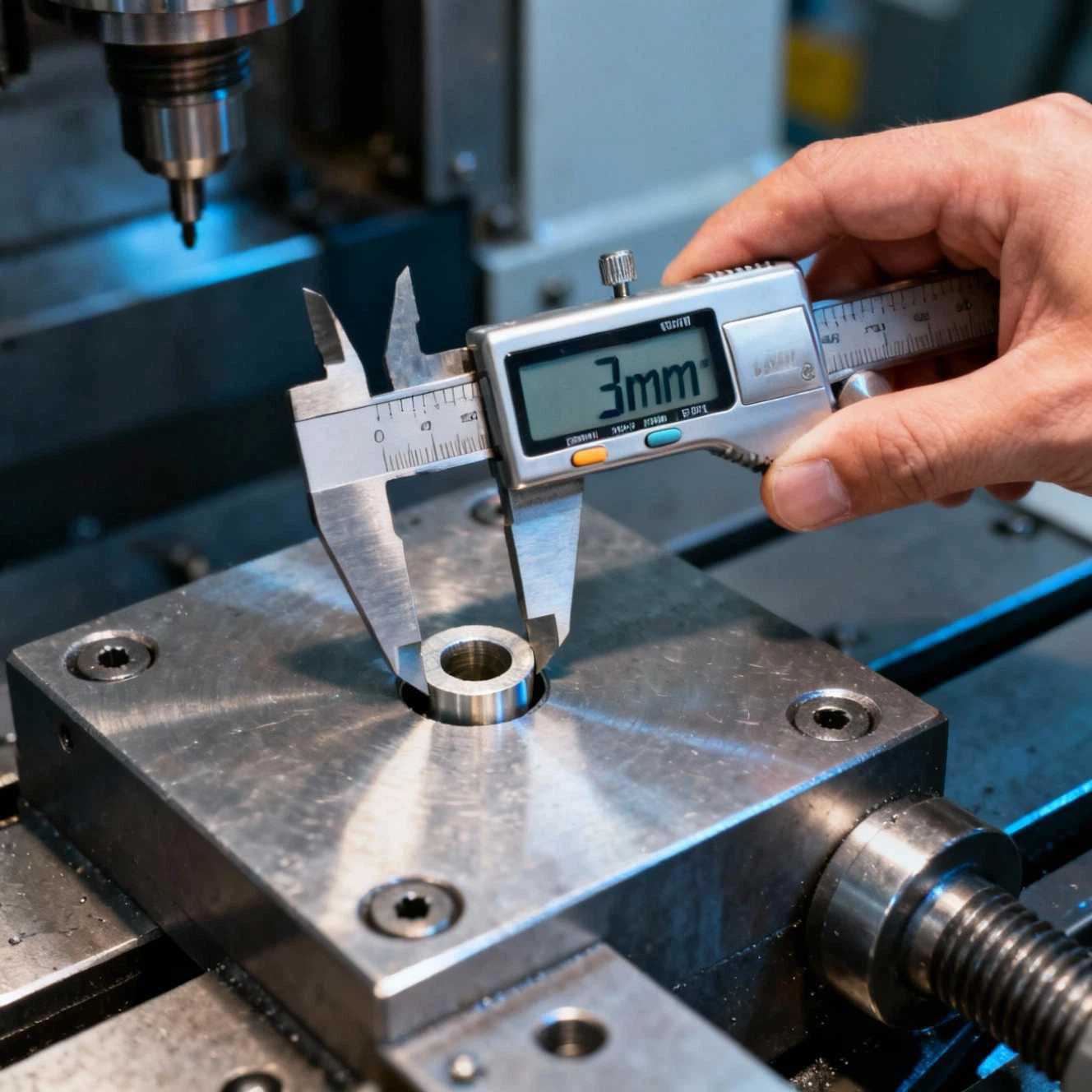
Use Appropriate Hole Tolerances: For press-fit types, hole dimensions should be precise to maintain secure placement.
-
Check for Contamination: Keep the plungers free from dirt and debris that could interfere with the spring or ball movement.
-
Periodic Inspection: Especially in high-cycling applications, inspect the plungers for wear or deformation.
Comparing Plastic vs. Metal Ball Plungers
Each type of ball plunger—plastic and metal—has its ideal use case. Here’s how they compare:
-
Durability: Metal plungers are more robust and suited for high-load applications, while plastic plungers excel in low-load, non-marring roles.
-
Corrosion Resistance: Plastic offers superior resistance in many chemical and wet environments.
-
Cost: Plastic plungers are generally more affordable, both in terms of unit cost and installation time.
-
Weight: Plastic components weigh significantly less, which can contribute to overall system weight reduction.
By carefully evaluating the functional needs of the application, designers can determine whether a plastic or metal plunger is more appropriate.
Environmental Considerations
Sustainability and environmental resilience are increasingly important in component selection. Plastic ball plungers offer several environmental advantages:
-
Reduced Need for Lubricants: Their self-lubricating nature minimizes the need for oils or greases.
-
Chemical Resistance: Can withstand exposure to cleaners, solvents, and aggressive media.
-
Recyclability: Many engineering plastics are recyclable, contributing to circular economy goals.
-
Low Energy Manufacturing: Compared to metal parts, plastic plungers often require less energy to produce.
Challenges and Limitations
While plastic ball plungers offer many benefits, they are not without drawbacks:
-
Lower Load Capacity: They are not suitable for applications requiring high mechanical strength.
-
Heat Sensitivity: Some plastics may deform under high temperatures.
-
Wear Over Time: In high-friction environments, wear can accumulate more quickly than with metal plungers.
Careful selection of material grades and design can mitigate some of these concerns.
Future Trends and Innovations
The continued advancement of material science and manufacturing technology is expanding the potential of plastic ball plungers:
-
High-Performance Polymers: New materials offer greater strength, thermal stability, and chemical resistance.
-
Additive Manufacturing: 3D printing of custom plastic plungers for prototyping or niche applications.
-
Smart Components: Integration of sensors for position feedback and diagnostics.
-
Bio-Based Plastics: Sustainable materials that reduce environmental impact without sacrificing performance.
Discover our plastic ball plungers and plastic spring plungers for precise positioning and reliable performance in industrial applications. Lightweight and corrosion-resistant, they ensure smooth operation. Contact us for custom solutions tailored to your needs.
Plastic ball plungers offer a unique set of advantages that make them indispensable in many modern applications. Their lightweight, corrosion-resistant, and non-marring properties are especially valuable in precision, hygienic, and weight-sensitive environments. As industries continue to prioritize efficiency, sustainability, and adaptability, the role of plastic ball plungers is likely to expand.
By understanding their construction, applications, and limitations, engineers and designers can make informed choices that optimize performance and longevity in their products. Whether used in advanced medical devices, compact electronic assemblies, or environmentally resilient systems, plastic ball plungers represent an innovative approach to modern fastening and positioning challenges.
Quick Release Locking Mechanism
Machined Aluminum Parts